WHAT IT’S REALLY LIKE TRAVELING IN A COUNTRY UNDER SHARIA LAW
What It’s Really Like Traveling in a Country Under Sharia Law. When most people hear Sharia law, they picture public executions, morality police, and a place where tourists probably shouldn’t exist.
But traveling through Afghanistan — one of the strictest Islamic states on Earth — I found a reality far more complex and human than the headlines suggest.
1. WHAT IS SHARIA LAW, REALLY?
Sharia isn’t a single set of rules — it’s an interpretation of Islamic principles that governs daily life, morality, and justice.
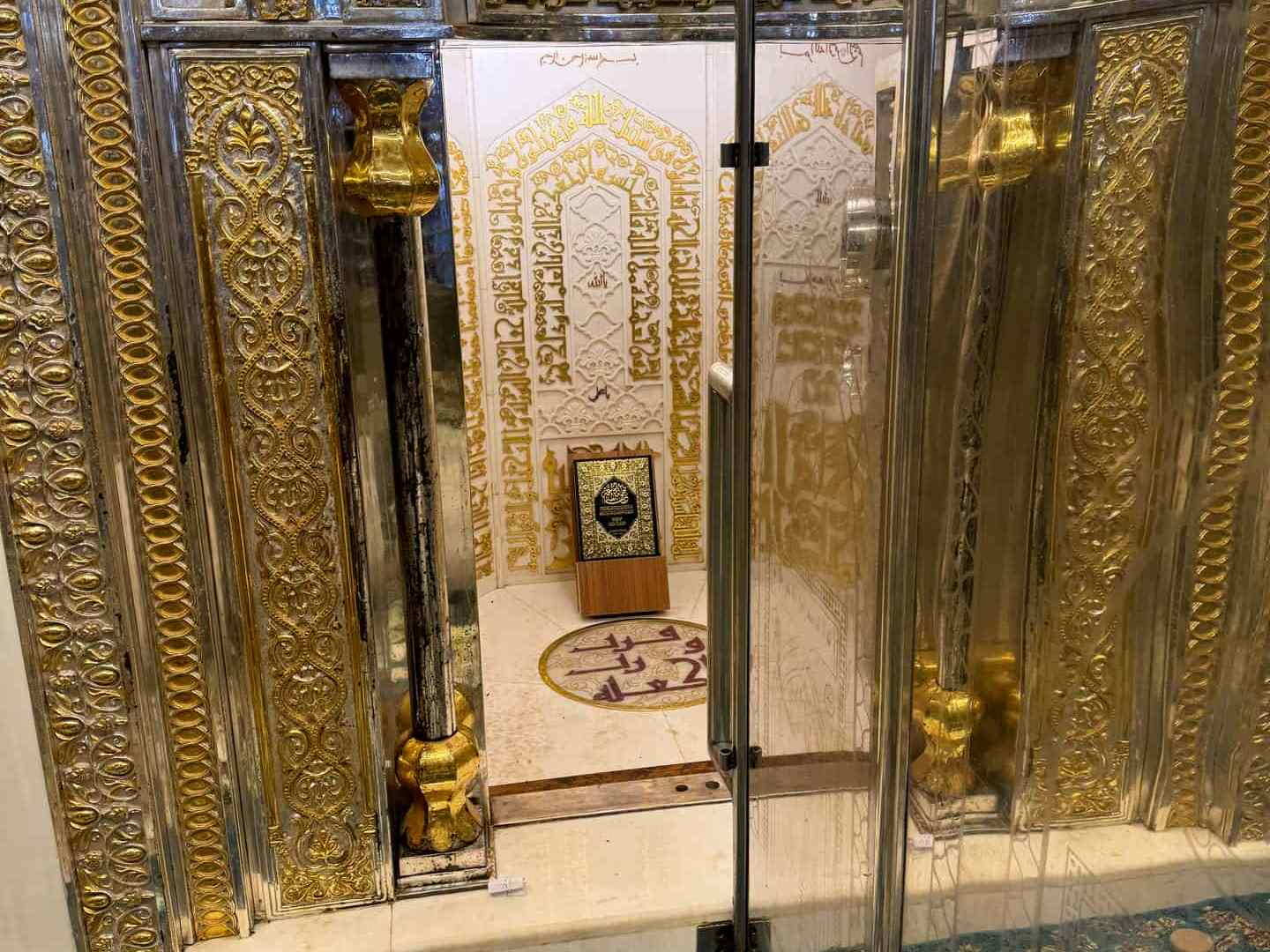
In Afghanistan, especially under the Taliban, that interpretation is strict and deeply woven into society. Religion isn’t something you practice on Sundays — it’s the air people breathe.
And yet, there’s nuance. Locals don’t walk around quoting scripture or waiting to judge tourists. They just live their lives — quietly, devoutly, and with a level of discipline the West can barely imagine.
It’s hard to watch, yet ingenious. What looks reckless to an outsider is, for many, the only option.
What It’s Really Like Traveling in a Country Under Sharia Law
QUICK TAKEAWAYS
- Tourists have limited leniency, but some rules are absolute.
- Religion is ingrained in every part of life.
- Women are respected publicly — though visibility is limited.
- Locals live by rules that are cultural as much as religious.
2. EXPECTATIONS VS. REALITY IN AFGHANISTAN
Before arriving, I expected to feel like I was constantly walking on eggshells.
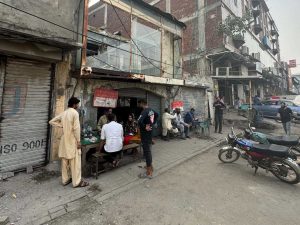
And to be fair — I was careful. I dressed modestly, watched what I filmed, avoided women on camera, and skipped any conversation that could turn political.
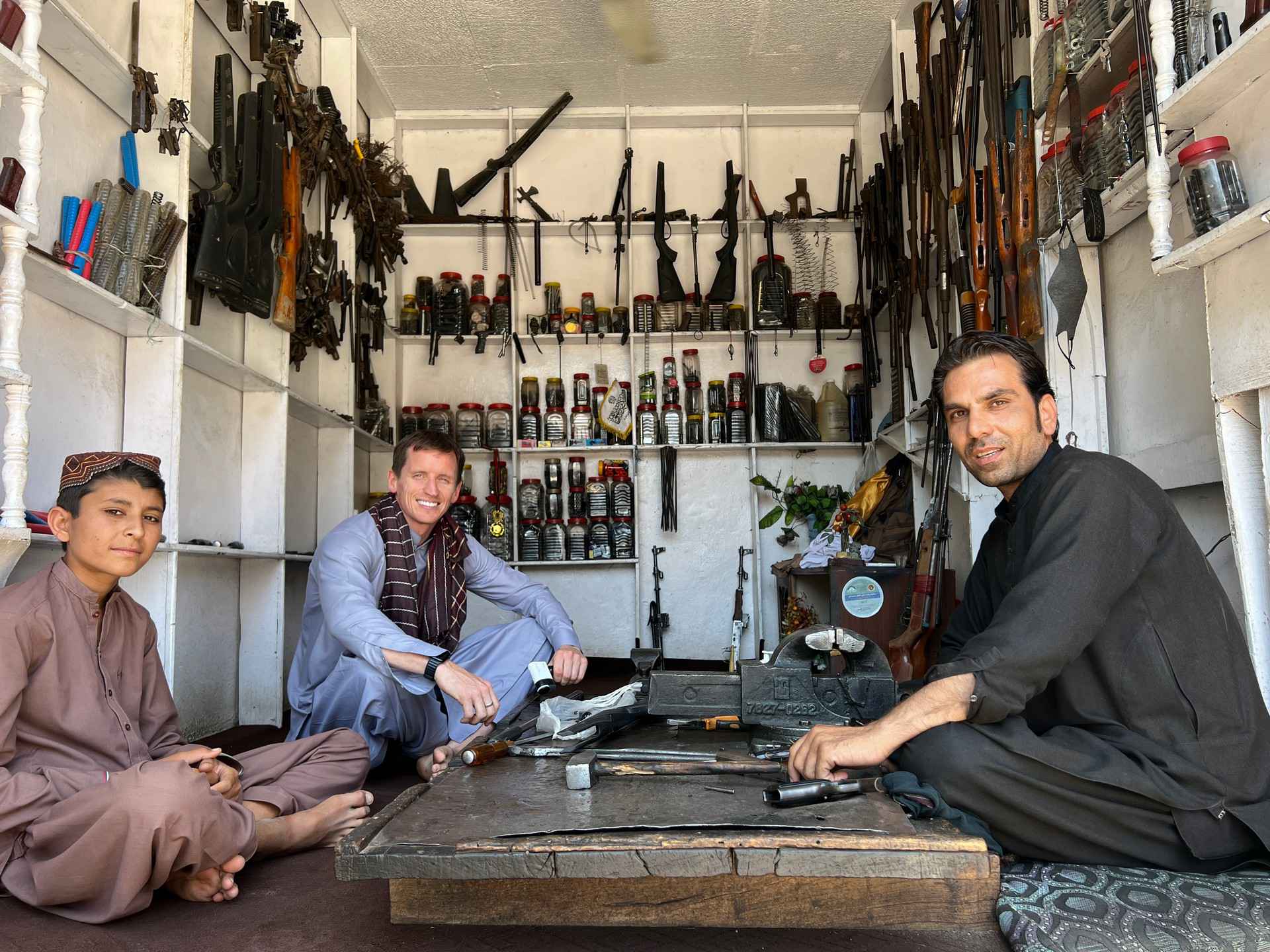
But the reality? For tourists, there’s often a surprising amount of leniency. Locals know foreigners don’t follow the same rules — though some boundaries are non-negotiable:
• No shorts or short sleeves
• No photographing women
• No public displays of affection
• No music in public spaces
It’s restrictive, yes. But not suffocating — unless you push the limits.
What It’s Really Like Traveling in a Country Under Sharia Law
3. WHAT TOURISTS CAN AND CAN’T DO
As a foreigner, you learn quickly where the lines are drawn.
You can film in markets and mosques (with permission), but not women or religious rituals. You can joke with men, but avoid physical contact with women entirely. Even something innocent — like shaking a female guide’s hand — can turn awkward fast.
I once did exactly that in Bamiyan. She smiled politely but froze, unsure how to respond. I laughed it off — mostly to hide my embarrassment — but it was a quick reminder of where I was.
4. CONVERSATIONS ABOUT RELIGION
Talking religion in Afghanistan is like talking weather — everyone has an opinion, but most keep it polite.
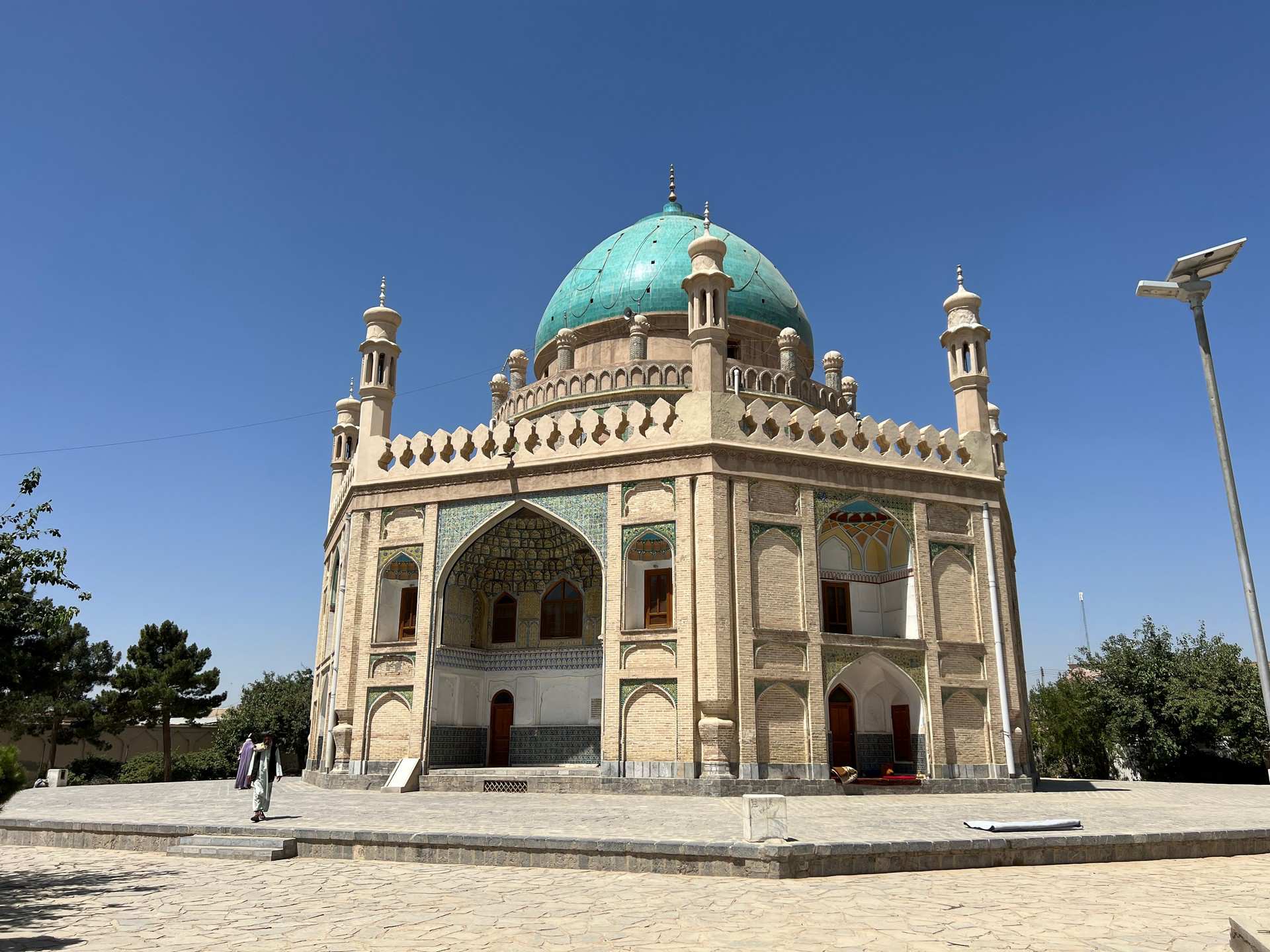
Criticism of Islam simply doesn’t exist in public, not because of fear, but because it’s considered wrong — a sin. The idea of questioning religion is as foreign as the idea of living without it.
And yet, there’s warmth in the way faith binds people together. From daily prayers echoing across towns to shared meals during Ramadan, it’s devotion without spectacle.
What It’s Really Like Traveling in a Country Under Sharia Law
RELATED READ: DRONE ISSUES AND AFRICA’S BIGGEST URBAN SLUM
5. WOMEN, RESPECT, AND RESTRICTIONS
One of the biggest misconceptions is that women are disrespected under Sharia law. That’s not entirely true — it’s complicated.
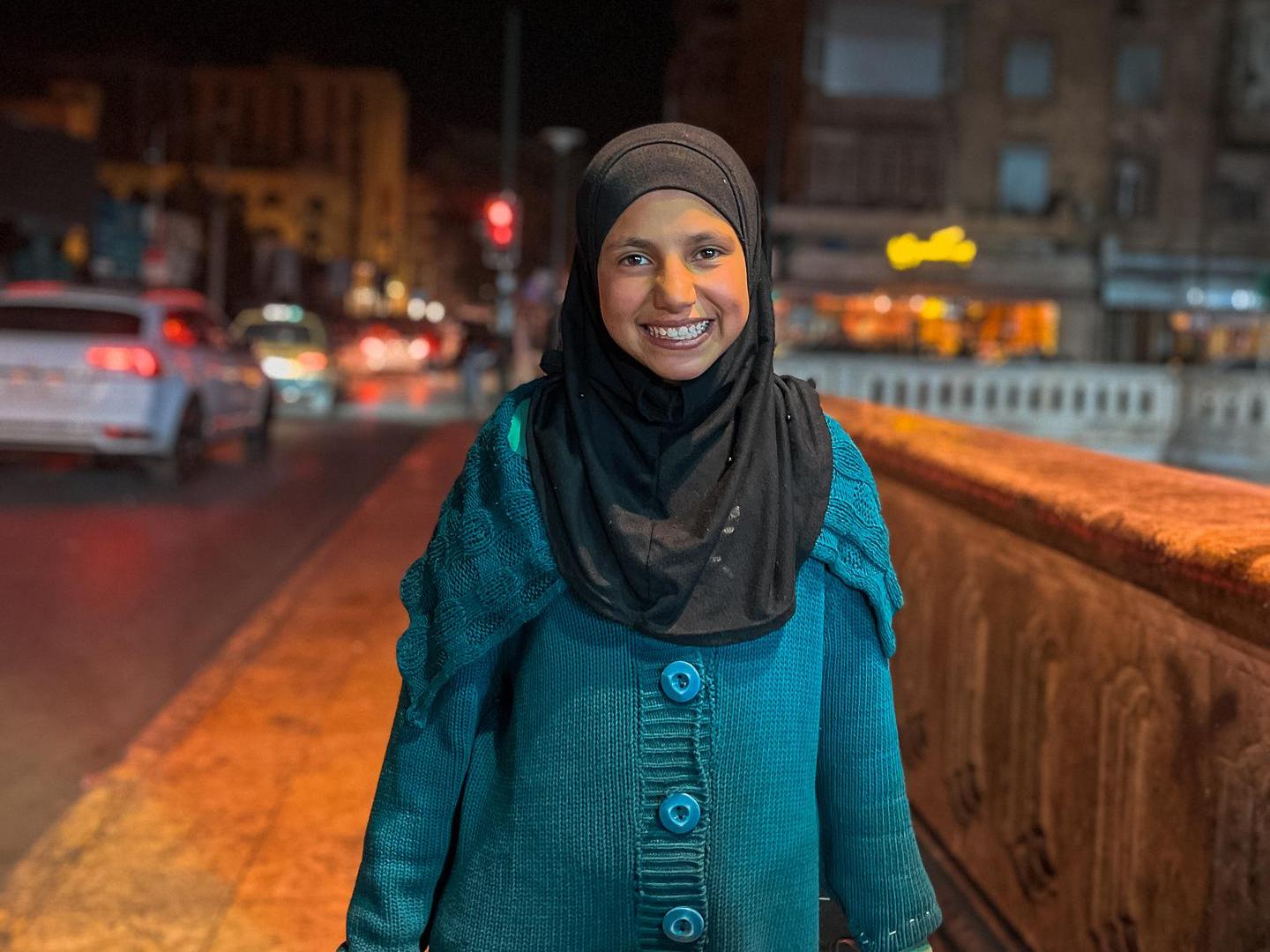
In public, women are treated with visible respect. They’re offered seats, served first, and never shouted at. But there’s still a distance — a respectful silence that can feel like separation.
During my trip to Bamiyan, I visited a women-only bazaar, run entirely by female shopkeepers. Every stall — owned and operated by women. It was a glimpse of progress even under Taliban rule, proof that Afghan women are still finding ways to move forward, quietly but powerfully.
What It’s Really Like Traveling in a Country Under Sharia Law
6. SURPRISING CONTRADICTIONS I NOTICED
The biggest surprise? The contradictions. You meet men with smartphones blasting TikToks — even though the authorities ban music. You watch religious leaders sip chai beside shopkeepers openly selling contraband DVDs.
And then, in those moments, you realise something important: no society is ever just one thing. Afghanistan doesn’t exist solely as Sharia; instead, it reveals itself as human — full of contradictions, constant compromise, and people actively trying to live a normal life under extraordinary rules.

7. MISTAKES AND CULTURAL MISUNDERSTANDINGS
Cultural mistakes will happen. You might forget to cover your arms, greet a woman too casually, or film a sensitive area — and sooner or later, you will slip up.
However, what truly surprised me was how forgiving people are. Locals recognise you’re not from there, and instead of looking for confrontation, they actively look for connection. Ultimately, that’s the part you never see on the news.
FACTS BOX:
- Can tourists visit countries under Sharia law safely?
Yes — if you respect the rules. Dress modestly, avoid sensitive topics, and learn basic local customs before arriving. - Are foreigners expected to follow Sharia strictly?
Not fully. You’ll get leniency, but some boundaries — especially around modesty and behavior — aren’t flexible. - Do locals ever criticize Sharia law?
Rarely in public. Religion is deeply cultural here, and criticism is both socially and spiritually unacceptable.
FINAL THOUGHTS
Traveling in a country under Sharia law isn’t about danger — it’s about discipline.
You adapt, observe, and learn that faith can govern life without erasing kindness.
The world paints these countries in black and white. But once you’re there, you realise — it’s every shade of human.
SAFE TRAVELS, DS x