MEETING LOCALS IN SO-CALLED DANGEROUS COUNTRIES: MY HONEST EXPERIENCE
Meeting Locals in So-called Dangerous Countries: My Honest Experience. You’ve seen the headlines: “Do not travel to Afghanistan.” “Avoid Syria.” “Iraq is unsafe.”
But what if I told you the most “dangerous” countries I’ve ever visited were also home to the kindest, most welcoming people in the world? Here’s what I actually discovered beyond the headlines.
1. WHY I VISIT SO-CALLED DANGEROUS COUNTRIES
I travel to challenge my own assumptions — and if I can bring some of your own assumptions along too then even better.
Because the idea of a “dangerous country” is usually shaped by someone who’s never set foot there. Whether it’s Afghanistan, Syria, Iraq, or Nigeria, each place has shown me that danger and hospitality often coexist in the same sentence — but rarely do we hear about the latter.
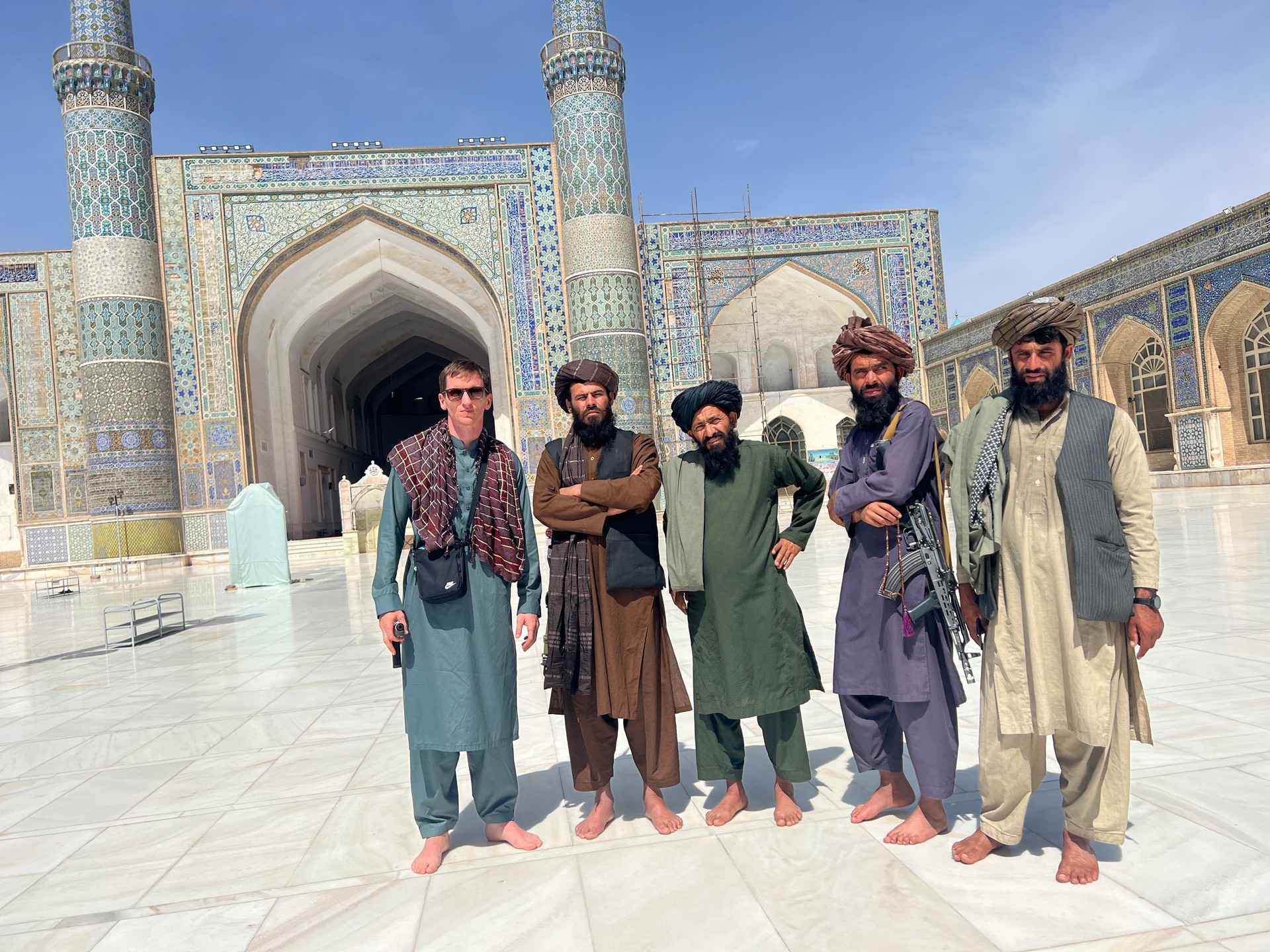
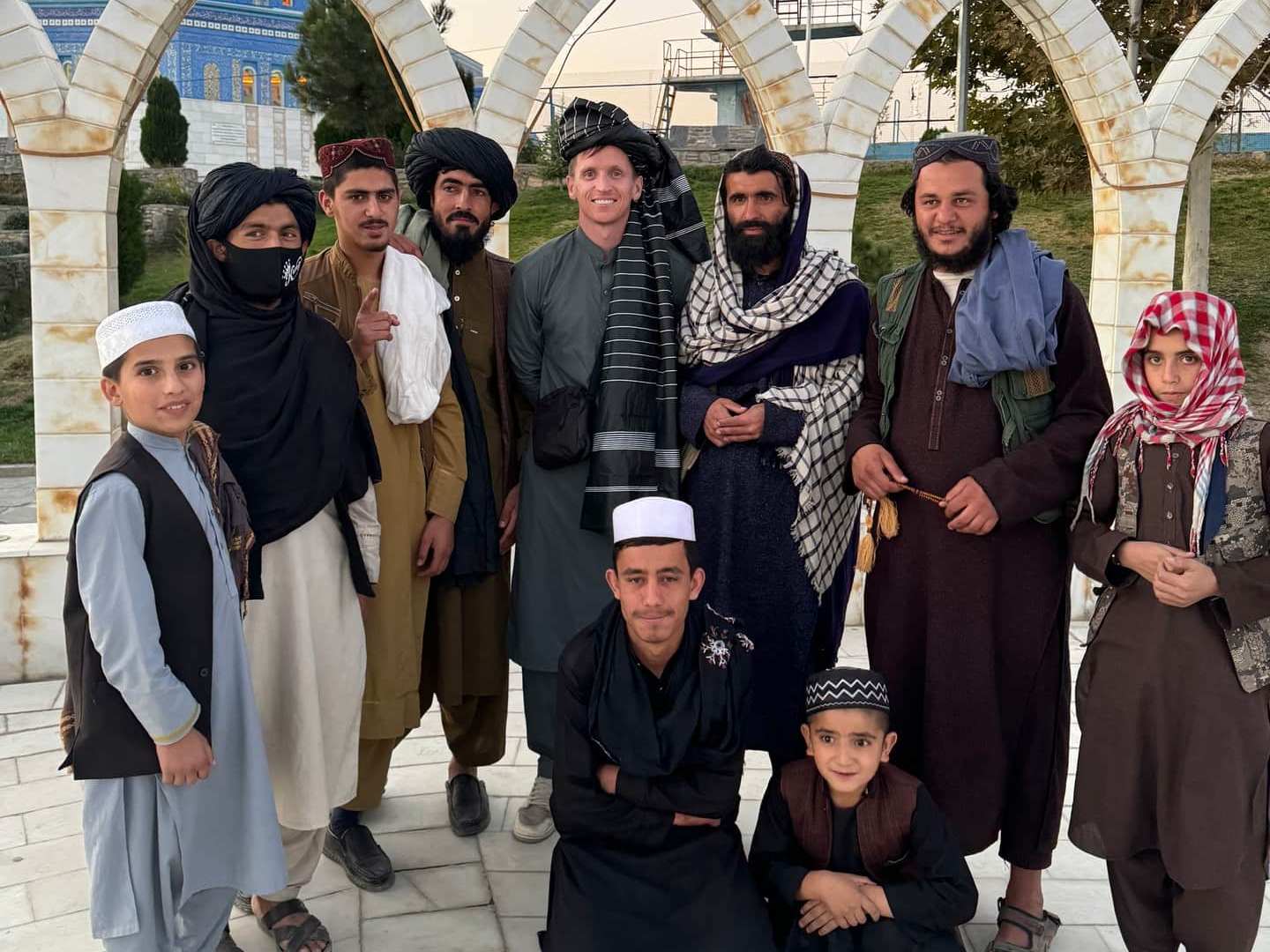
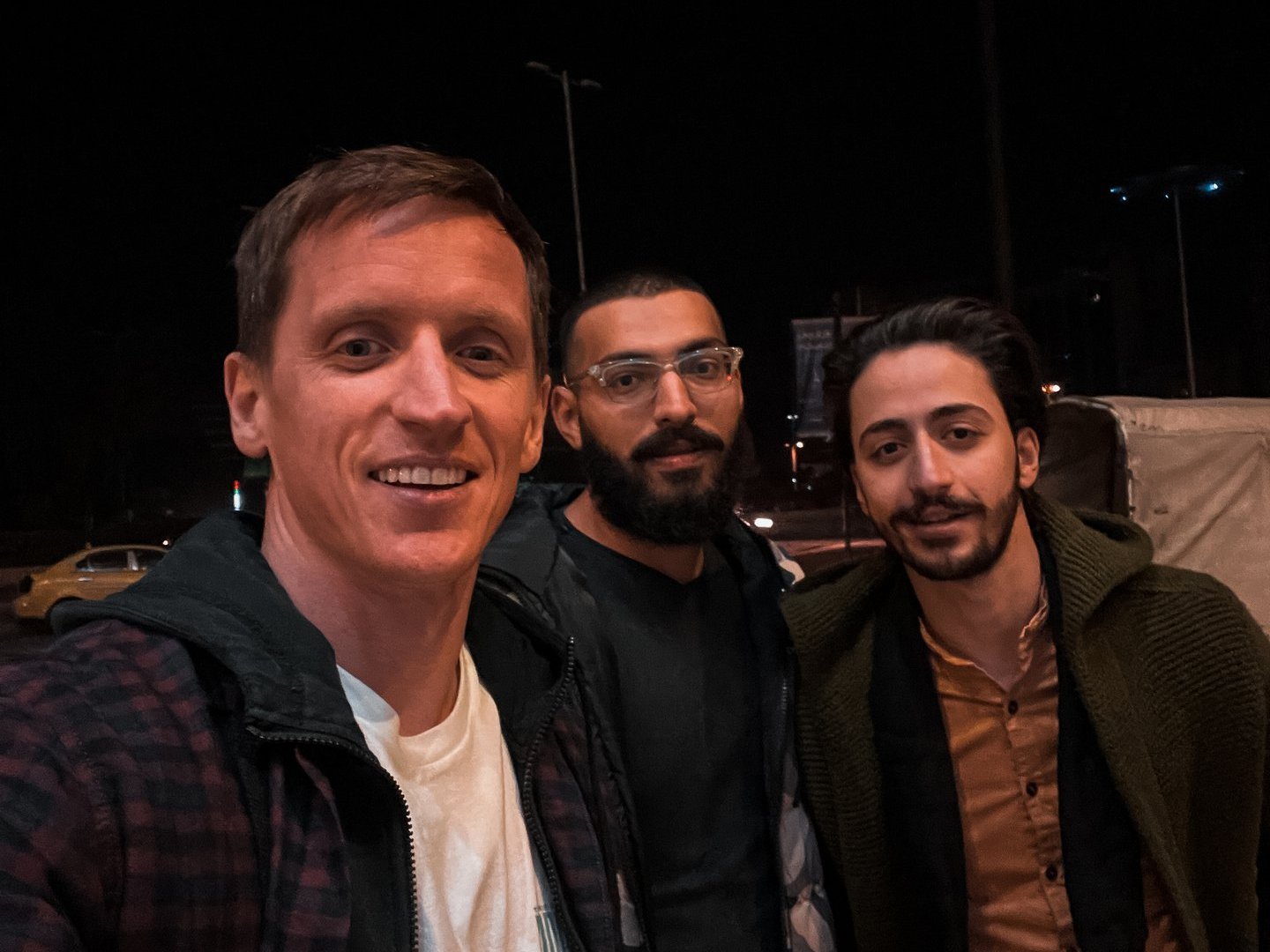
When you strip away the headlines, you find something else entirely: fathers who insist on buying you chai, kids asking to take selfies, and strangers who walk you home just to make sure you’re safe.
Meeting Locals in So-called Dangerous Countries: My Honest Experience
QUICK TAKEAWAYS
- “Dangerous” countries often have the friendliest locals.
- Most people just want to chat, not fight.
- The media’s version of a country rarely matches reality.
- A smile and handshake go further than fear ever will.
2. THE FIRST COUNTRY THAT CHANGED EVERYTHING
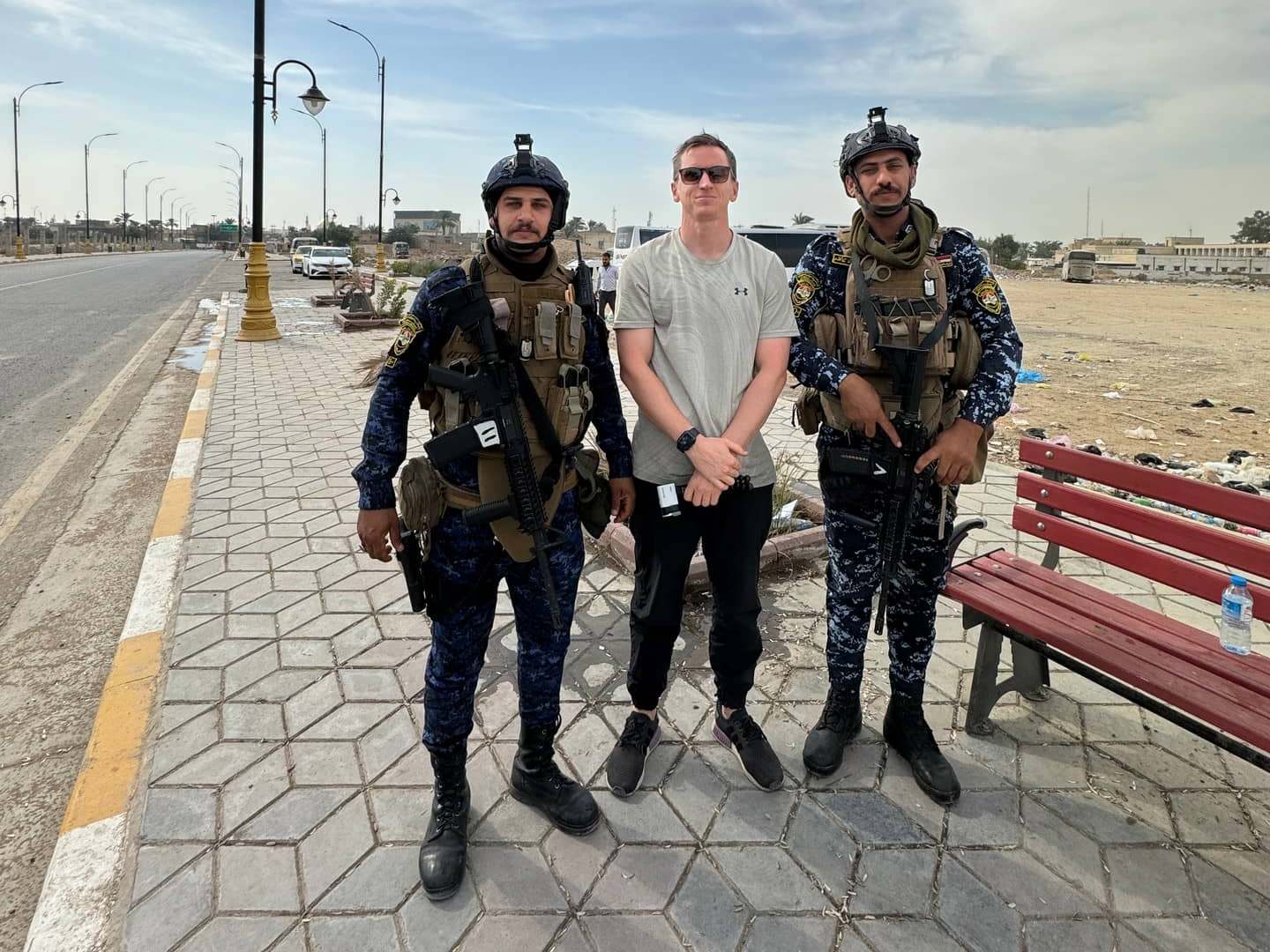
The first place to truly shake me was Iraq.
It was just after the end of a twenty-year war, and honestly, I half-expected to be handed a bulletproof vest on arrival. But instead of hostility, I was met with warmth.
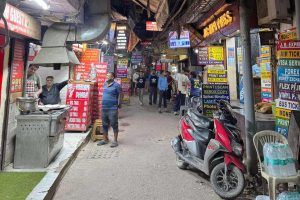
People came up to me in markets to say “Welcome to Iraq!” — not sarcastically, but with genuine pride. They bought me tea, invited me into their homes, and asked about life in my country.
It was humbling. These weren’t people obsessed with conflict; they were tired of it. They didn’t want war — they wanted peace, stability, and conversation.
I hate to sound cliche (because I hate to read it) but meeting people like this was the real reason why my travel style changed so dramatically.

Meeting Locals in So-called Dangerous Countries: My Honest Experience
3. CONVERSATIONS THAT SHATTER STEREOTYPES
One of the most surreal moments of my travels was sitting down for chai with a Taliban commander in Afghanistan. For years I’d wanted to have that conversation — not for drama, but to understand.
I asked what he thought about the Americans or the Brits:
“We welcome anyone with open arms. But if you come with a gun — we will happily die for this fight.”
It was the kind of sentence that gives you chills — not because of aggression, but because of conviction. Beneath the politics, these were human beings, loyal to their land, their religion, and their code.
Meeting Locals in So-called Dangerous Countries: My Honest Experience
4. ARE THESE PLACES REALLY DANGEROUS?
Honestly? Not as much as people think.
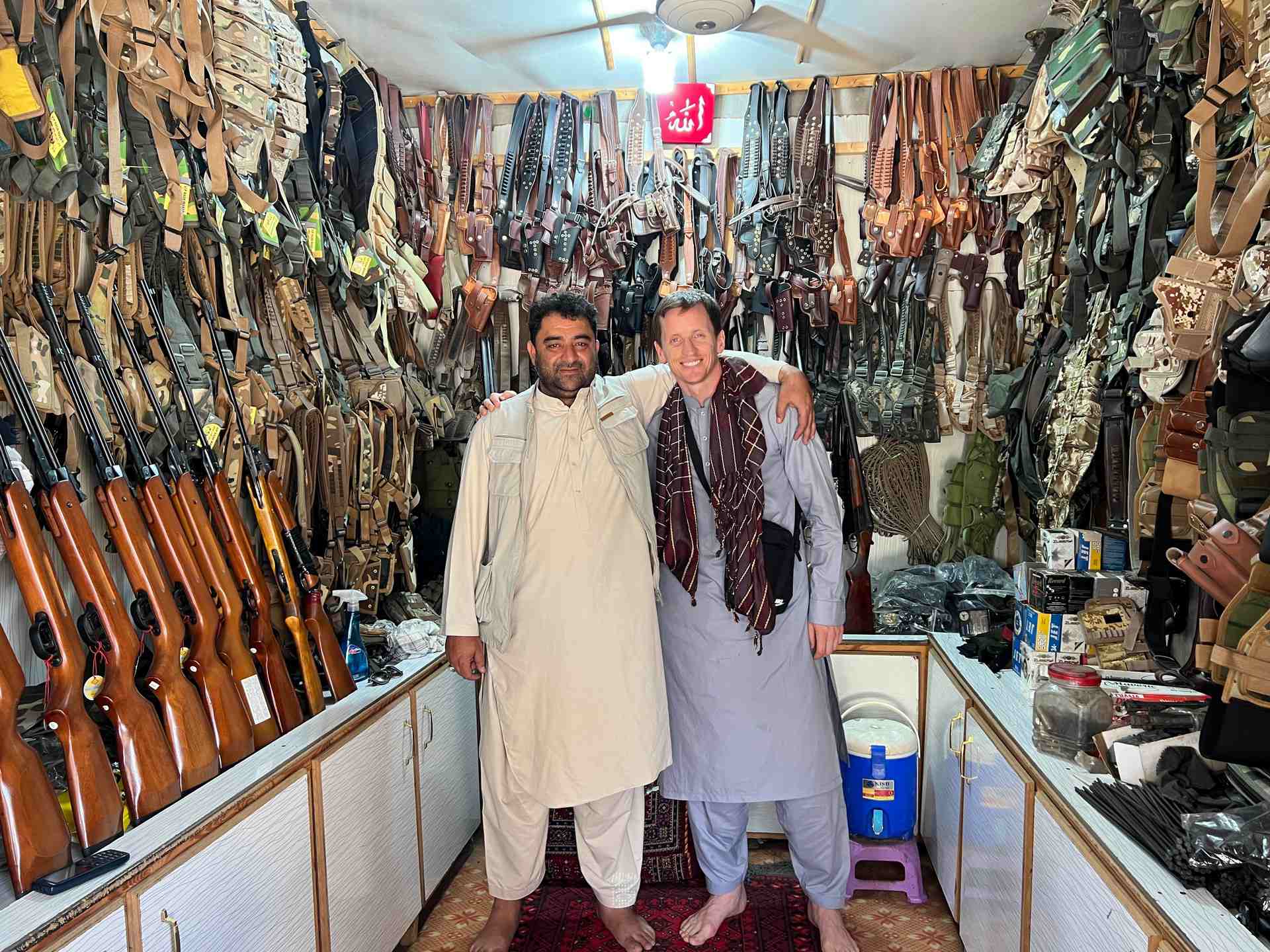
I’ve never found myself in real danger, mostly because I know when to bring a local guide and when to keep a low profile. The real threats are usually logistical — bad roads, power cuts, or food poisoning — not kidnappers lurking in every alley.
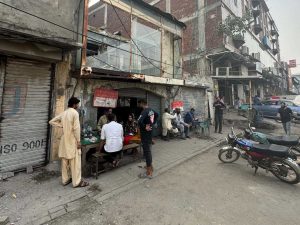
In places like Maiduguri, Nigeria, locals went out of their way to make sure I was safe. They warned me which areas to avoid, offered rides, and even shared meals.
Fear sells. Hospitality doesn’t. As someone who posts on YouTube I see this everyday, not just from the mainstream media.
Meeting Locals in So-called Dangerous Countries: My Honest Experience
5. THE TRUTH ABOUT MEDIA FEARMONGERING
Western media loves a good disaster. It’s not ignorance — it’s business.
Who’s going to click on the headline “Iraq is rebuilding beautifully,” if the one next to it says “Explosion in Baghdad k*lls 12.”
And we can no longer pretend it’s “their fault.” As we’re the ones feeding it. We crave shock more than truth. But things are shifting — the rise of independent creators and platforms like YouTube means people can see for themselves what life is really like.
RELATED READ: GETTING CHASED IN JAMAICA
6. HOW I APPROACH LOCALS SAFELY AND RESPECTFULLY
Beaming smile and out stretched hand is usually enough to put barriers aside and open up some doors.
People can sense intention instantly — approach them with openness, and 90% of the time, they’ll respond with kindness.
When I film, I always make sure people are comfortable. If someone asks not to be shown, I respect it — especially if their opinions could get them into trouble.
7. WHAT I’VE LEARNED FROM THESE ENCOUNTERS
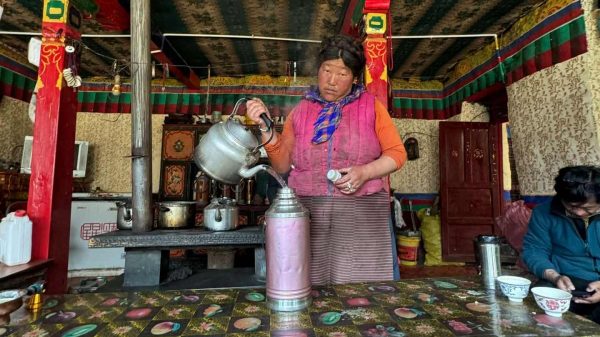
I’ve learned that humanity doesn’t live behind five-star walls — it lives in ordinary faces, in cracked teacups, in broken English that somehow carries more warmth than a press release ever could.
We’re quick to label what we don’t understand. But travel — real travel — erases labels.
And the people I meet in so-called dangerous places? They’re the proof that good still outweighs bad, even where the news says otherwise.
FACTS BOX:
- Are dangerous countries really safe to visit?
Some are, some aren’t — but with research, respect, and local help, most can be travelled safely. Always check the latest advisories, but don’t assume “red” means “impossible.” It simply means no a bit more research than you normally would. - Why do locals in these places seem so friendly?
Because they’re used to being misunderstood. When someone visits with genuine curiosity instead of fear, it’s refreshing. - How do you stay safe while filming?
Be genuine with the locals and build connection. They soon forget about the camera
FINAL THOUGHTS
If I’d believed everything I read online, I’d have missed out on some of the most beautiful human connections of my life.
So before judging a country by its headlines, go there and spark up a few conversations with the people.
You’ll soon realise that “dangerous” is often just another word for misunderstood and maybe even change your travel desires like I did.
SAFE TRAVELS, DS x