KASHMIR SERIES, DAY 1 – 4
AMRITSAR
Becoming a Sikh for the Day. Arriving in India for the first time in 10 years hit me with the same madness I remembered.
ARRIVING IN INDIA FOR THE FIRST TIME IN 10 YEARS.
The last time I came, I was pretty overwhelmed. This time, I was ready — or so I thought.
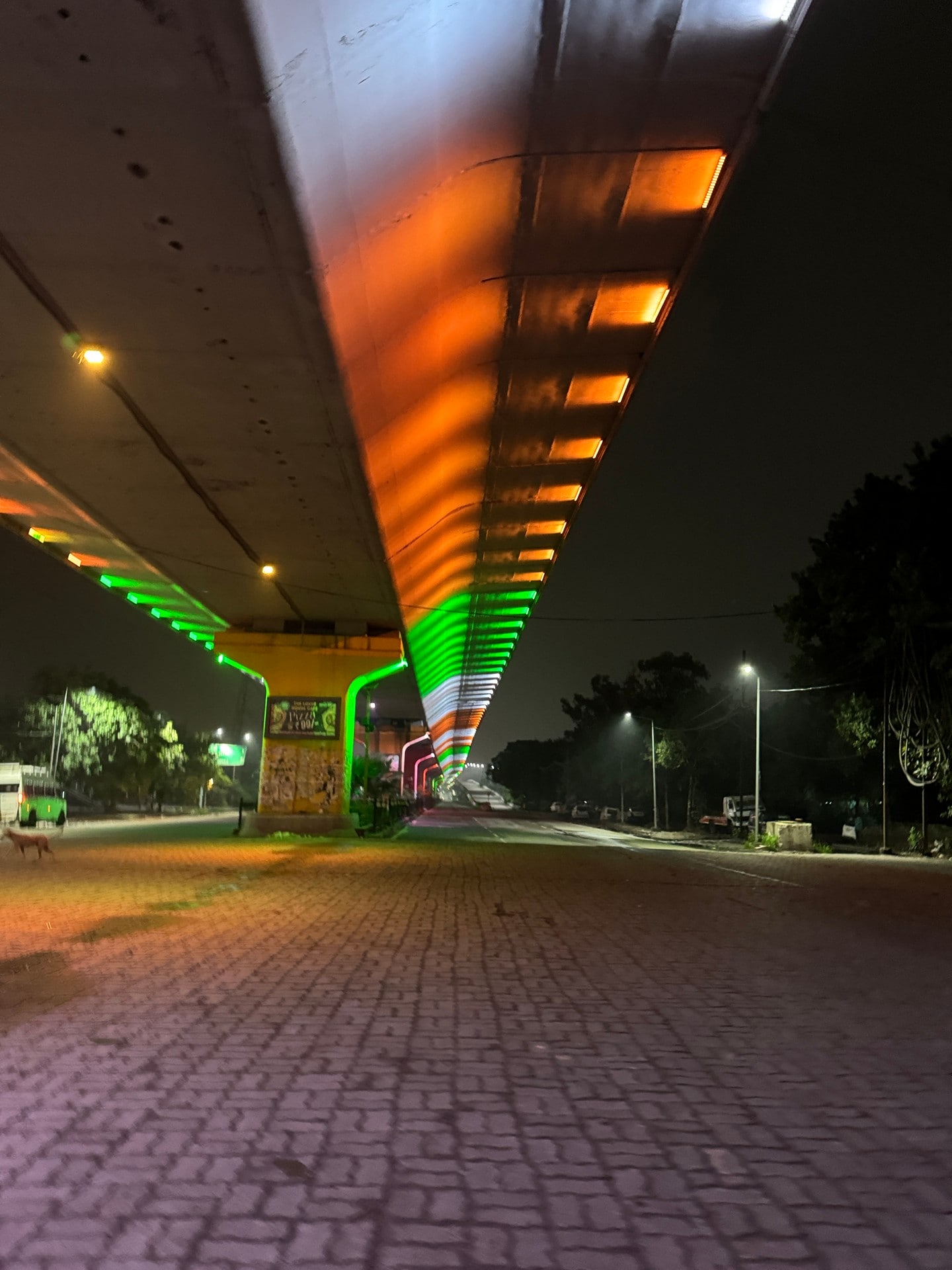
DAY 2 – INDEPENDENCE DAY ARRIVAL
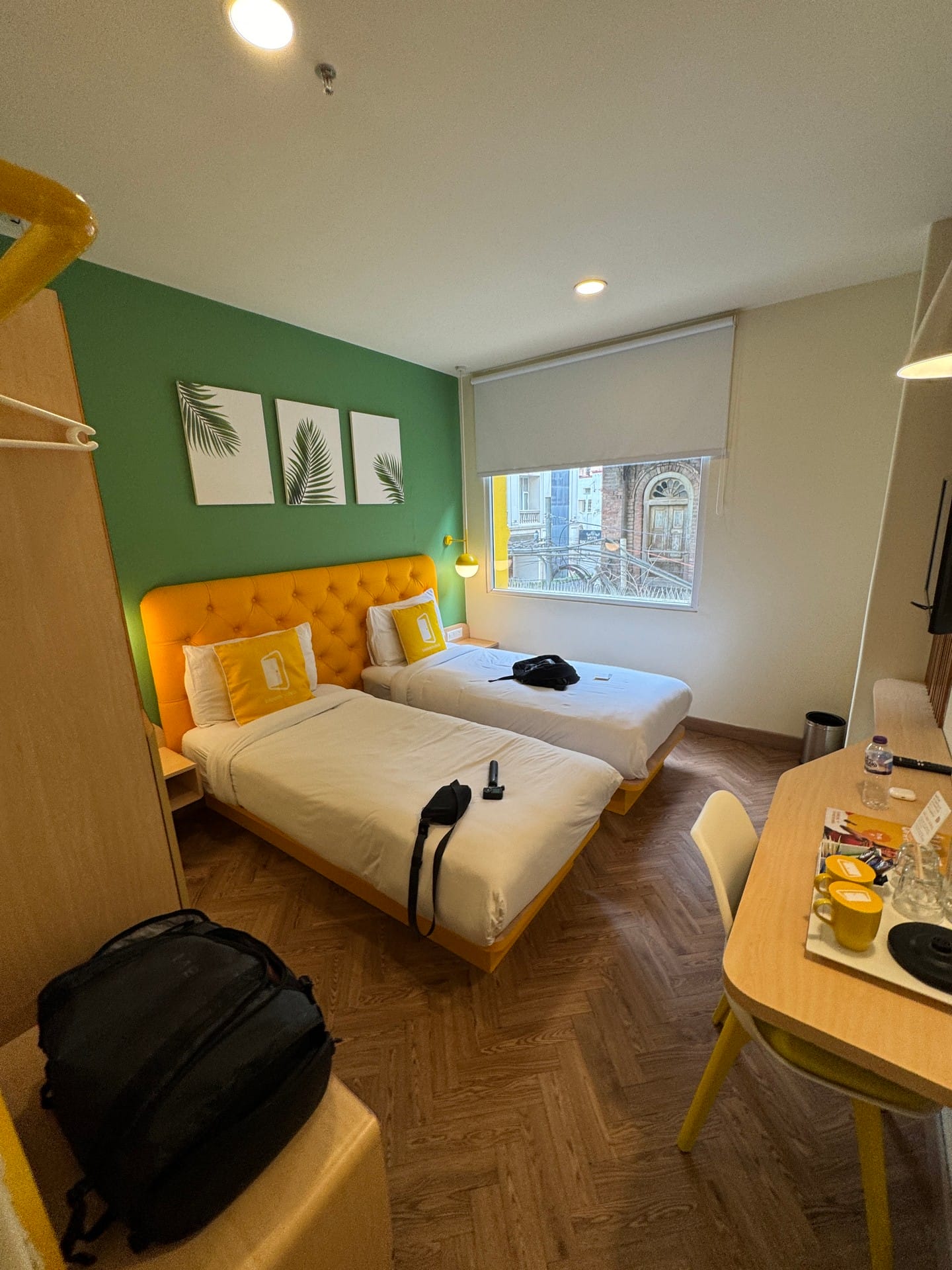
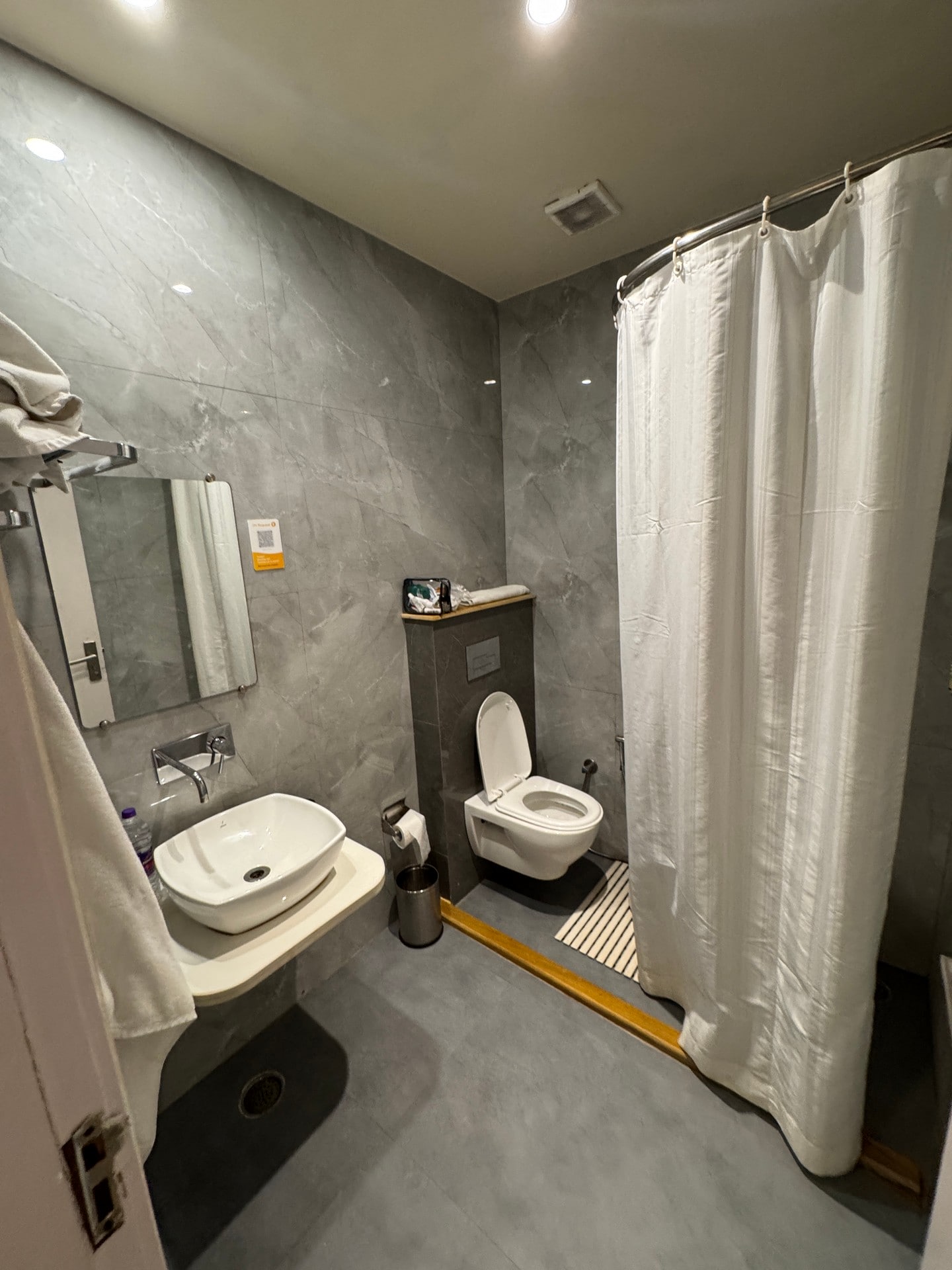
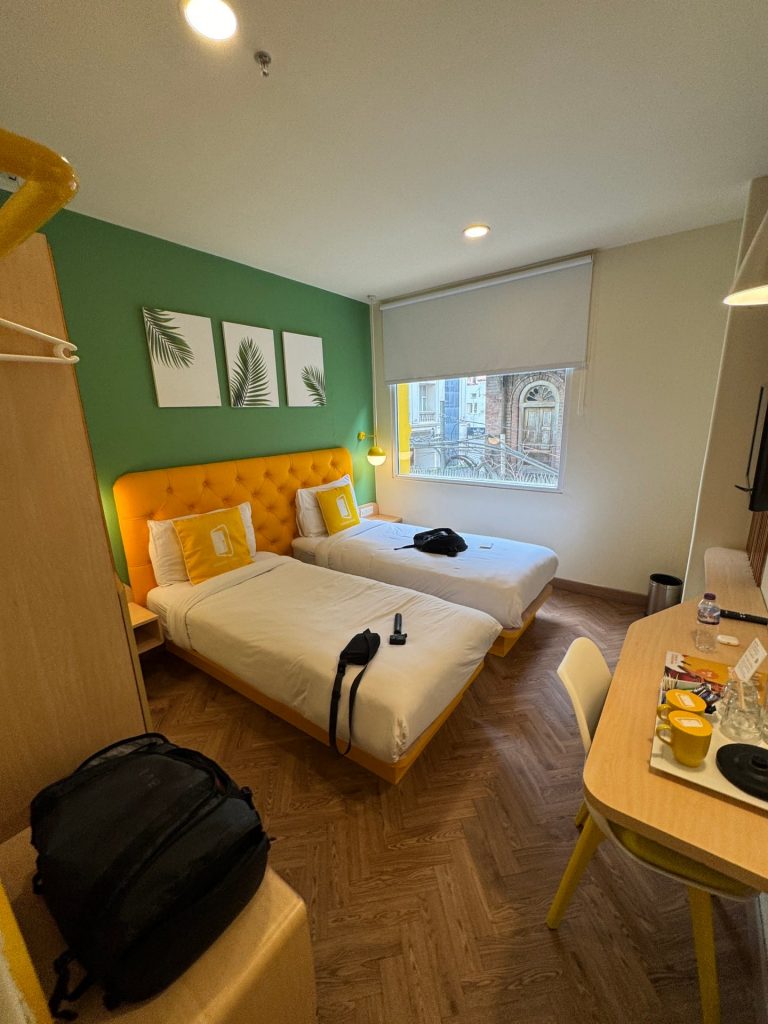
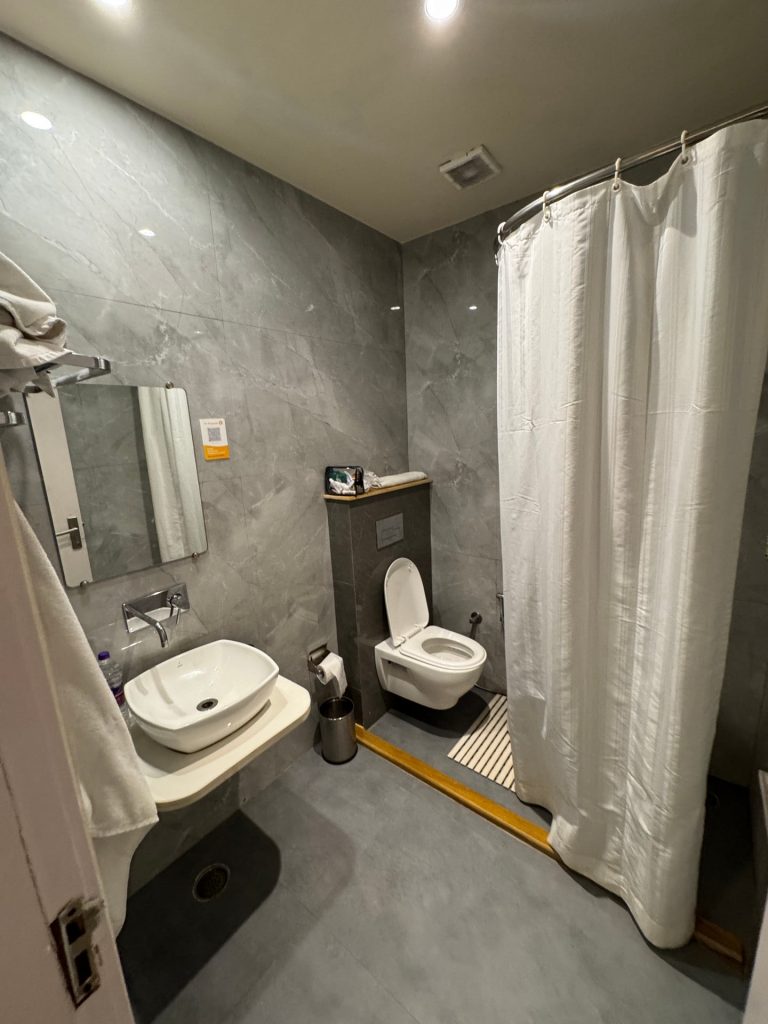
Landing in Amritsar at 2 a.m. is no joke, but at least the roads were empty. By 3 a.m. I was checked into my hotel, SureStay — a full nine hours before check-in time, which must be some sort of record. At $100 a night, it was steep by Indian standards, but given it was Independence Day, maybe that explained the crowded flights and inflated prices.
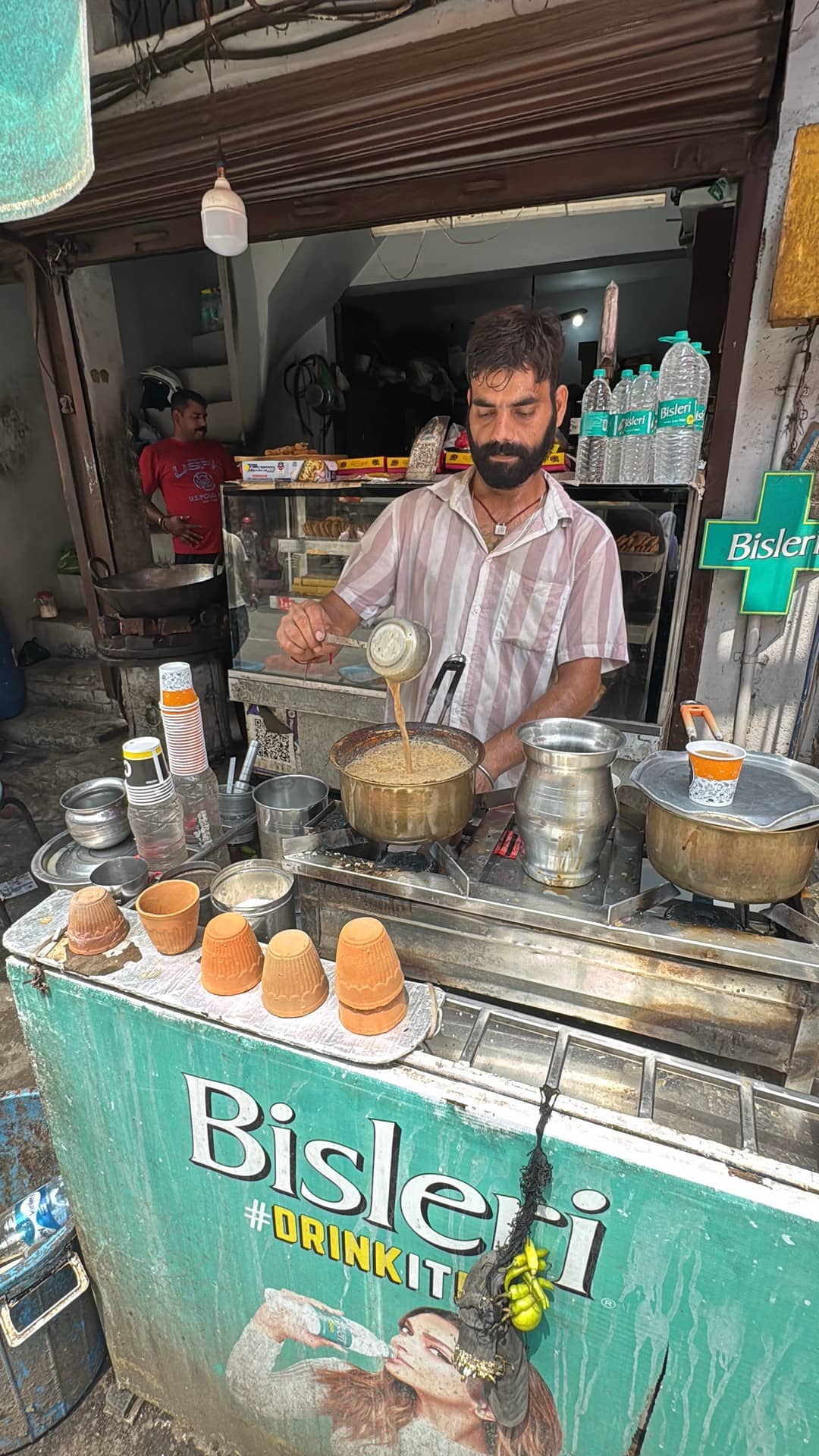
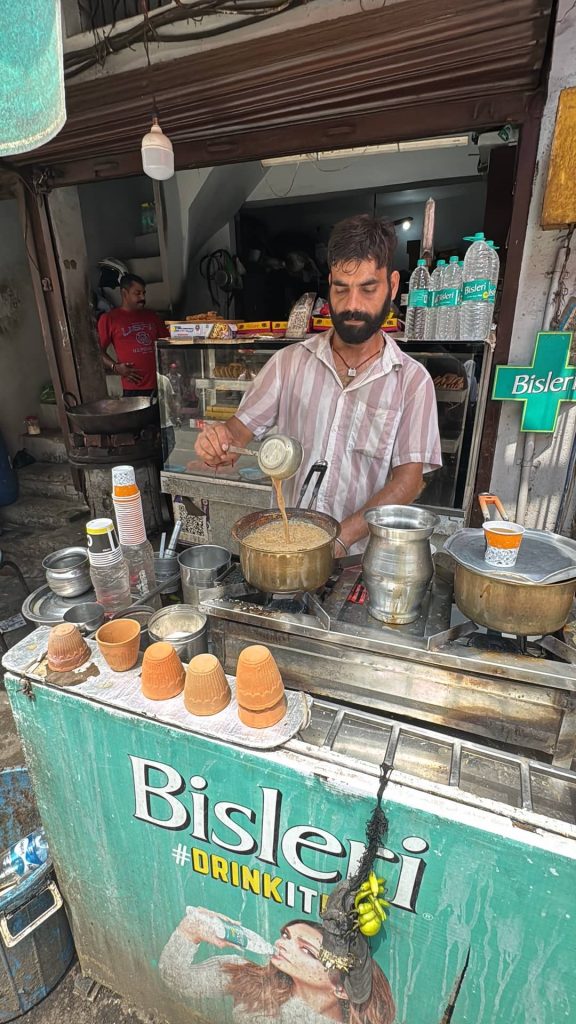
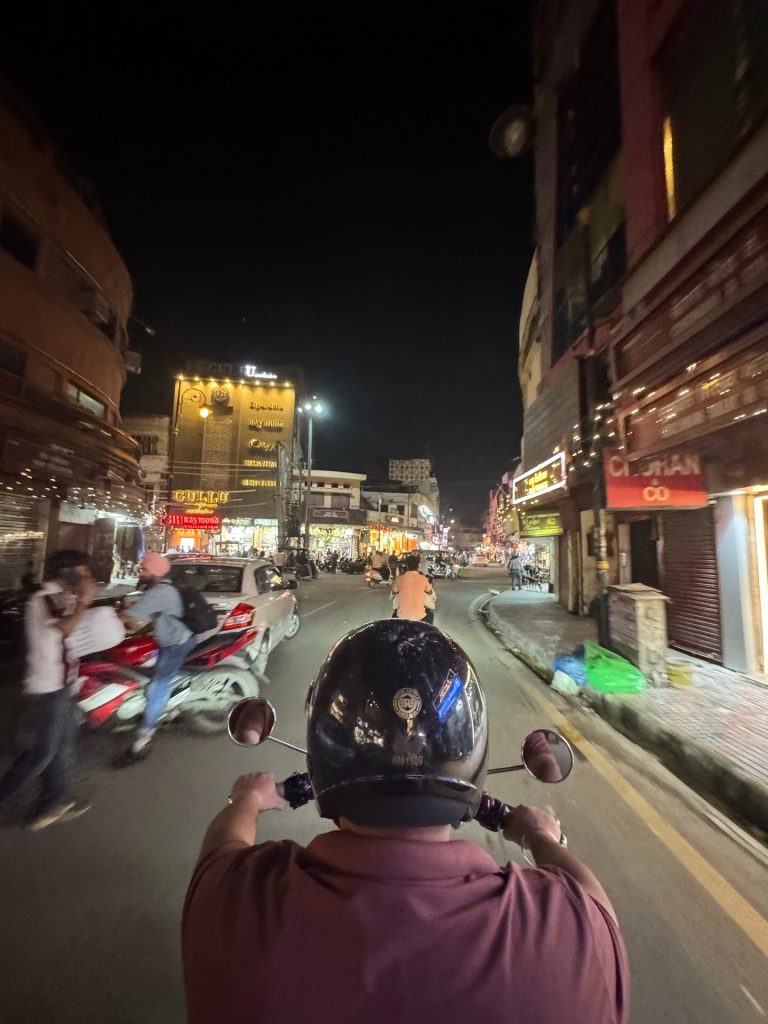
After a well needed nap, I woke up to explore the heart of Sikhism. First stop? Chai. Always a safe bet here because it’s boiled within an inch of its life. Sweet, spiced, and exactly what I needed.
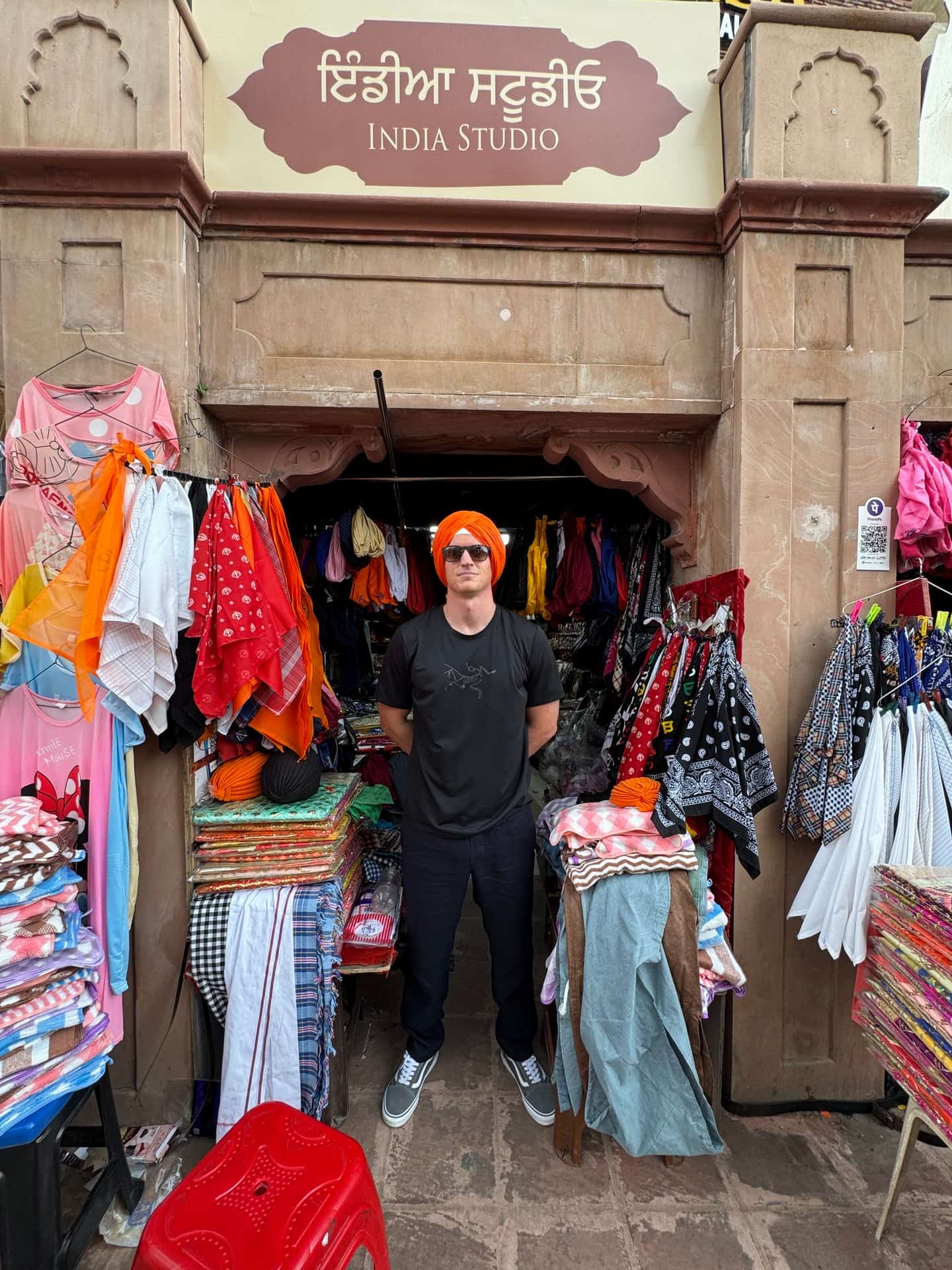
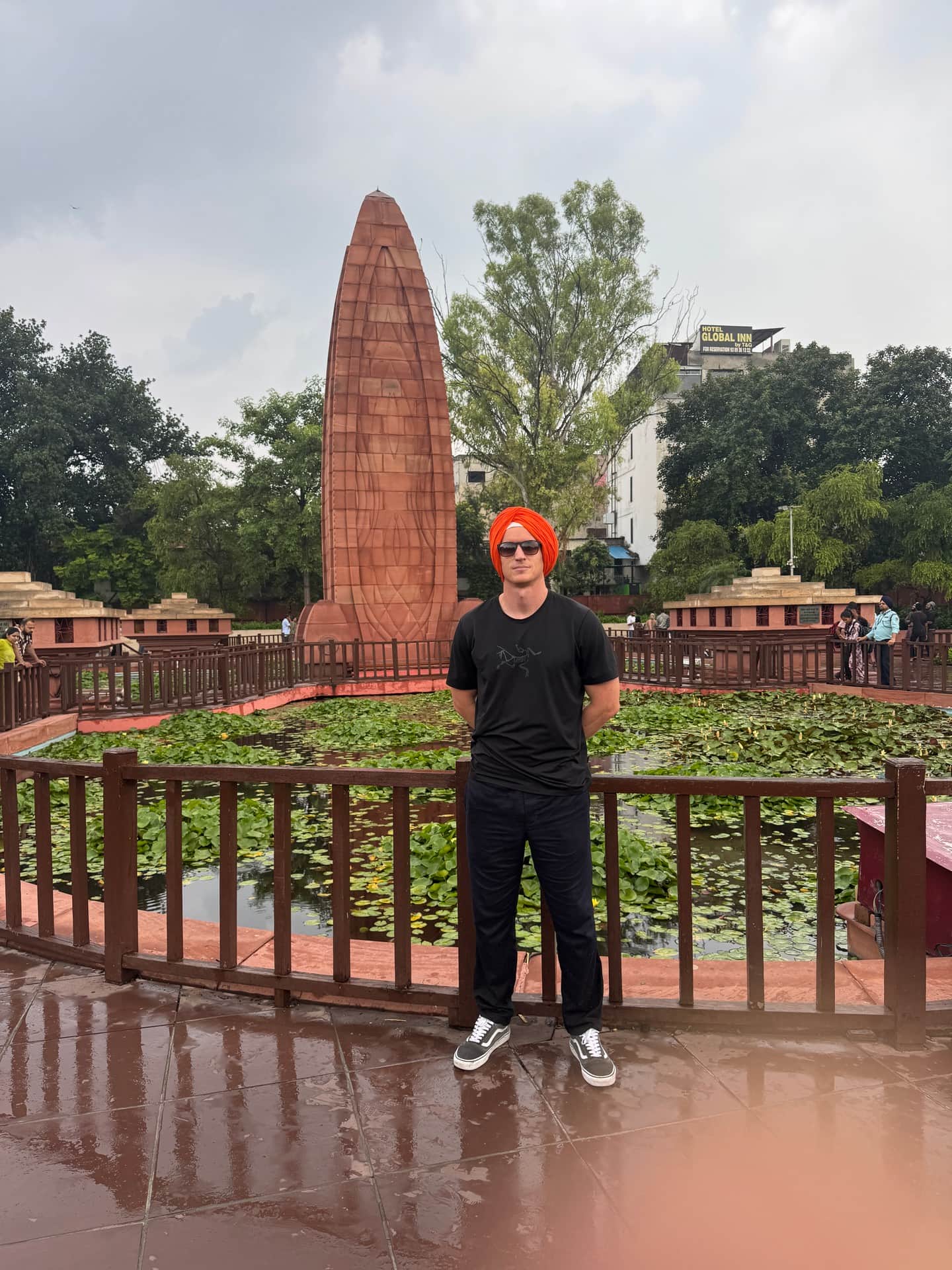
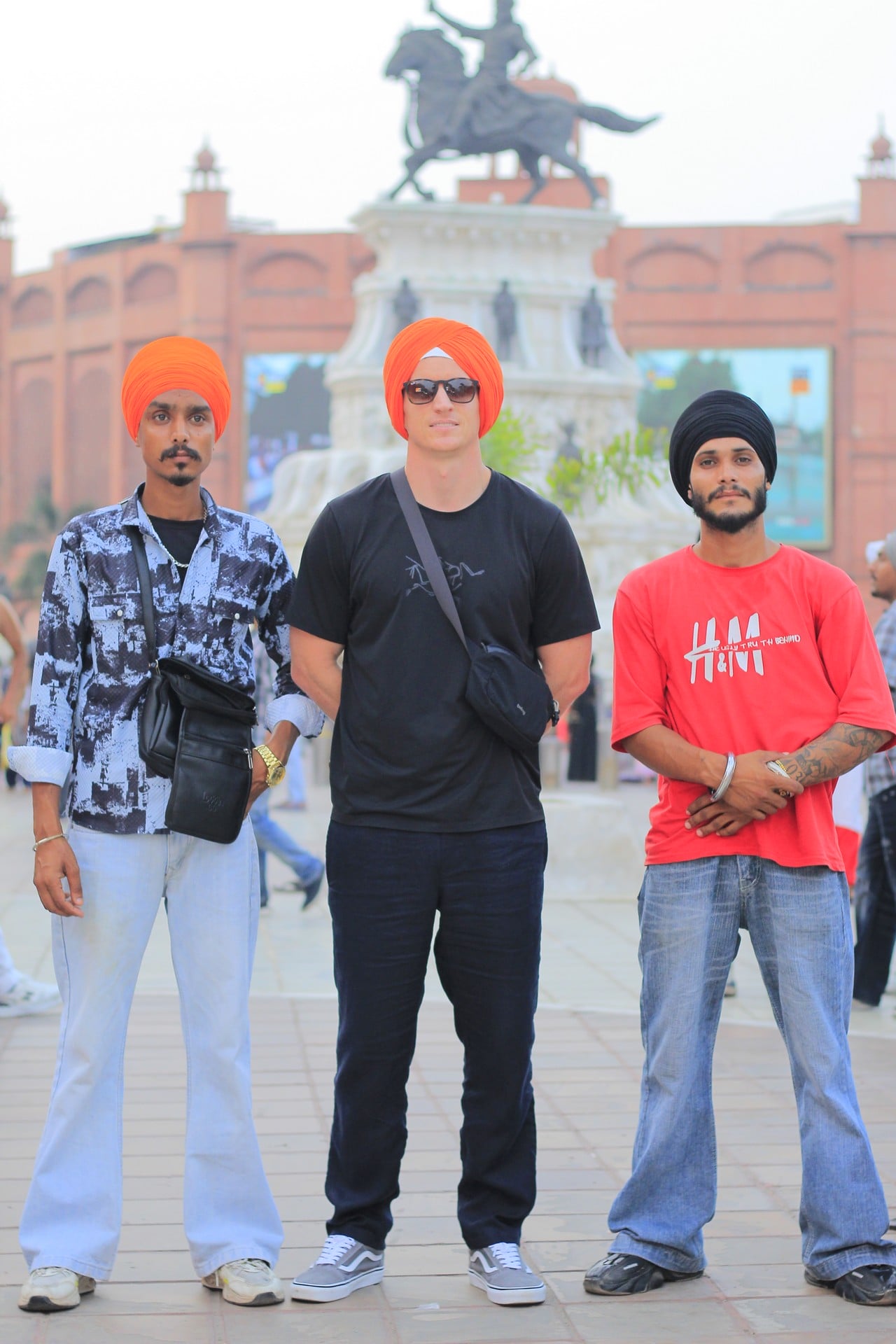
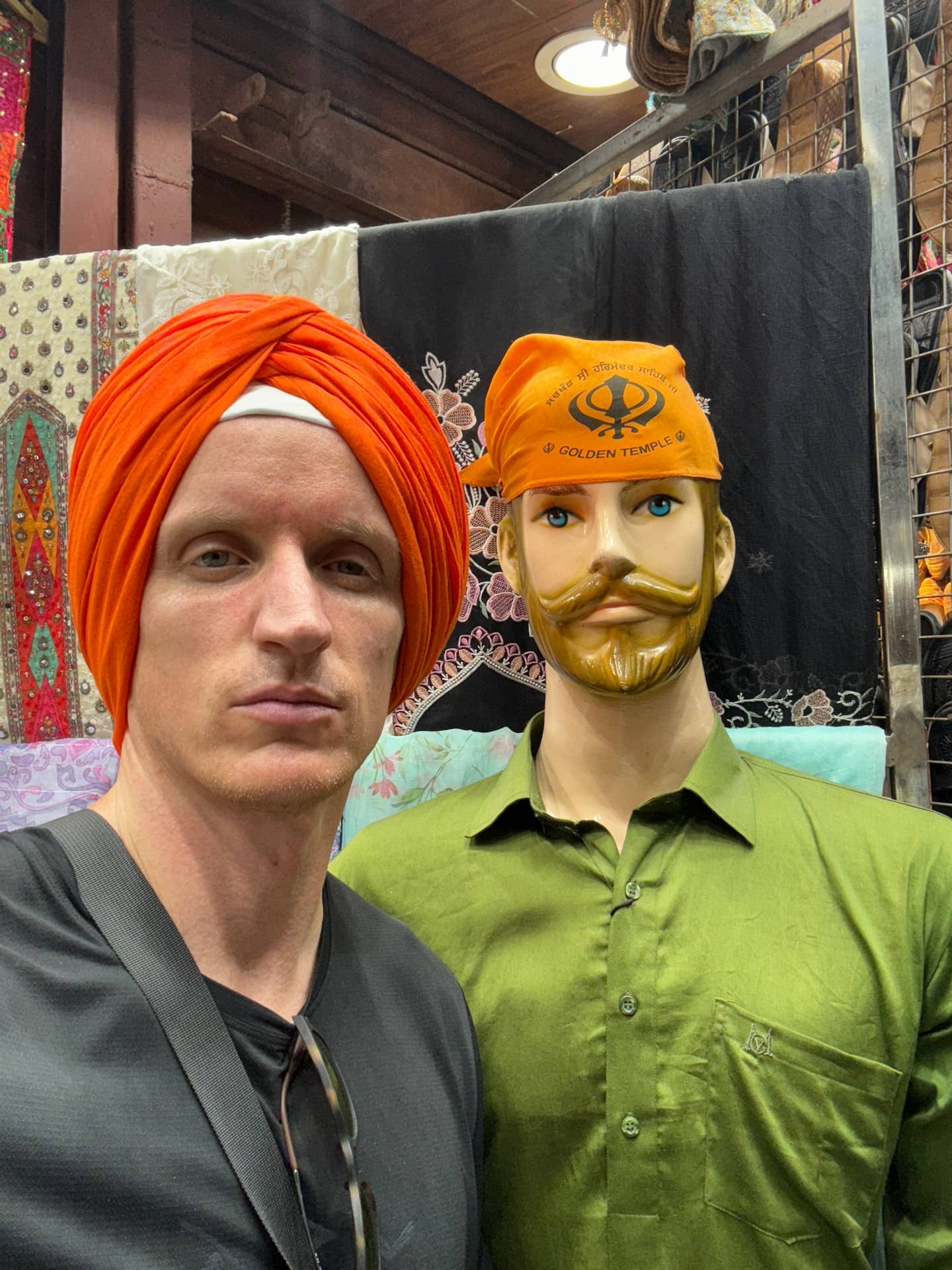
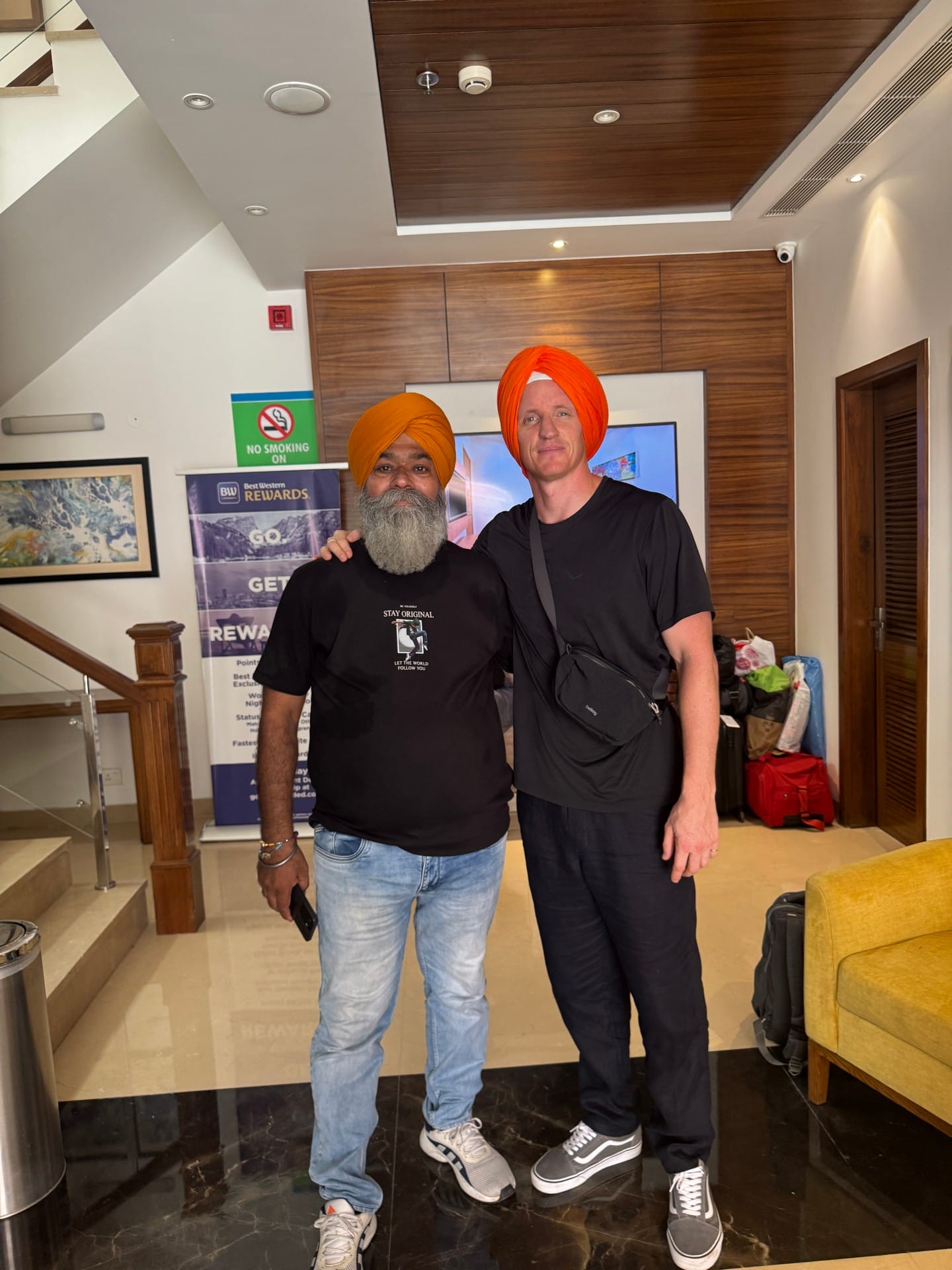
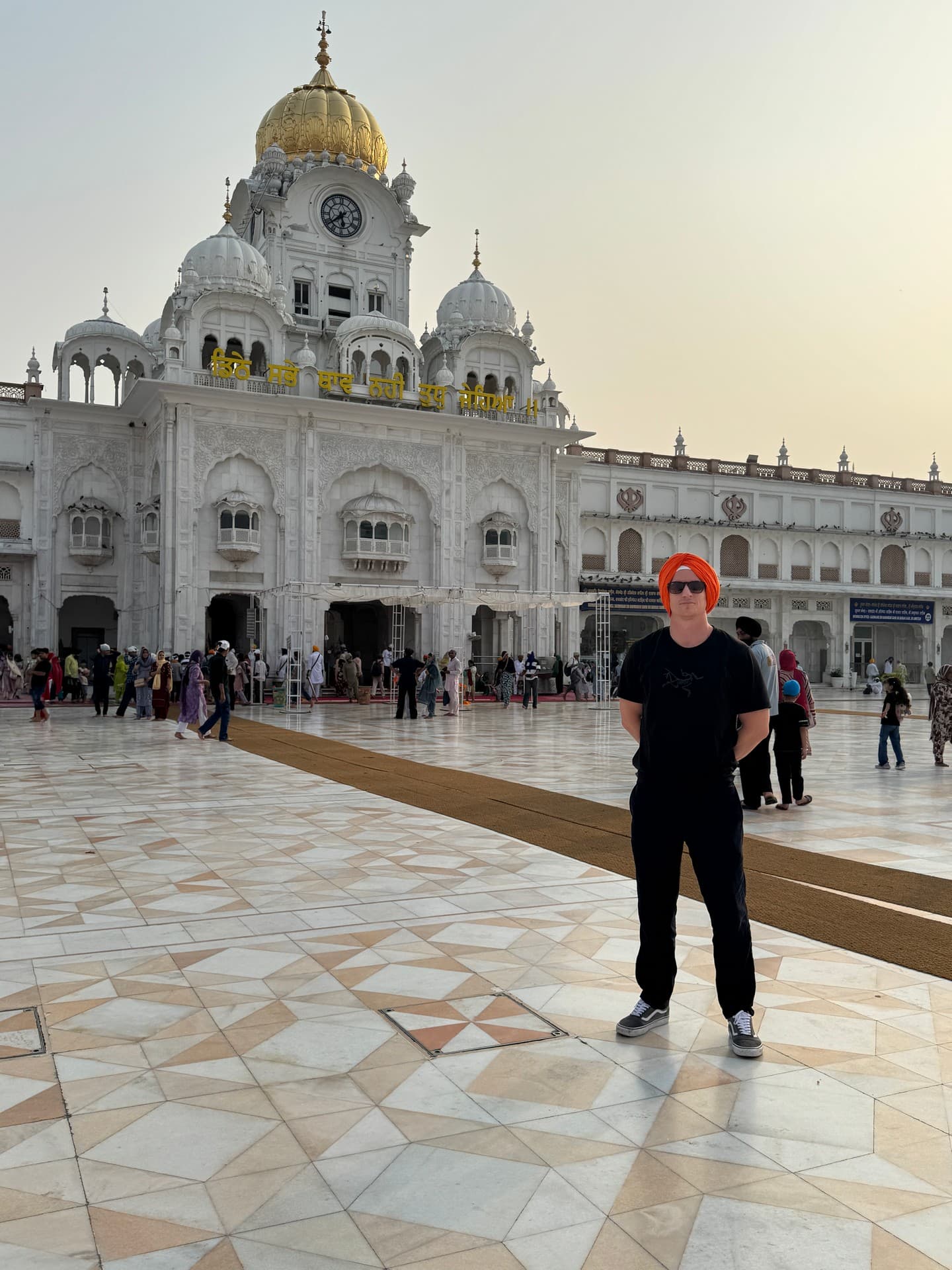
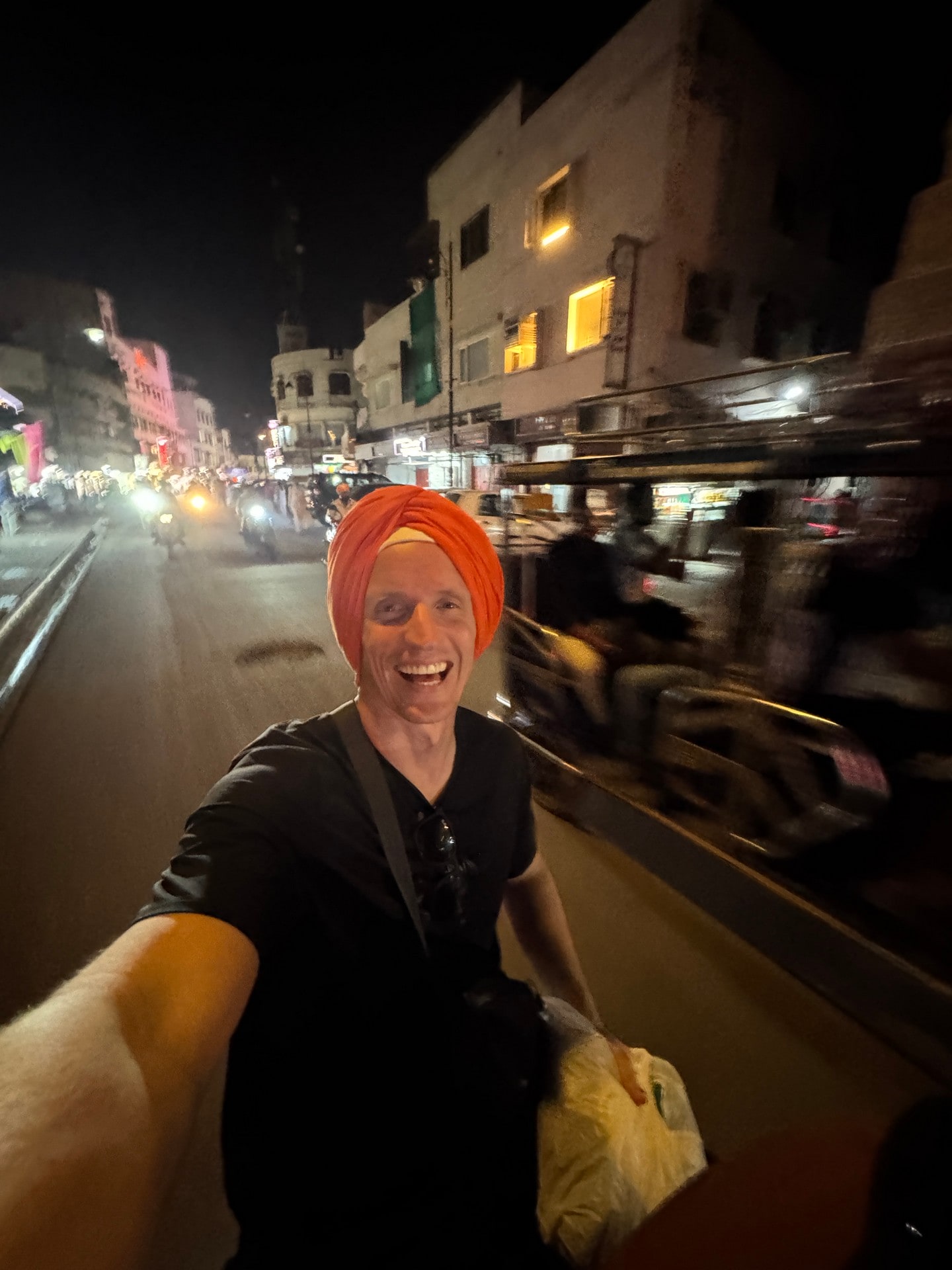
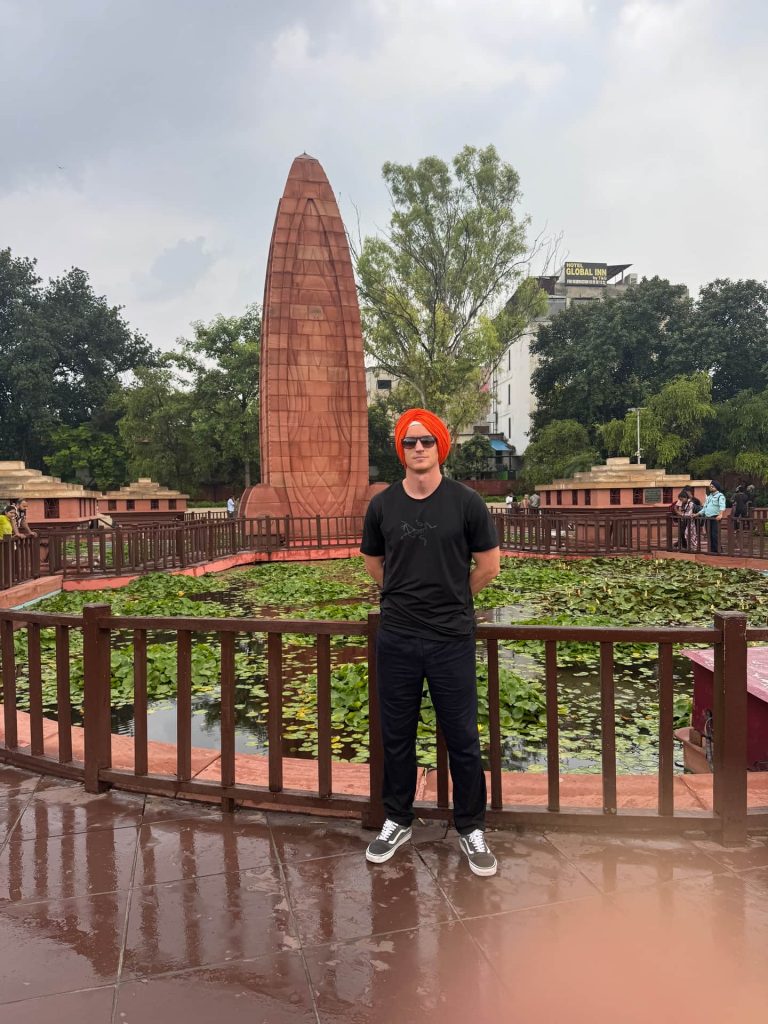
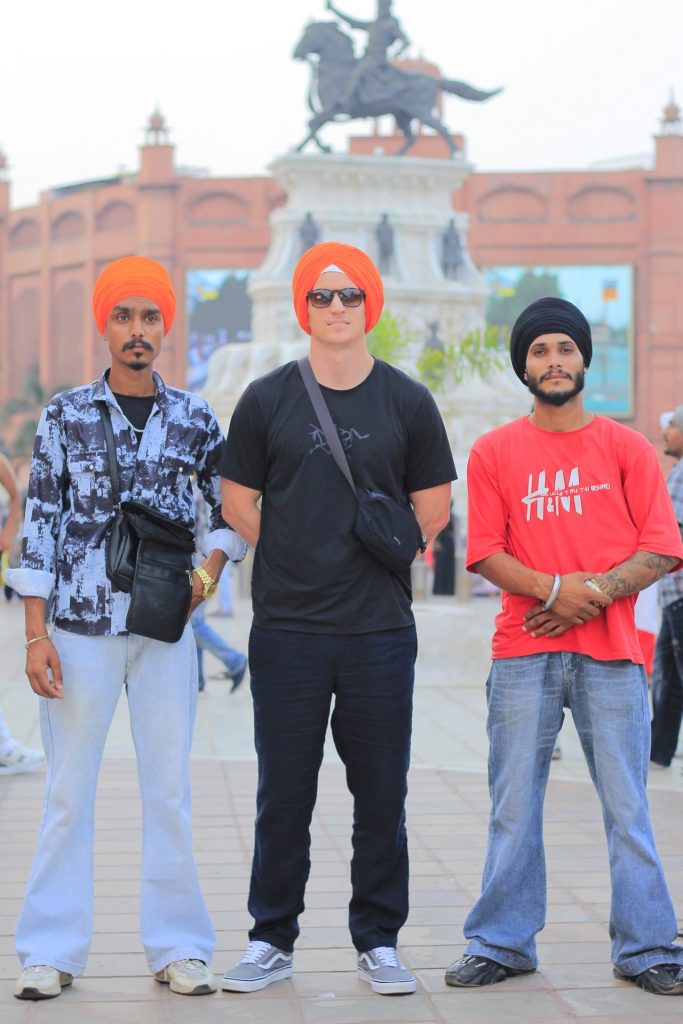
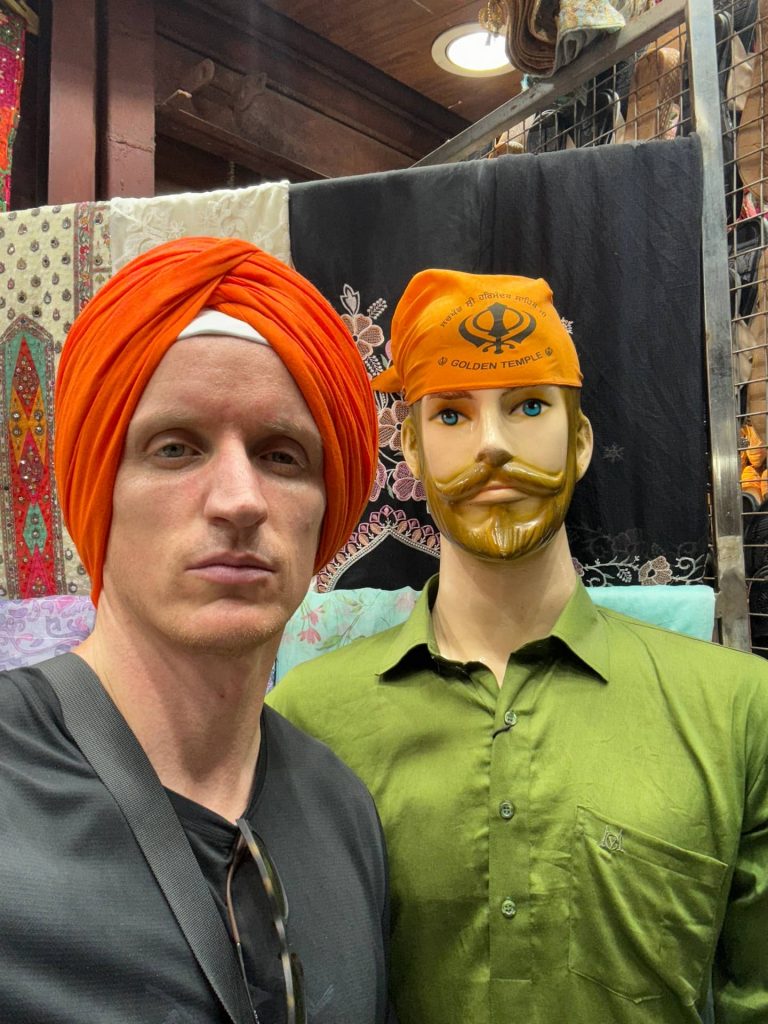
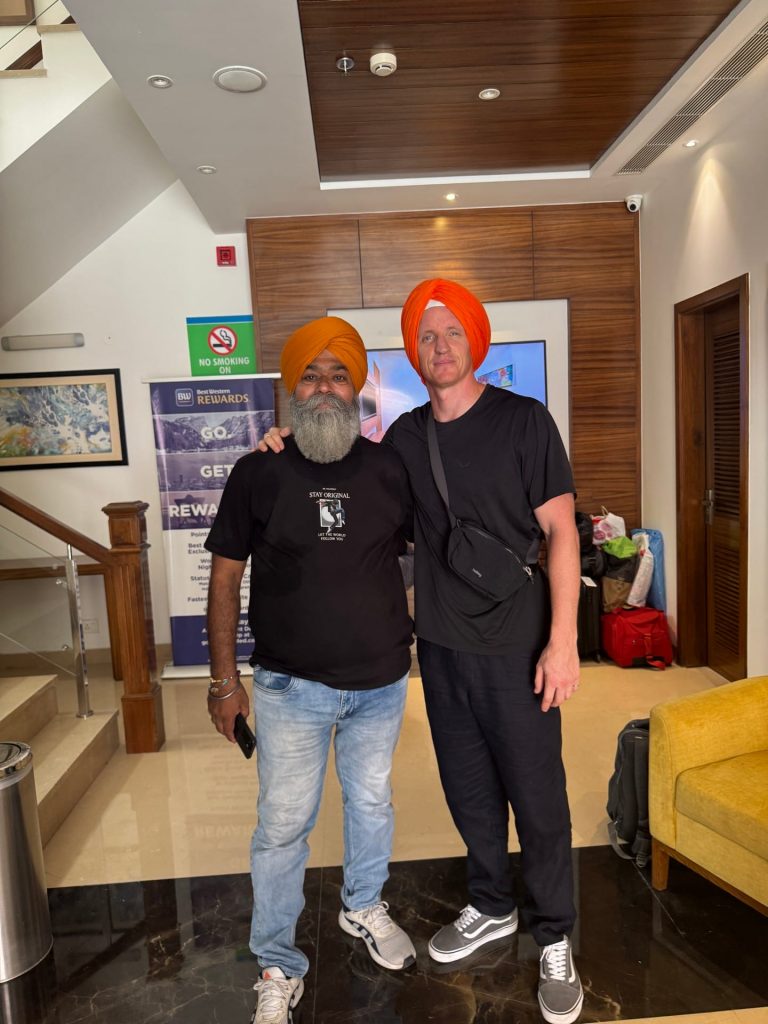
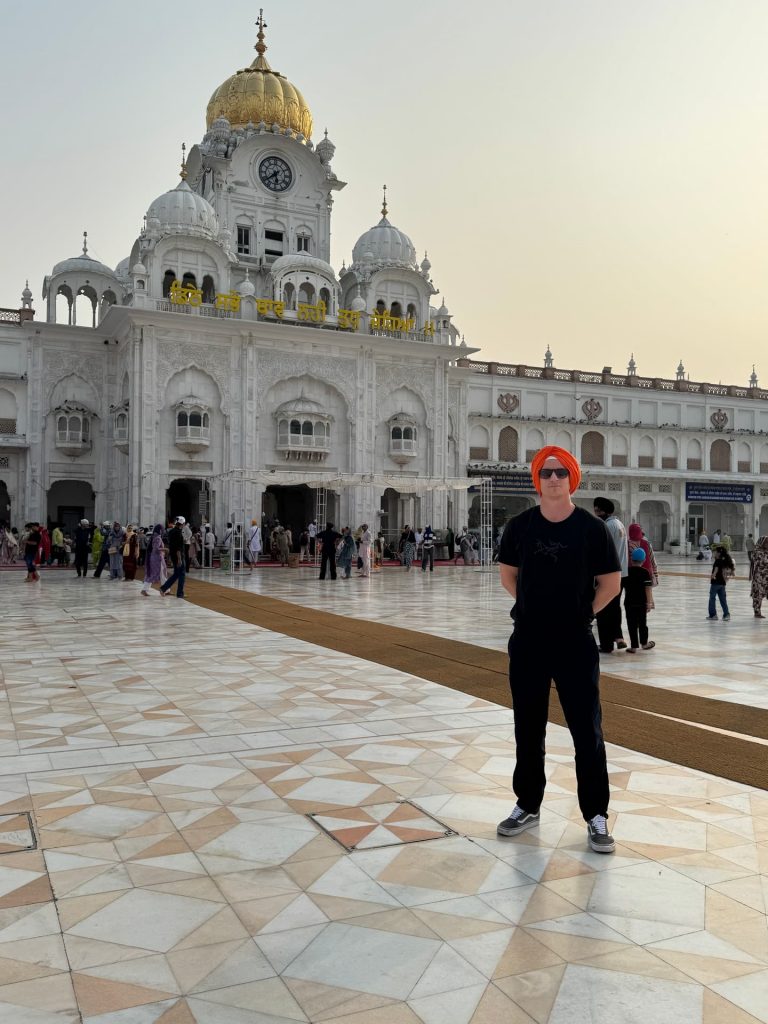
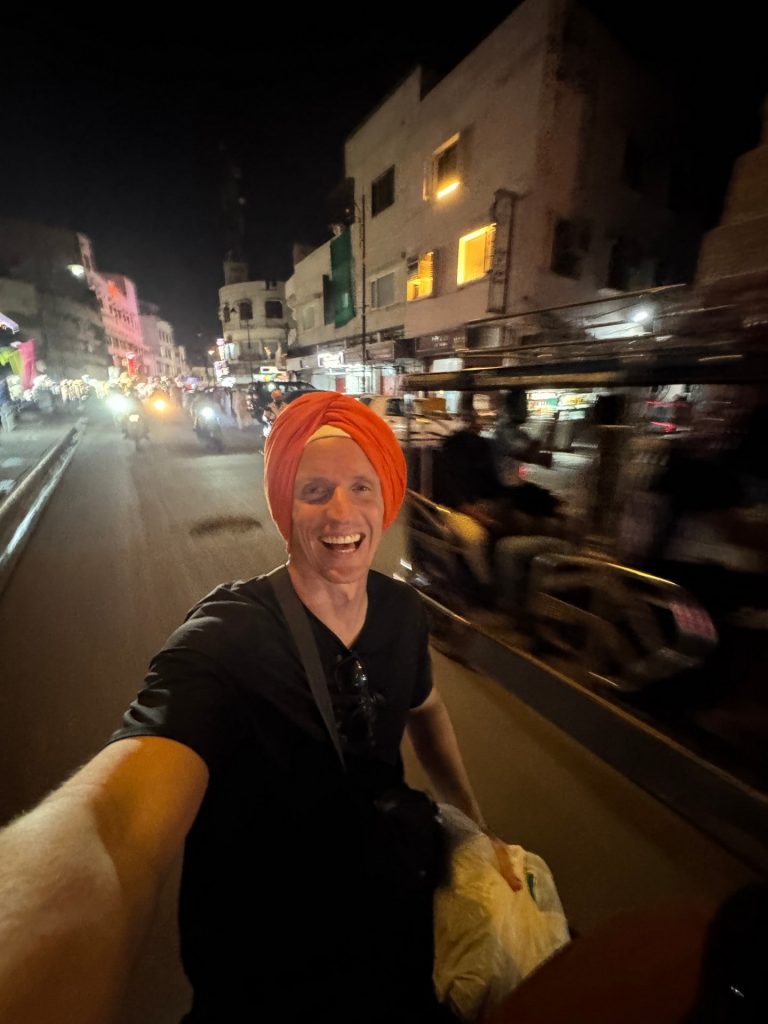
But to really blend in, I needed one thing: a turban and six dollars later, I looked like a proper Sikh. The stares I got before multiplied tenfold — but in India, its all part of the experience.
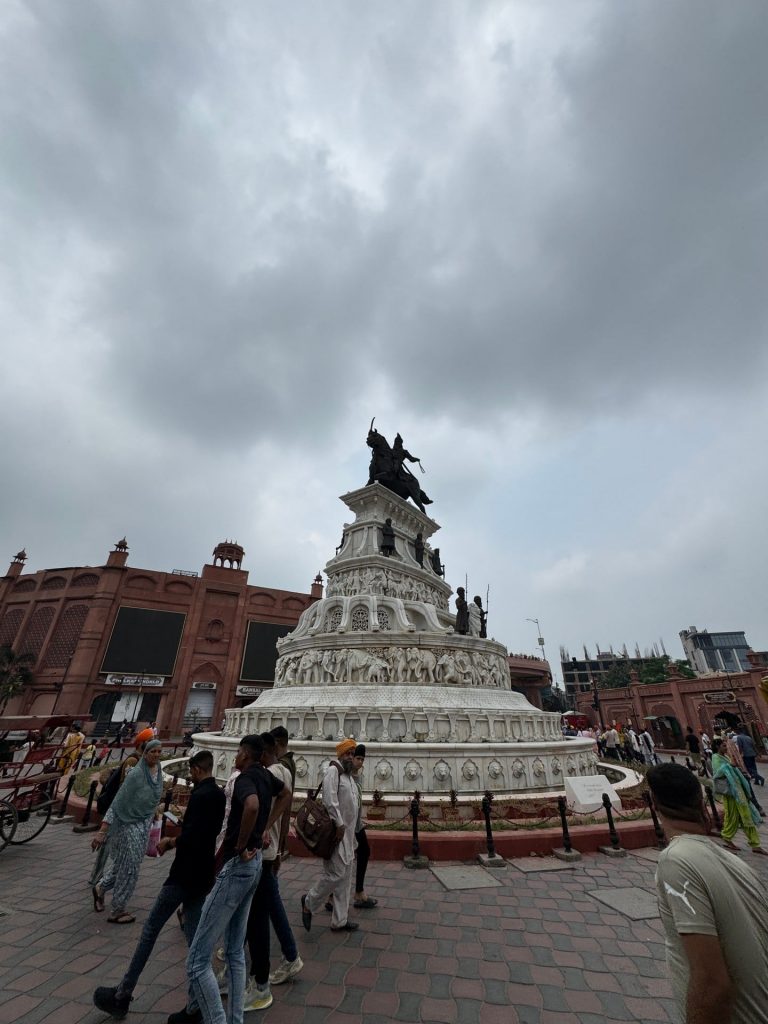
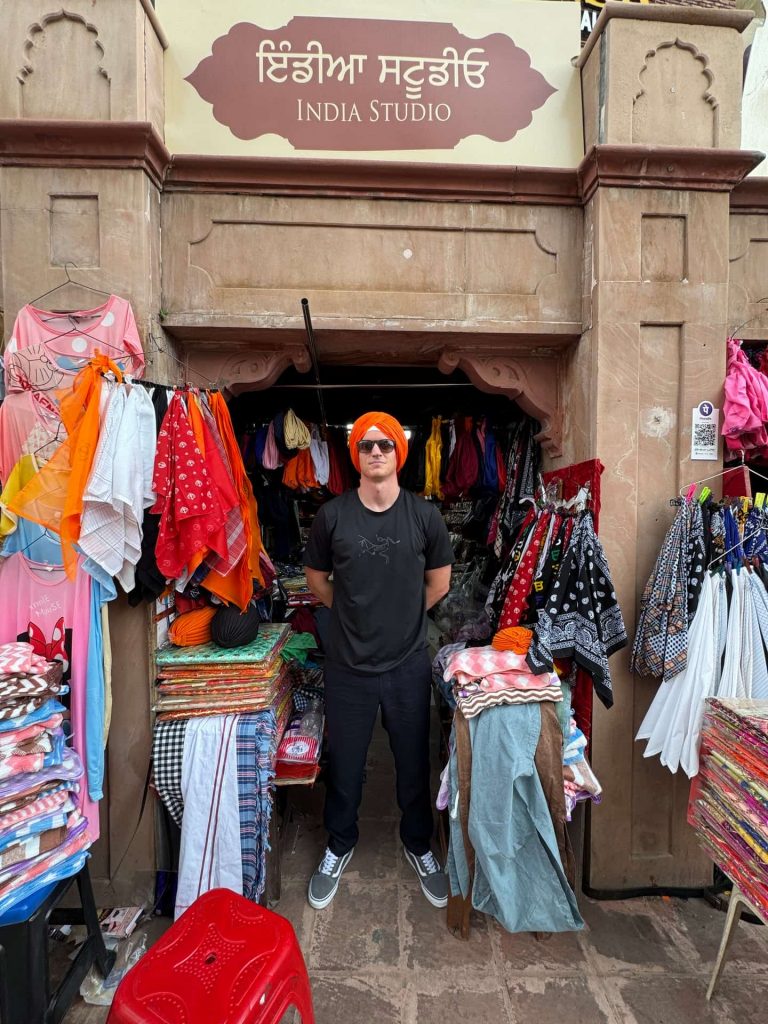
Becoming a Sikh for the Day
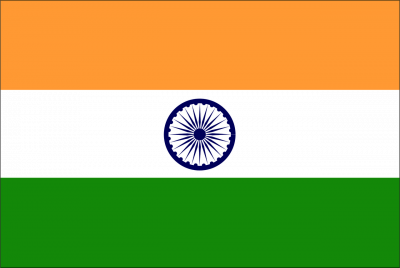
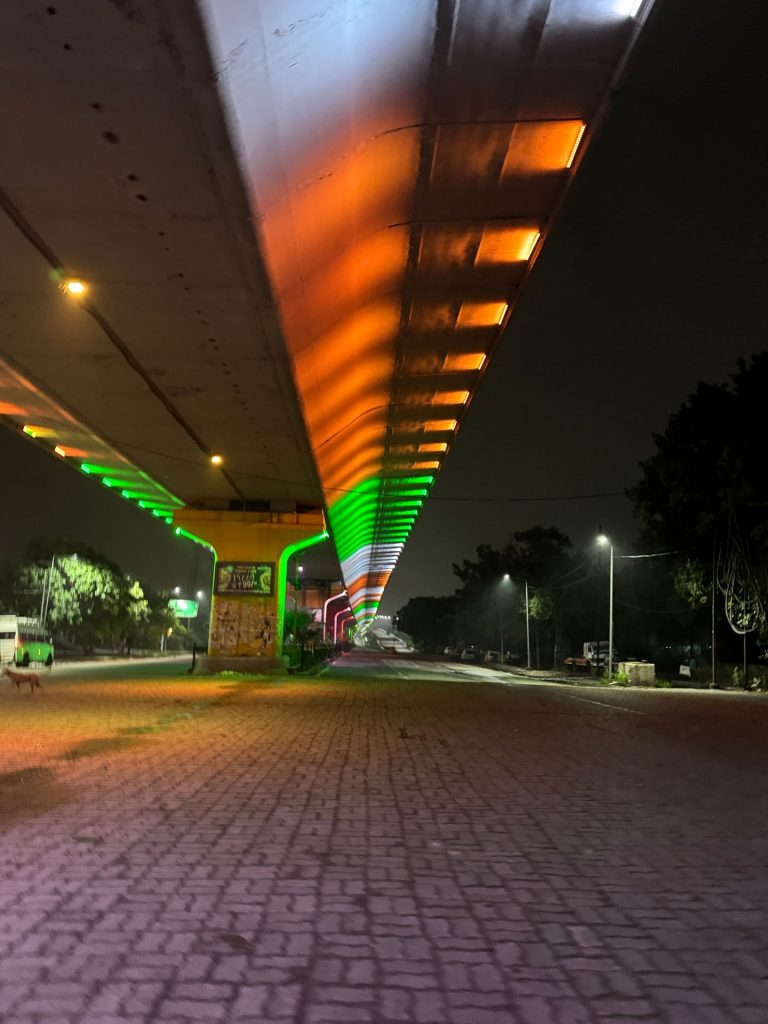
- SAFFRON (top): Stands for courage, sacrifice, and the spirit of renunciation. It reflects strength and the willingness to put the nation above personal gain.
- WHITE (middle): Represents peace, truth, and honesty. It’s meant to keep the country on a moral and just path.
- GREEN (bottom): Symbolizes fertility, life, prosperity, and the relationship between humans and nature.
- ASHOKA CHAKRA: Taken from the Lion Capital of Ashoka at Sarnath. Represents the eternal wheel of law (Dharma Chakra) and constant motion — India should never stagnate. The 24 spokes are said to represent the 24 hours of the day, reminding citizens to move forward constantly in righteousness.
JALLIANWALA BAGH MASSACRE
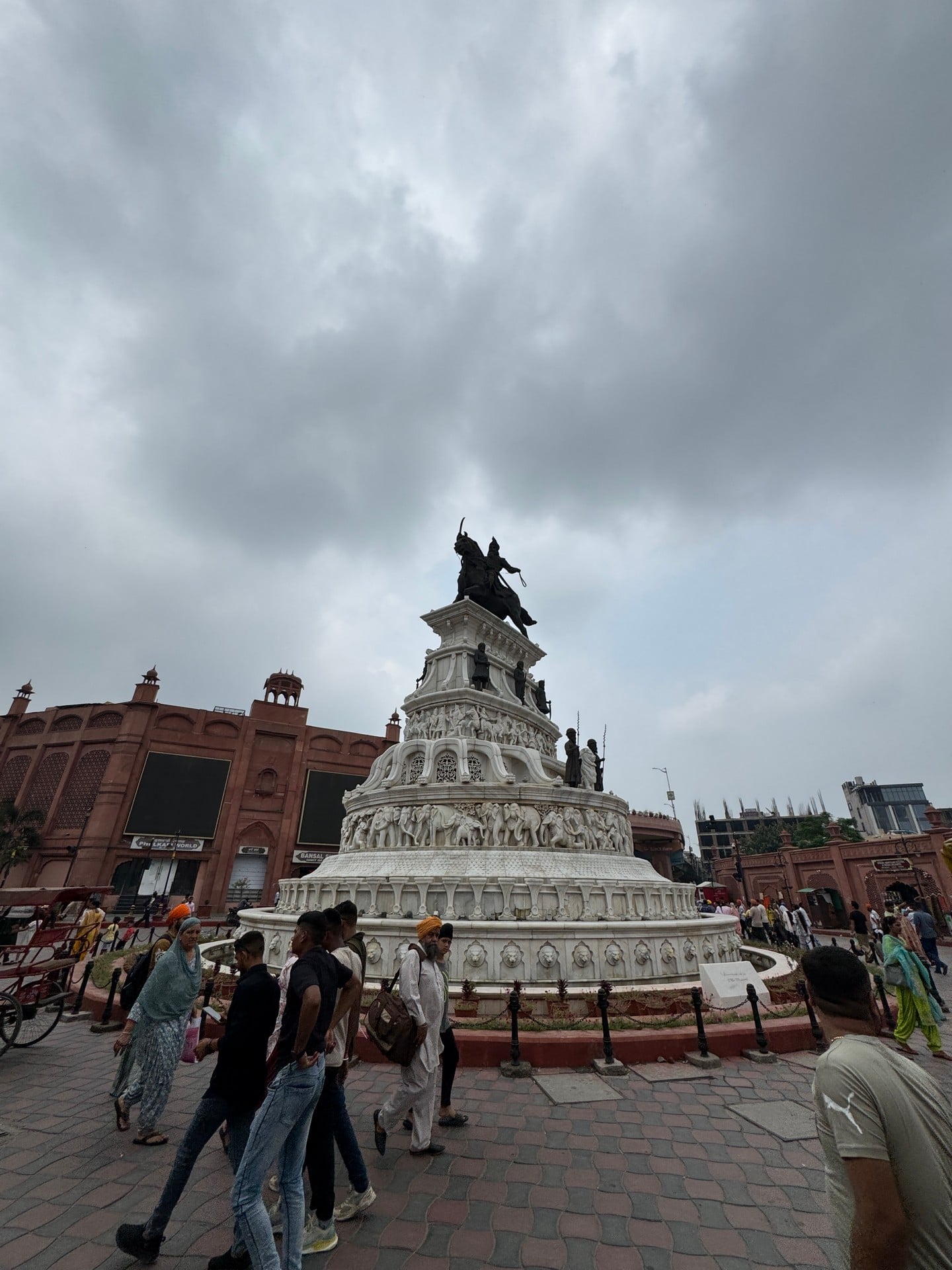
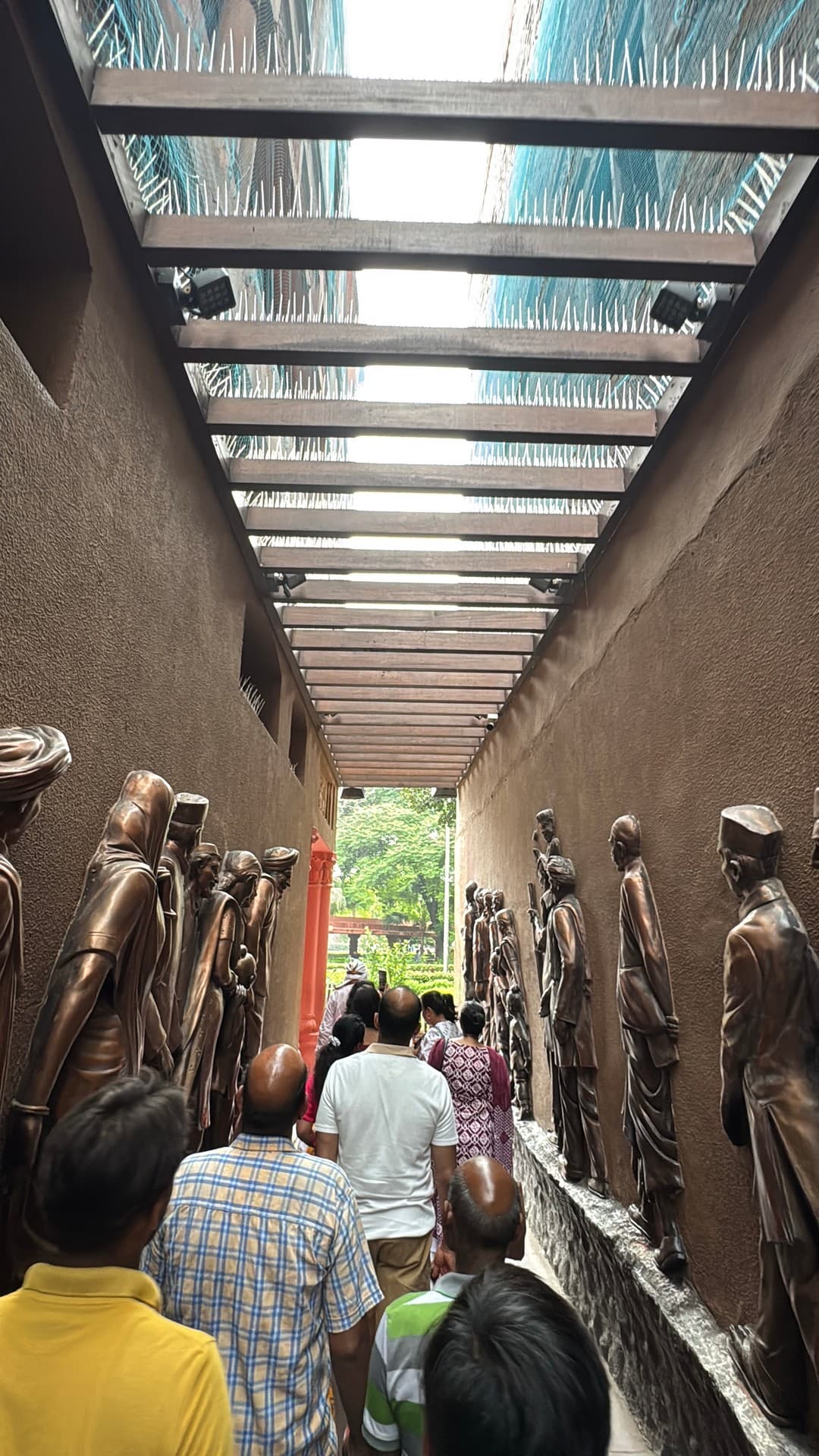
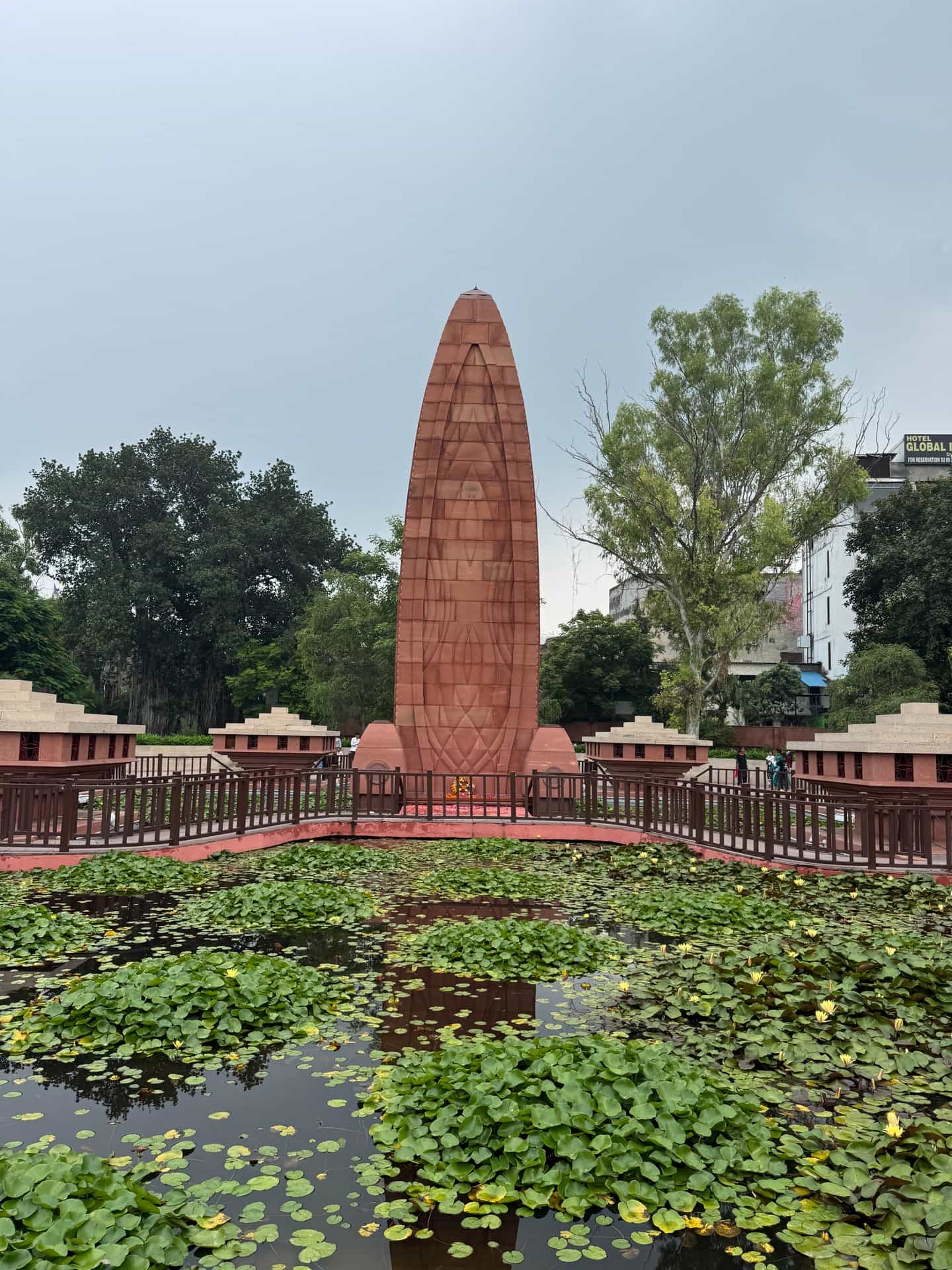
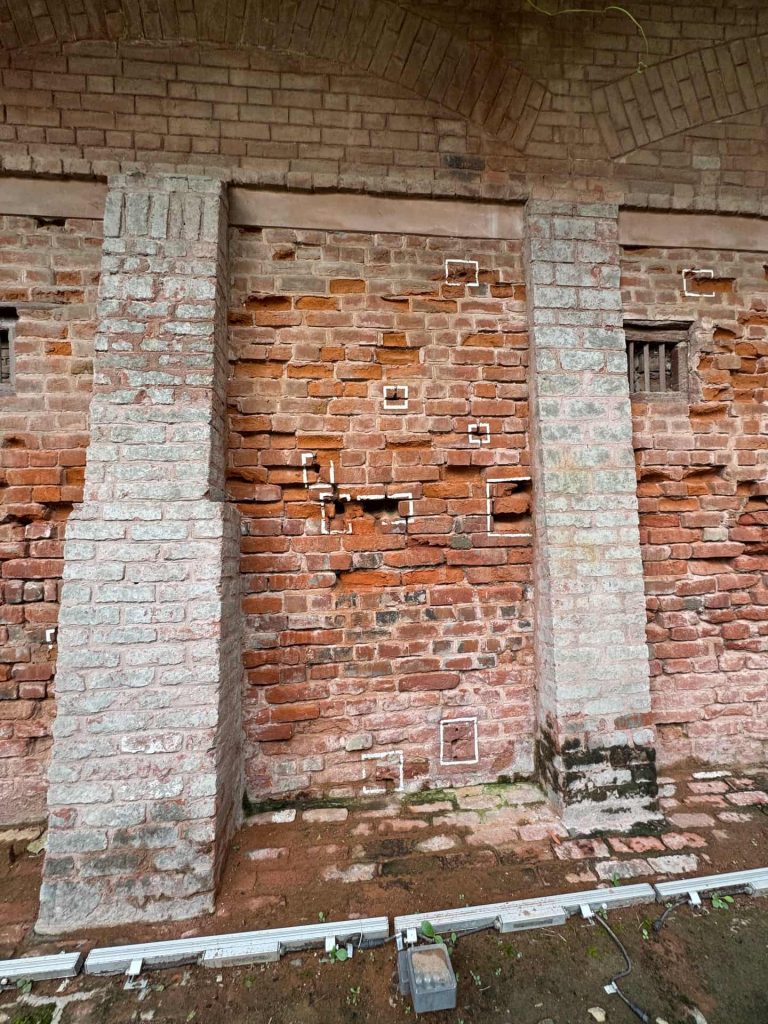
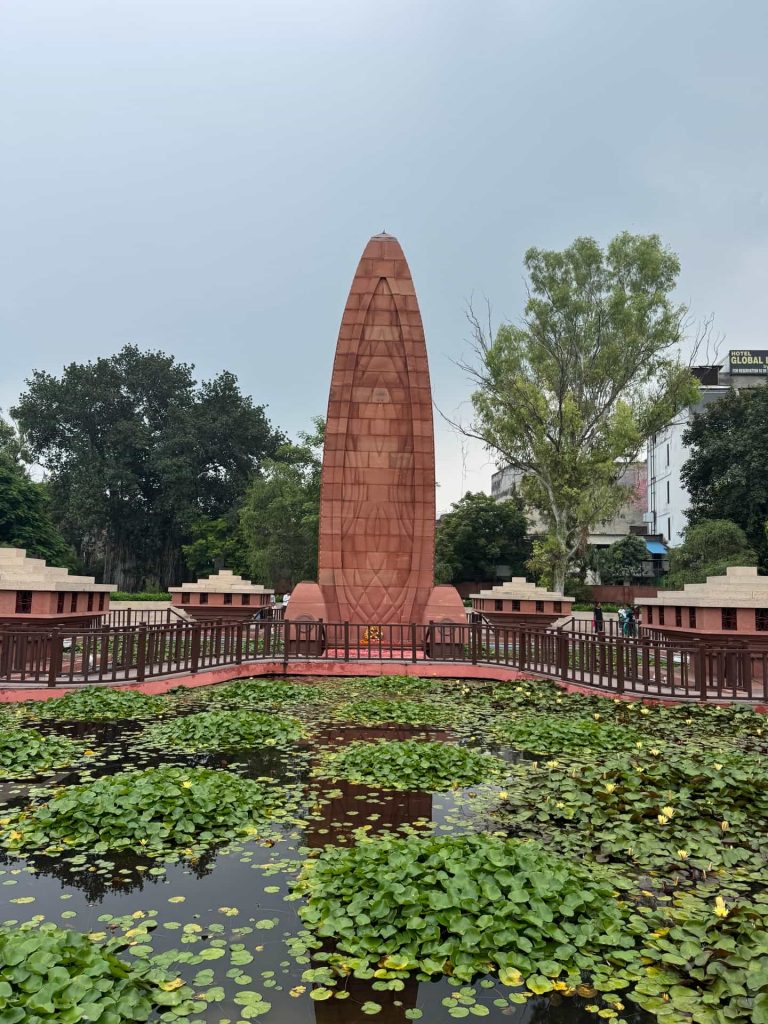
It would have felt wrong to skip the Jallianwala Bagh Monument. In 1919, thousands of Indians gathered here peacefully to protest British rule. High walls blocked the exits, and British troops opened fire, killing hundreds of unarmed men, women, and children.
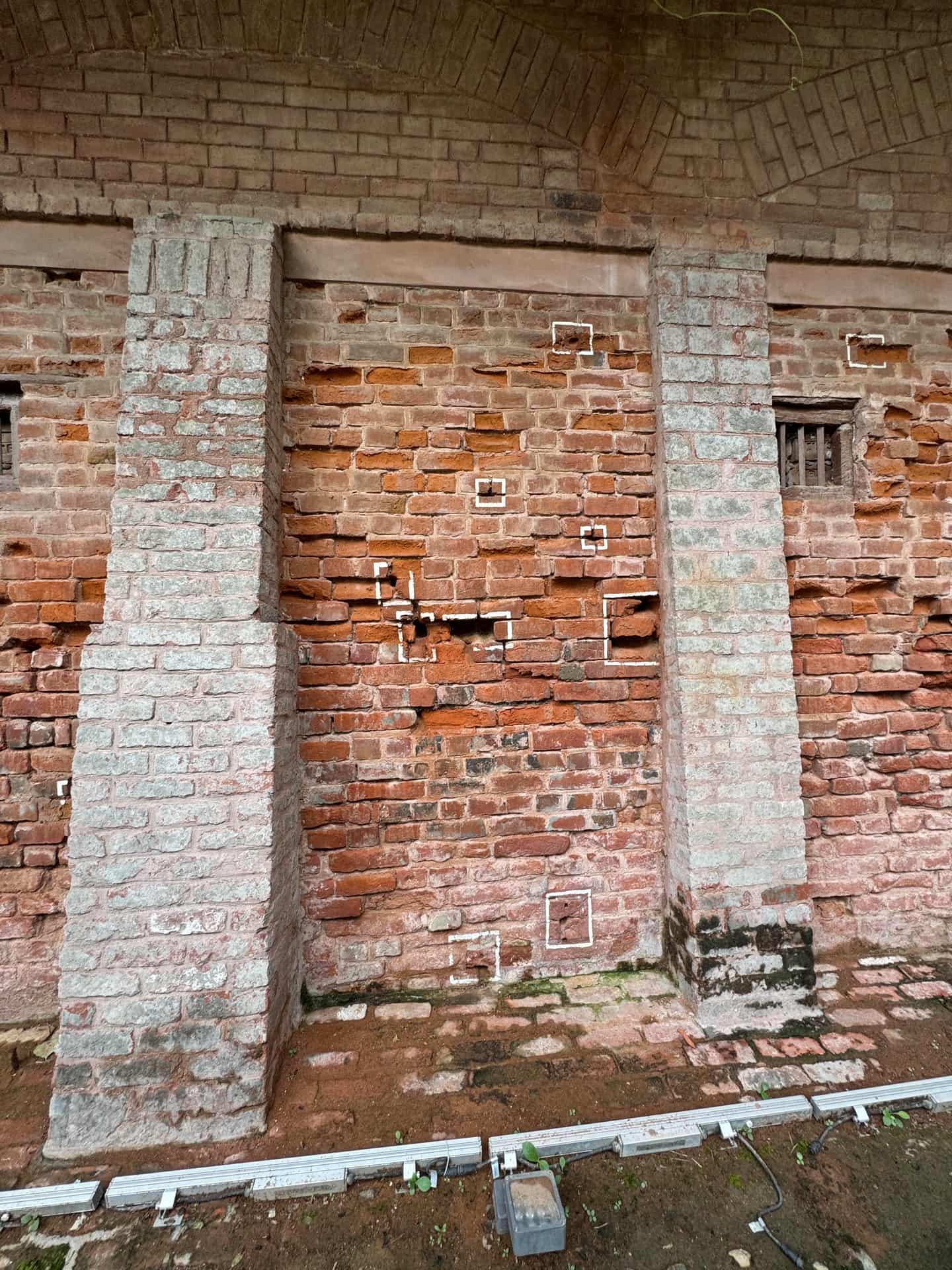
Bullet holes still remain on the walls and paradoxically it was one of the nicest places in the city.
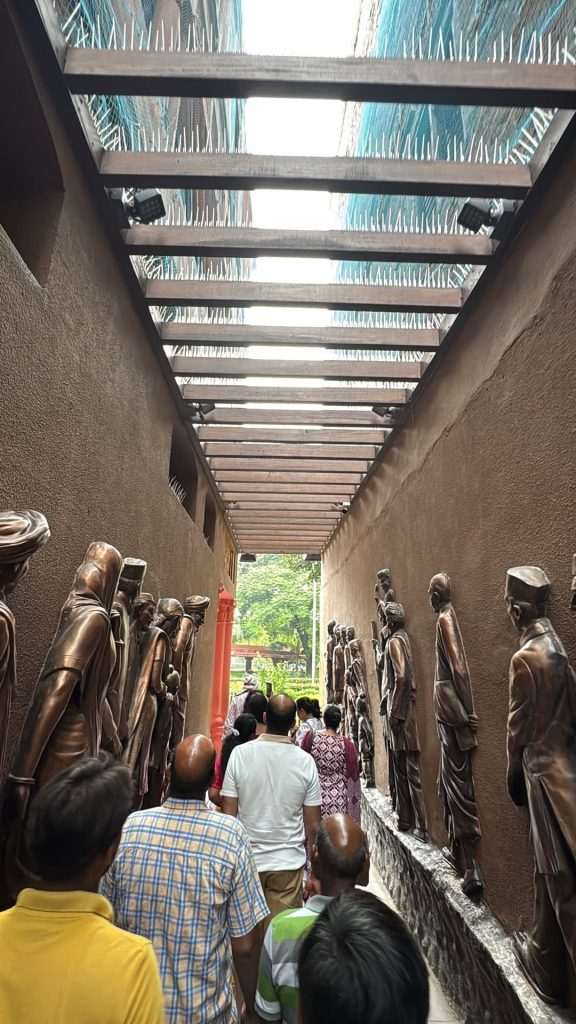
Becoming a Sikh for the Day
AMRITSAR FACTS:
-
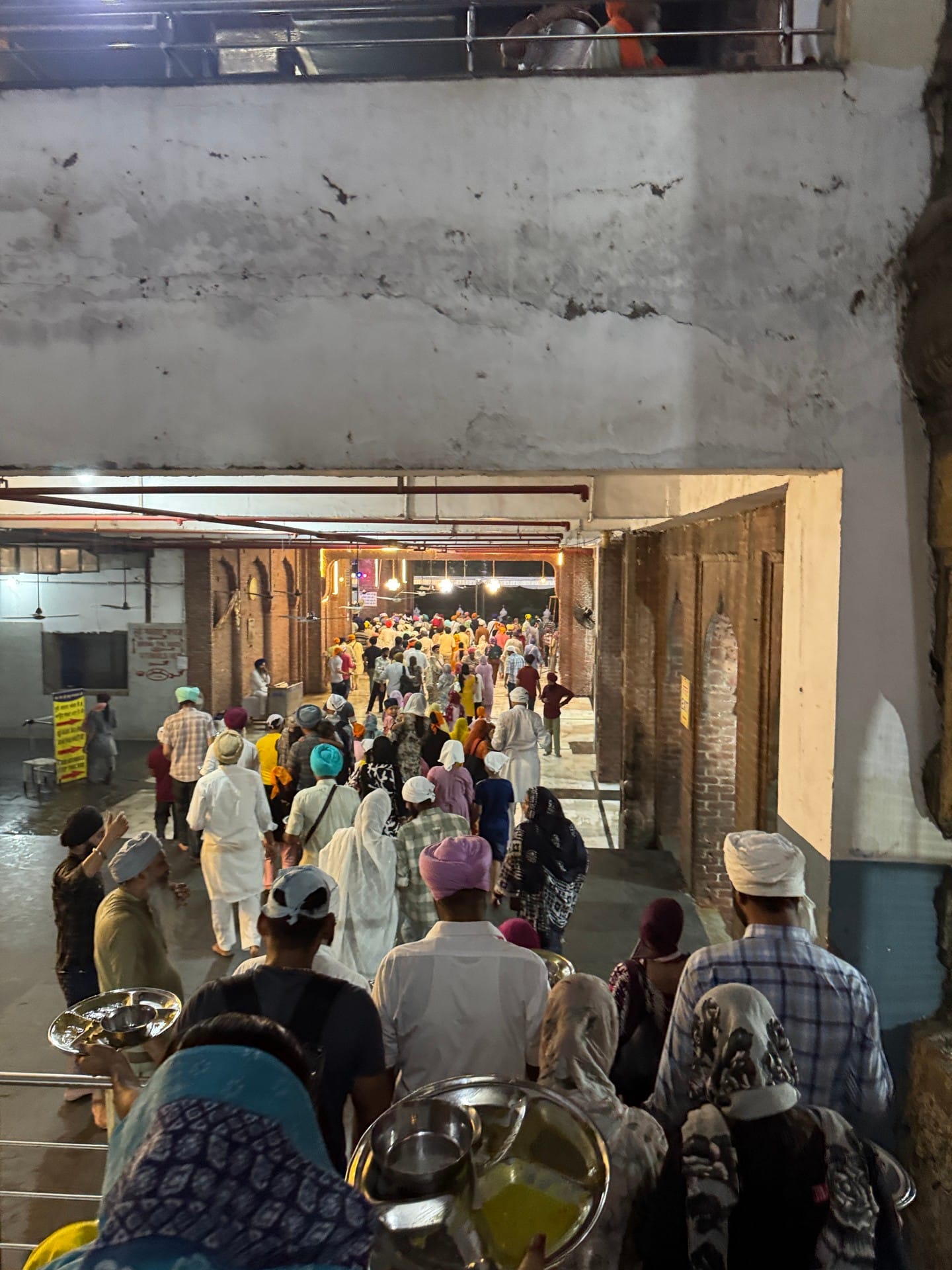
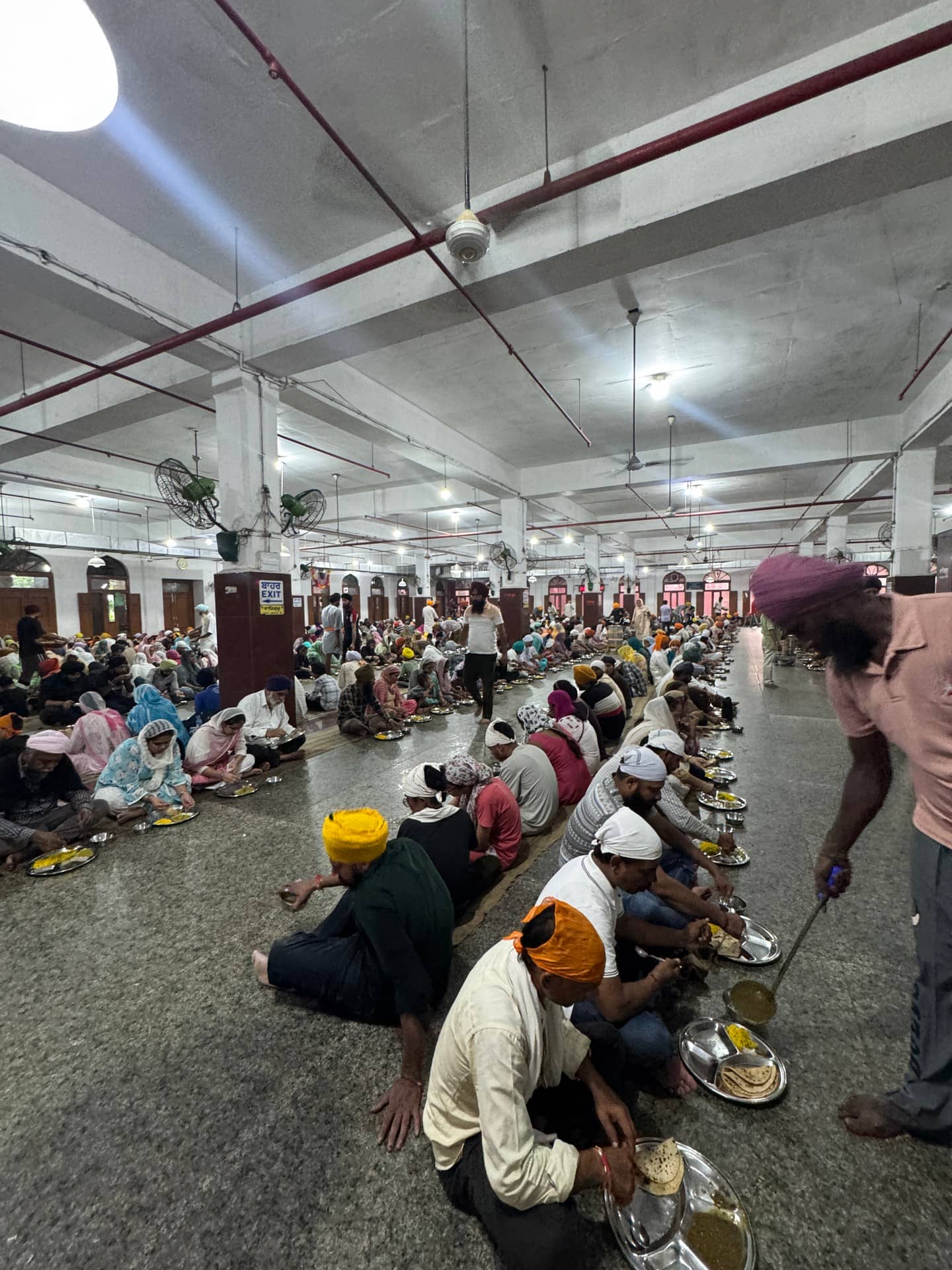
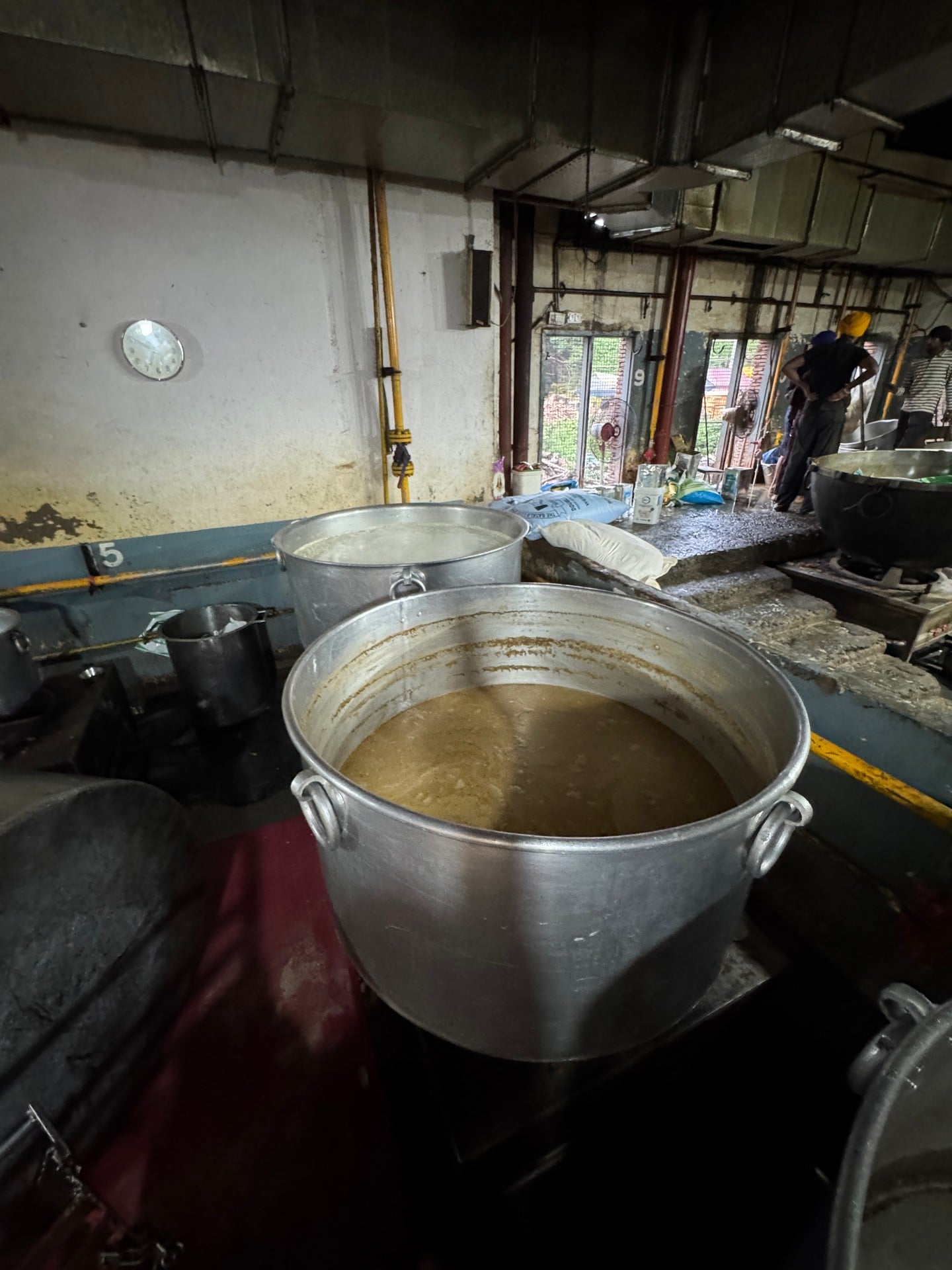
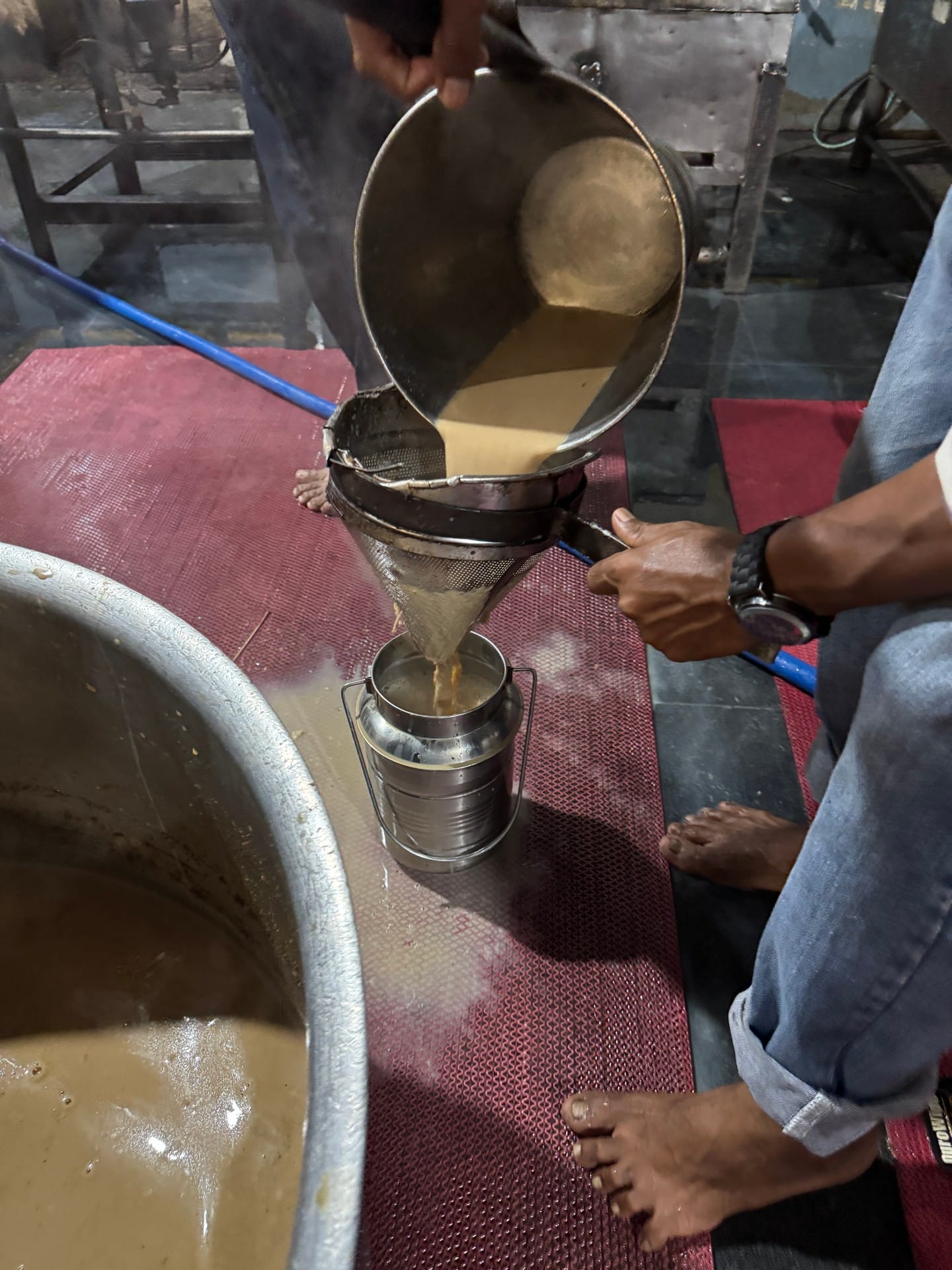
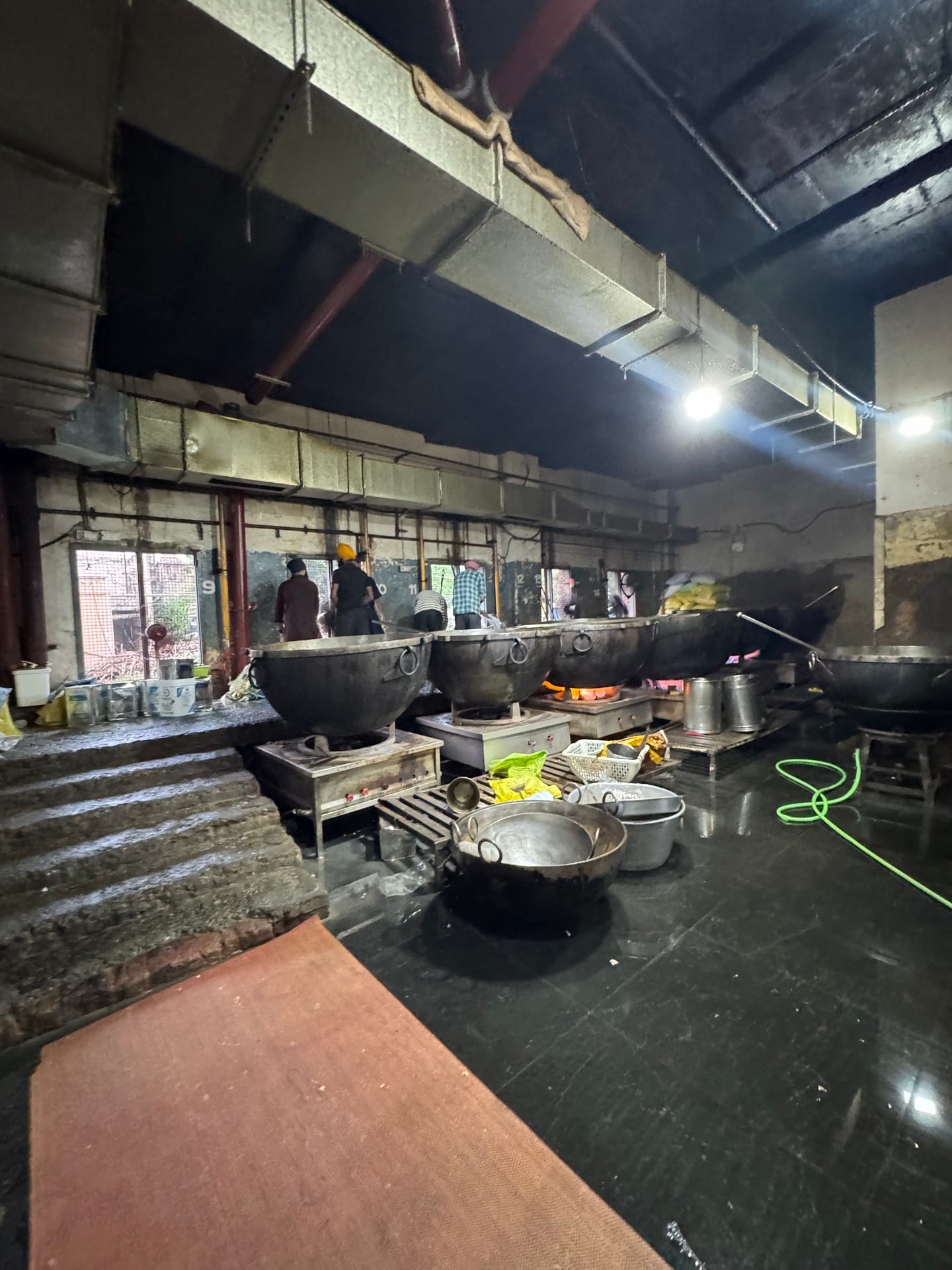
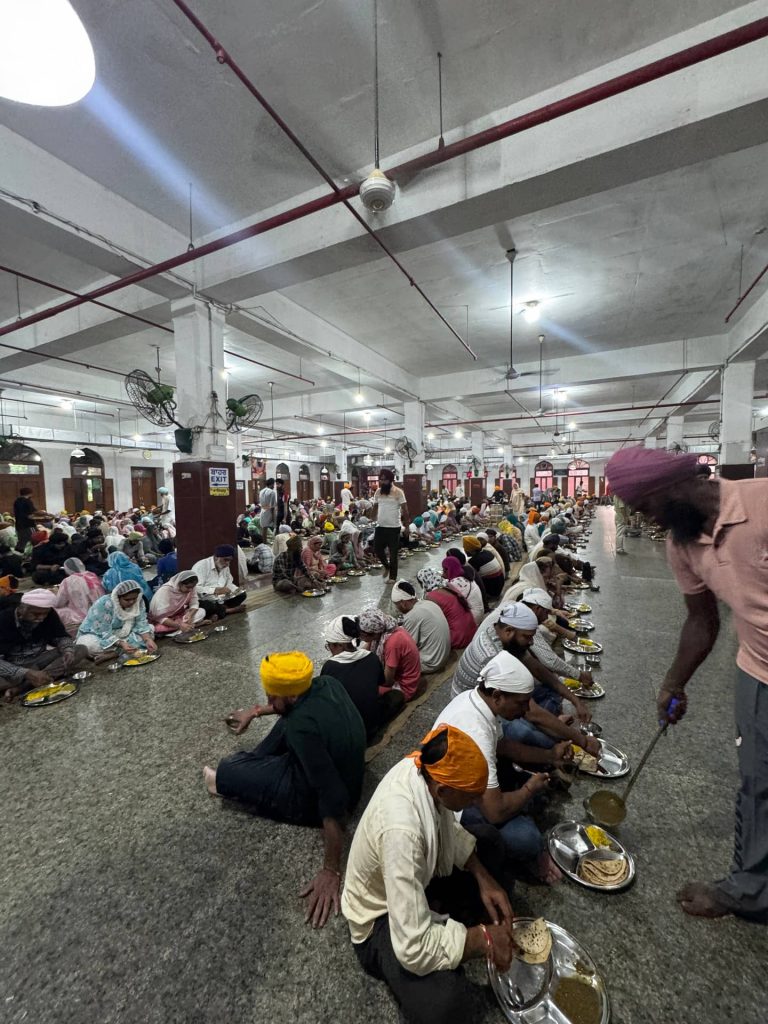
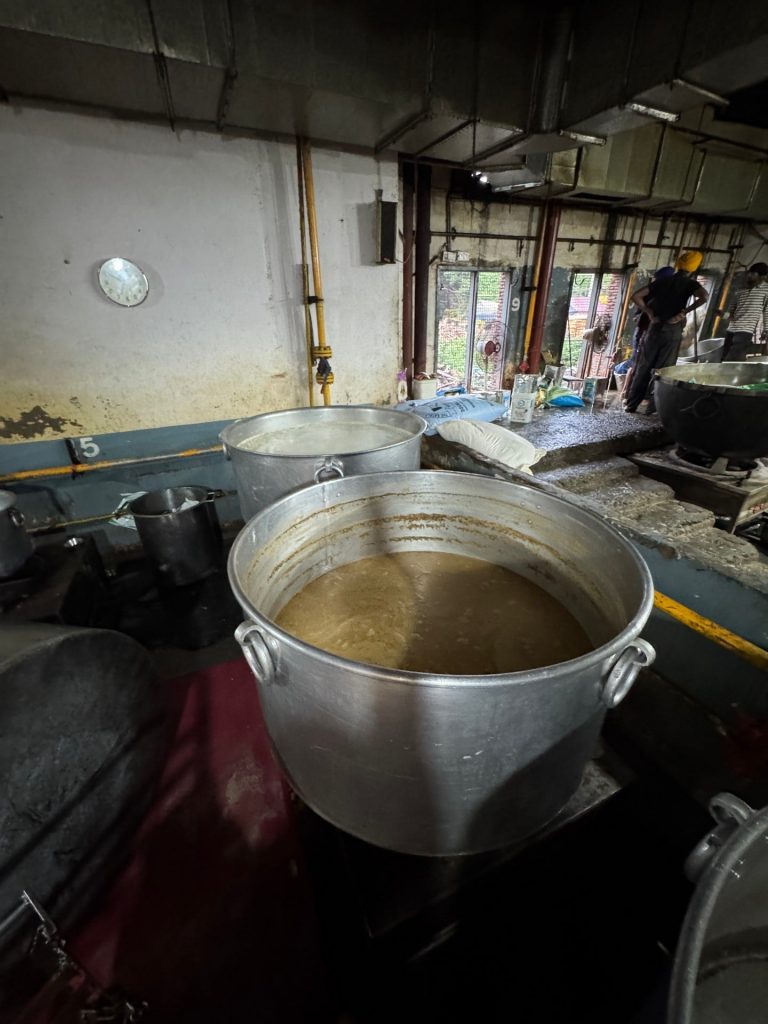
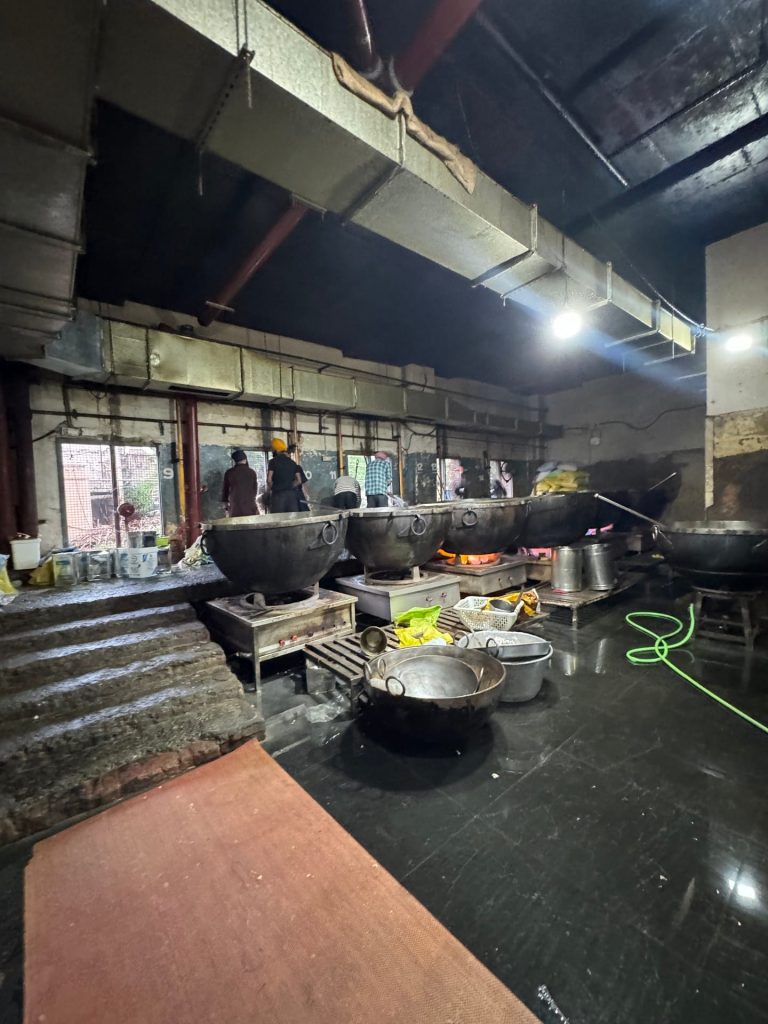
The World’s Largest Free Kitchen – The Golden Temple’s langar serves over 100,000 free meals a day to anyone, regardless of religion, caste, or background. On big festival days, that number shoots past half a million, making it the largest community kitchen on Earth.
-
Most Bloodshed in a Single Square in British India – Jallianwala Bagh is the site of the 1919 massacre, when British troops opened fire on peaceful protesters, killing hundreds. It’s remembered as one of the darkest and deadliest days of colonial rule in India.
-
The World’s Most Theatrical Border Ceremony – Just outside Amritsar is the Wagah Border, where India and Pakistan’s soldiers face off in what is often called the most aggressive handshake in the world. It’s half military drill, half Bollywood dance-off, with goose-stepping soldiers who practically kick the sun when they march.
Becoming a Sikh for the Day
RELATED READ: EATING HEALTHY WHILE TRAVELLING
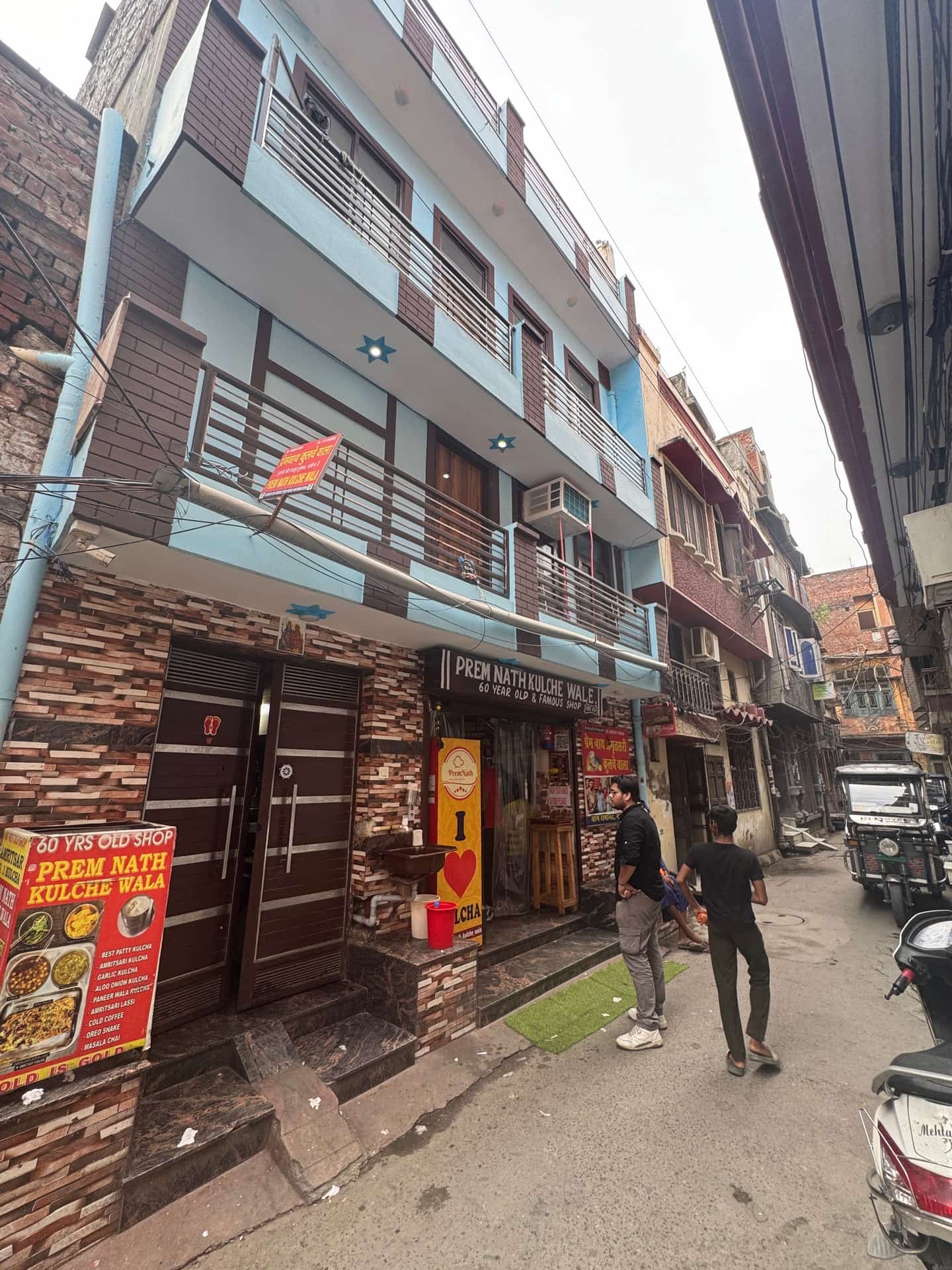
PUNJABI FOOD – PREM NATH KULCHA
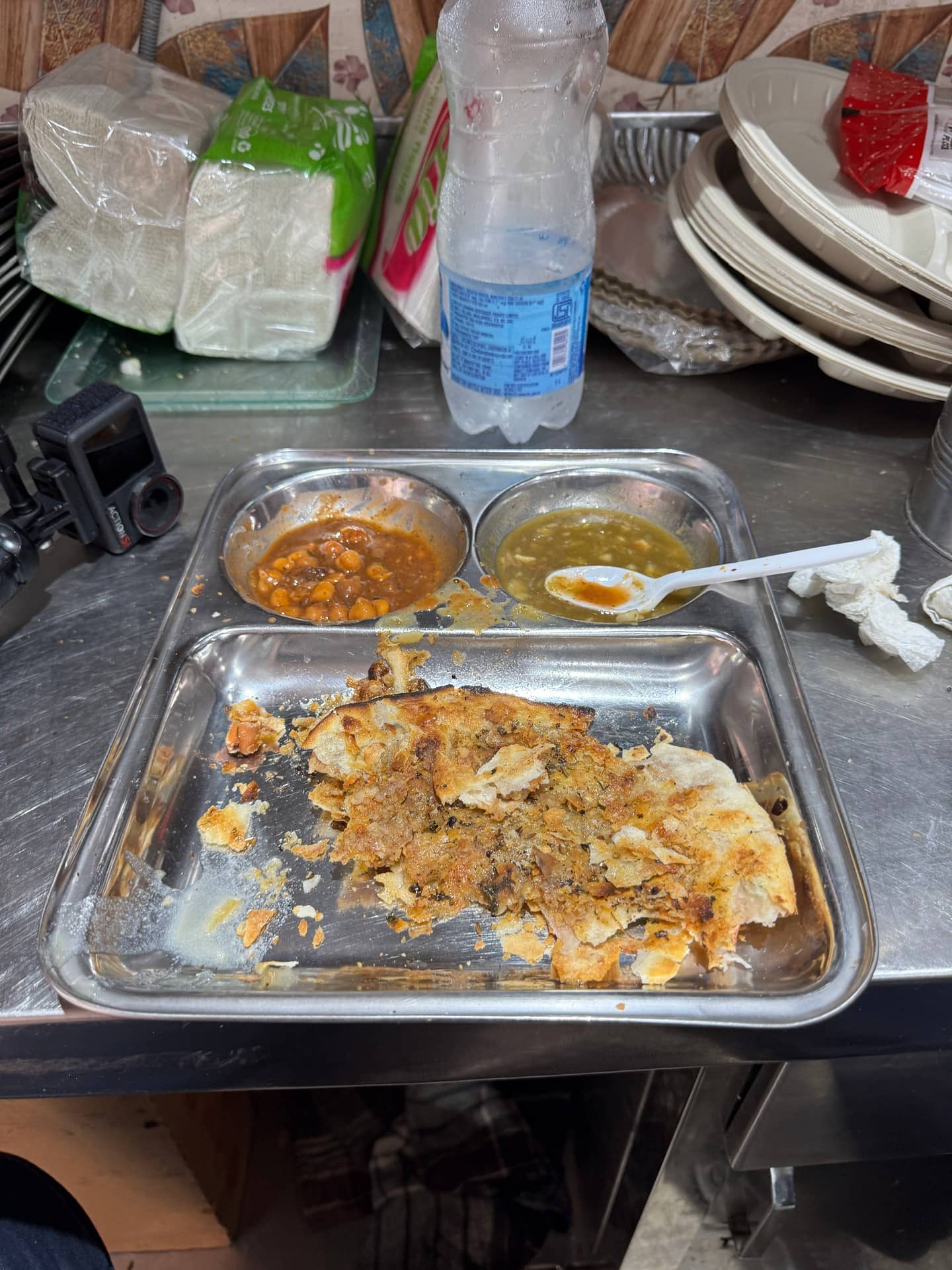
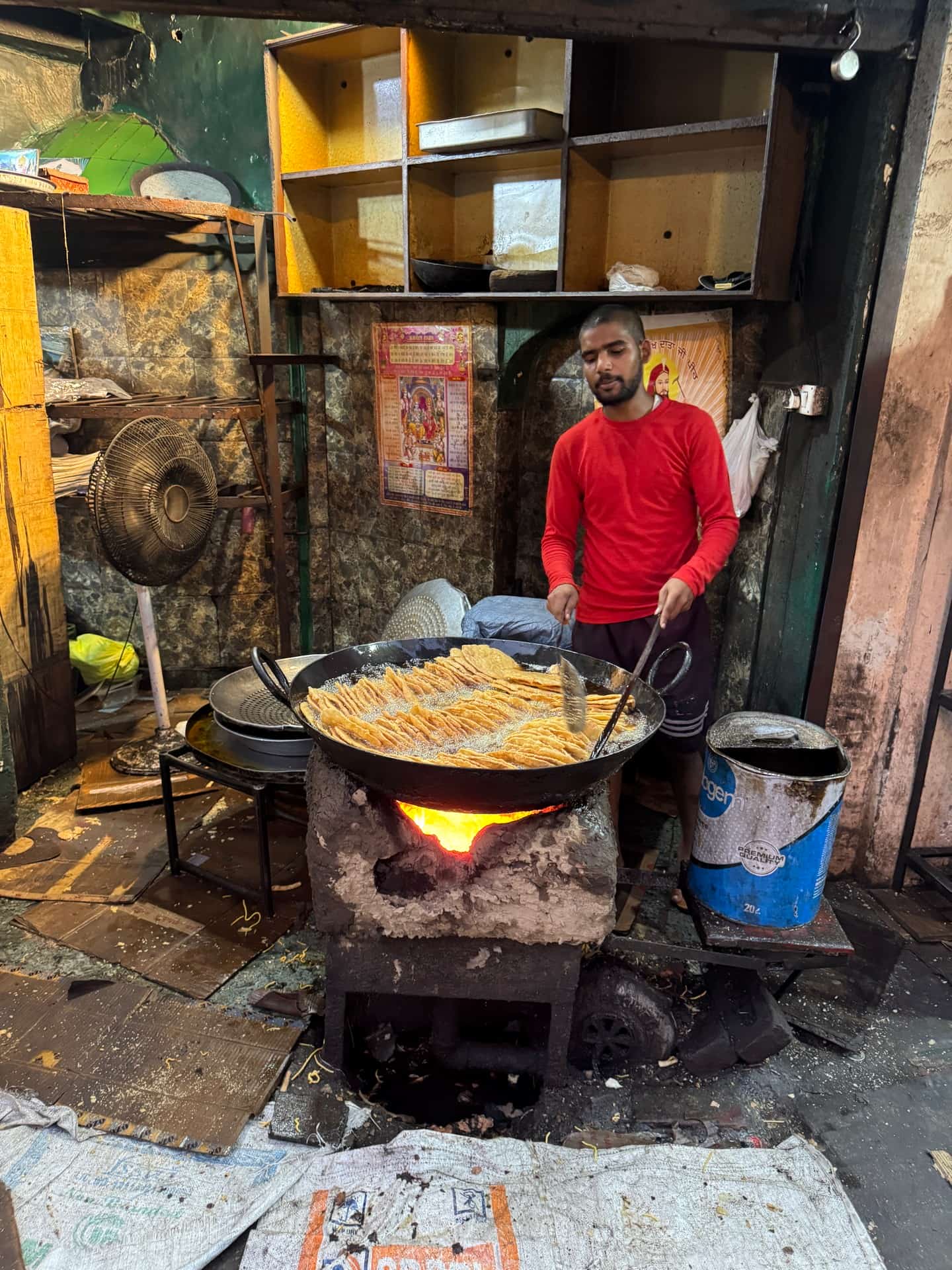
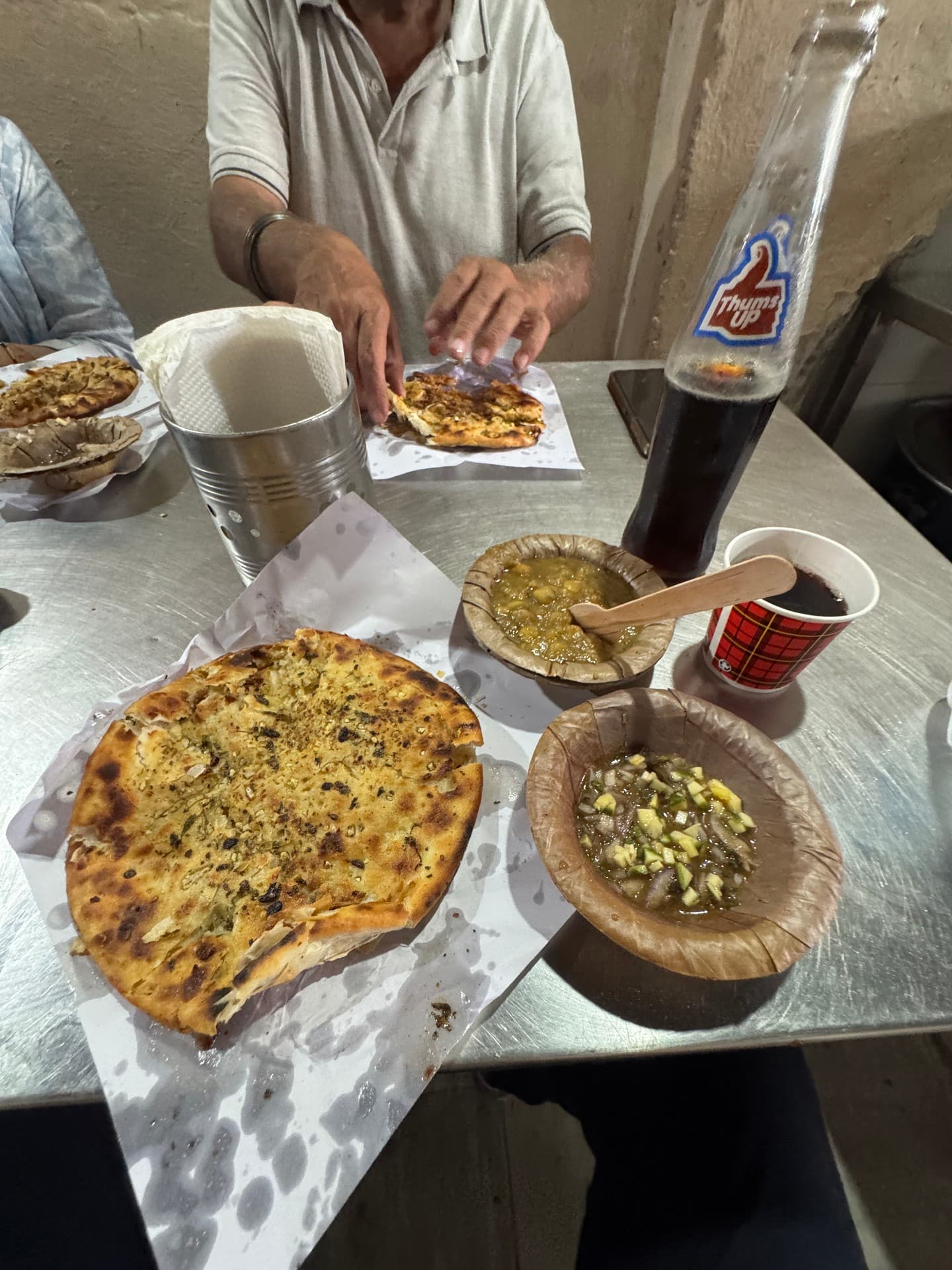
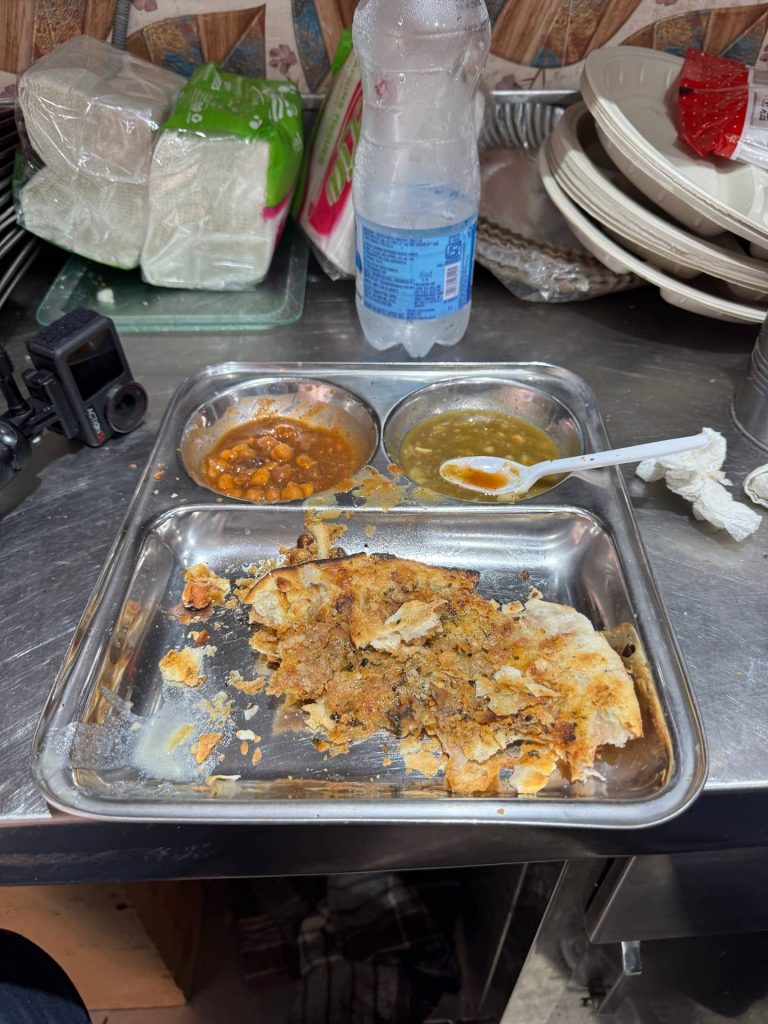
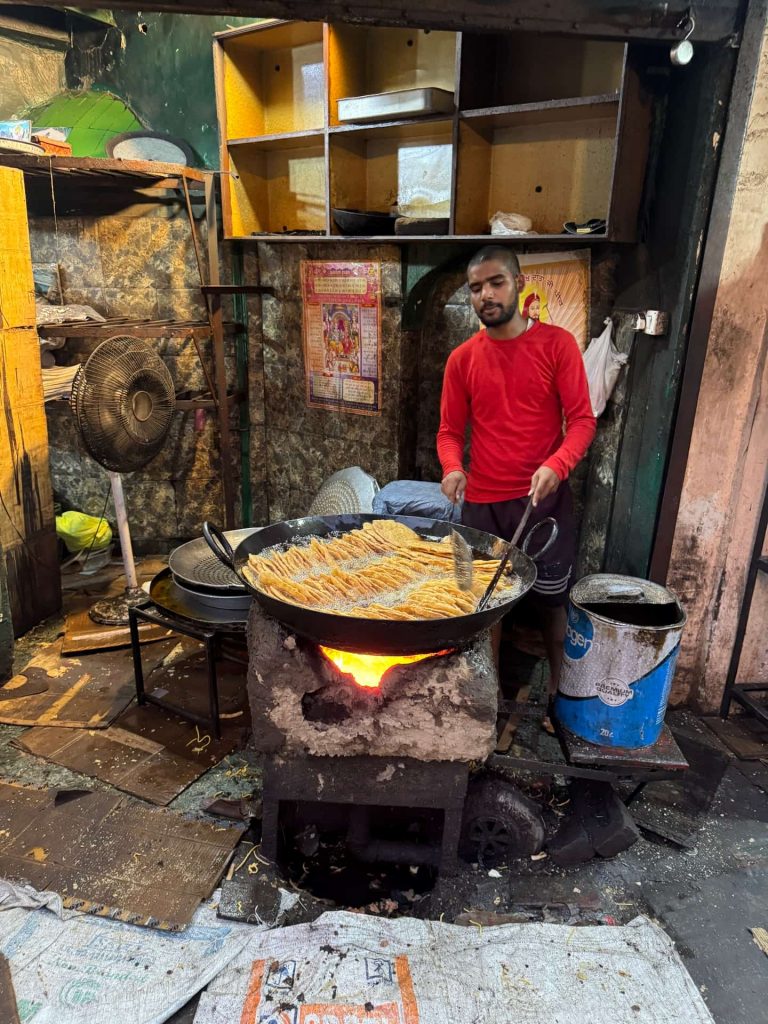
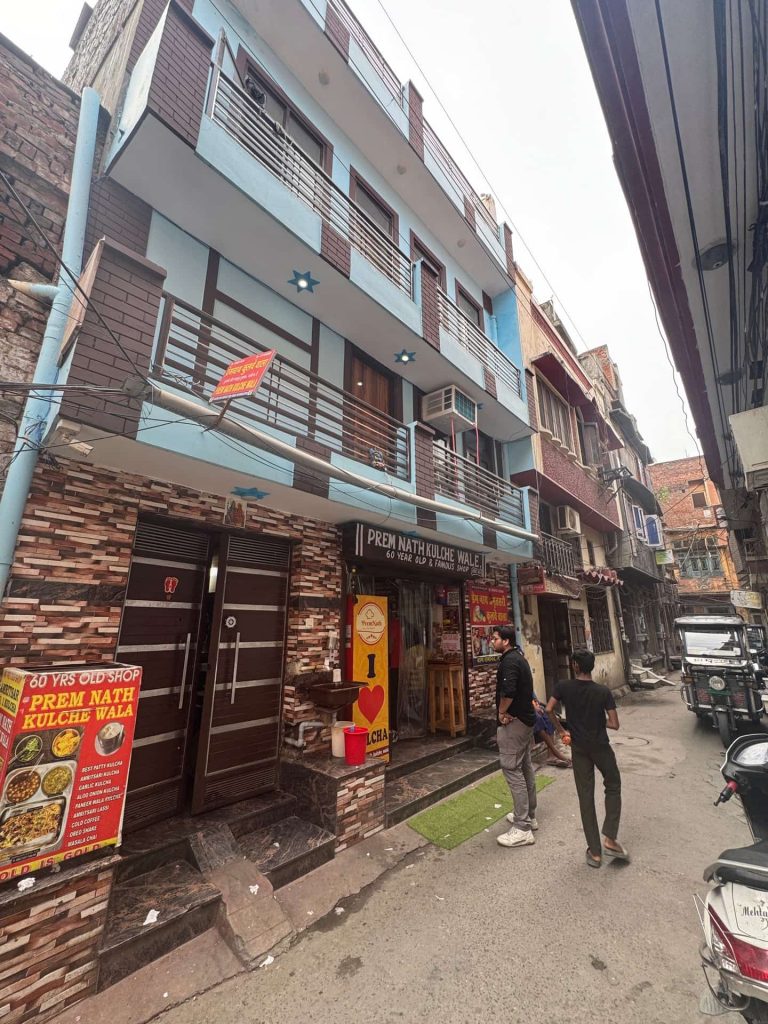
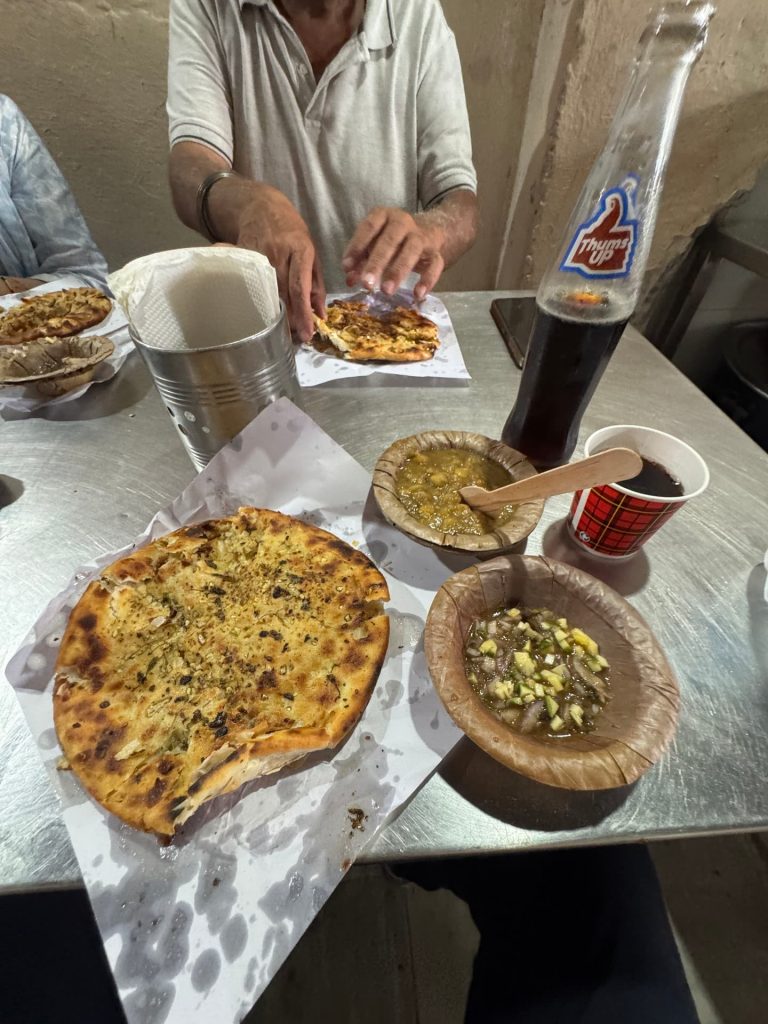
Let’s be honest: food and water in India can be a gamble. But one spot I can recommend is Prem Nath, the local go-to. Forget menus — they only serve Kulcha, a fried chapati stuffed with onion and spices. Greasy, golden, and unreal. If you can survive the oil bath, you’ll want seconds.
Becoming a Sikh for the Day
ABOUT PUNJAB:
-
Language: Punjabi (written in Gurmukhi script in India, Shahmukhi in Pakistan).
-
How to say hello: Sat Sri Akal (ਸਤਿ ਸ੍ਰੀ ਅਕਾਲ) – literally “God is the eternal truth,” used as a respectful greeting.
-
How to say cheers: Balle Balle! – not technically “cheers,” but it’s the go-to celebratory shout in Punjab. If drinking, people also just say “Cheers yaar!” mixing English with Punjabi.
-
Most popular drink: Lassi – a thick, sweet or salty yogurt-based drink, sometimes topped with cream or butter. (Punjab is obsessed with dairy.)
-
Most popular sport: Kabaddi – a full-contact wrestling/tag hybrid, and Punjab dominates it globally.
-
Most popular food: Sarson da Saag with Makki di Roti – mustard greens with cornmeal flatbread, usually swimming in butter.
FIRST ATTEMPT AT THE GOLDEN TEMPLE
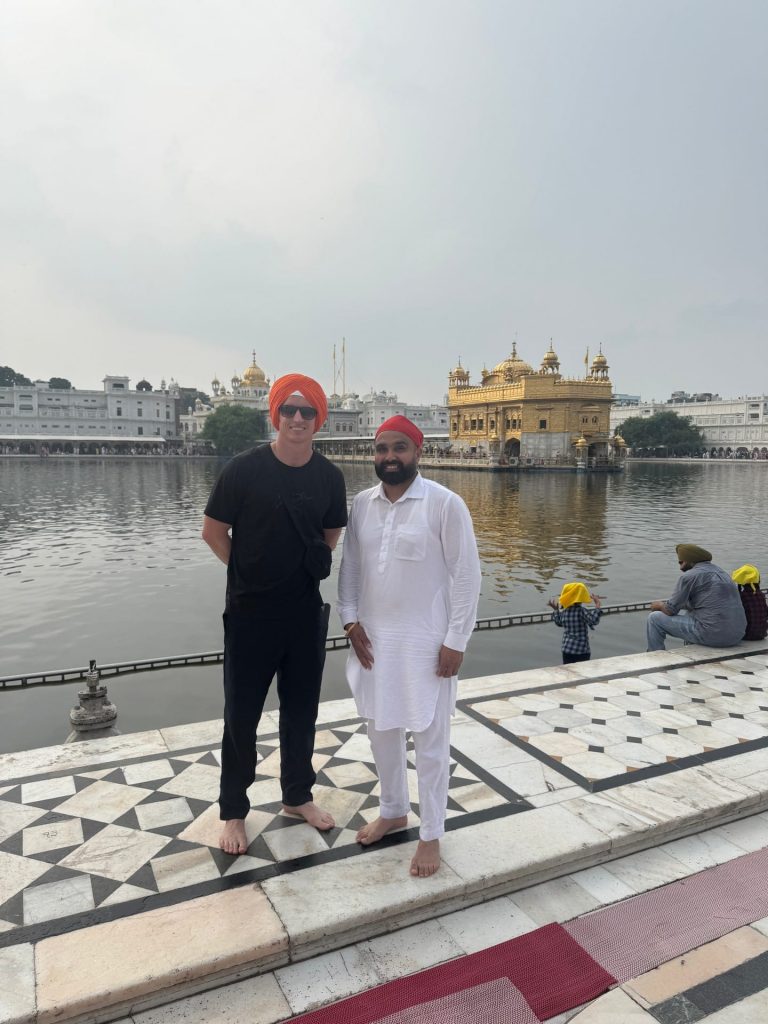
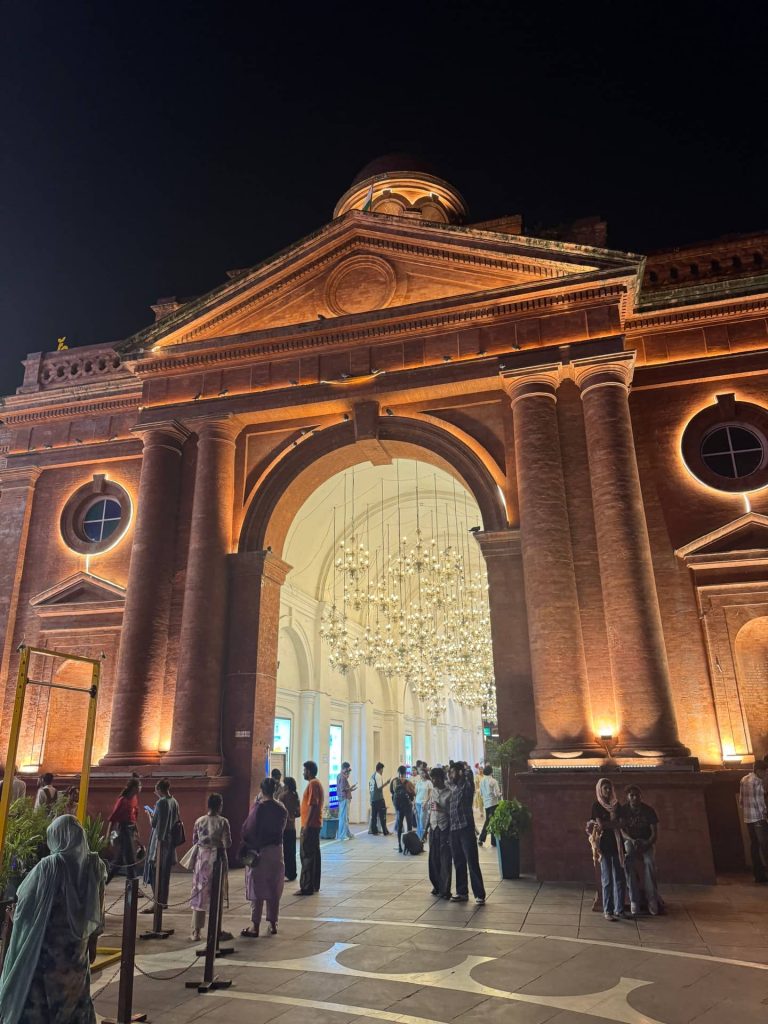
No Amritsar trip is complete without visiting the Golden Temple. But my first attempt didn’t go as planned. Security didn’t allow my camera, and by the time we tried to get approval, the government office had already closed. Typical India. A friendly local (now living in Melbourne) helped as much as he could but even for a Silk the mission proved impossible!
IMPORTANT PILLARS OF SIKHISM:
- One God
- Equality of all humans
- Community service (Seva)
- Honest living
- Meditation on God’s name
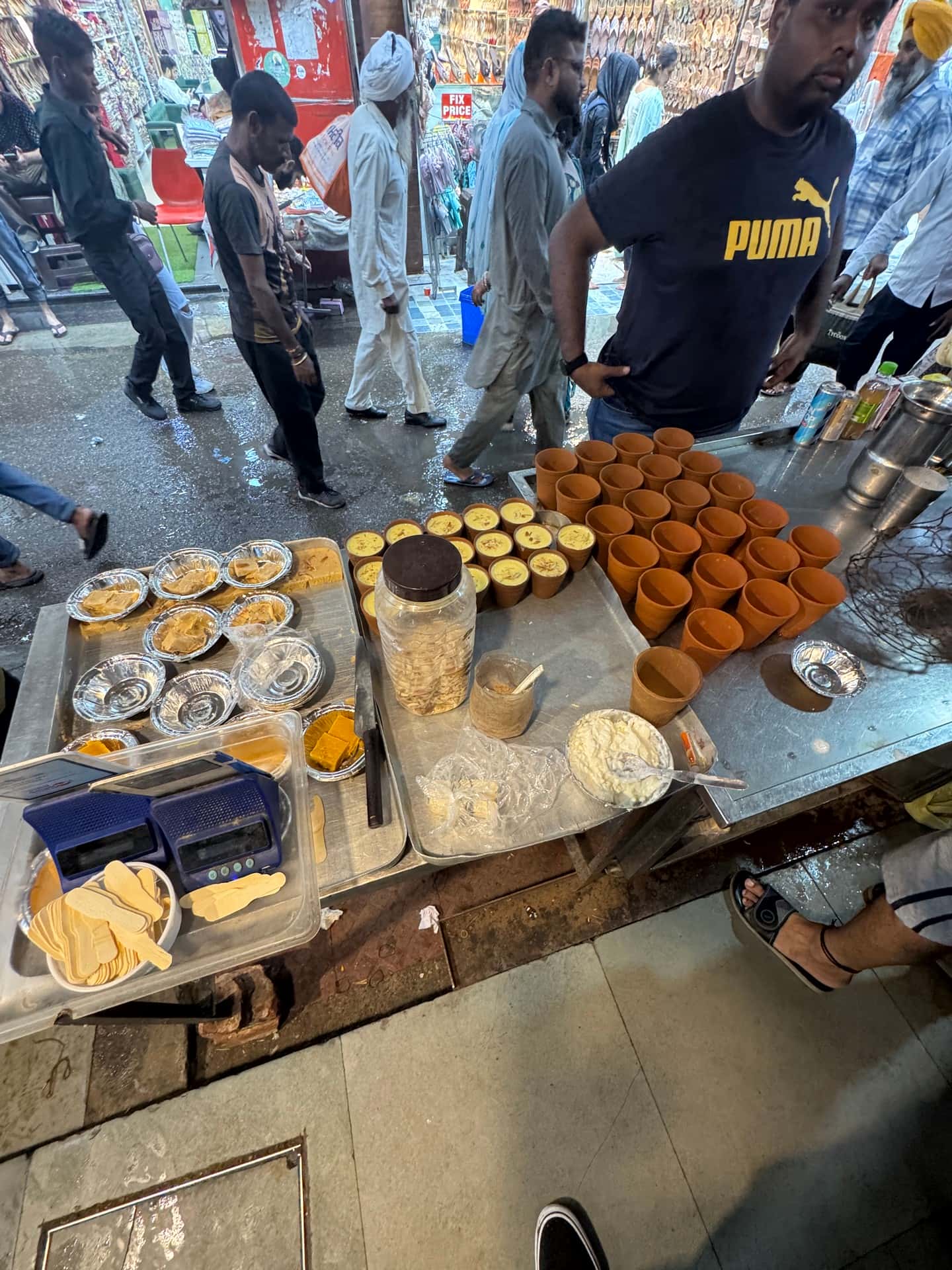
SWEET RELIEF – LASSI AT GIAN DI LASSI
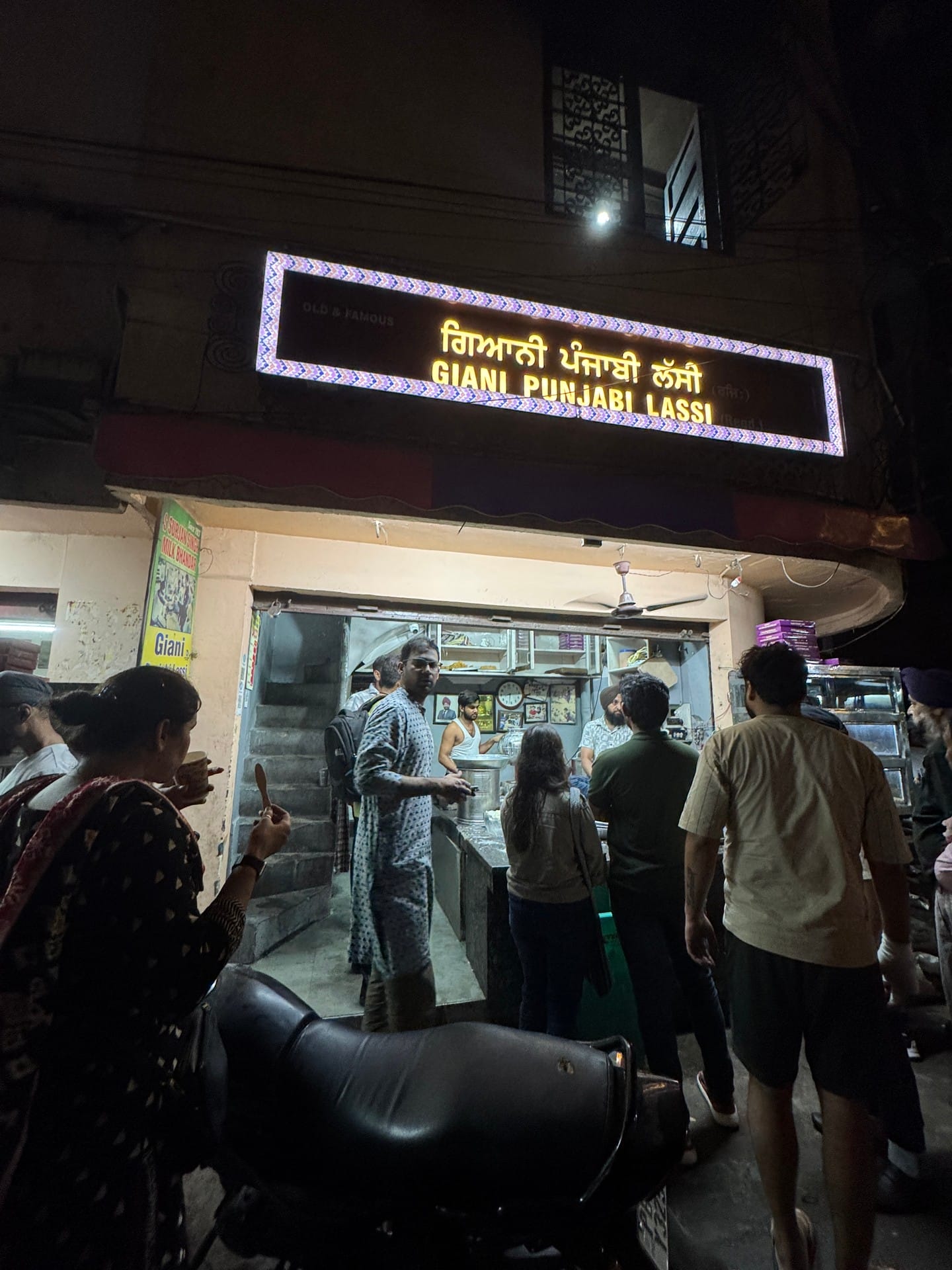
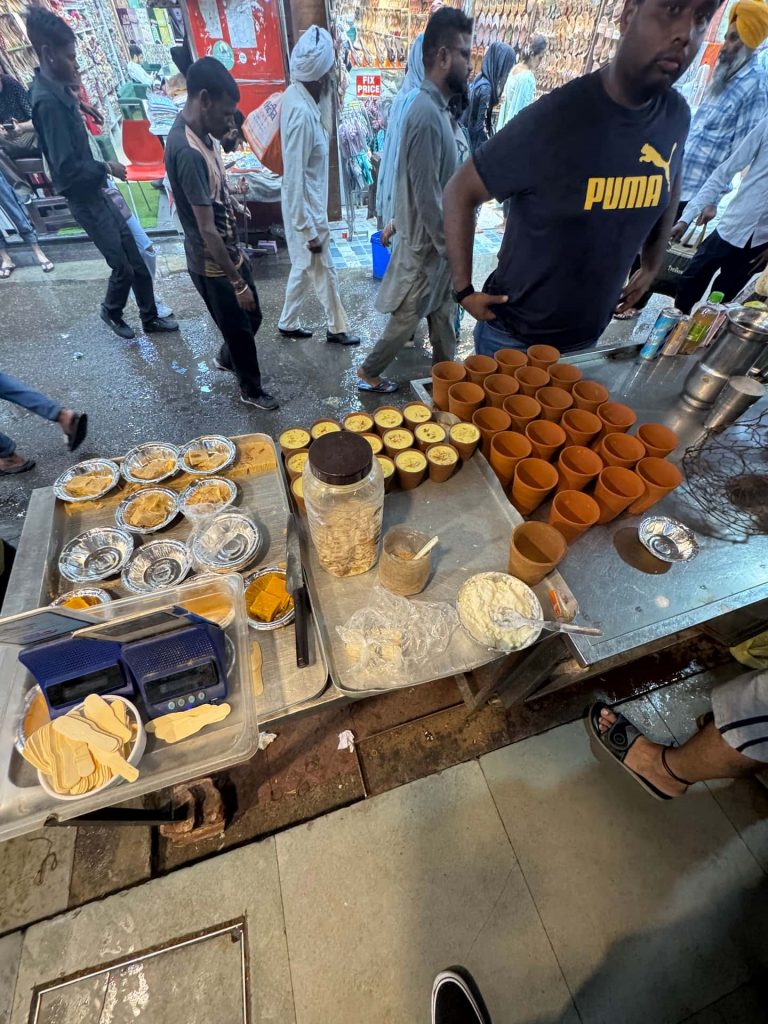
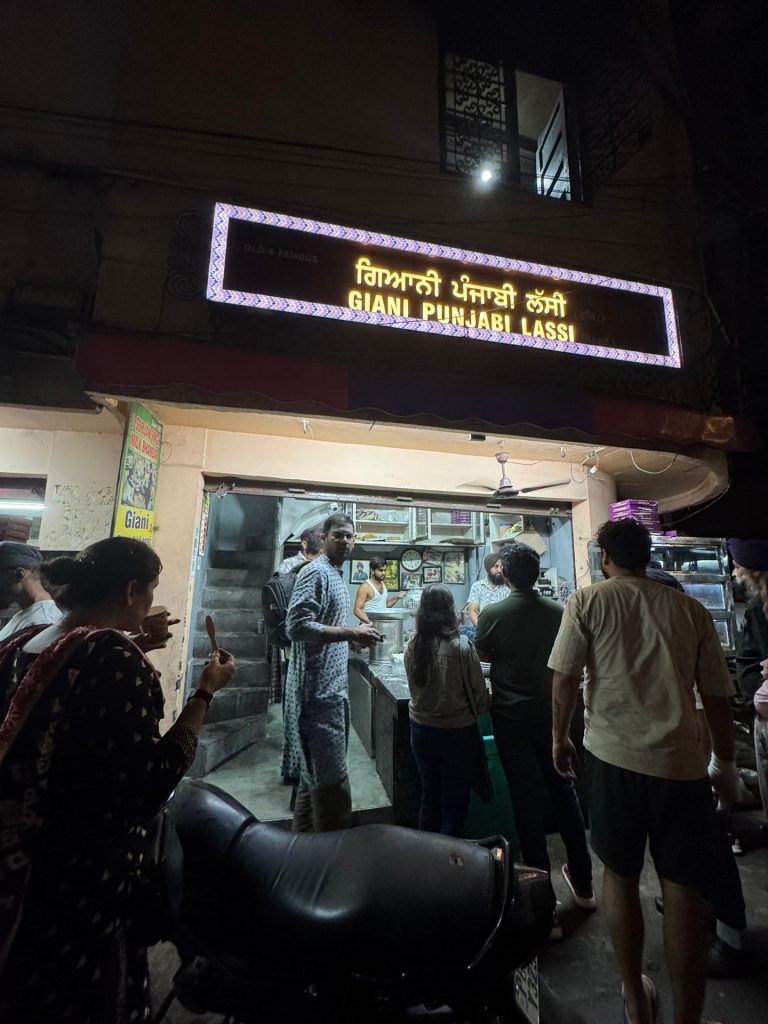
Before heading back, I stopped at Gian di Lassi. Again I am never confident when drinking anything here but when in Rome you got to! Lassi is basically liquid yogurt with a dollop of curd or sweet dough on top and to be fair it was…unreal.
DAY 3 – THE GOLDEN TEMPLE EXPERIENCE
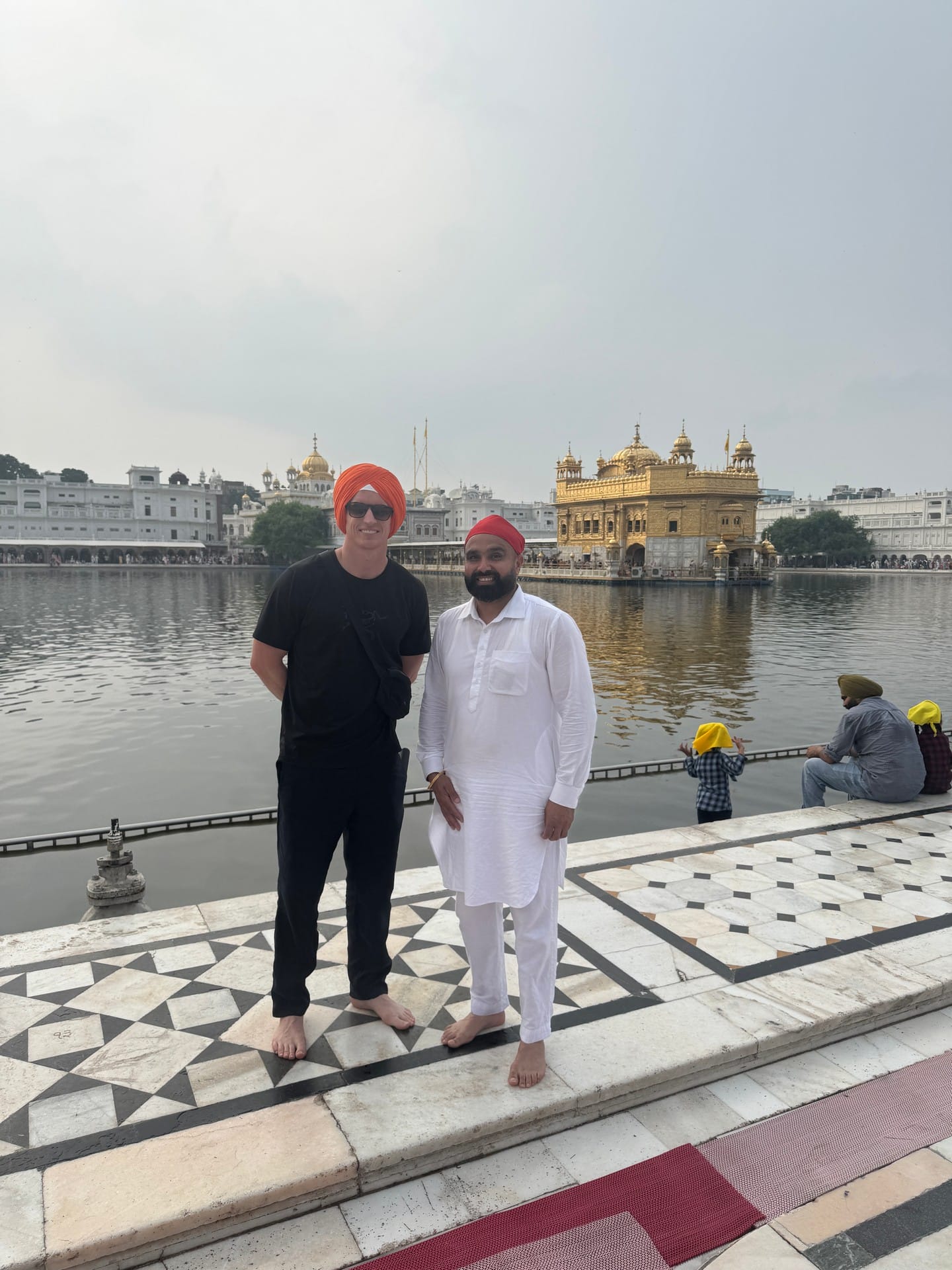
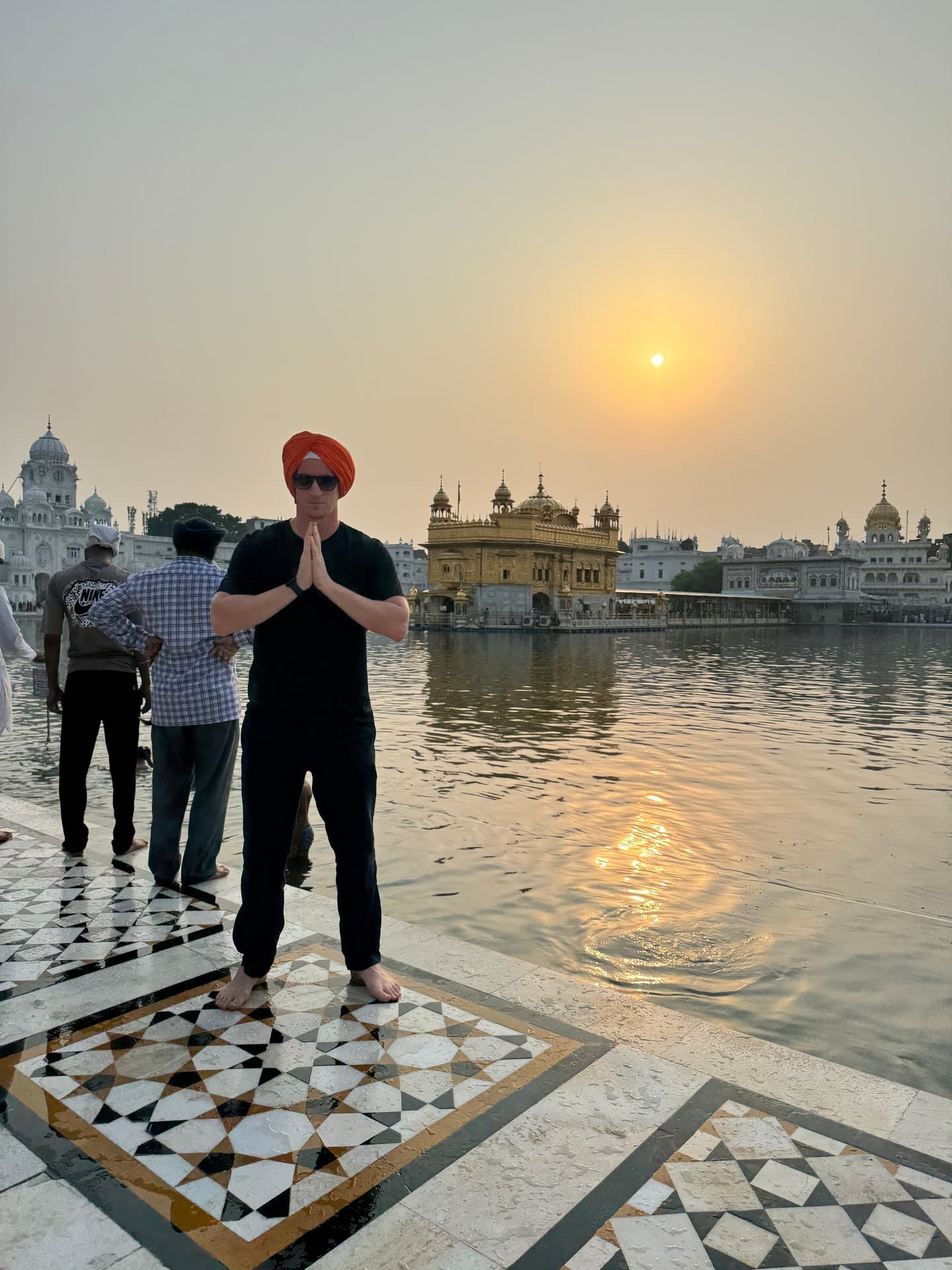
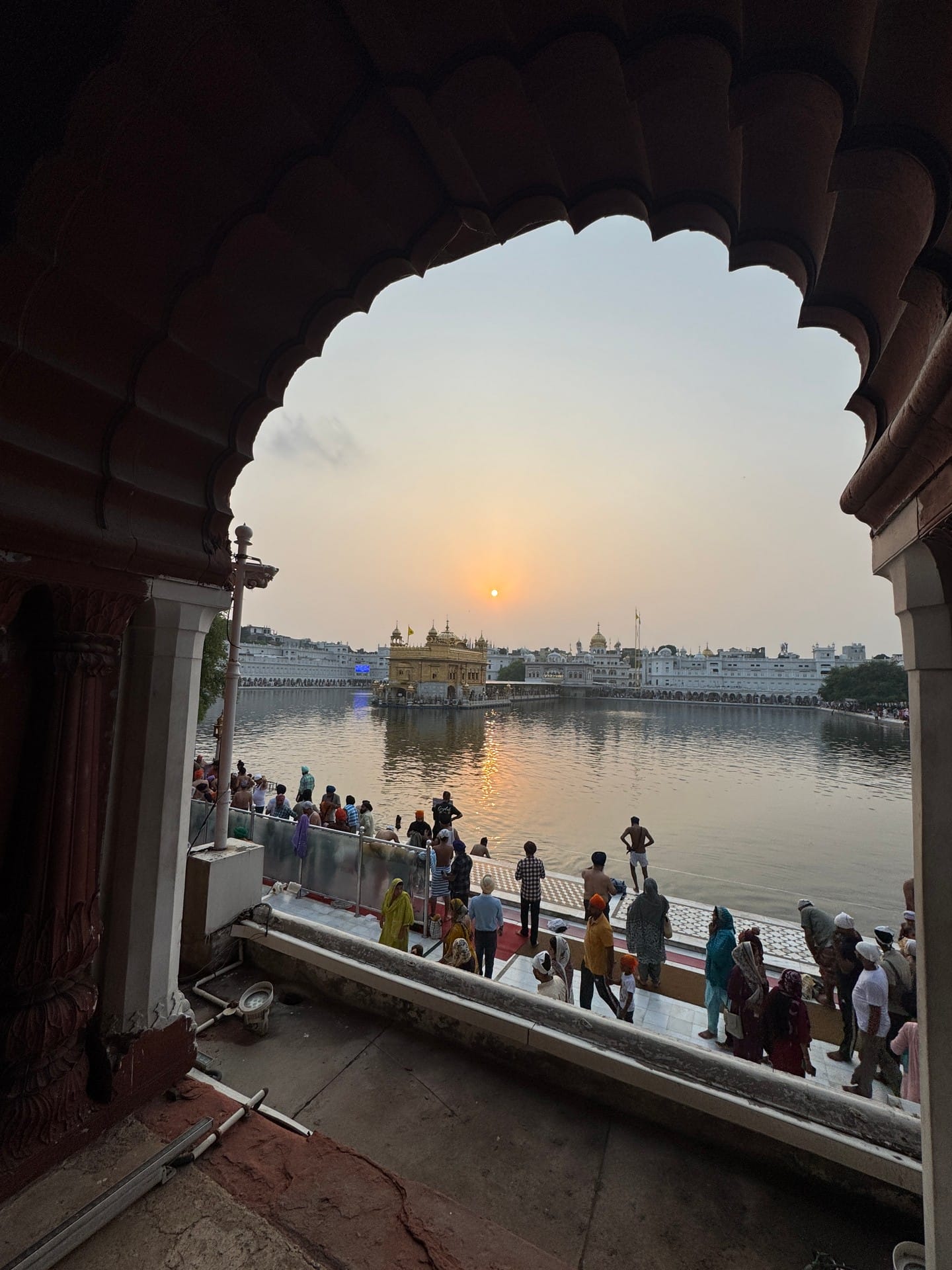
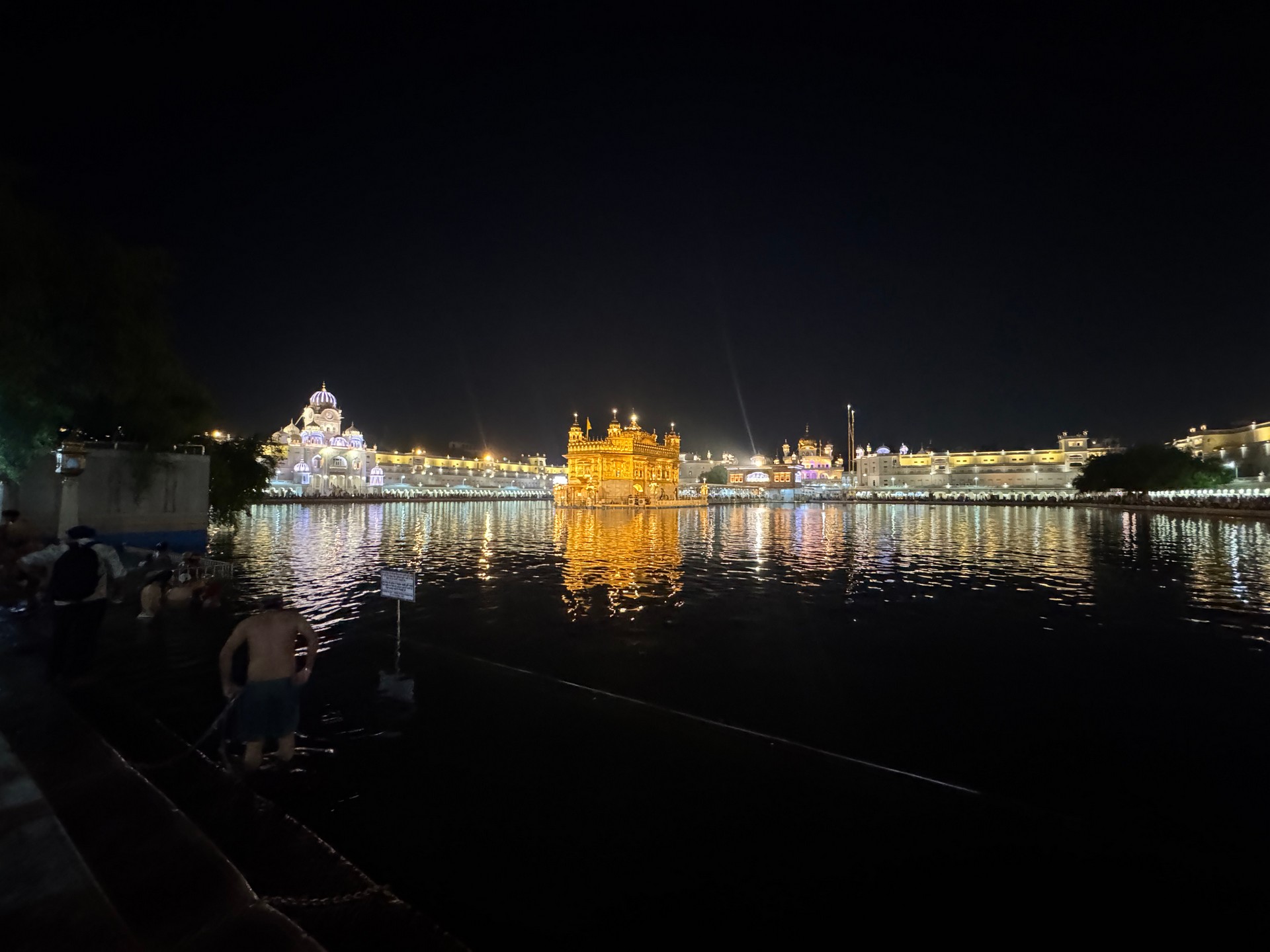
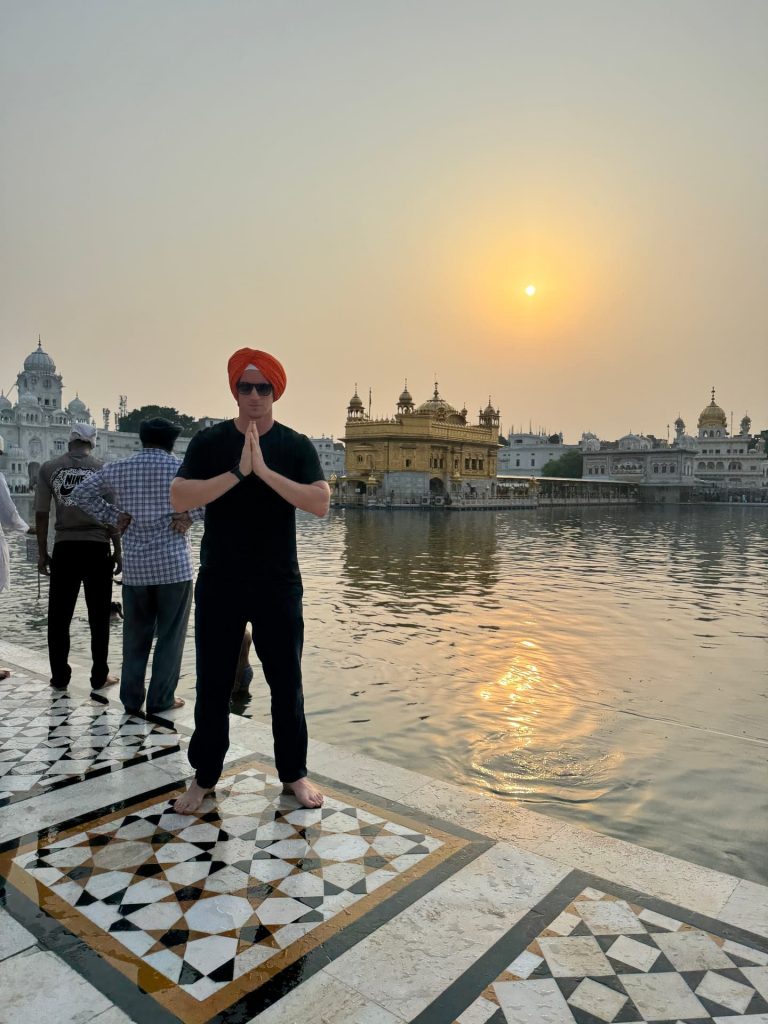
Finally we got in and with the help of a guide sneaked the camera in too. But what a place. The Golden Temple is one of the most breathtaking places I’ve ever visited. Almost 750 kg of gold covers the shrine, shimmering in the middle of a man-made lake where Sikhs bathe as part of their devotion.
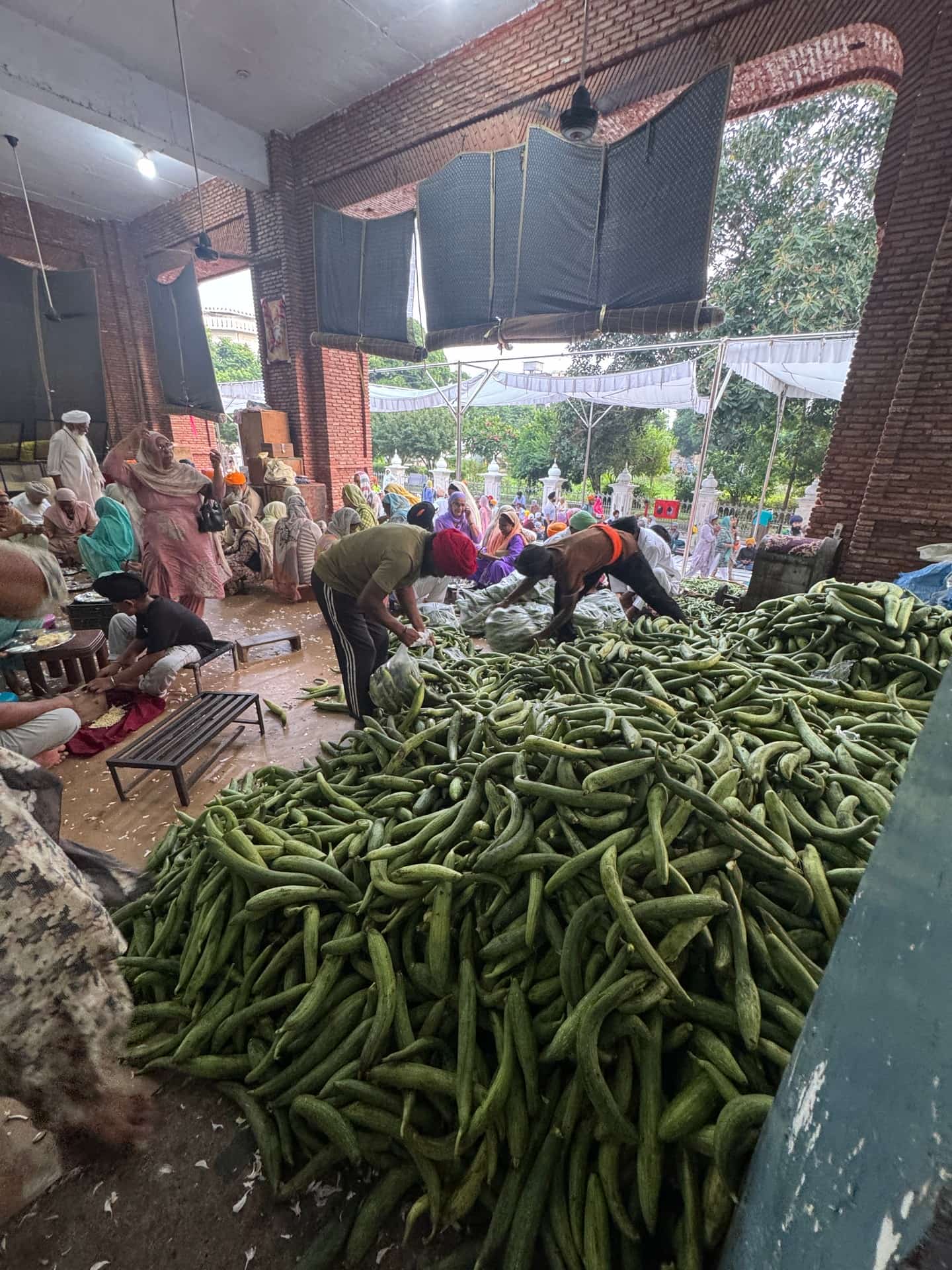
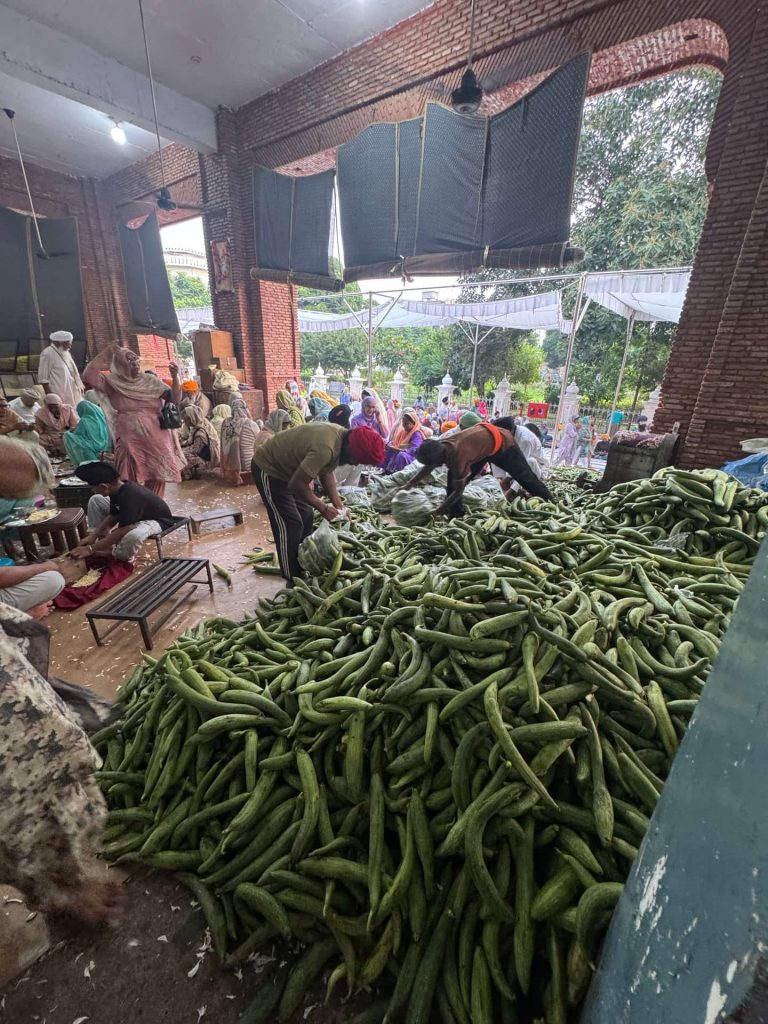
But the real magic isn’t in the gold — it’s in the kitchen.
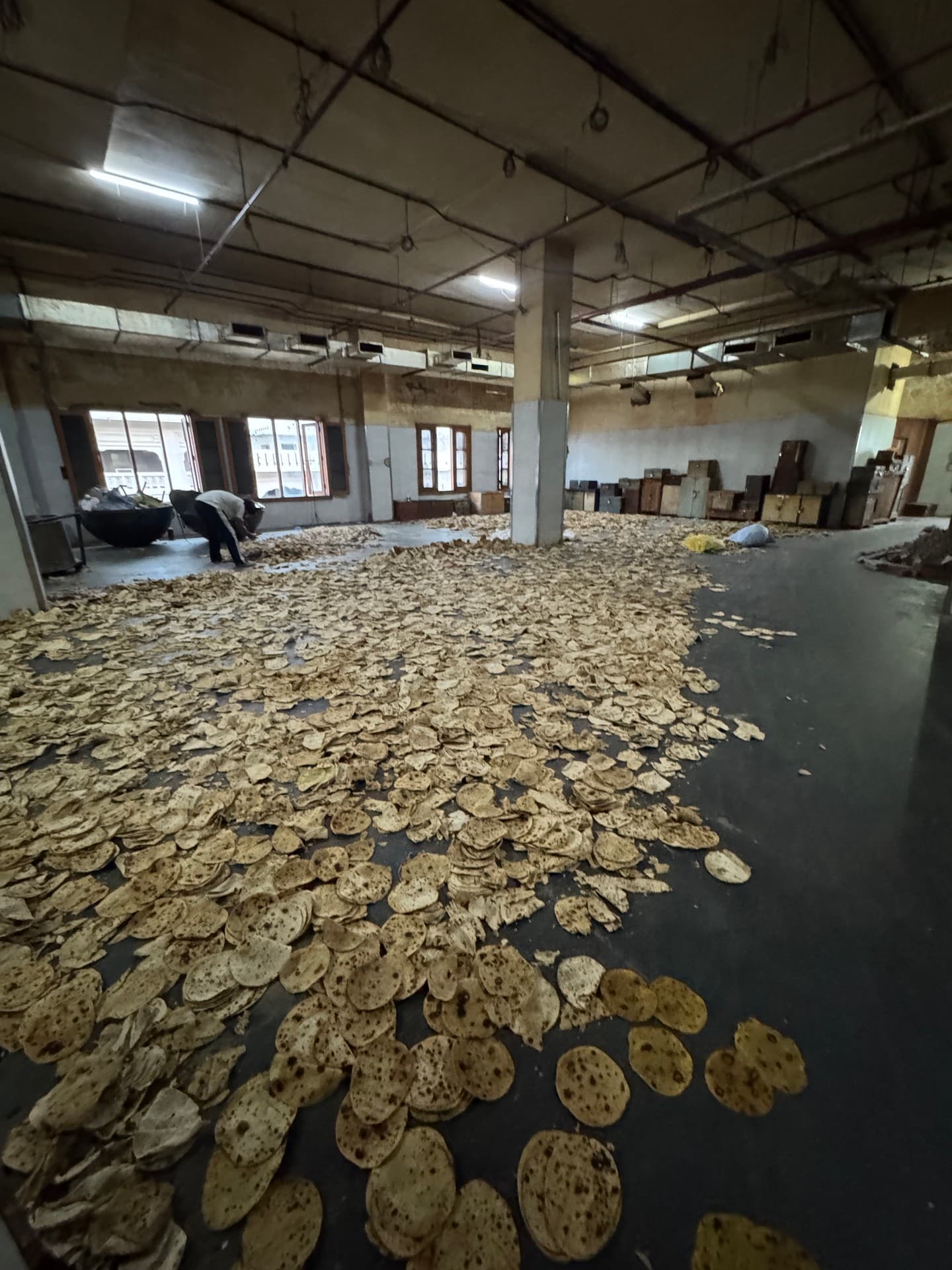
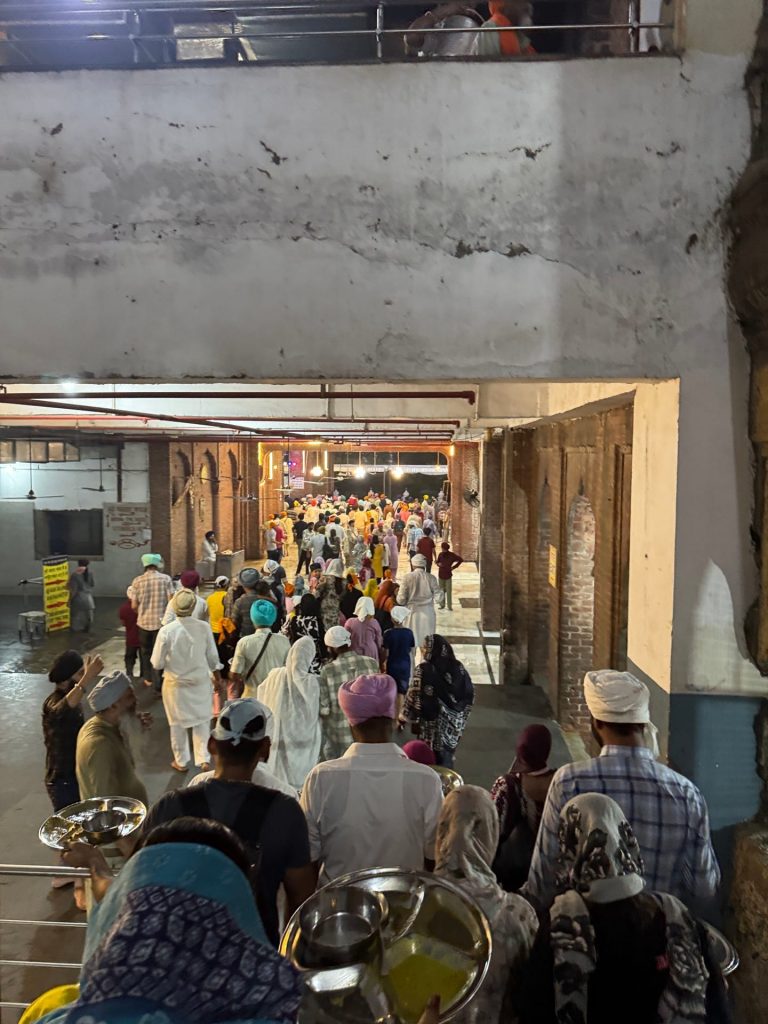
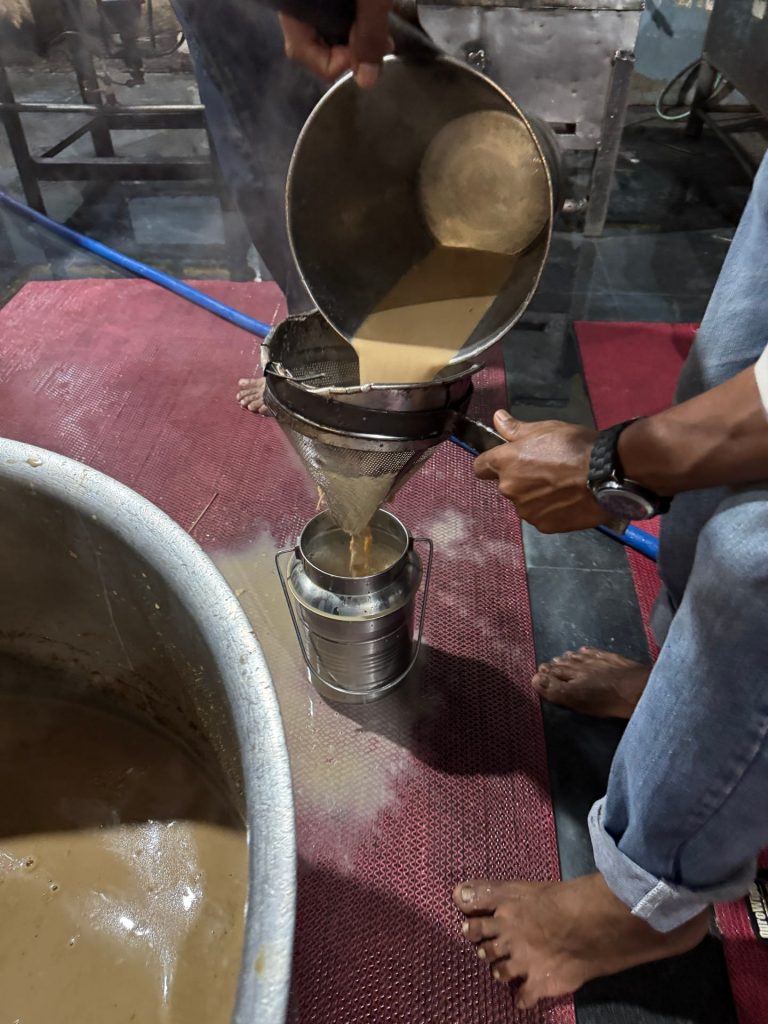
The langar here feeds up to 100,000 people daily. Volunteers do everything: cooking, serving, cleaning. Groups of 500 sit together for 15 minutes before making way for the next. No one goes hungry. Even leftovers are given a new purpose — bread is crumbled for birds, and scraps become compost. This gives you an idea how many Sikhs have such a kind and genuine nature.


YOUTUBE VIDEO
FINAL THOUGHTS
Amritsar surprised me. Between the haunting silence of Jallianwala Bagh, the greasy joy of a Kulcha, and the glowing serenity of the Golden Temple, it gives you alot. Becoming “a Sikh for the day” might sound like a p*ss take, but the experience taught me more about devotion, equality, and generosity than I could have expected.
SAFE TRAVELS, DS x
172/229
NEXT UP
Hitchhiking (for the first time) to the world’s most militarised region! Click to read.
This post is part of the Kashmir Series, for the entire series click here.
To see a different side of my trip, head to my socials: YouTube, Instagram & TikTok. Links at the top of the page.

Question Time
- Would you have the courage to wear a turban and walk the streets of Amritsar?
- Could you handle a Kulcha dripping in oil?
- Would you join 100,000 strangers for a meal at the Golden Temple’s langar?
Let me know in the comments below . . .