THE TIBET SERIES, DAY 9, 10, 11 & 12
LHASA
Our final few days here in Tibet turned out to probably be some of the best on this Tibet family adventure tour.
170 COUNTRIES AND THE MOST FRIGHTENED I HAVE BEEN
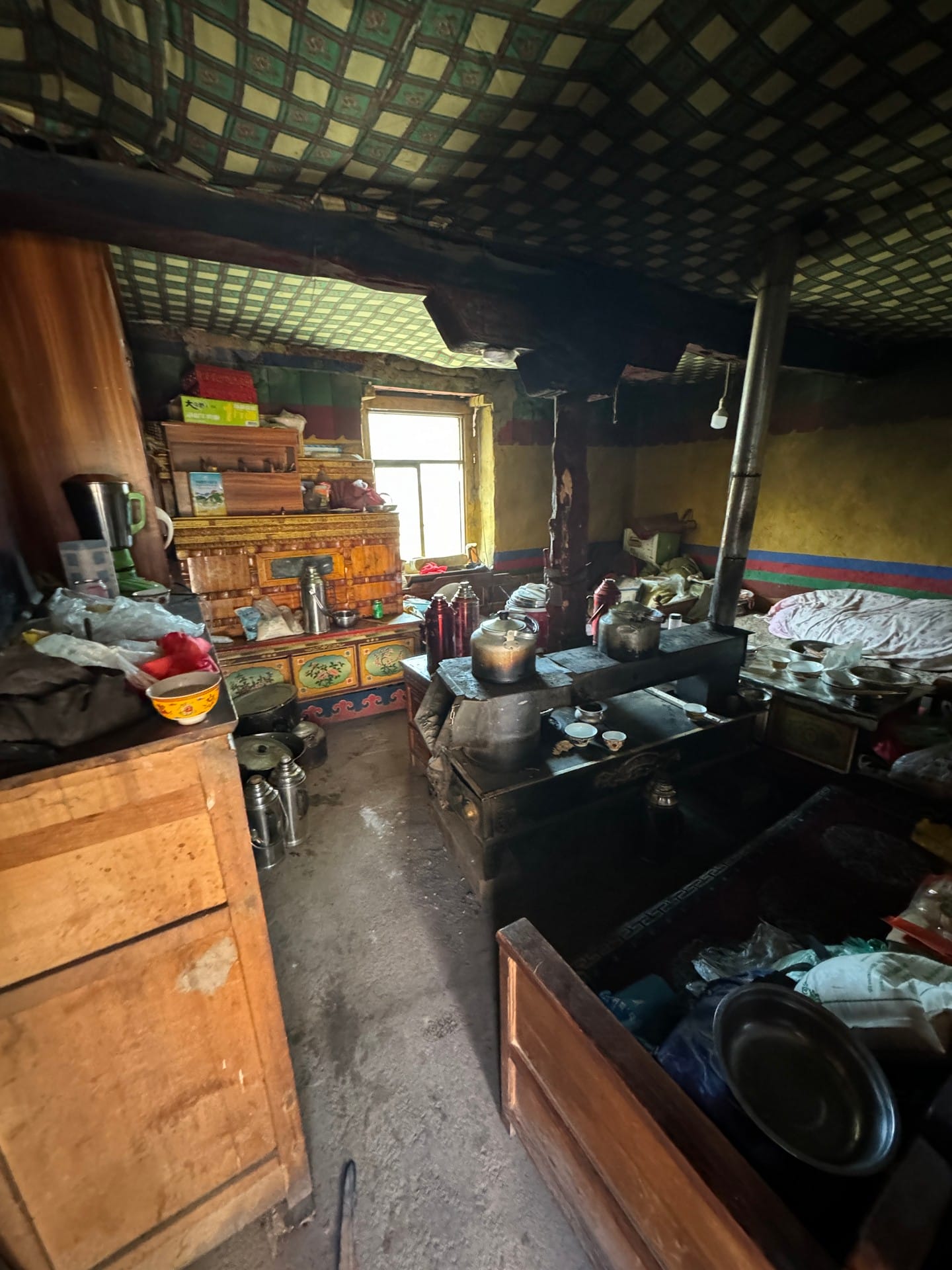
Our first stop was visiting a Tibetan family who were happy to put me up for the night and make use of my sh*t-handling skills.
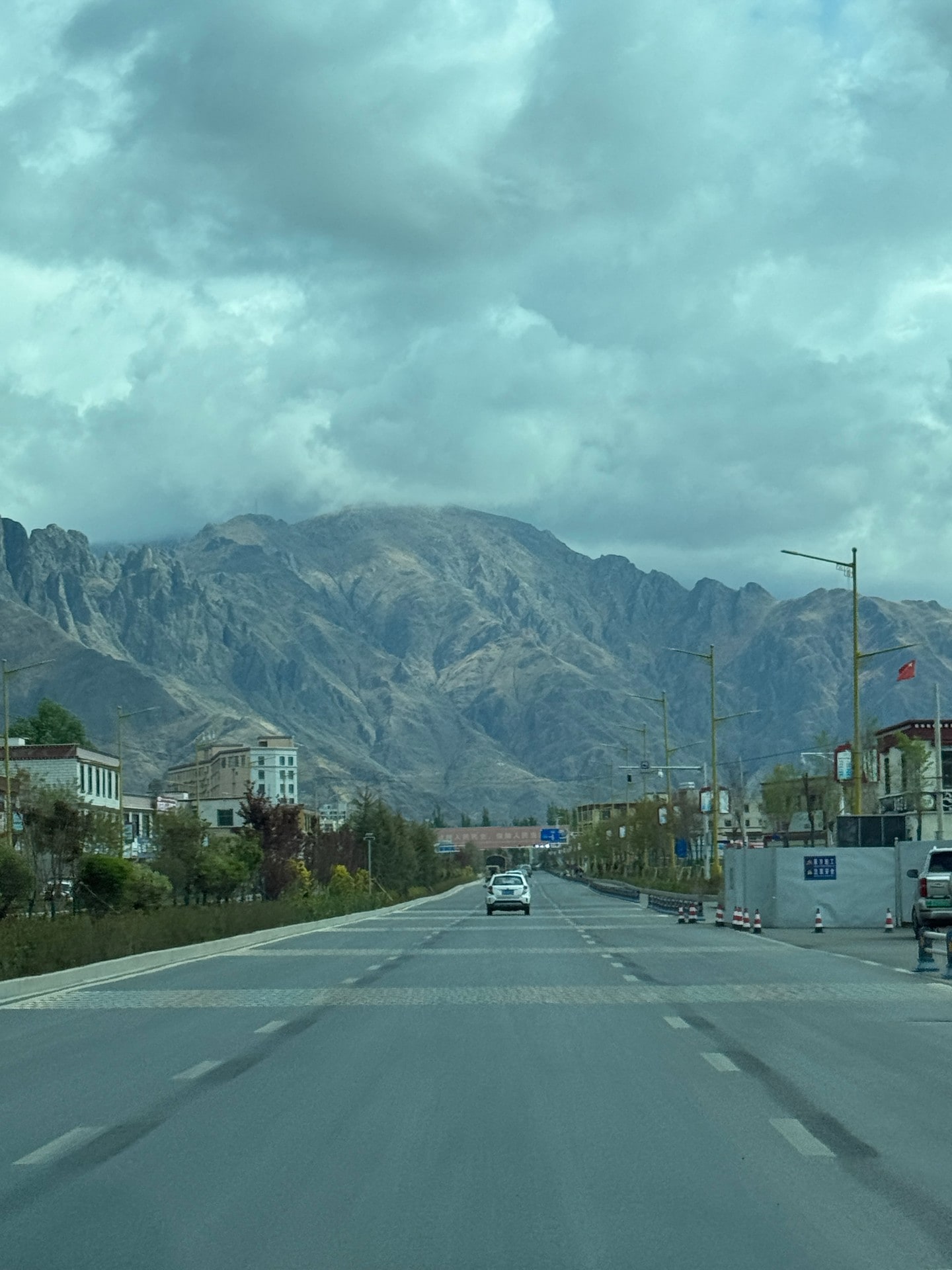
WHERE IS LHASA?
Lhasa
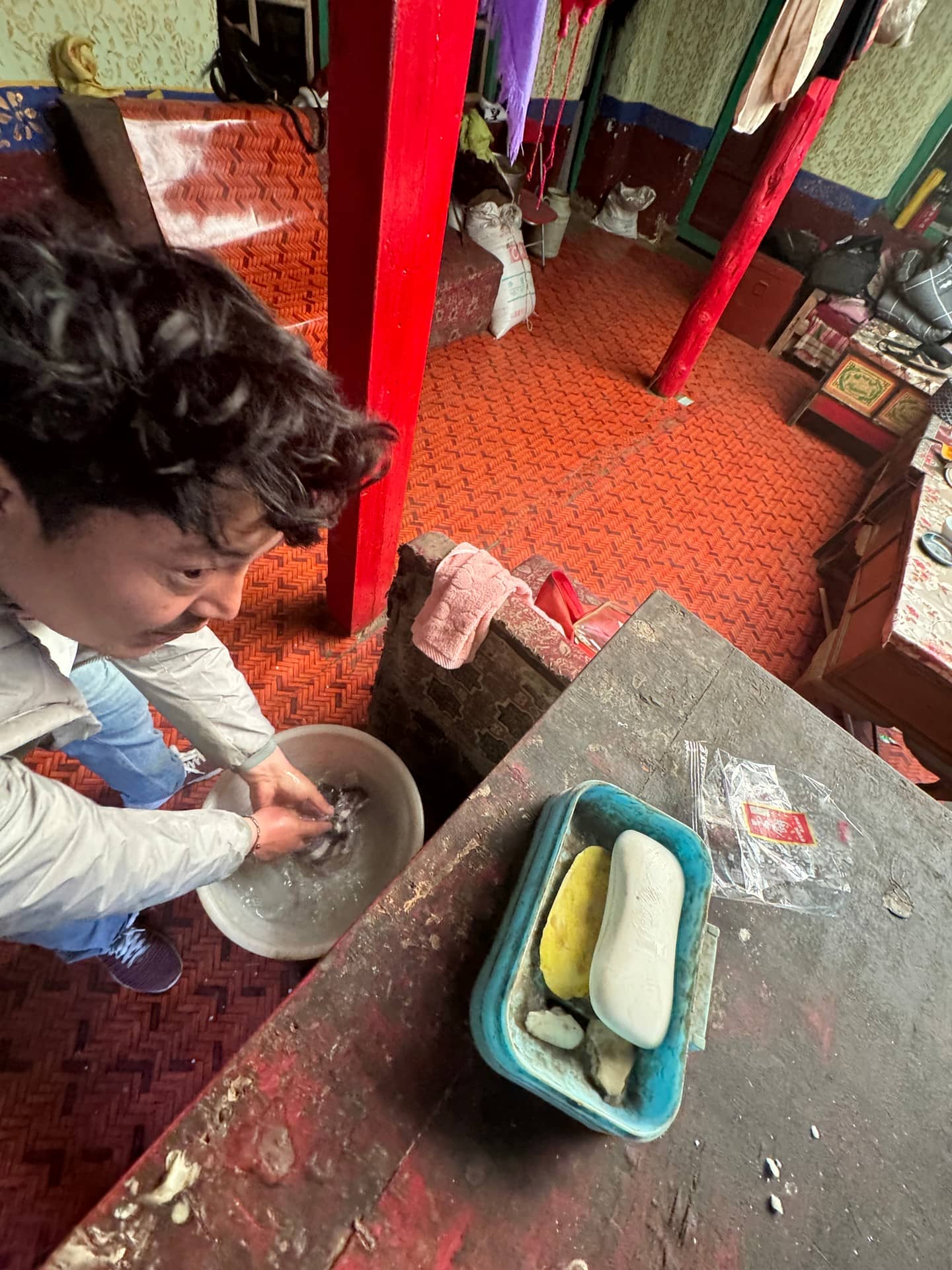
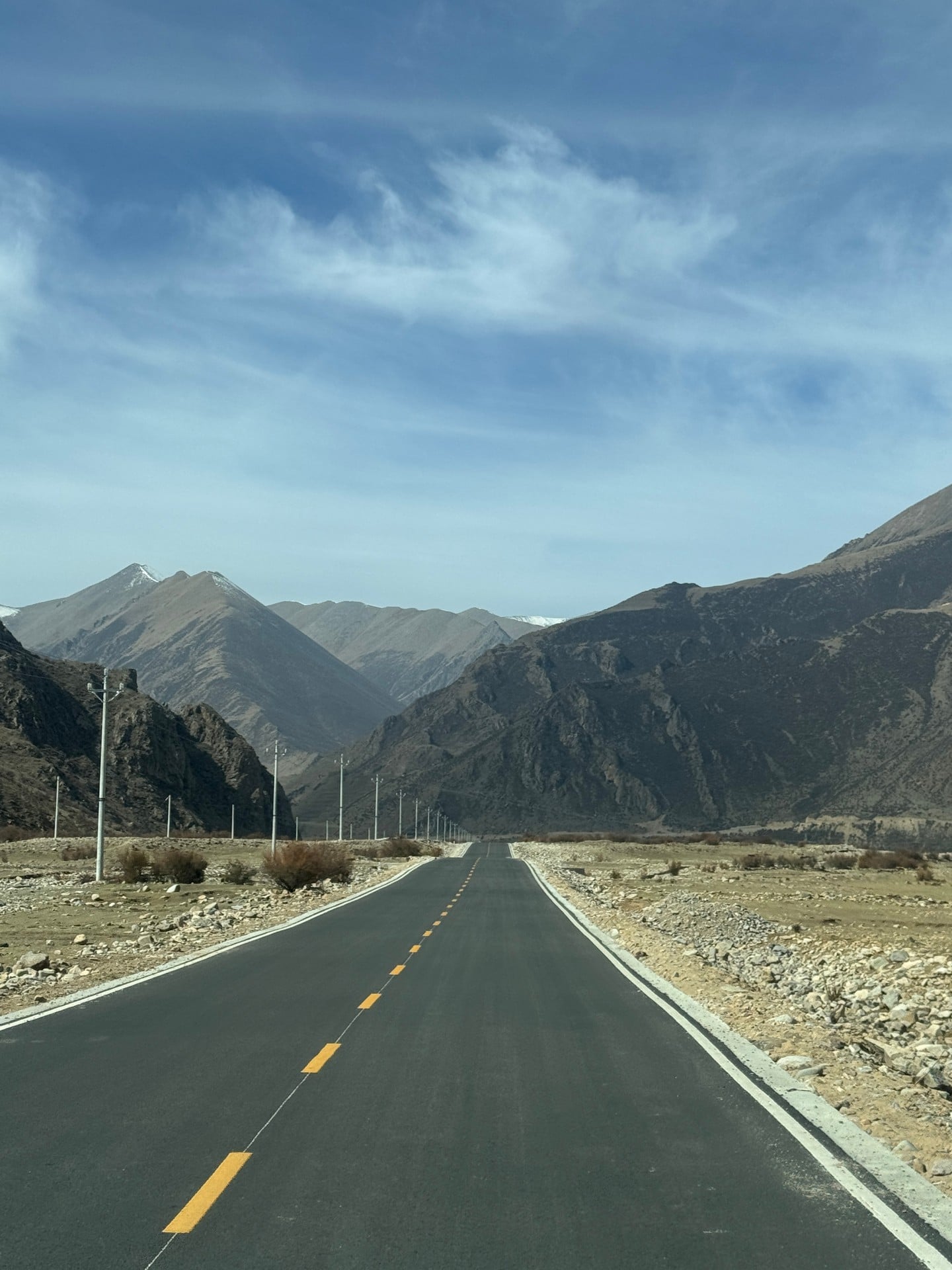
Our Tibetan family’s village was tiny. Moreover, there were around 8 houses in the village, and it was about 2 hours outside of Lhasa, so there was no way I could escape to a decent hotel. Consequently, I was in it for the night.
DAILY INFO….
- HOTEL –
Local home
St. Regis
STAYING WITH A TIBETAN FARMER
Some travellers collect souvenirs. I, apparently, was about to collect a very hands-on lesson in Himalayan agriculture.
Yak Sh*t
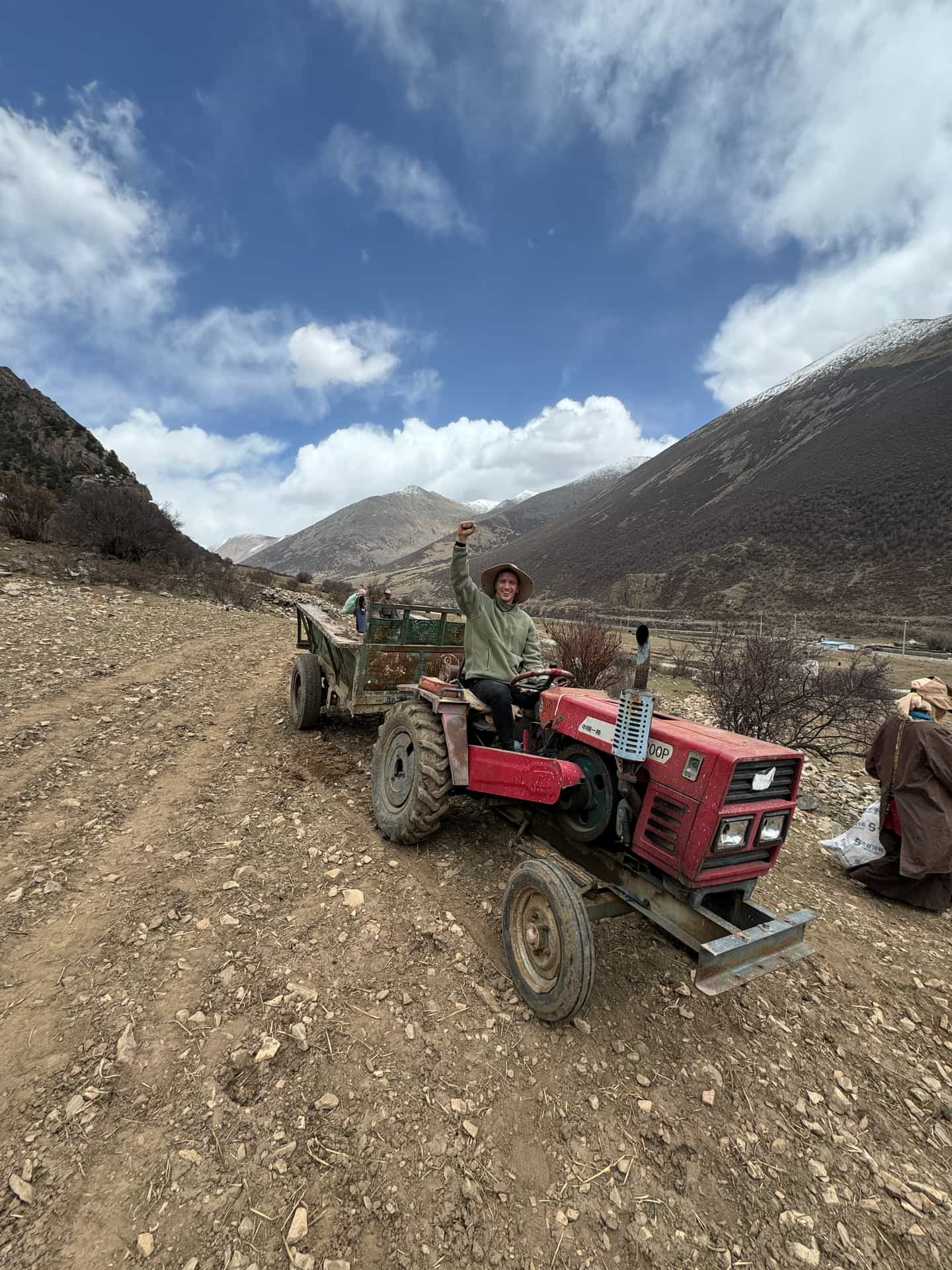
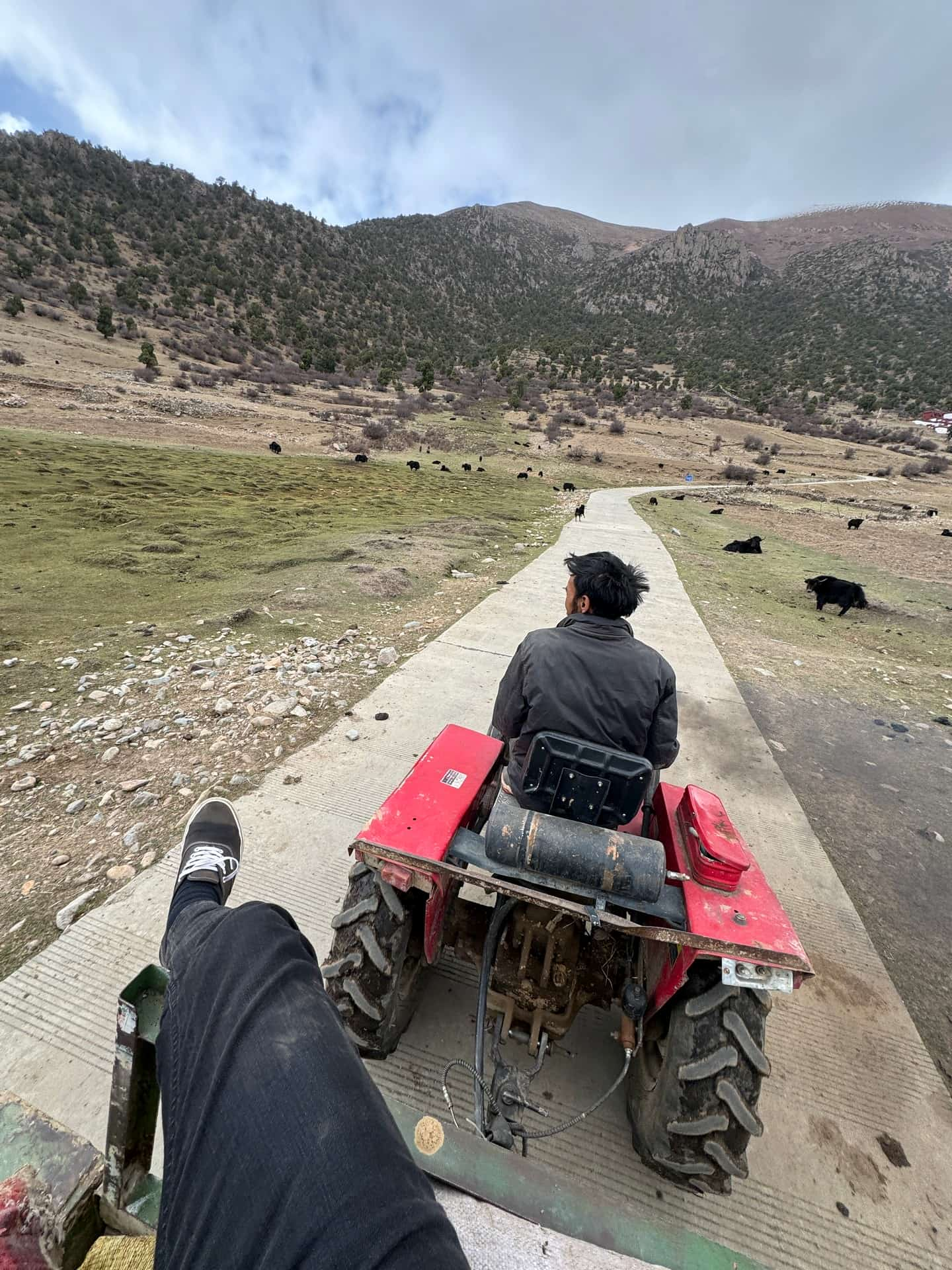
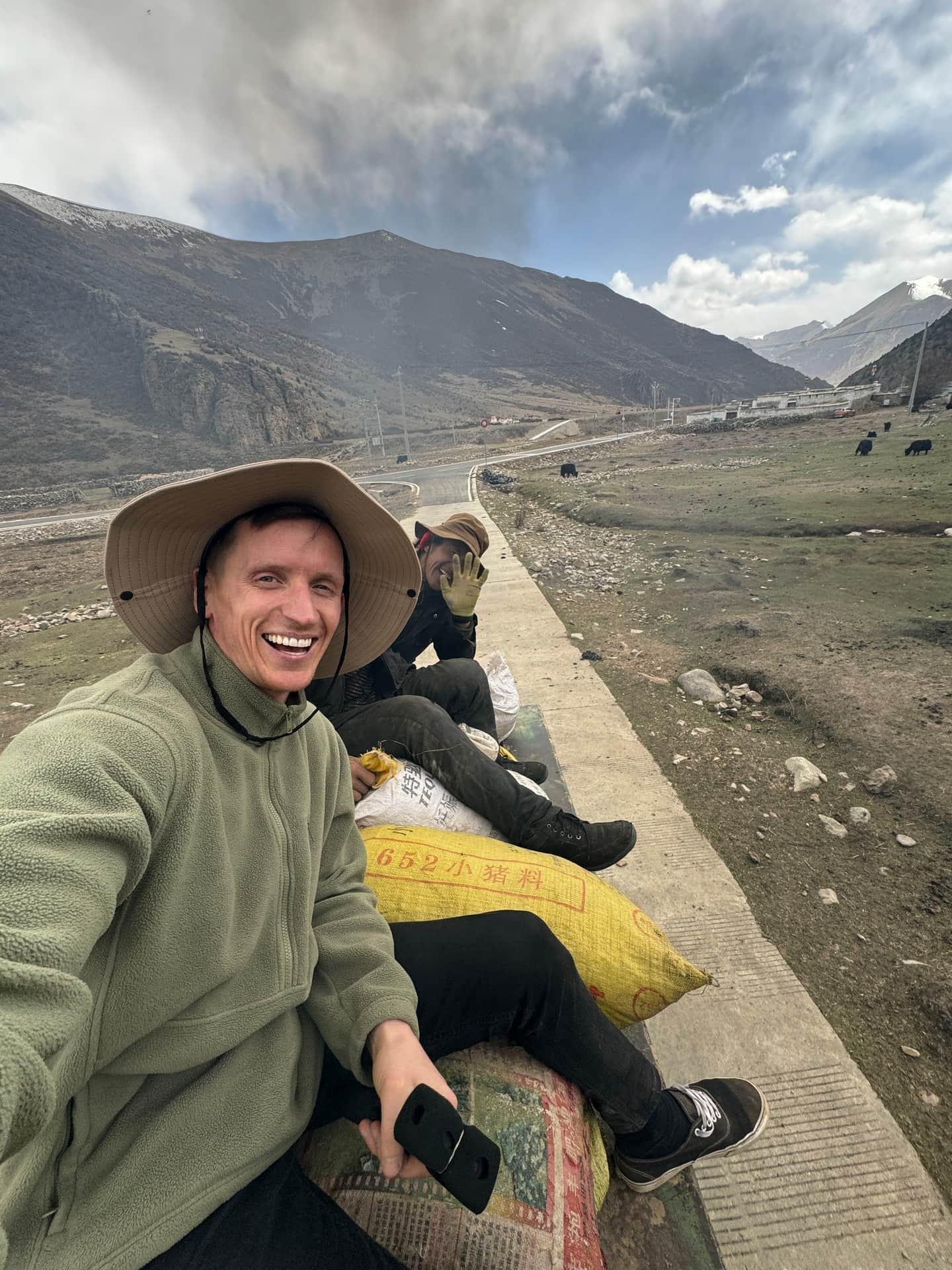
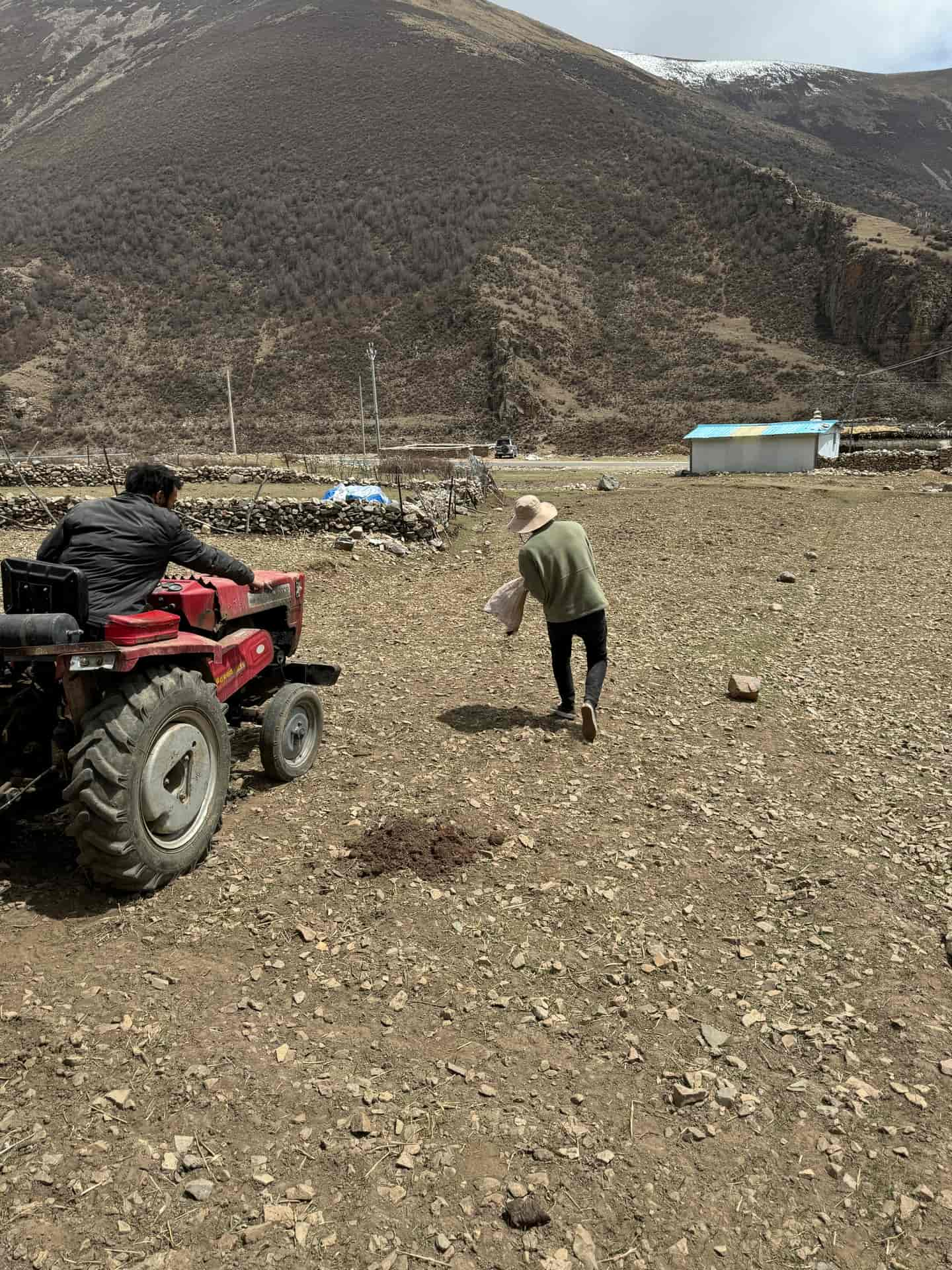
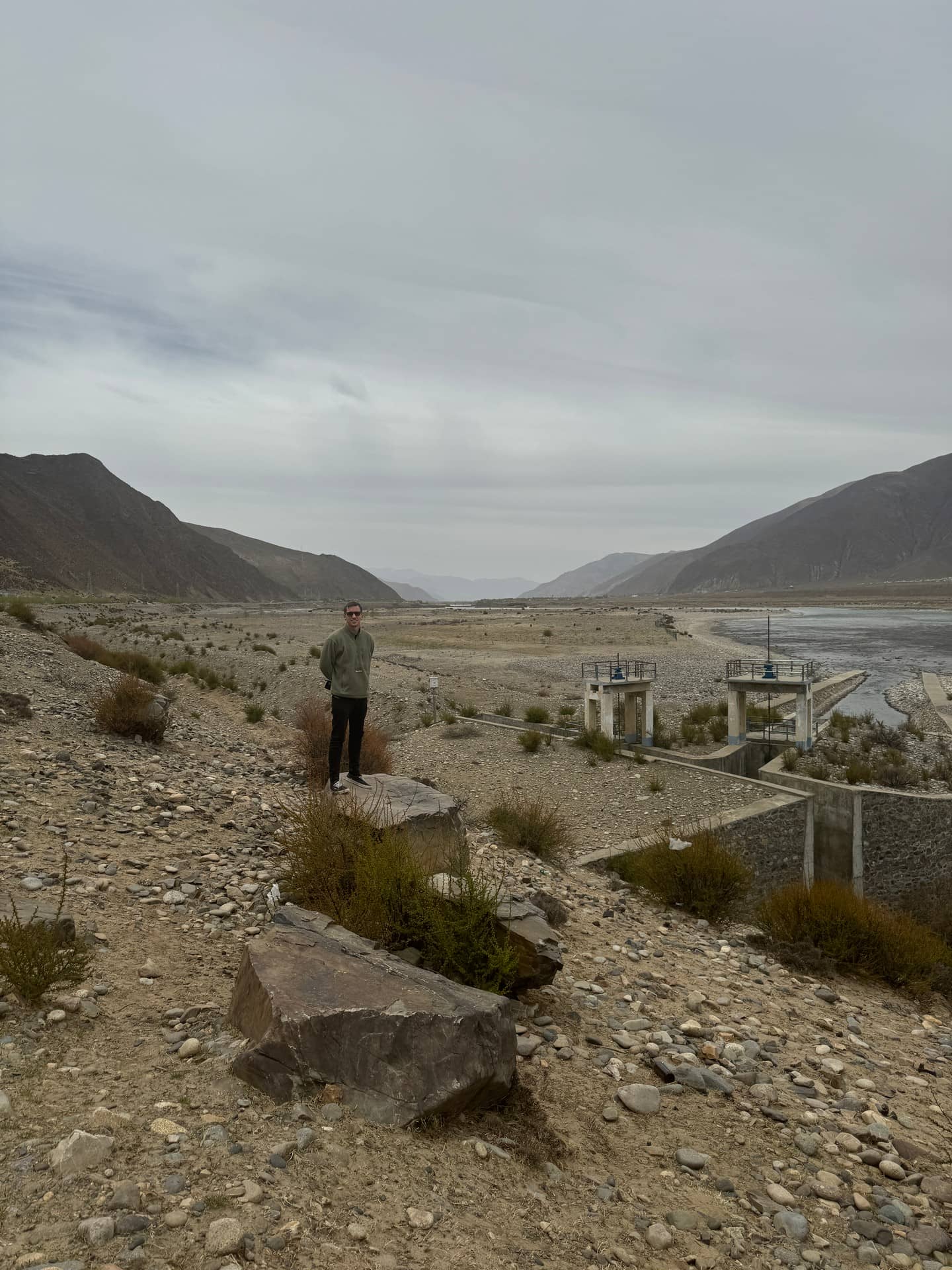
After a quick introduction, I noticed a small tractor leaving the house and asked if I could join in and help. Little did I know that we would spend the day working like true Tibetan farmers, spreading yak dung across every field in the village. This is their way of fertilizing the land and preparing for the incoming summer weather, when they hope to grow grass for the yaks to graze on.


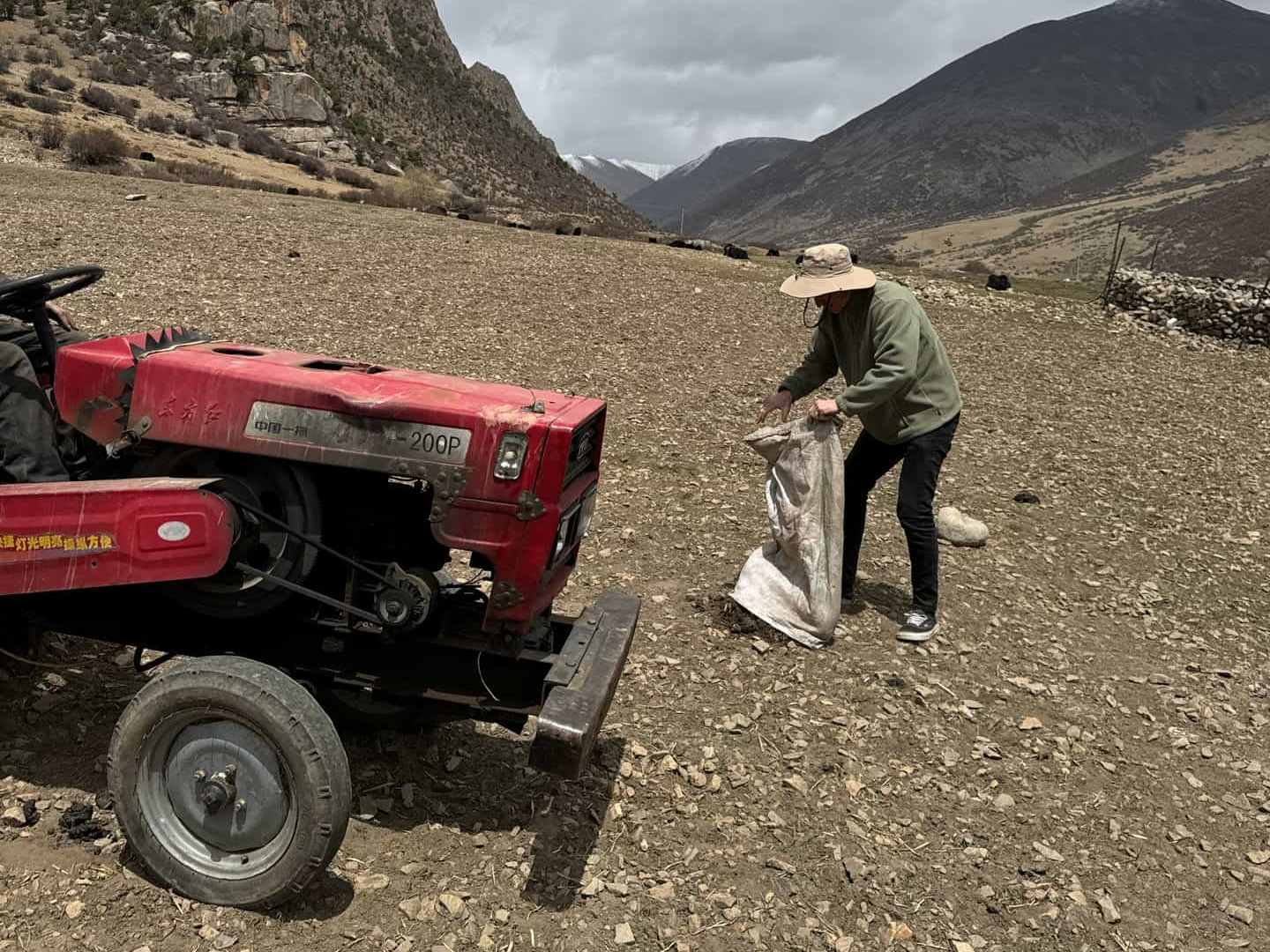
Lifting sh*t with a Tibetan family
FOOD & DRINK
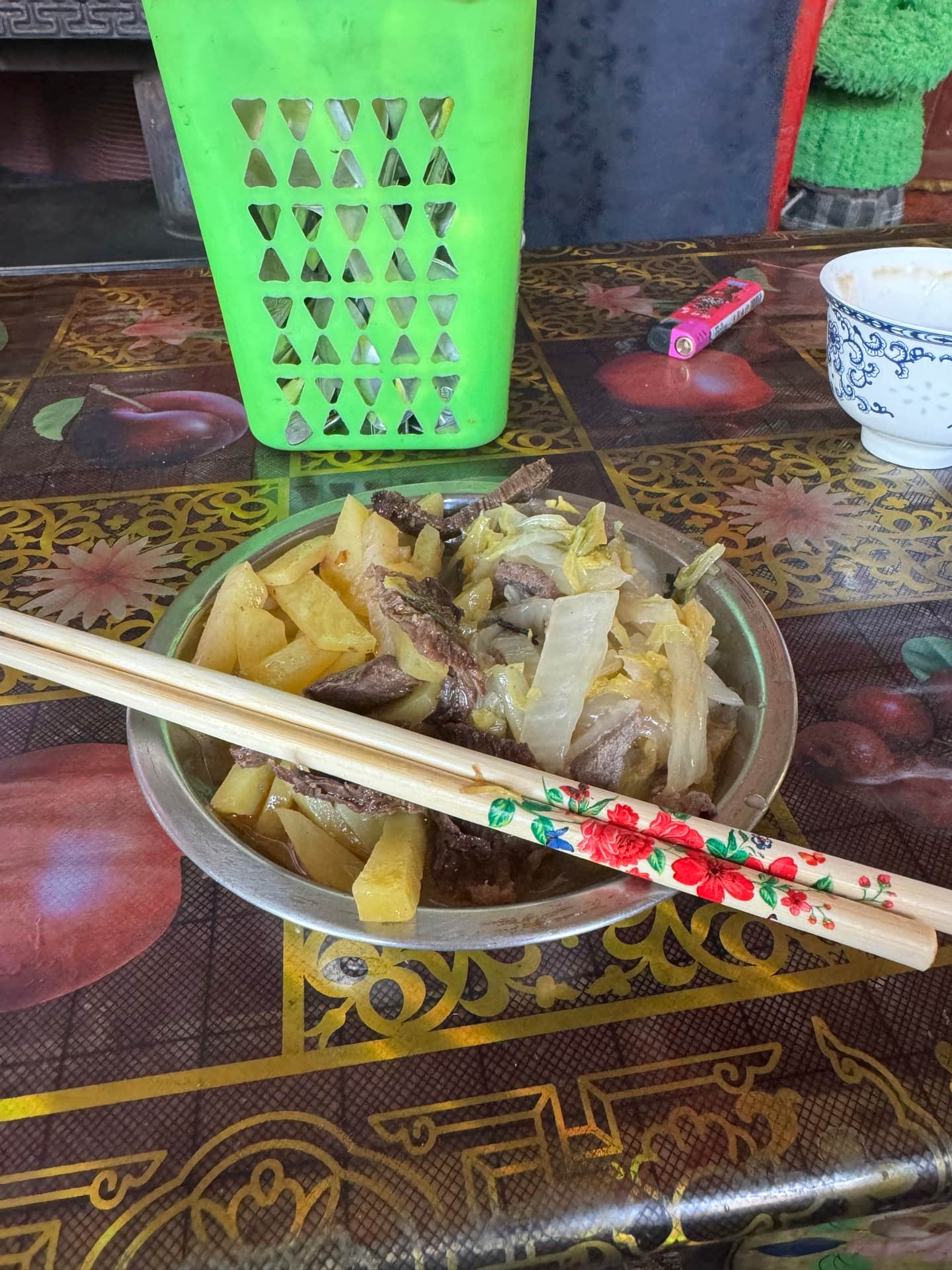
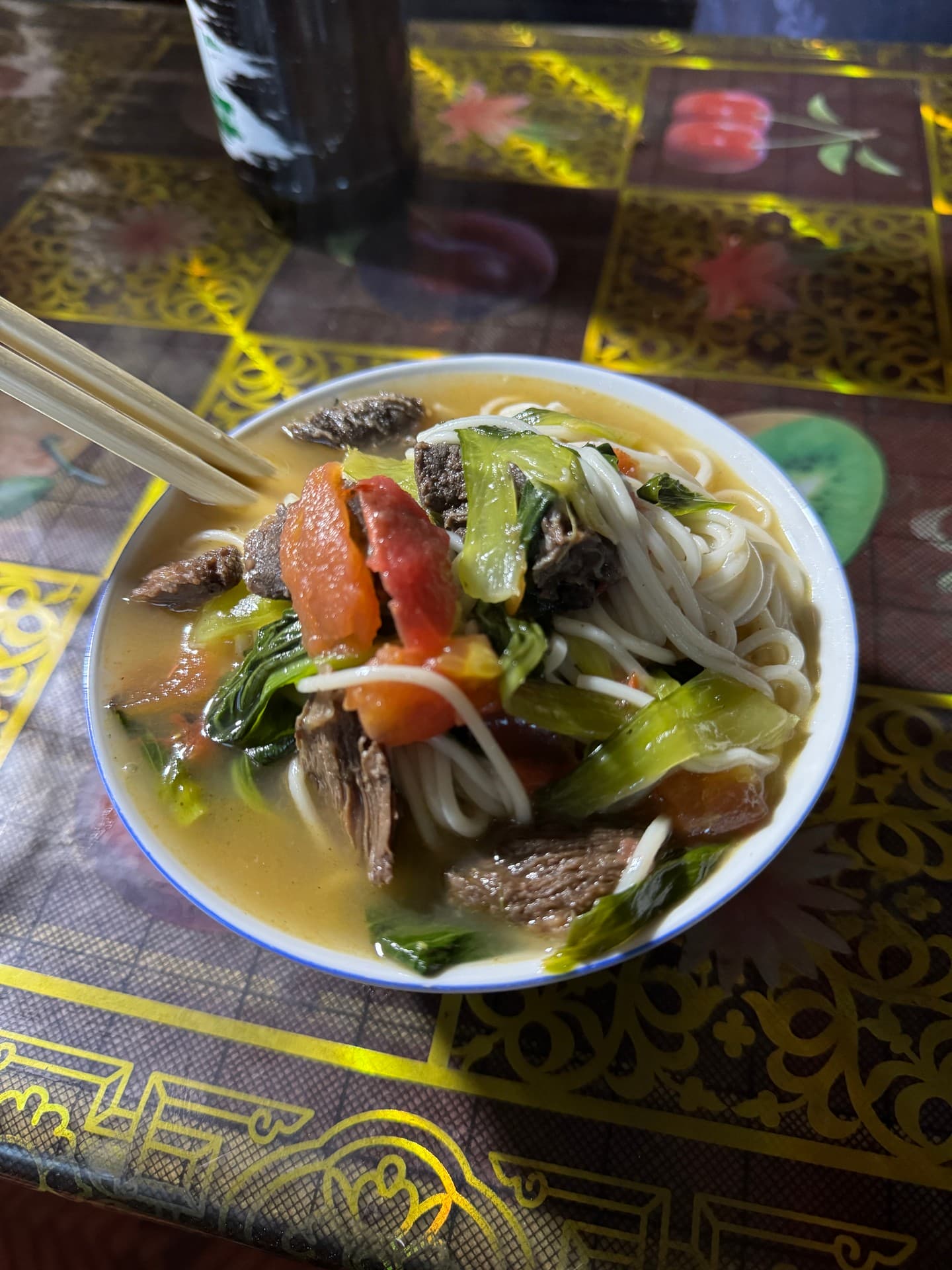
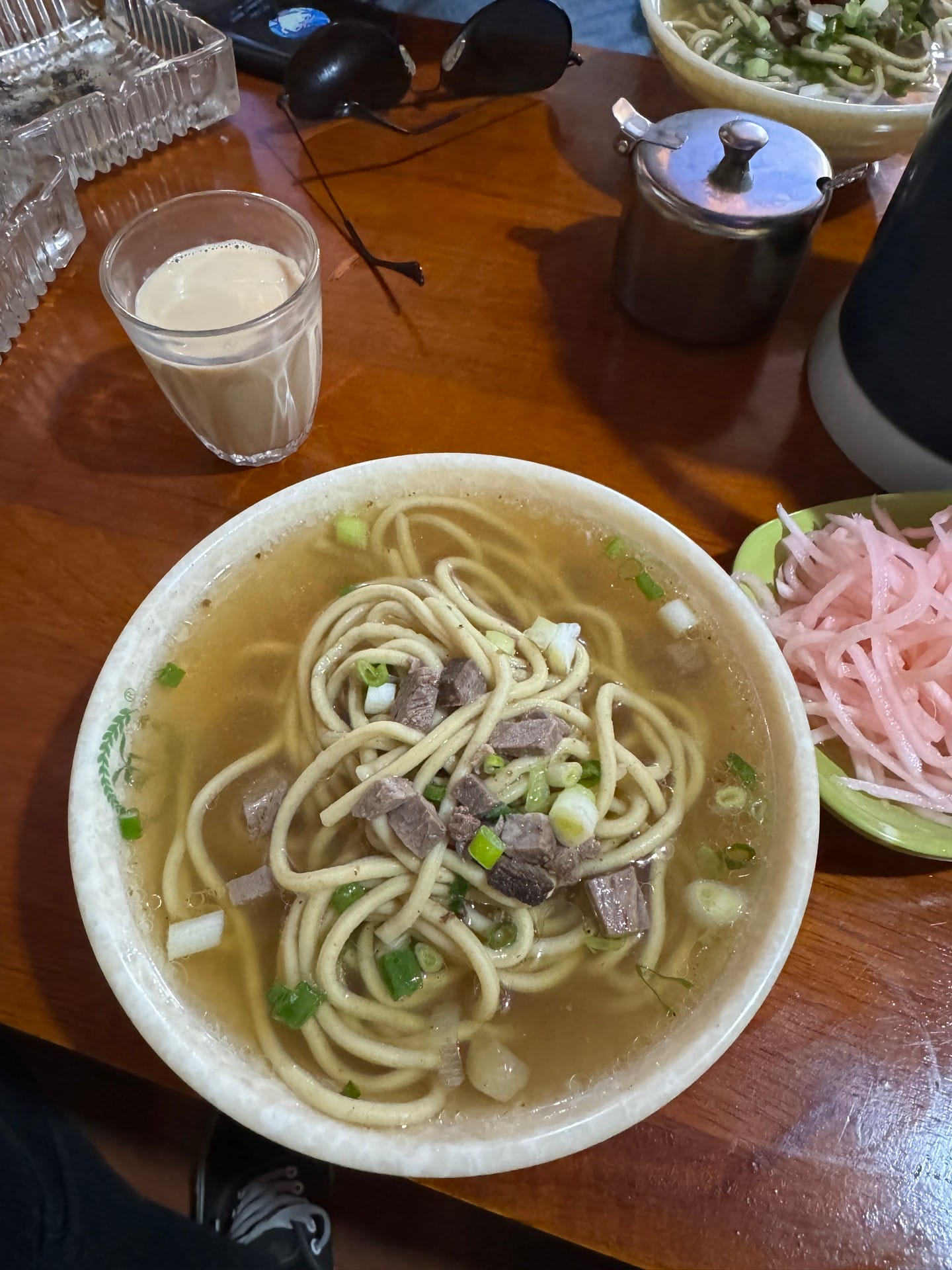
After a few hours of hard, unpaid labor, we headed back to the house for a feast—noodles, of course! A feast that would last most of the rest of the day. One thing I’m sure of about Tibet is that you will never leave a Tibetan family home hungry or thirsty. Anytime I took a bite of food or a sip of tea, it was immediately refilled.


Lifting sh*t with a Tibetan family
RELATED READ: SH*T SCARED AT THE GORILLA HABITUATION EXPERIENCE
YAK SUPPER
Before having dinner, we had to feed the calves. Interestingly, for a change, it wasn’t noodles on the menu but incredibly nourishing hay. I’ll be honest, I’m no farmer. I was happy to feed the calves, but I drew the line at the senior yaks, as they continually tried to charge at me whenever I walked past them to use the toilet.
FACTS ABOUT YAKS:
- Yaks are native to the Himalayan region and are superbly adapted to high altitudes, often found at elevations of 3,000 to 5,000 meters (9,800 to 16,400 feet) above sea level.
- Yaks have several adaptations that help them survive in their rugged habitat. Their long, shaggy hair provides insulation against the cold, while their large lungs and efficient metabolism enable them to extract oxygen effectively from the thin mountain air.
- Yaks serve as invaluable livestock for the people of the Himalayan region, providing meat, milk, fiber, and transportation. Moreover, yaks are used as pack animals, carrying heavy loads across rugged mountain trails, and they play a crucial role in the cultural and economic life of Himalayan communities.
BED
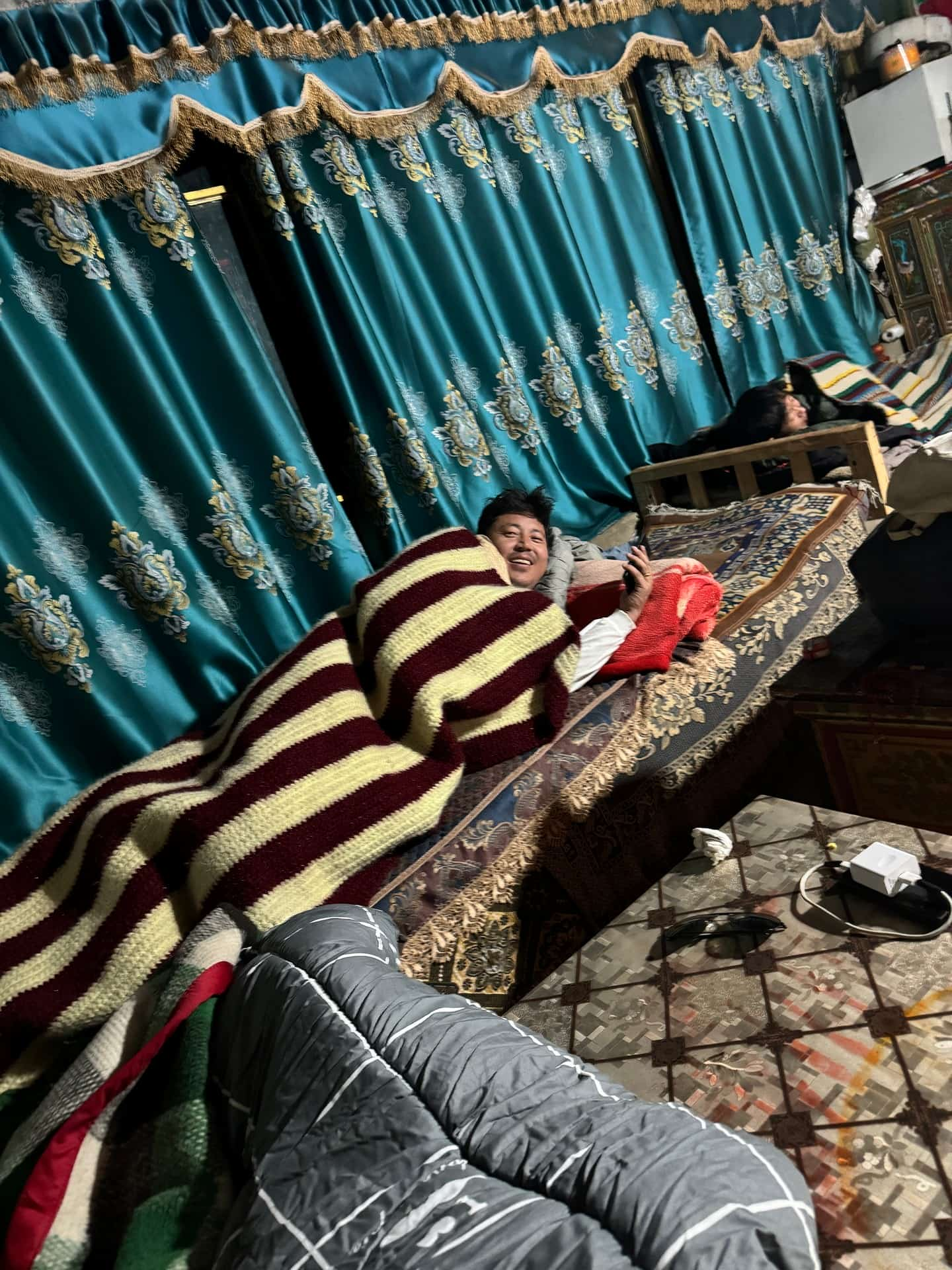
After more noodles and sweet tea, it was time for bed. I’ve resorted to p*ssing around the corner, so I didn’t have to pass the Yaks in the dark, come try and see how you get on! The temperature tonight is going to be -9, but our Tibetan family hosts have given us all 3 blankets each, so I’m hoping that will do the trick!


Lifting sh*t with a Tibetan family
DAY 10, LOCAL MONASTERY
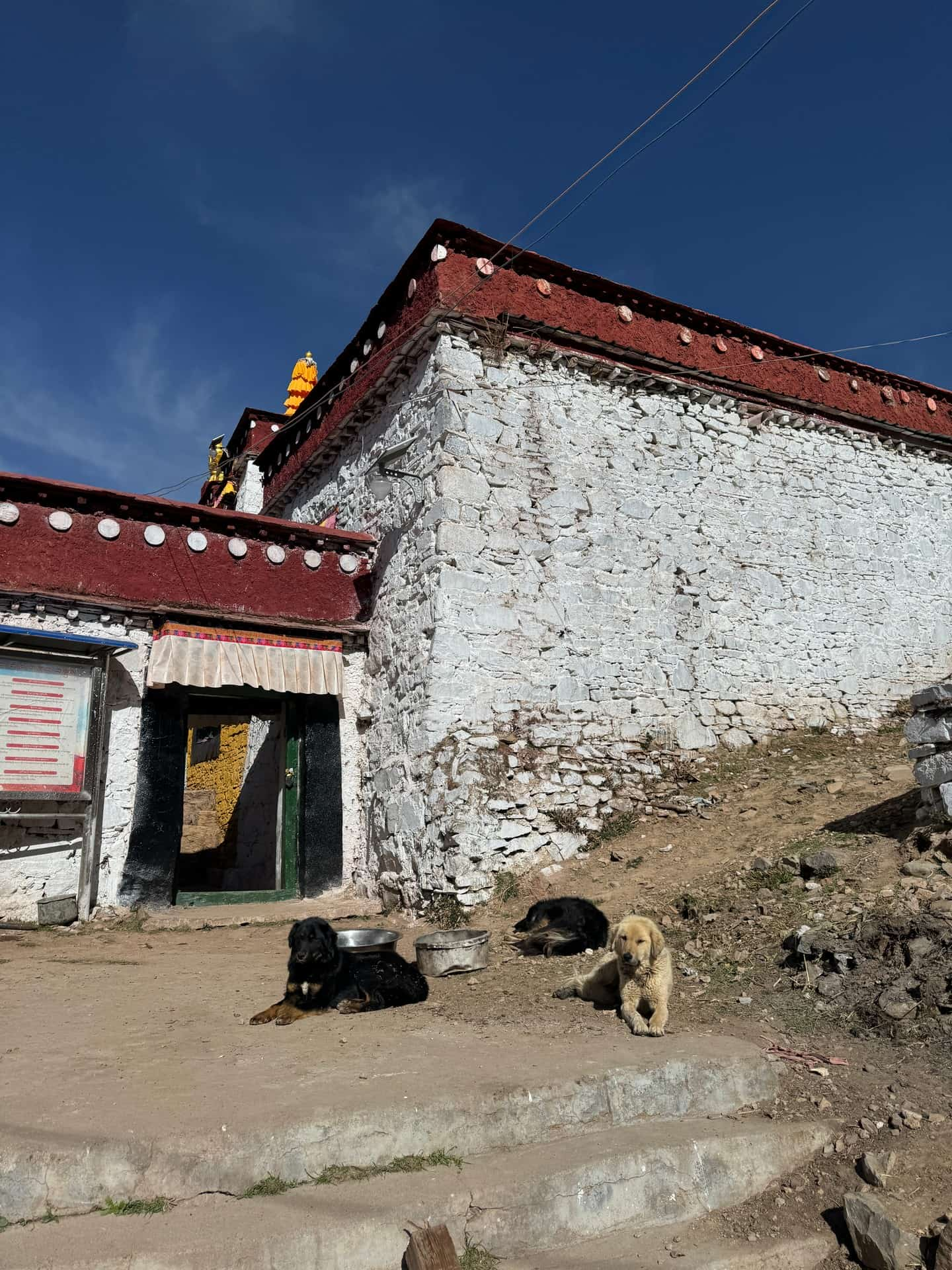
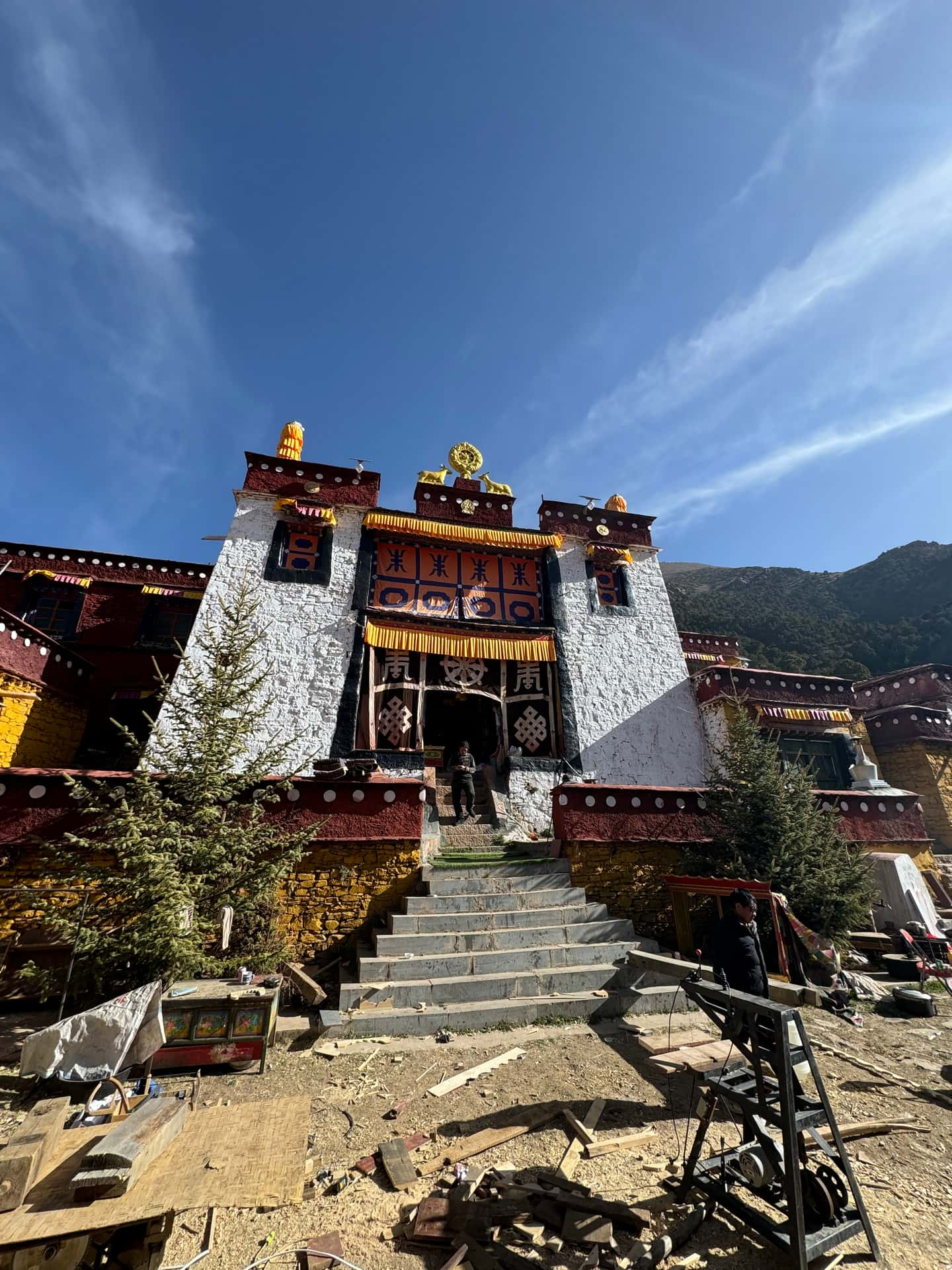
After what was surprisingly the best sleep of the trip, we headed to the local monastery to visit the local monk. The idea was to spend some time with him and experience what life is like as a Lama here in Rural Tibet, but unfortunately, someone died in the nearby village, and he had to go and support the family.
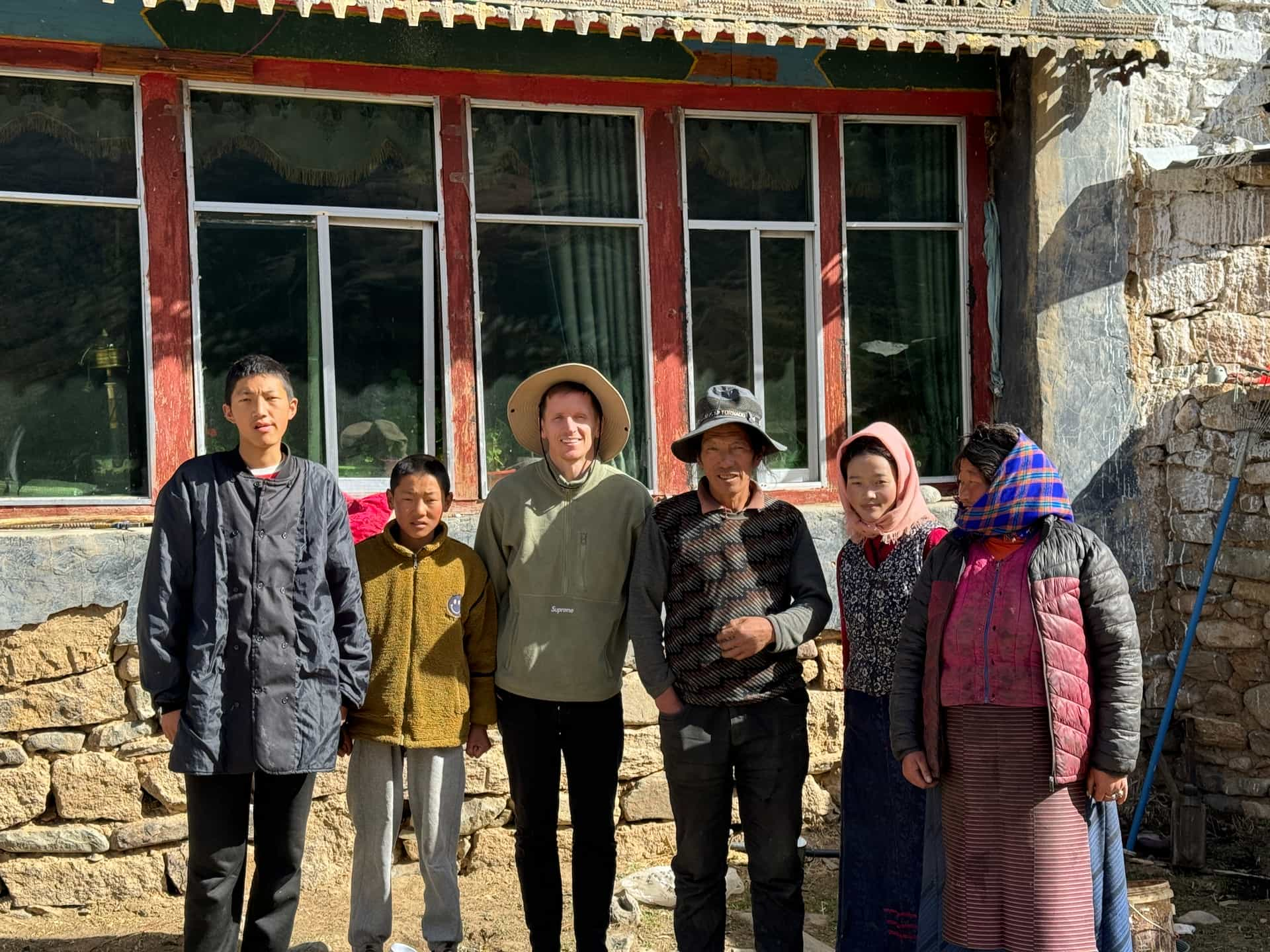


Lifting sh*t with a Tibetan family


THE ST. REGIS
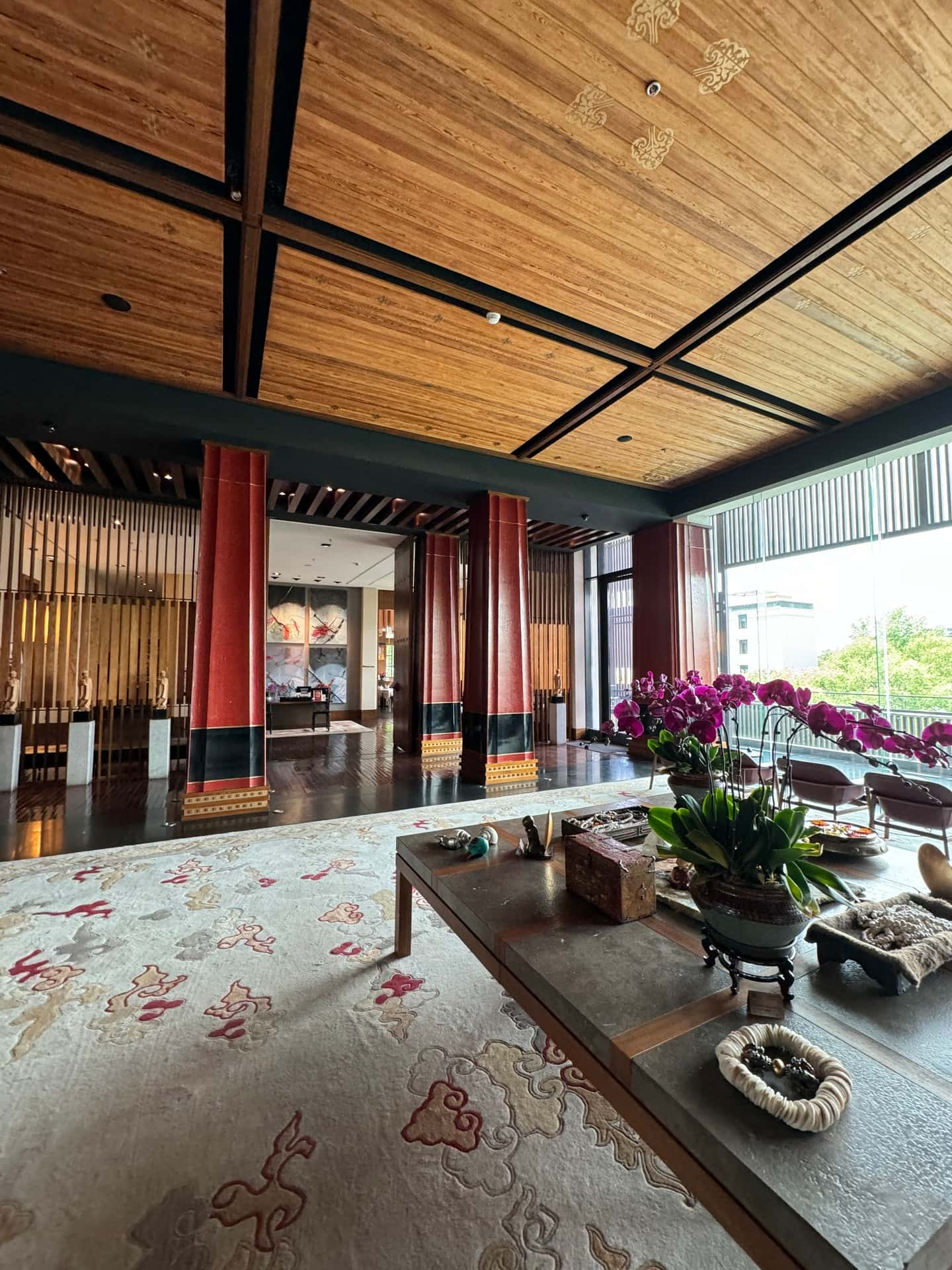
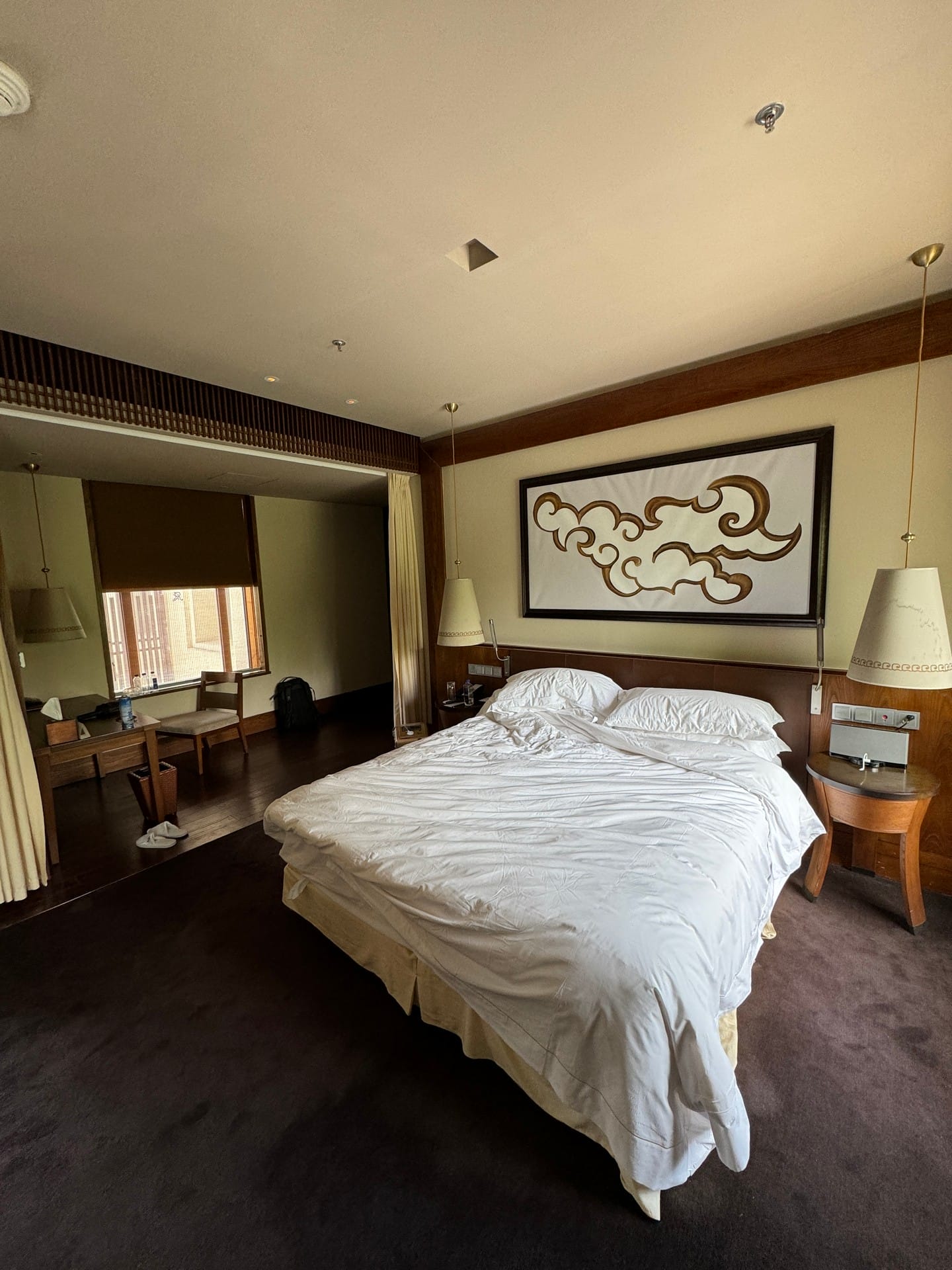
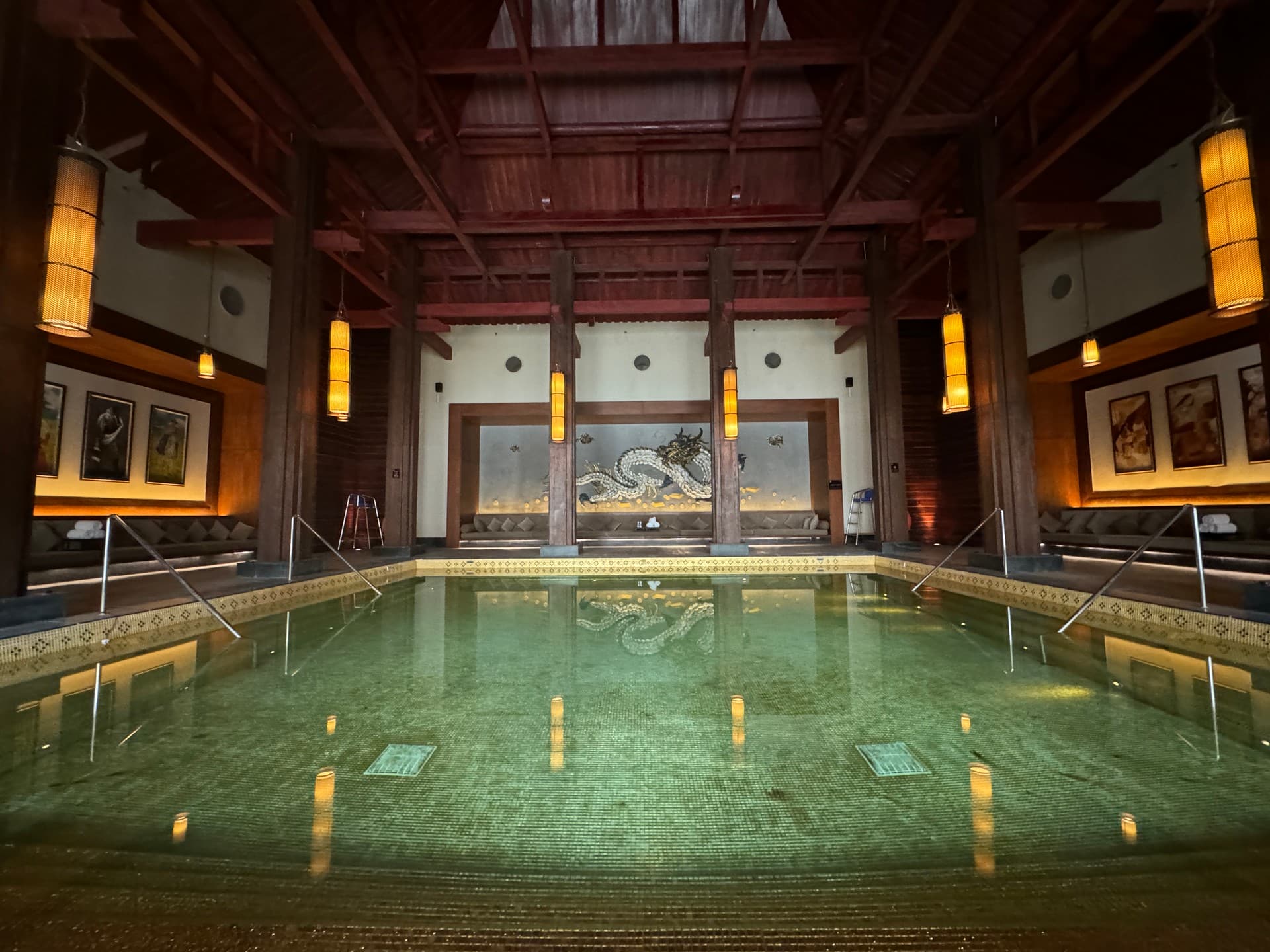
After sleeping and sh*ting on all sorts during my Tibetan family homestay, I decided to splash out on the last few nights and stay in the St Regis, Tibet’s best hotel.
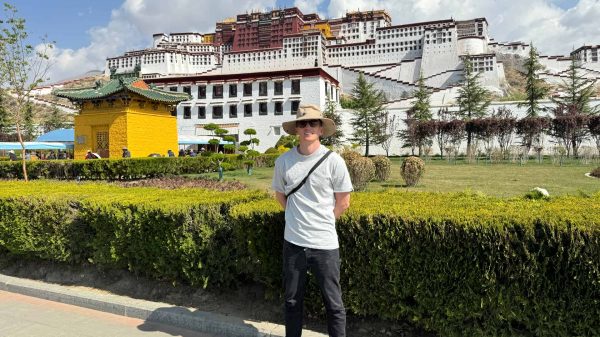
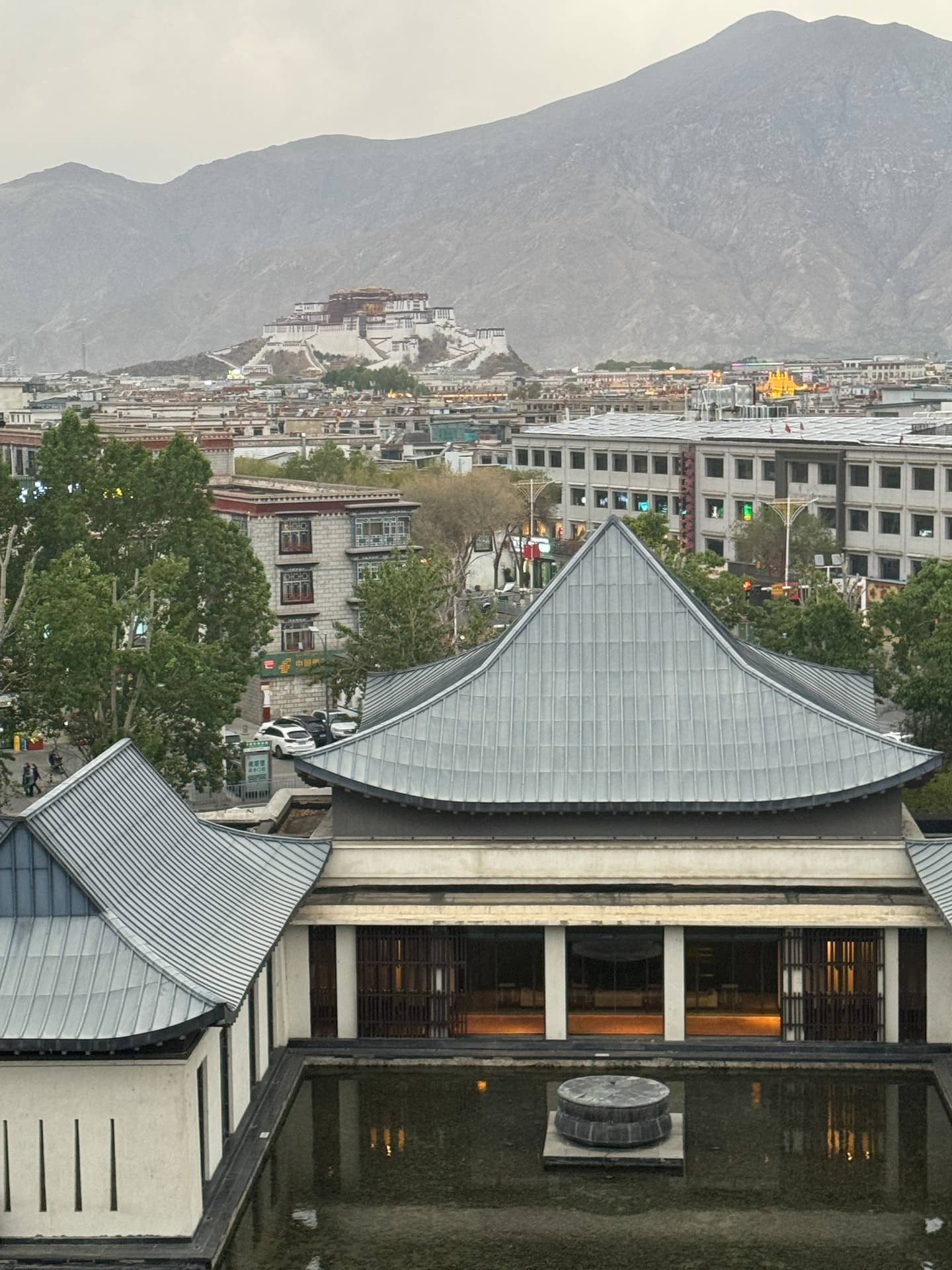
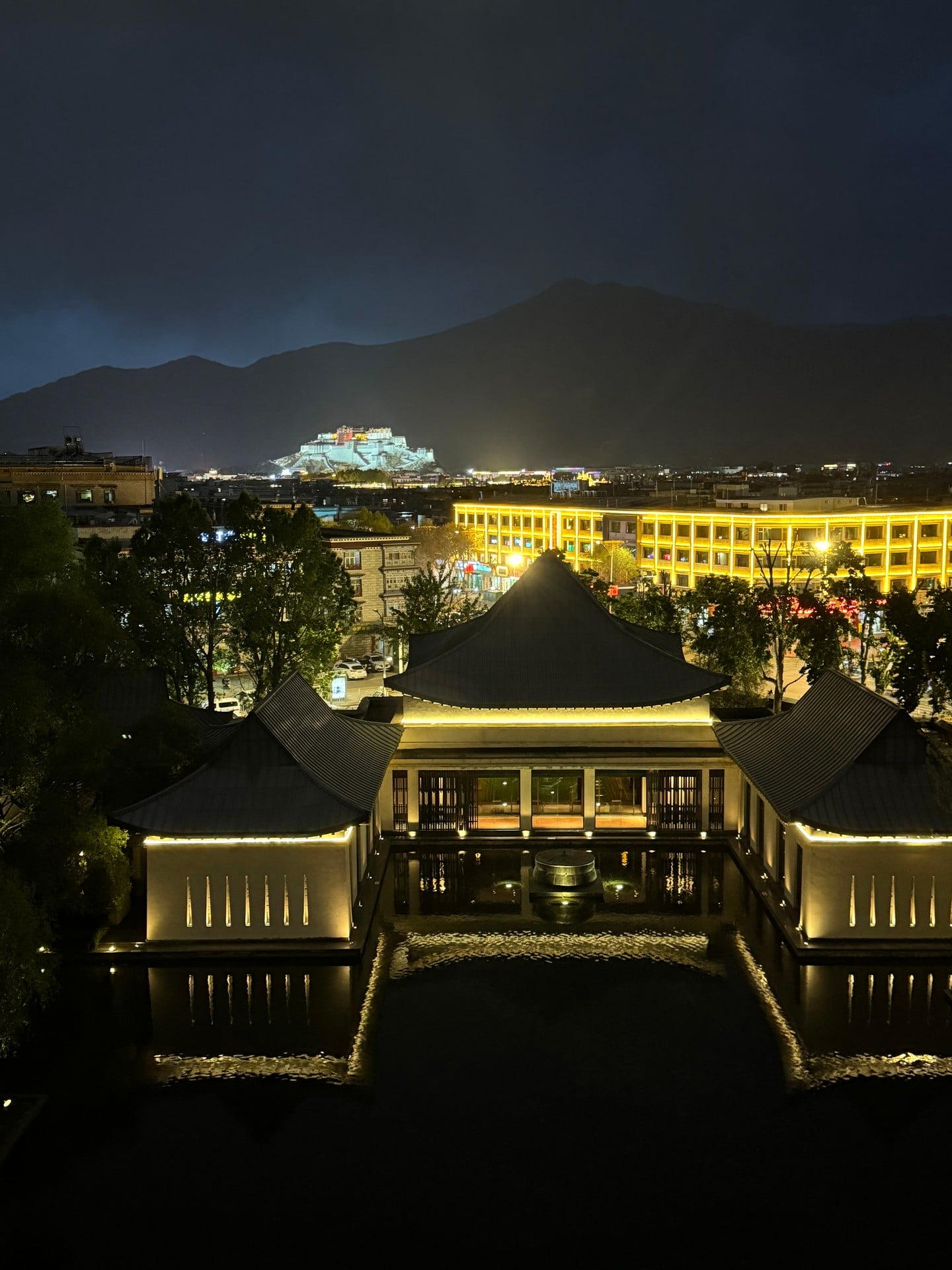
It’s well known that five-star hotels are not equal around the world, but this one surprised me. Besides the swimming pool being closed, it was excellent, with a wide range of facilities, including a cigar lounge, spa, oxygen machines in every room, and a sixth-floor bar with incredible views of the Potala Palace.
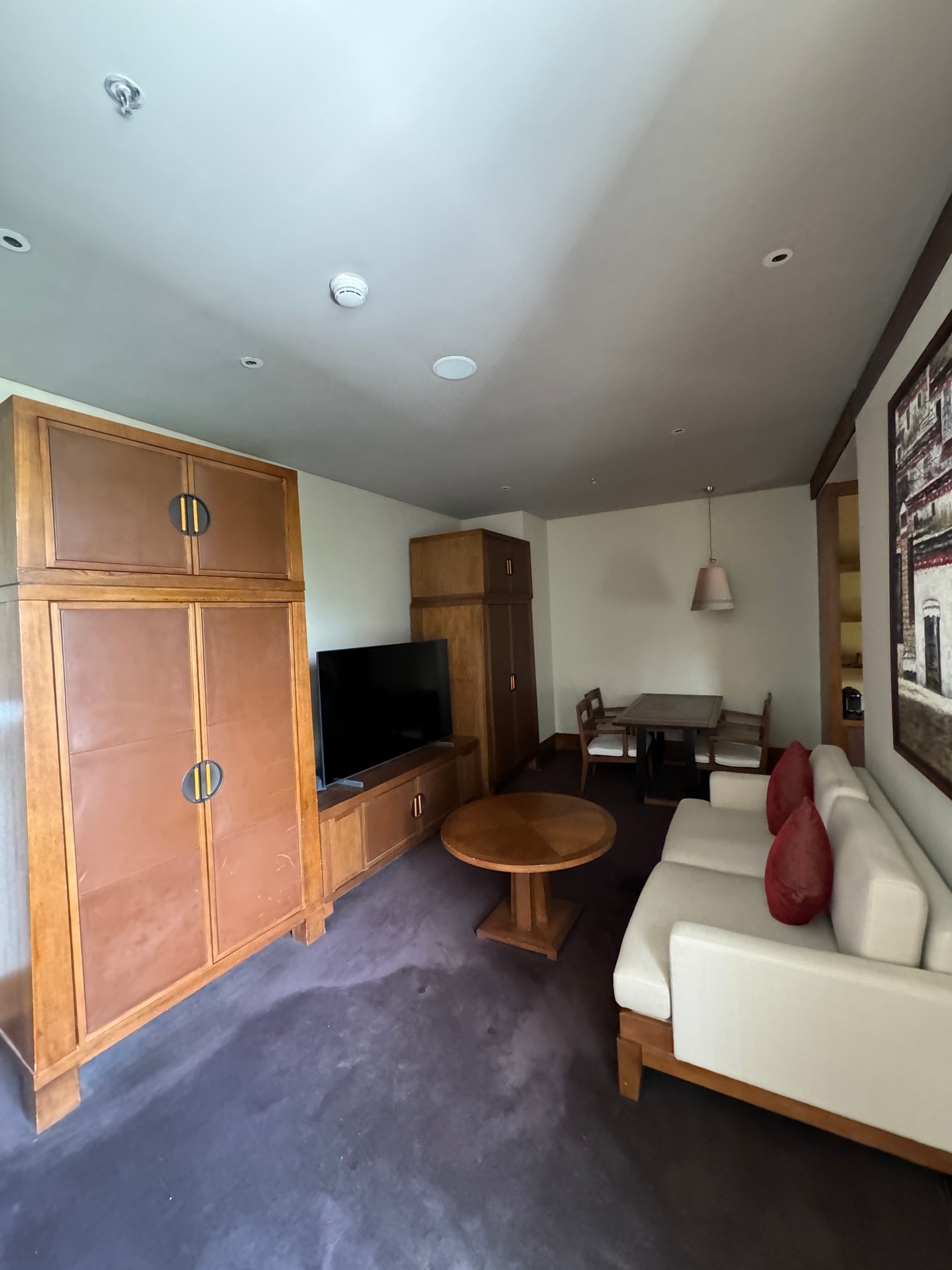
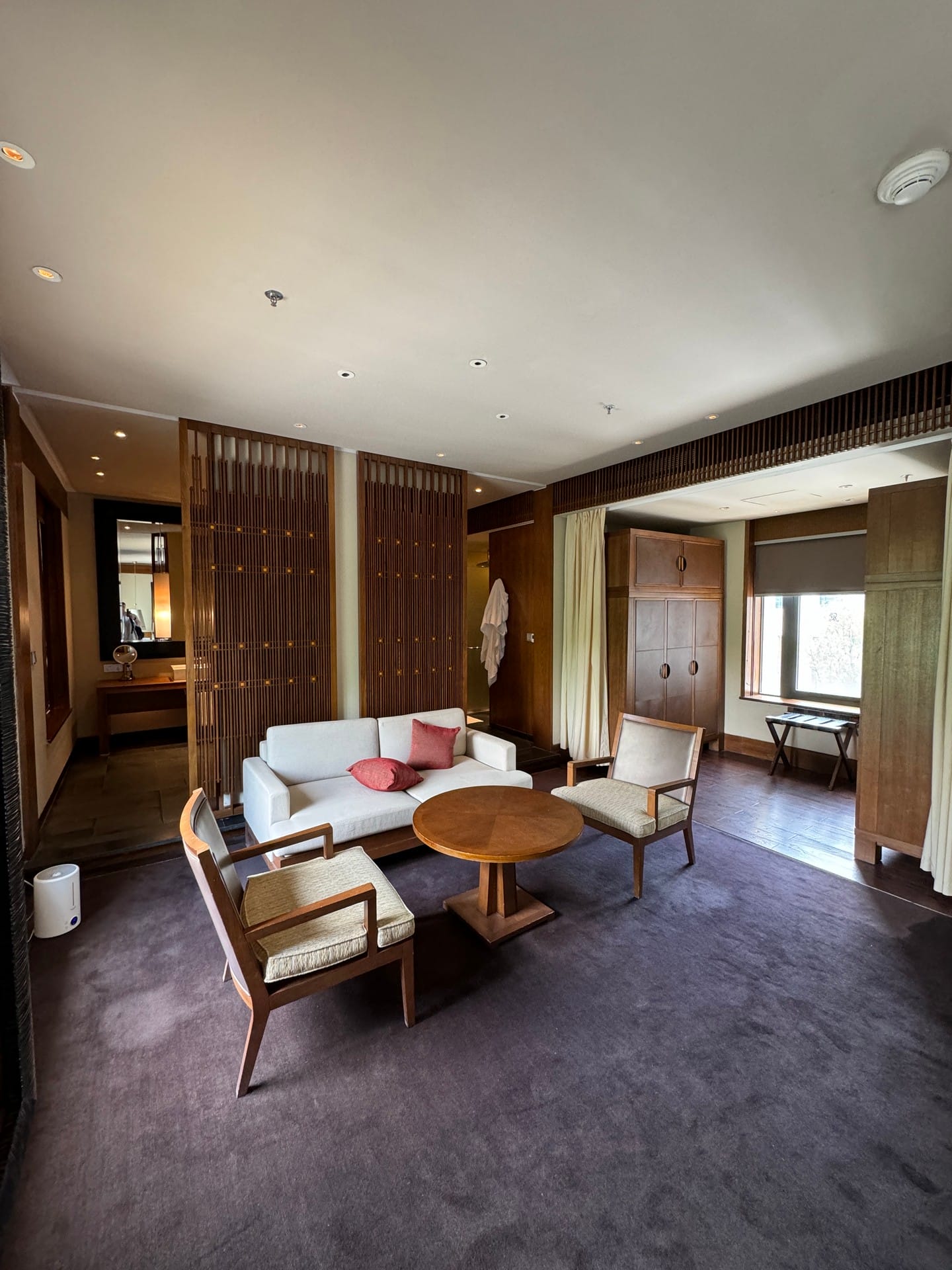
They also upgraded me for free from a junior suite to something the size of a small house. It had 2 lounges, a huge bathroom, a dinner table, walk in wardrobe and a work station. It’s when you stay in places like this that you realise two nights is not enough!


DAY 10 – THE FIERCEST DOGS IN THE WORLD
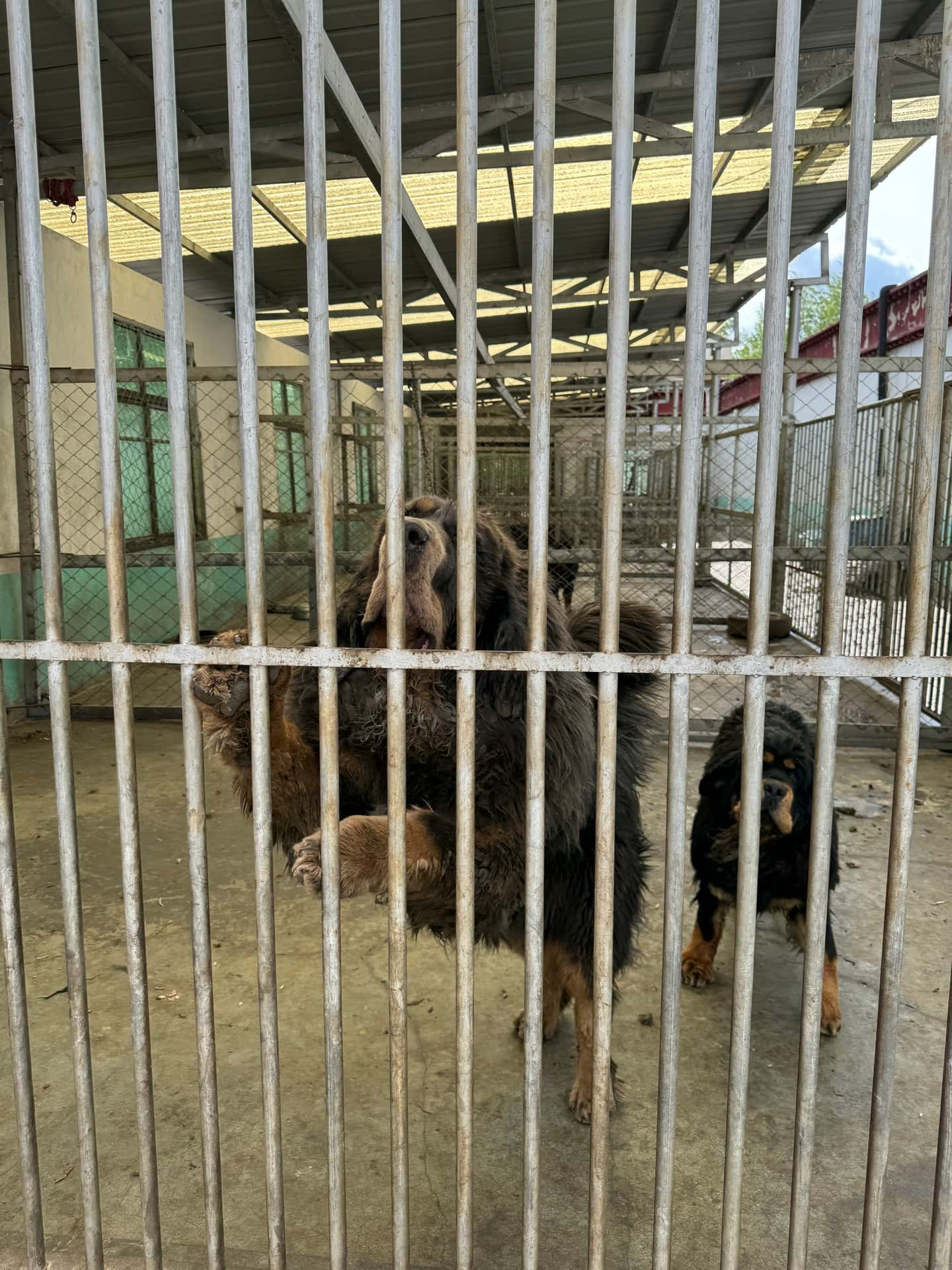
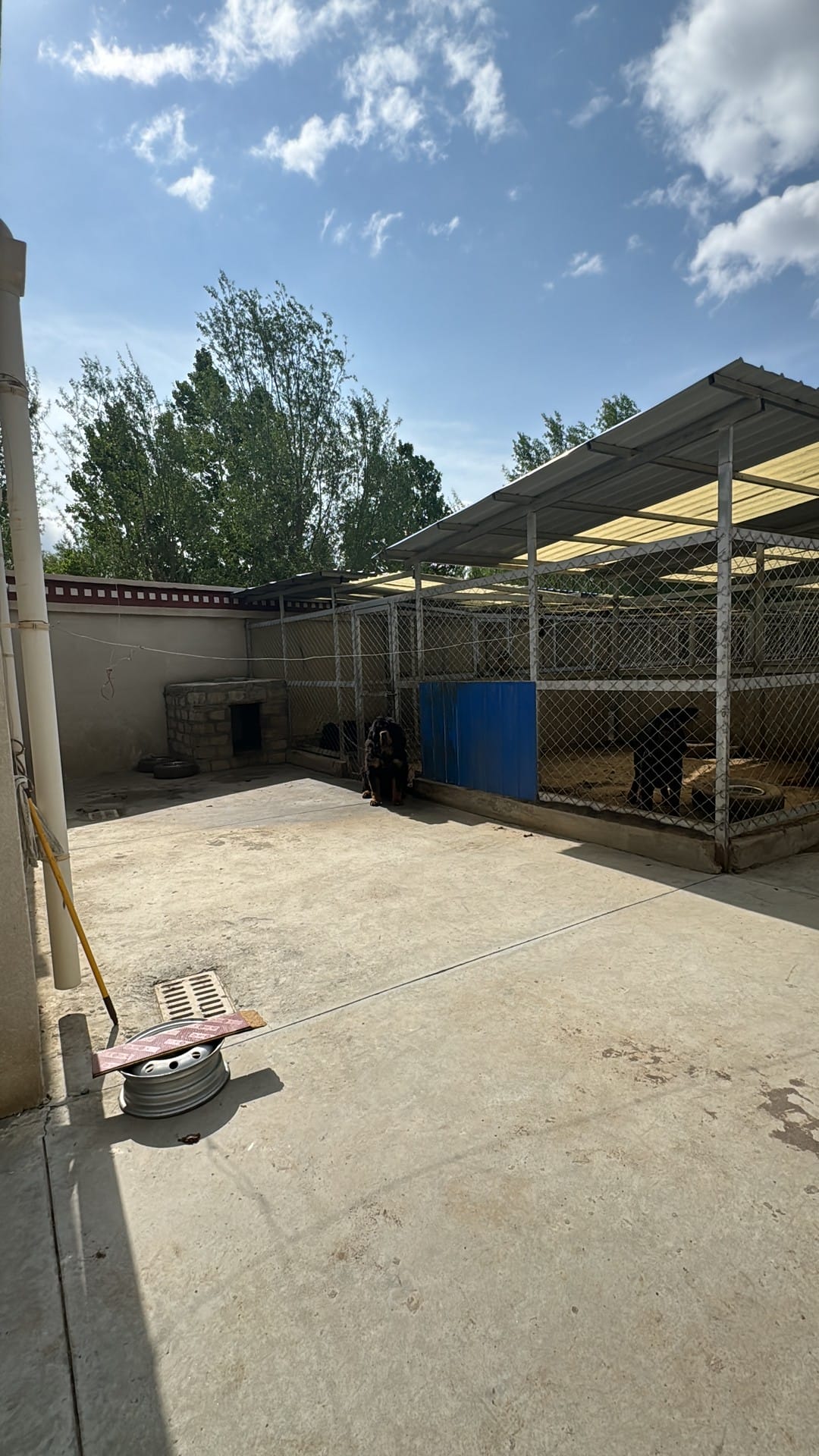
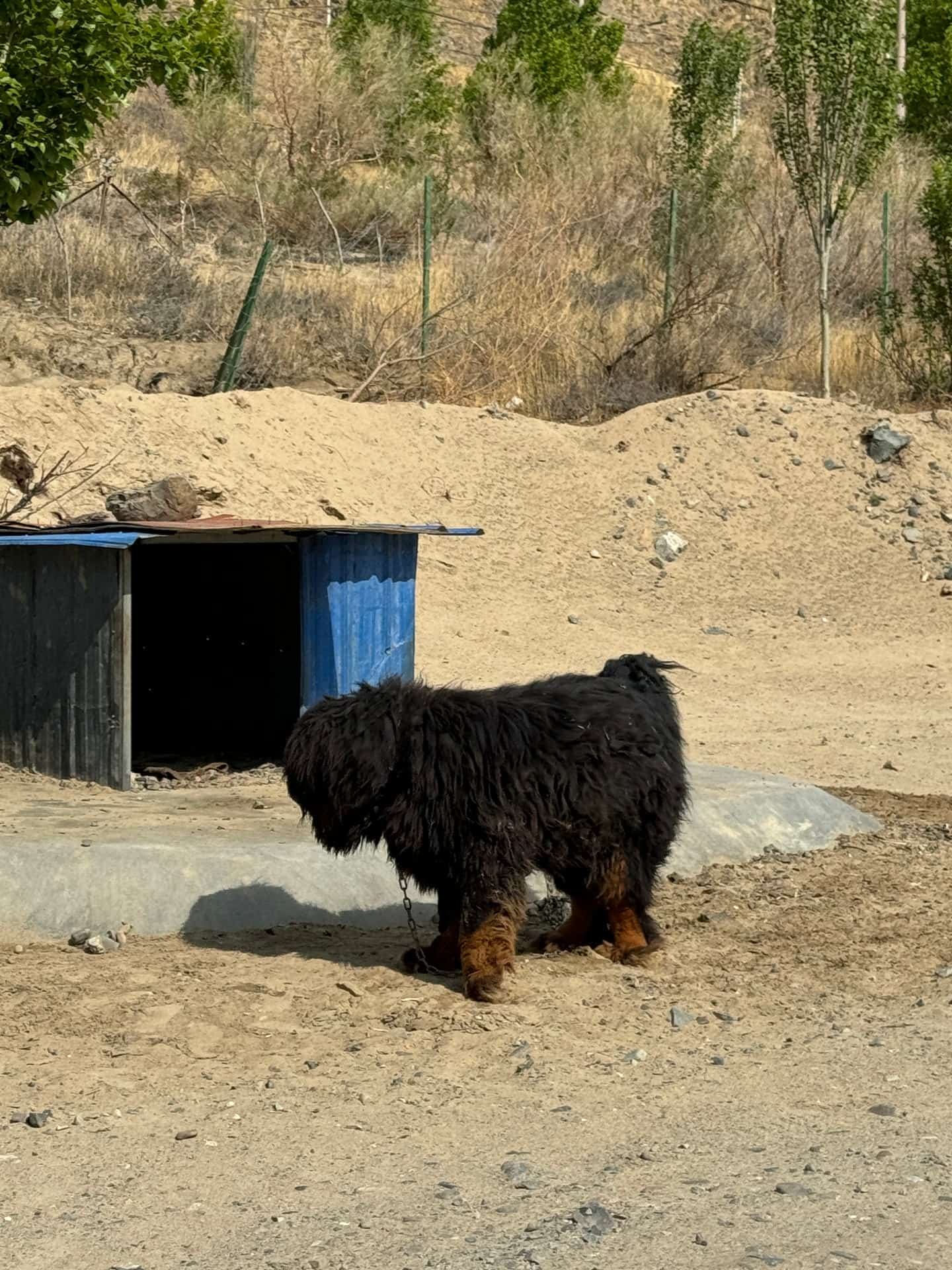
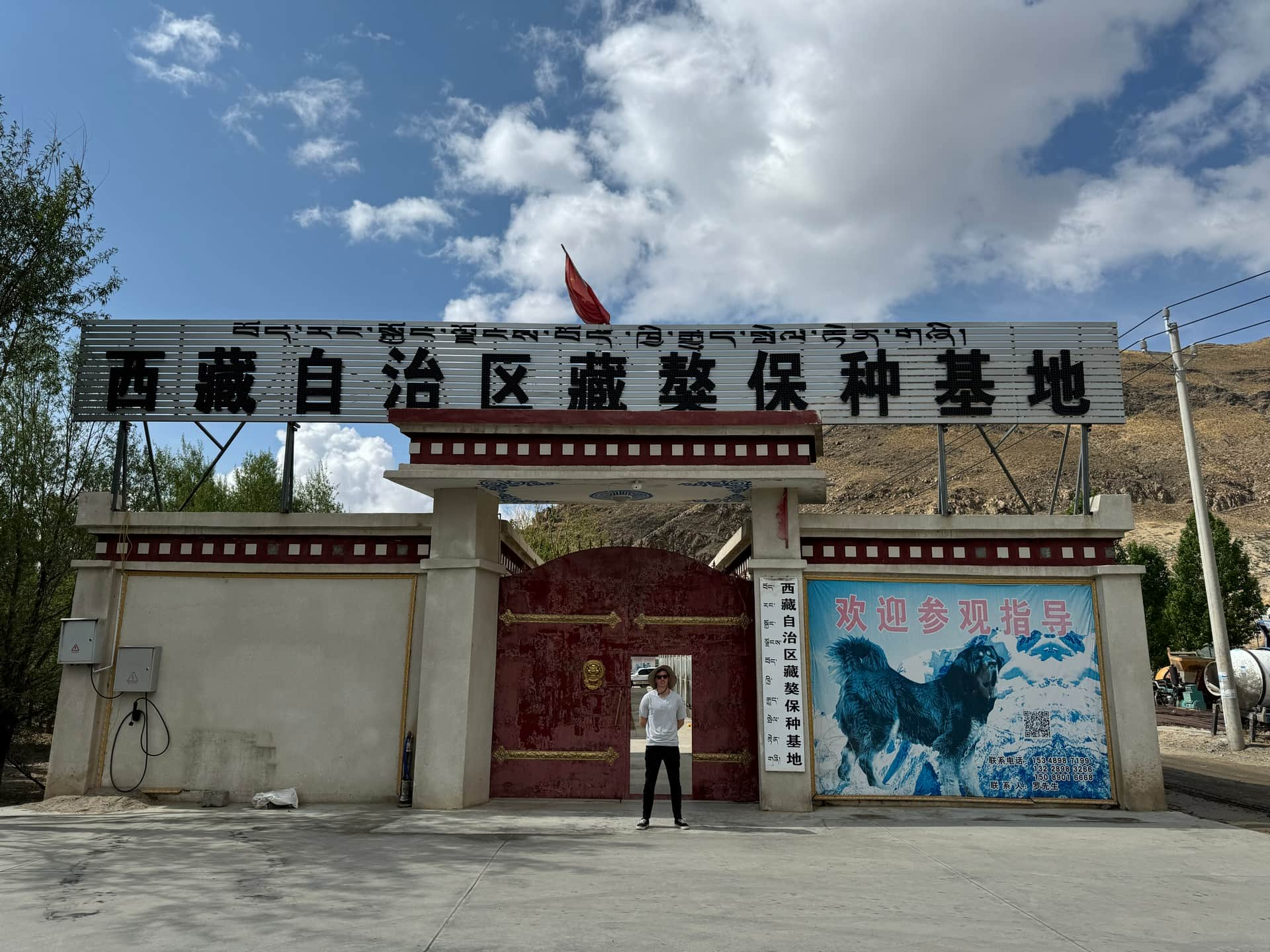
After I enjoyed the hotel last night, we headed to meet a few Tibetan Mastiffs. For this experience, I was expecting to get close and personal with these animals, maybe get a cuddle and take one for a walk. Well… to say these dogs would have eaten me alive is an understatement! I have not been this intimidated in a long time! Fair enough, one can kill 5 wolves, but I was told they were docile!


LOCAL FAIR
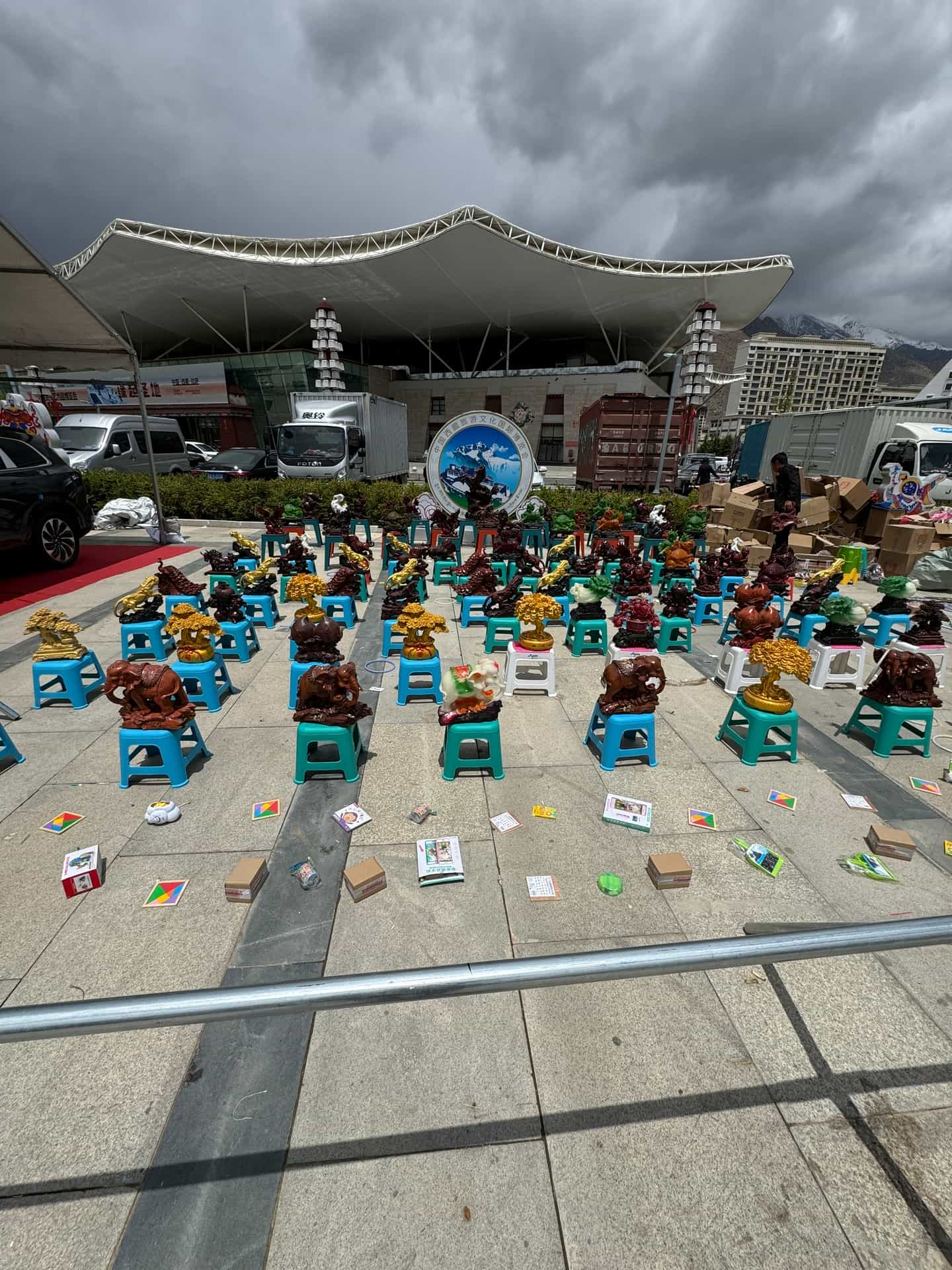
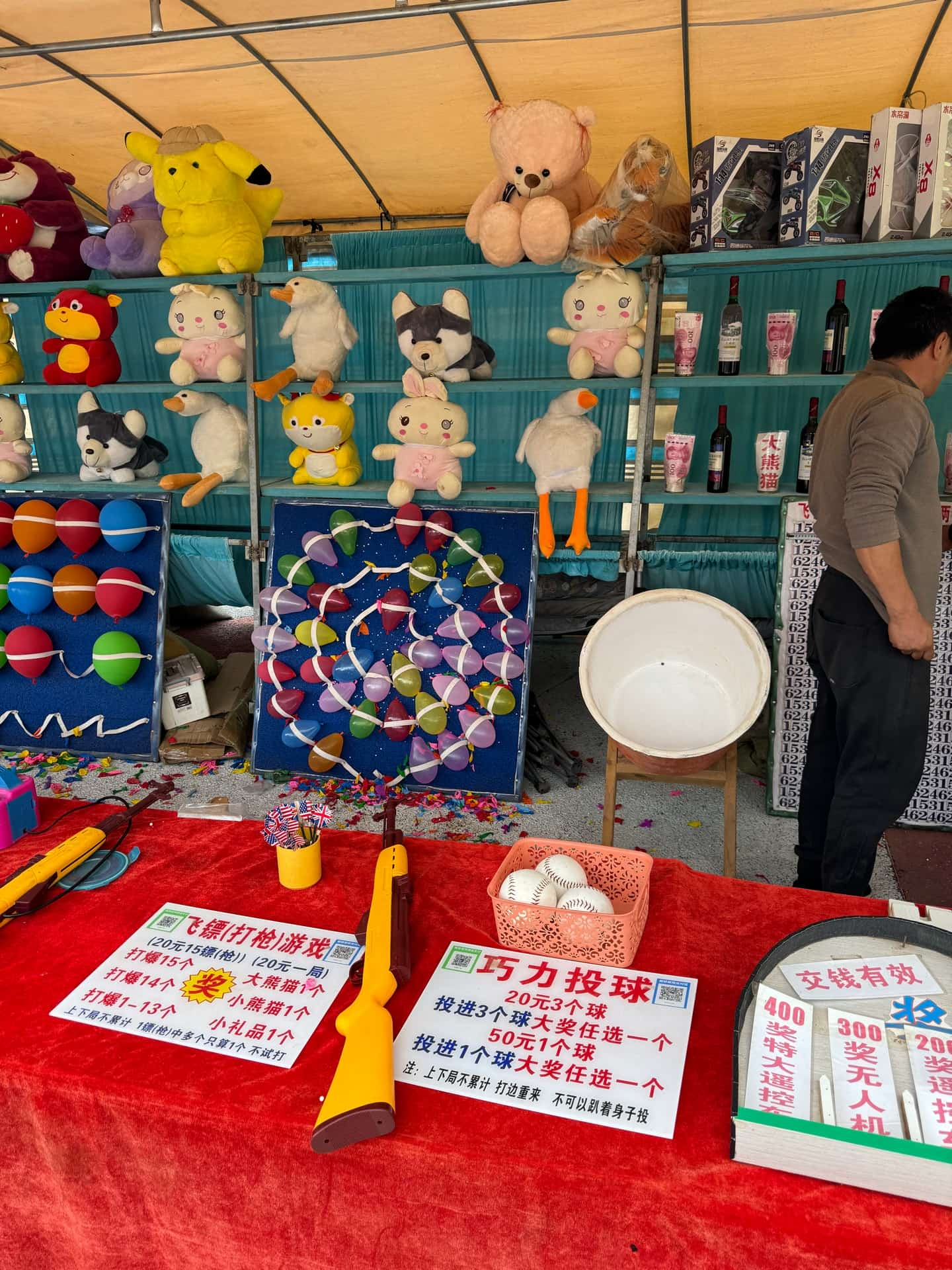
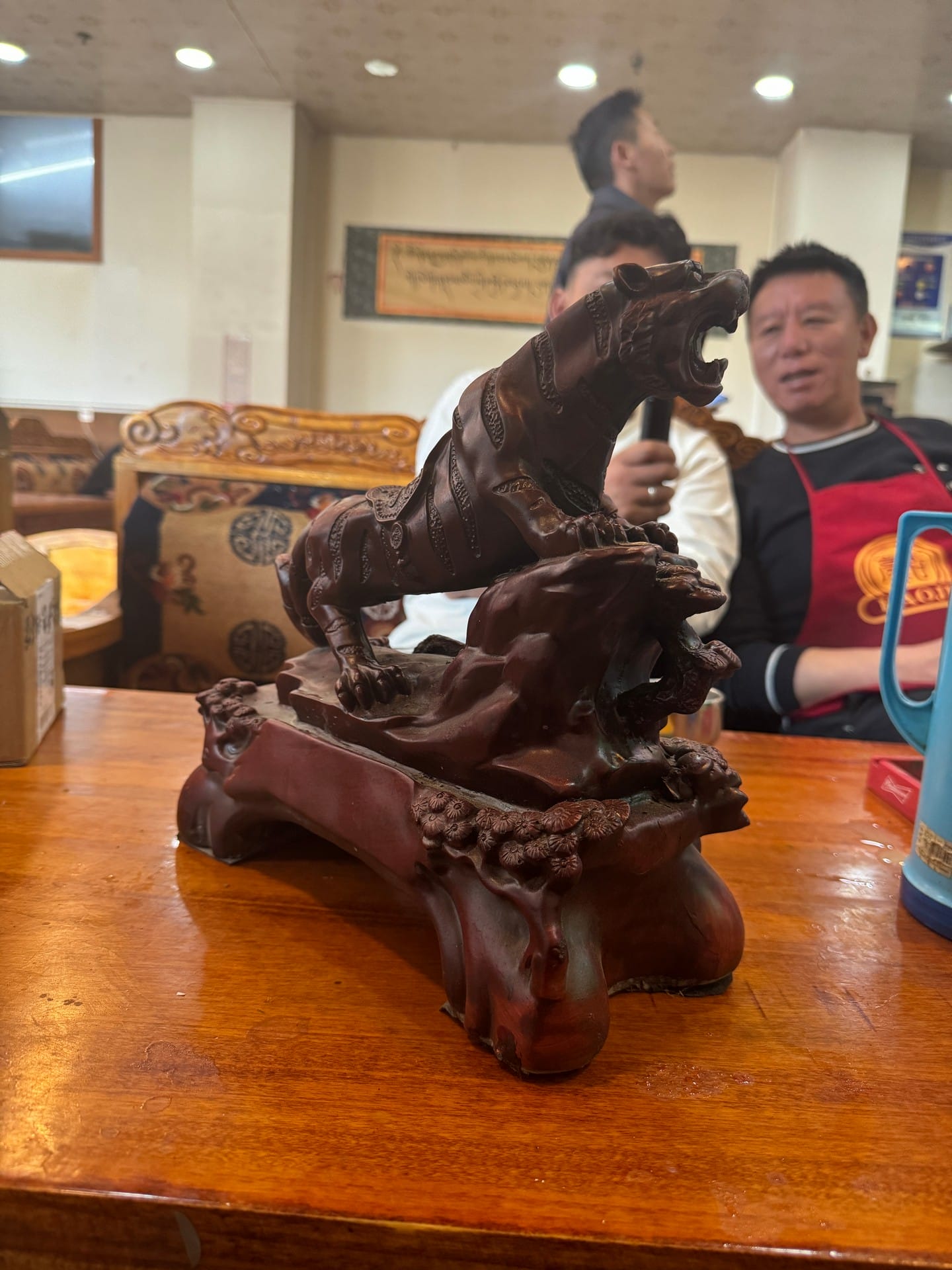
On our way to a local teahouse, we stopped at the city fair where we spotted a few of China’s best fake cars and had a few goes at some of the games. Like most games, these were almost impossible, but we were still lucky enough to win twice, a wooden carved tiger and a large teddy, not bad for a day’s work.


LOCAL TEAHOUSE
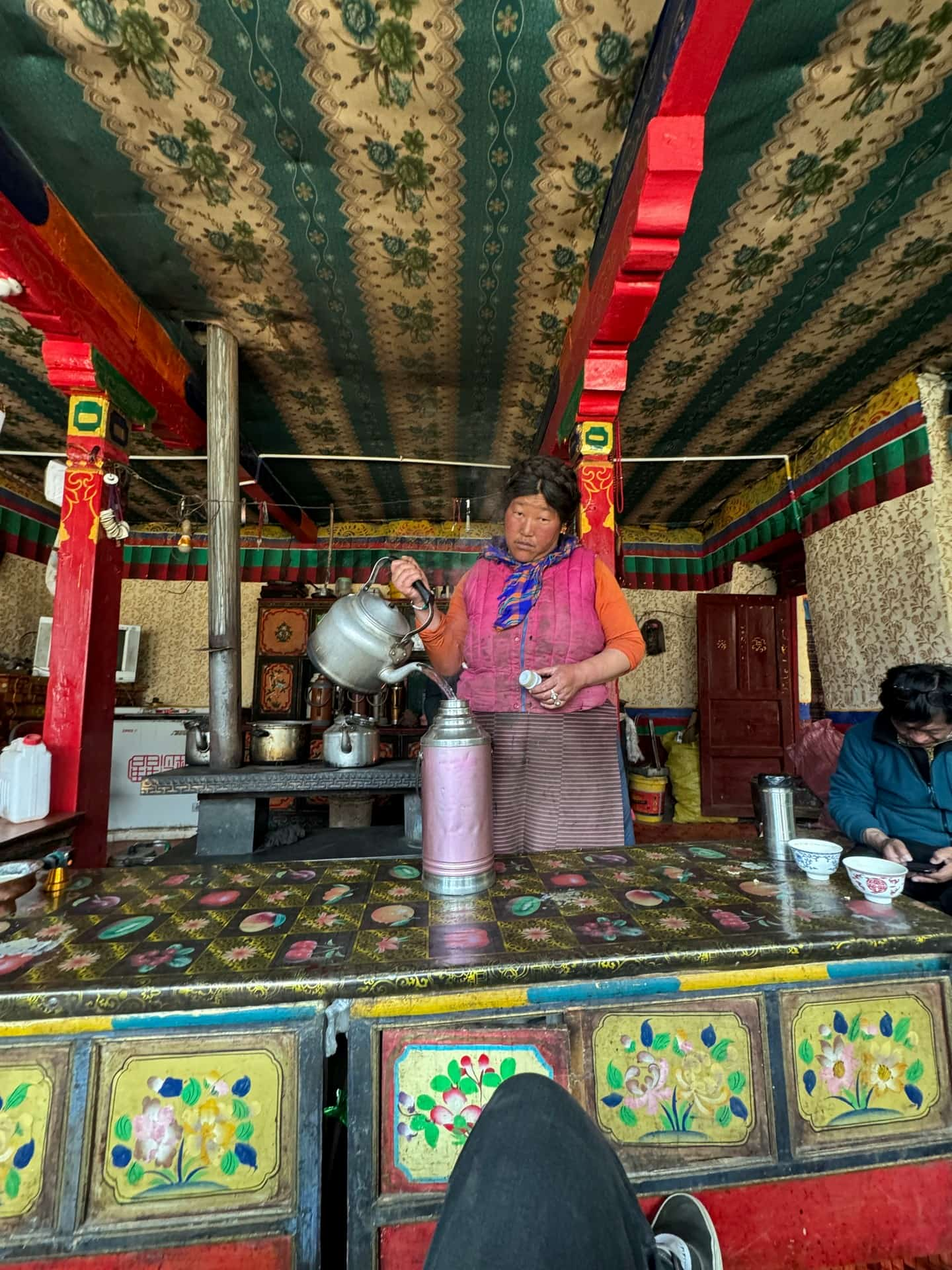
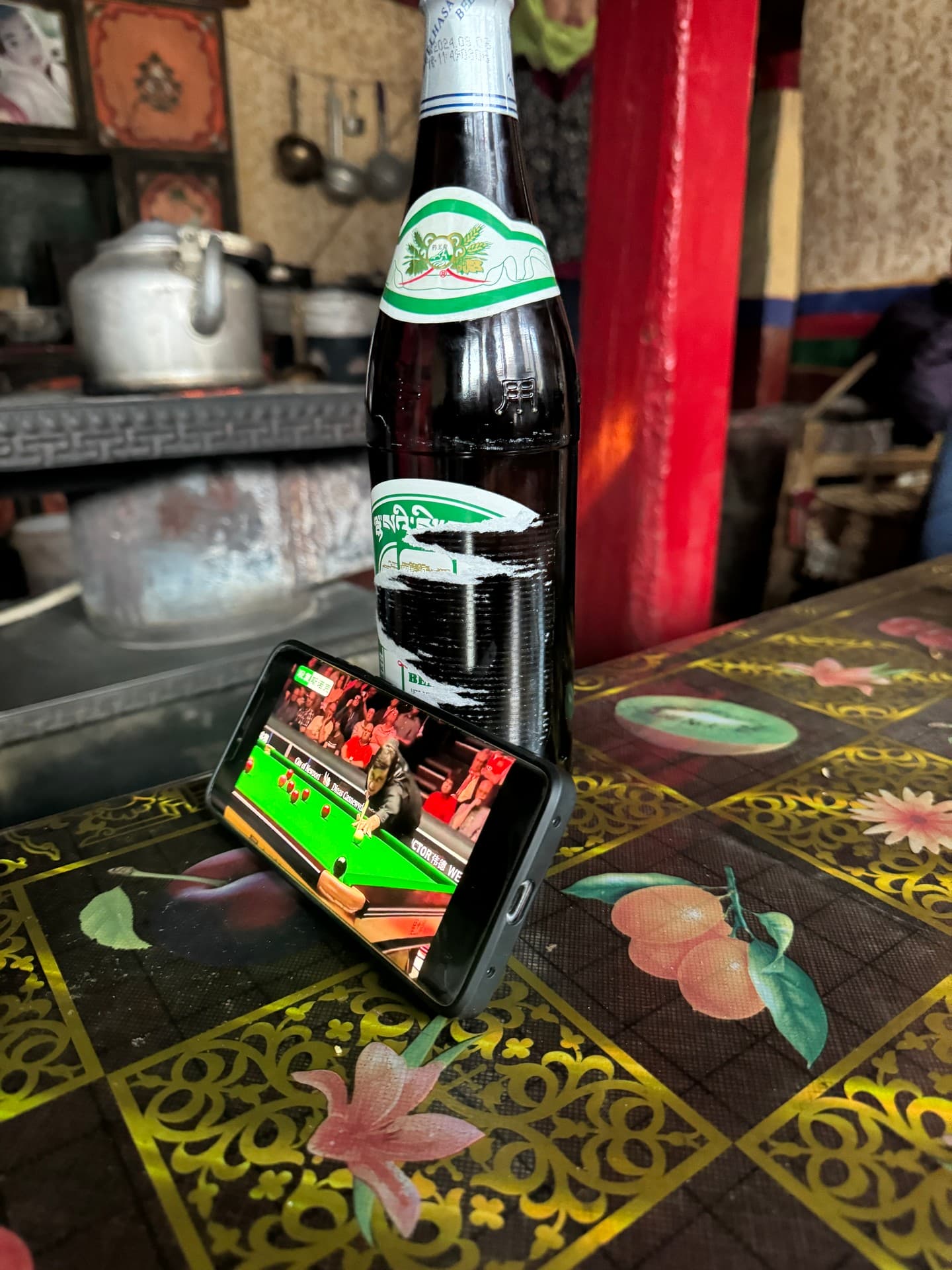
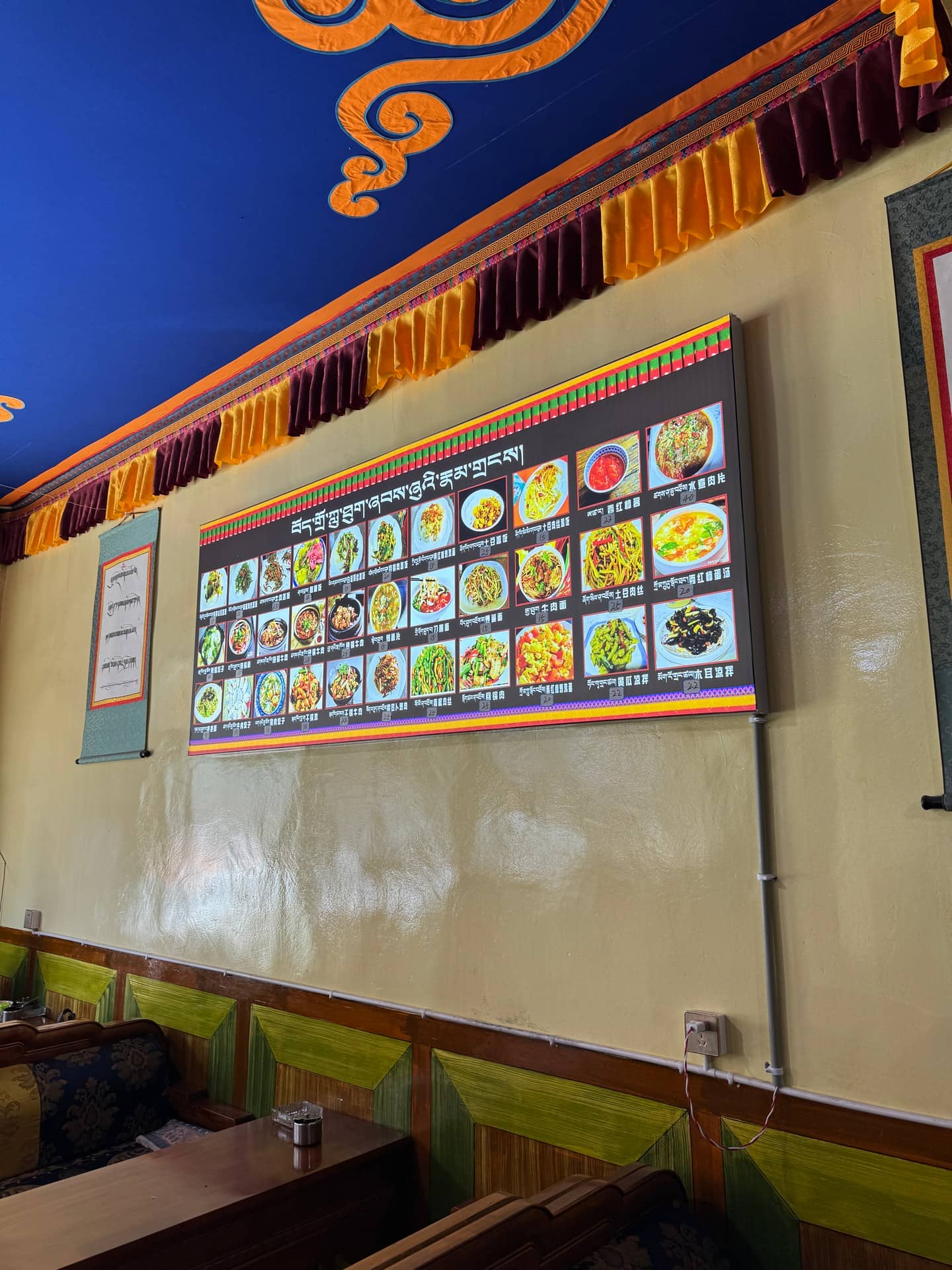
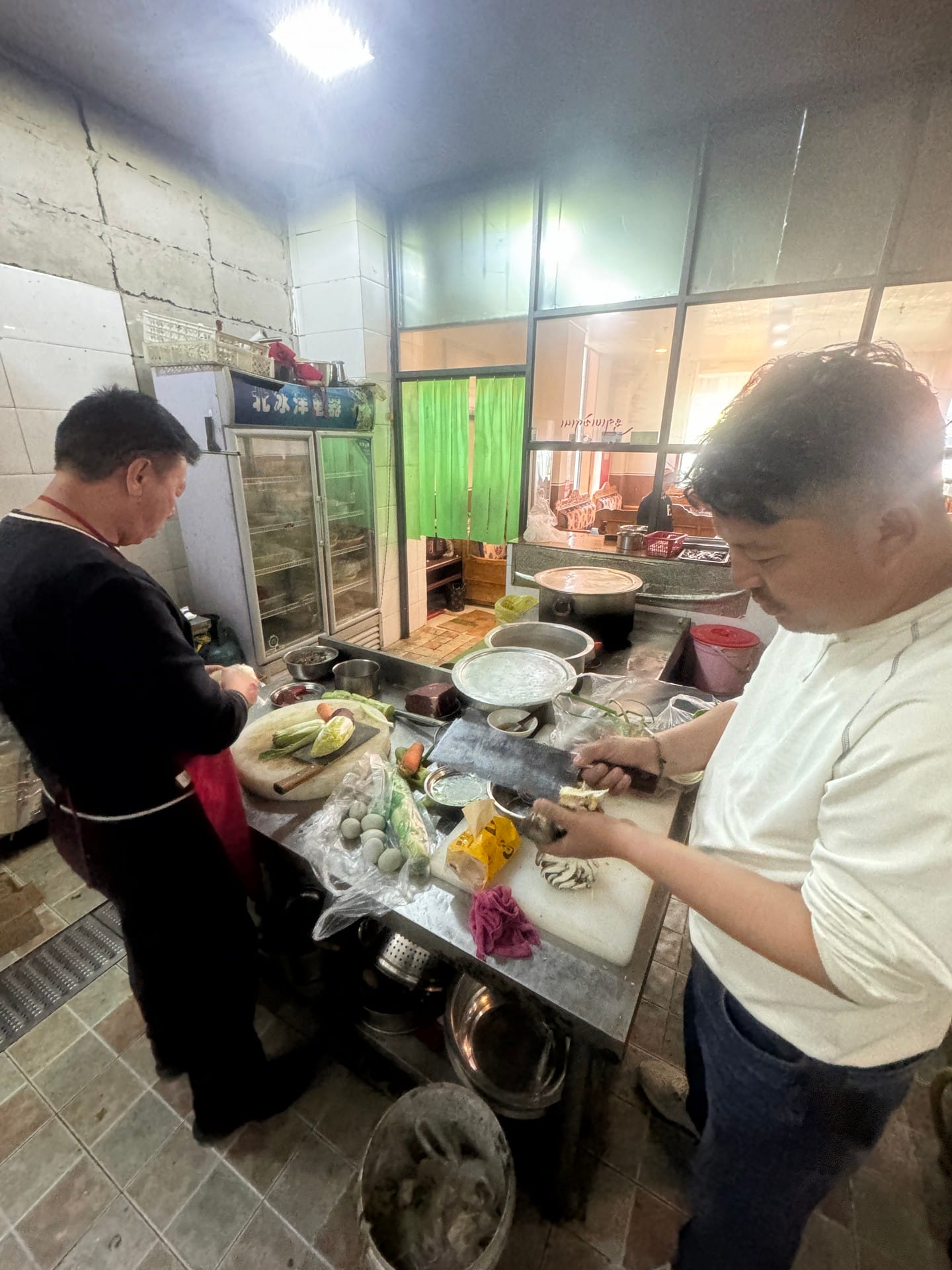
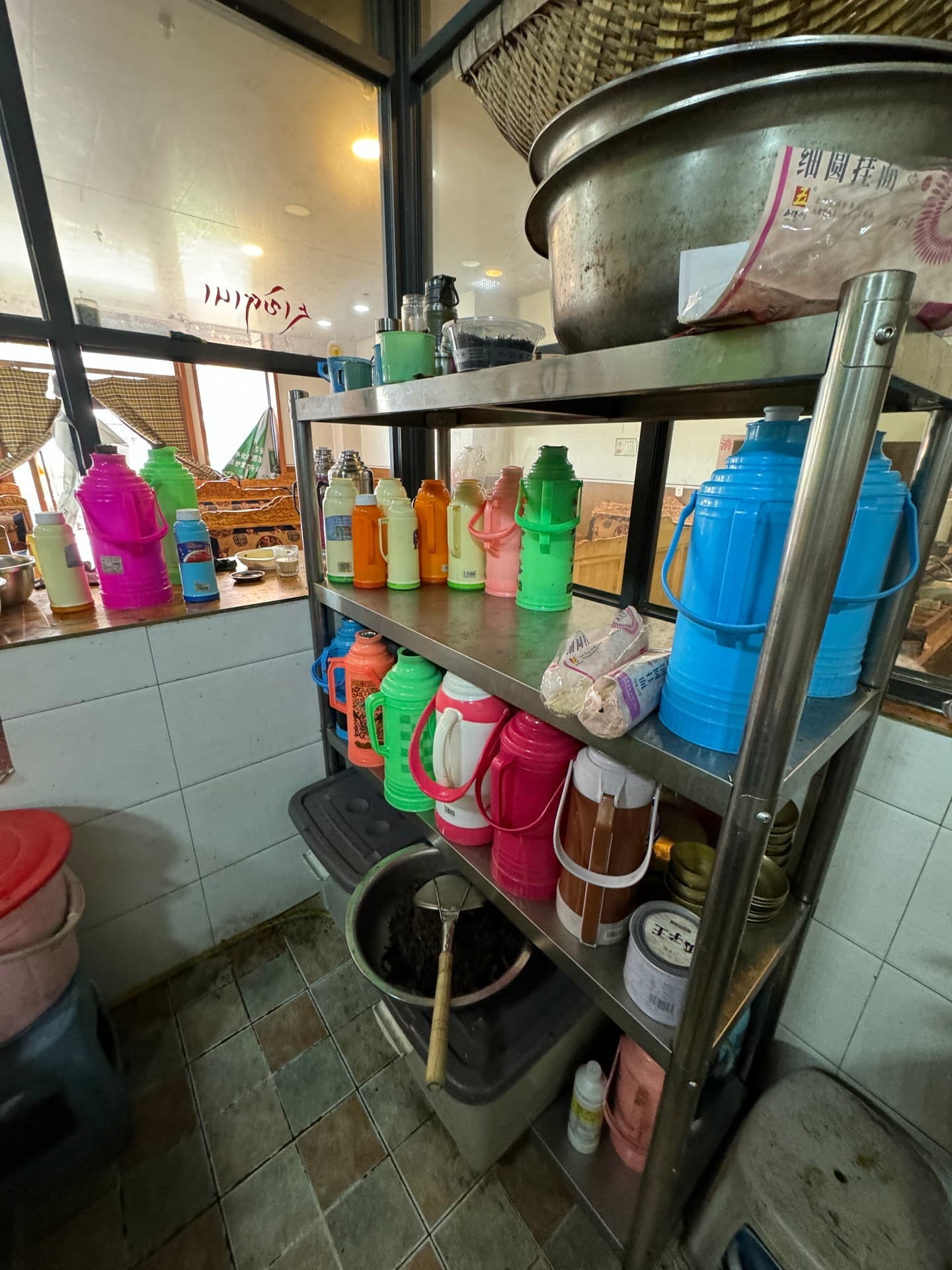
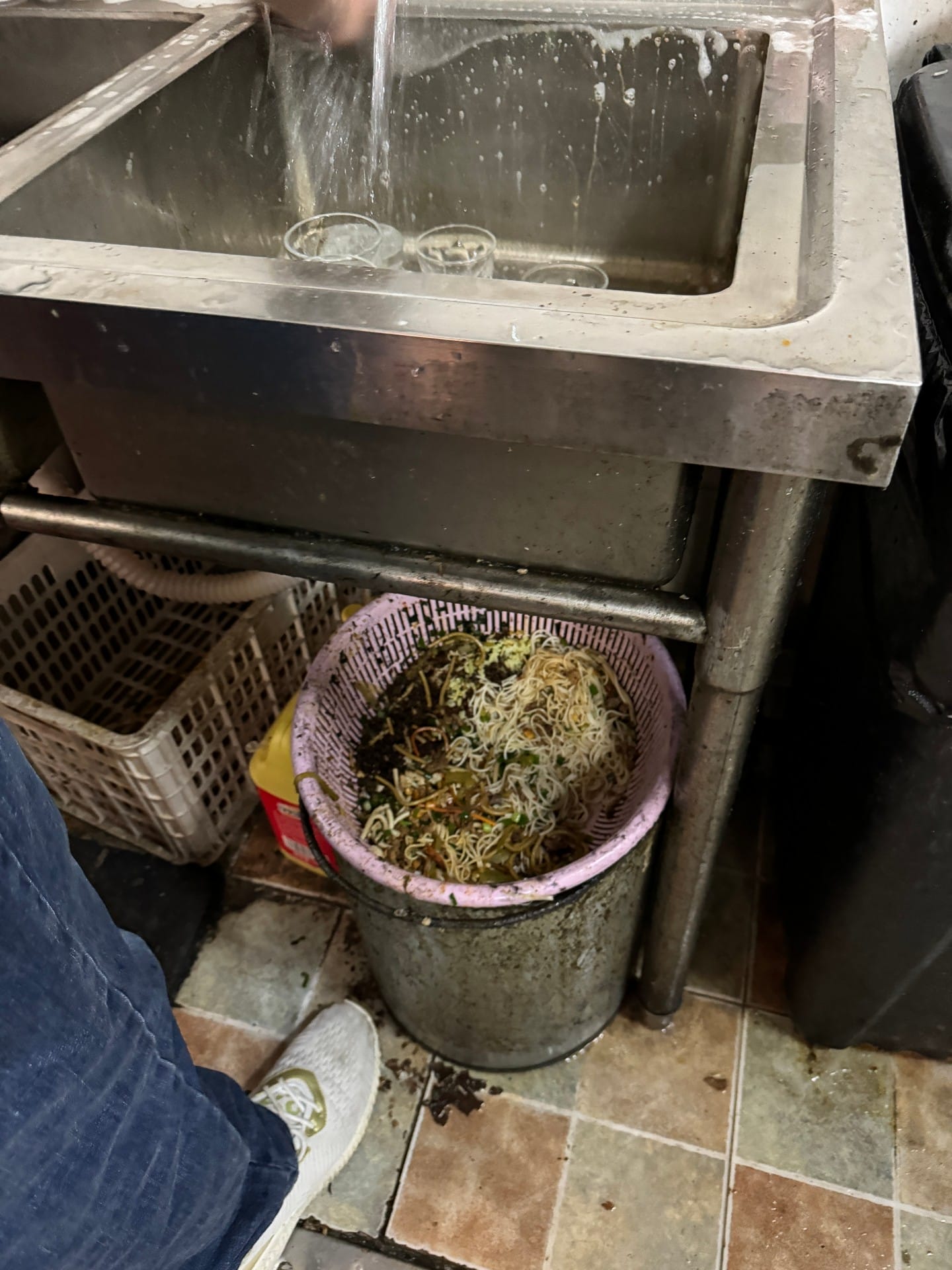
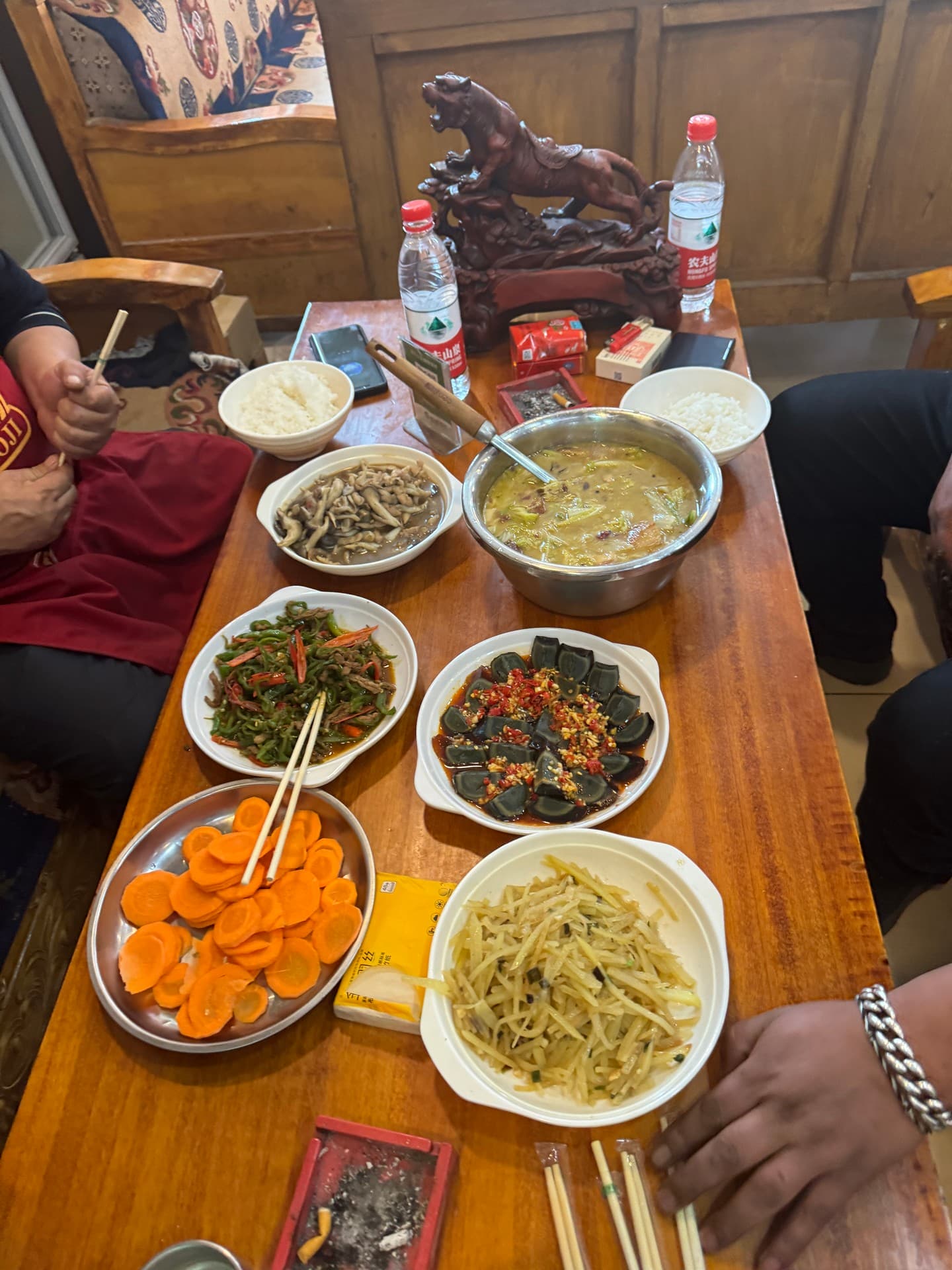
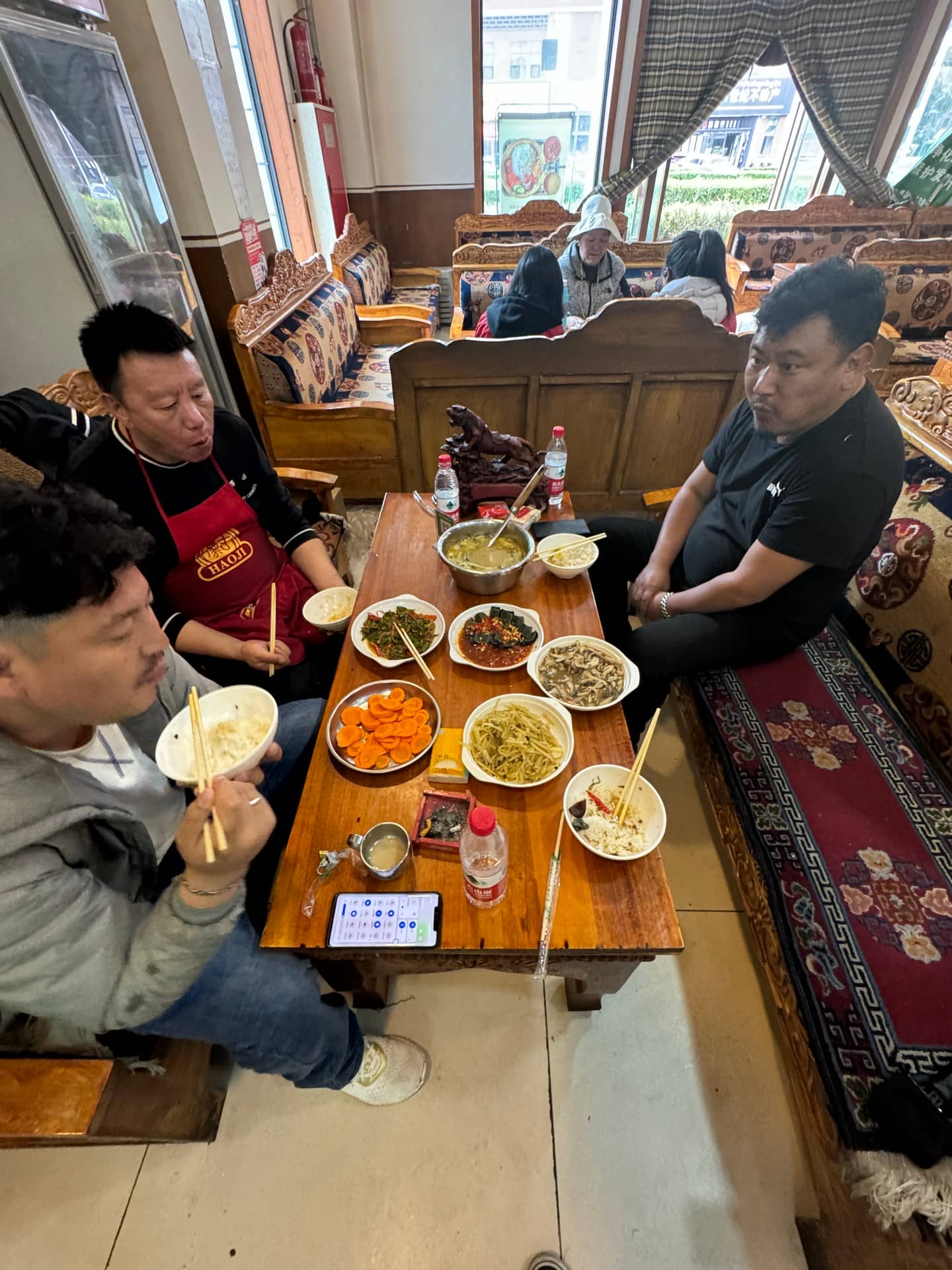
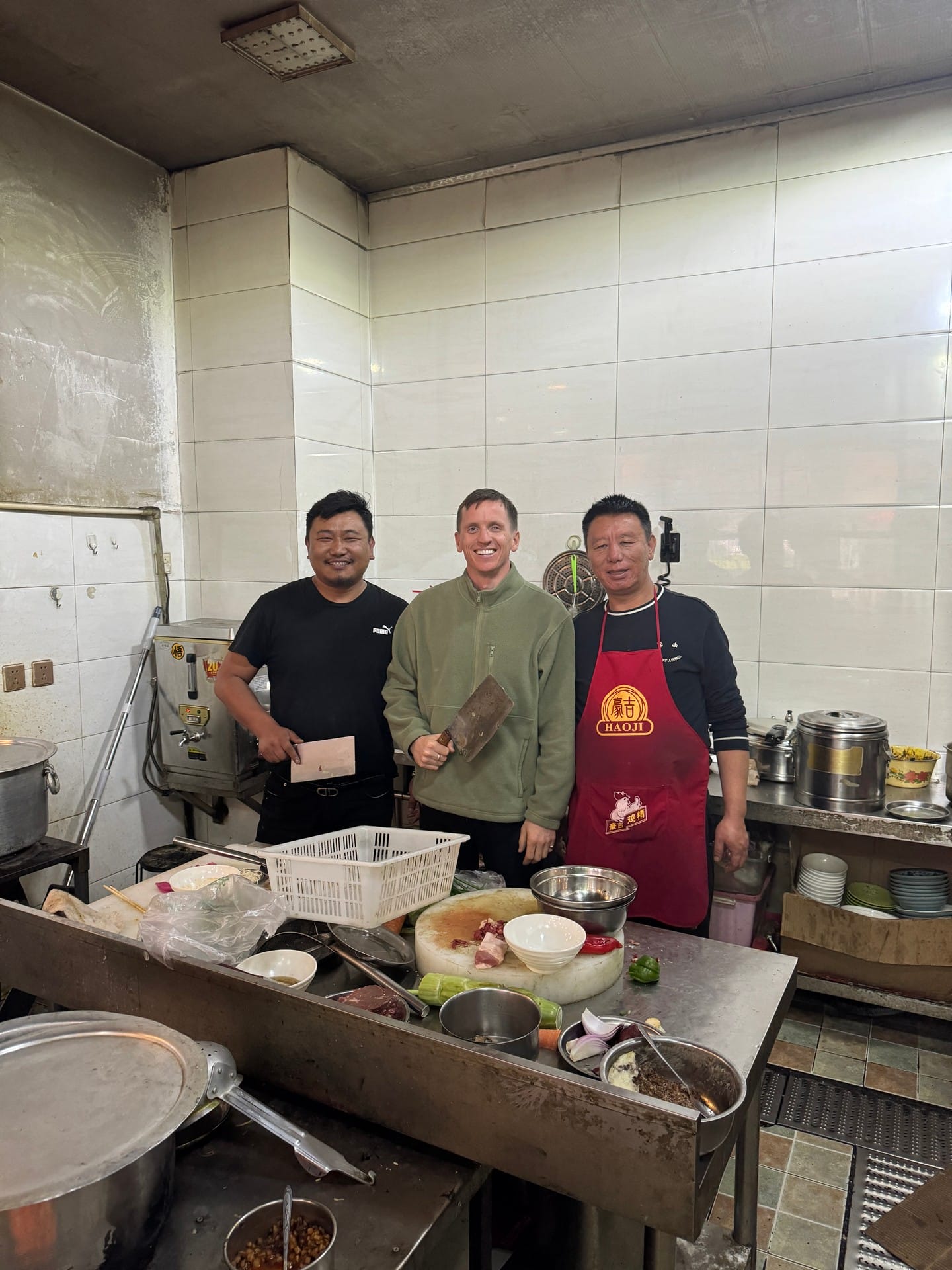
My final experience in Tibet involved helping out at a local teahouse by cooking and serving food and generally making customers feel uncomfortable! Naturally, we were cooking noodles—shocker! However, we also had some unusual dishes, including rotten eggs. Yes, Tibetans eat rotten eggs!


DAY 11 – HOME
Time to head home after a great trip. The oxygen might have been poor, but the noodles were great!

TODAY’S YOUTUBE VIDEOS
If you want to see today from a different perspective and catch a few different stories from the front row, then check out today’s YouTube videos below.
Insider Tips for a Tibetan Family Homestay
- Carry warm thermal clothing, especially if you are visiting rural Tibetan villages where temperatures can drop below freezing at night.
- Be prepared for basic living conditions during a Tibetan family homestay, including outdoor toilets and limited heating.
- Drink plenty of water and take your time adjusting to the altitude, especially around Lhasa and rural Himalayan villages.
- Accept tea and food when offered by Tibetan families, as hospitality is an important part of local culture.
- Avoid getting too close to adult yaks or Tibetan Mastiffs unless locals tell you it is safe.
FINAL THOUGHTS
What a great trip, and if I’m honest, 12 days is a great length for me too. Recently, my trips have lasted around 3 weeks, and they have me busted, but I could do this more often!
This Tibet family adventure tour gave me unforgettable memories of working alongside a genuine Tibetan farmer, experiencing rural life, and being welcomed into a Tibetan family home with open arms. From spreading yak dung to sharing noodles, every moment was authentic and humbling.
SAFE TRAVELS, DS x
170/229.
FREQUENTLY ASKED QUESTIONS
What is a Tibetan family adventure tour like?
A Tibet family adventure tour involves staying with a local Tibetan family, participating in daily farm work like spreading yak dung, feeding animals, and sharing traditional meals. You’ll experience authentic rural Tibetan life, working alongside a Tibetan farmer and sleeping in basic but warm accommodations about 2 hours outside Lhasa.
Where do Tibetan farmers live near Lhasa?
Tibetan farmer families typically live in small villages about 2 hours outside Lhasa, at high altitudes with basic facilities. These villages usually have 8-10 houses and maintain traditional farming practices, including yak herding and barley cultivation.
What should I expect in terms of food on a Tibetan family adventure?
Expect plenty of noodles, sweet tea, and generous hospitality. The Tibetan family hosts and constantly refills your plate and cup. The food is simple yet nourishing, and you’ll experience authentic Tibetan cuisine prepared by local families.
How cold does it get during a Tibetan family homestay?
Temperatures can drop to -9°C (16°F) at night in rural Tibetan farmer villages. However, host families provide multiple blankets, and you’ll find the accommodations surprisingly comfortable despite the basic facilities.
Is a Tibetan family adventure tour suitable for everyone?
A Tibetan family adventure tour requires a reasonable level of physical fitness for farm work and tolerance for basic living conditions. Since you’ll be at a high altitude, proper acclimatization is important. It’s best suited to adventurous travelers seeking authentic cultural experiences.
NEXT UP
My final thoughts on the Tibet Series!! Click to read.
This post is part of The Tibetan Series, for the entire series click here or for episode 1, click here.
To see a different side of my trip head to my social channels; YouTube, Instagram & TikTok. Links at top of the page.