


WHY I VISIT SLUMS MORE THAN PALACES
Why I Visit Slums More Than Palaces. Most travelers flock to the palaces and I 100% get it —but I swear, next time don’t go miss the slums.
Because behind the chaos, the smell, and the unfortunate poverty, you find something worth looking for. In these places, I’ve learned more about life, my own luck, and perspective than any monument could ever teach me. Experiences with other people top anything else and no I’m not talking about poverty tourism, but more on than in a bit.
1. WHAT MAKES SLUMS SO DIFFERENT
There’s something raw about entering a place that is beyond any of your lived experiences.
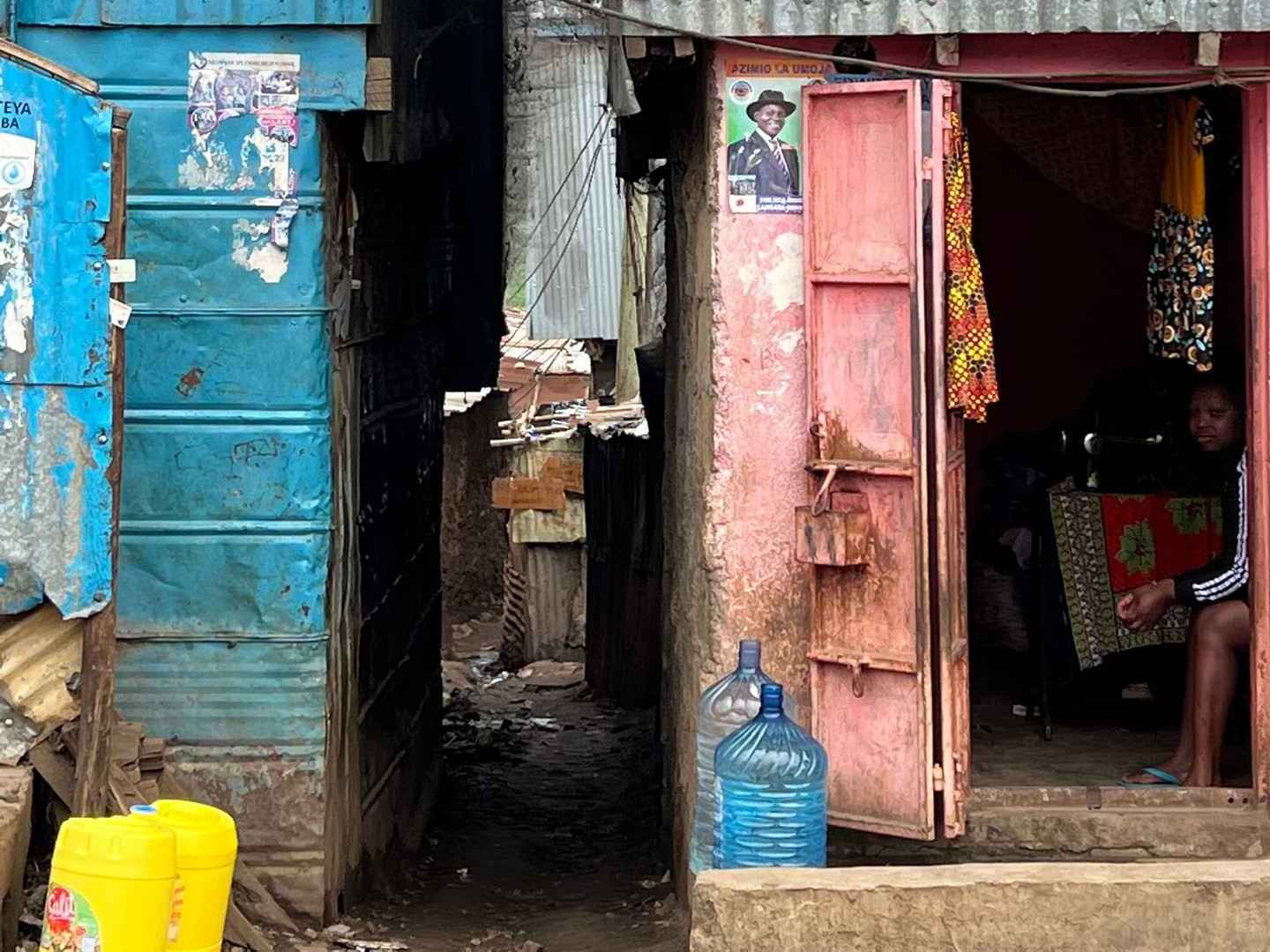
No ticket booths, no polished gates — just genuine people living real lives. In a palace, you see history through marble floors. In a slum, you see it through people’s eyes.
Slums aren’t just poor areas; they’re microcosms of survival. I do go to stare in shock at how little they have but you can’t avoid the stories you get here that are impossible from inside a five-star resort.
Why I Visit Slums More Than Palaces
QUICK TAKEAWAYS
- Visiting slums shows the reality behind a country’s image.
- Locals are often more welcoming than you’d expect.
- You’ll leave with perspective, not just photos.
- Palaces impress you. Slums change you.
2. THE FLOATING WORLD OF MAKOKO
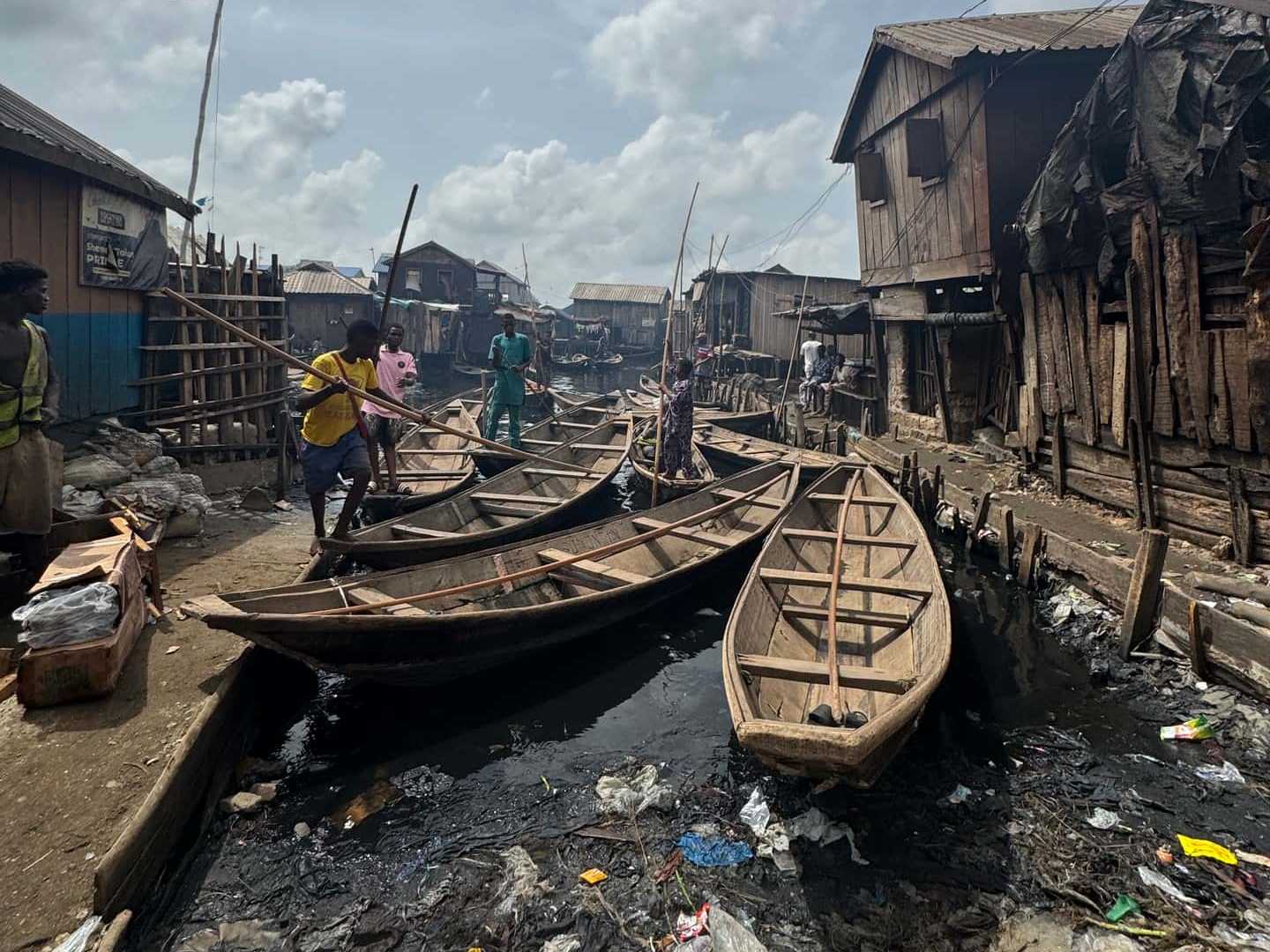
Of all the communities I’ve visited, Makoko in Lagos hit me the hardest. A floating slum built on water — no roads, no cars, no escape from the smell of diesel and rubbish. And in the background the government’s been busy cracking down, trying to put an end to its development.
But the locals stay firm and have created all sorted of cunning ways to live in this environment. To get from one place to another people paddle canoes through narrow waterways just to get to school, buy bread or go to the pub.
Why I Visit Slums More Than Palaces
3. DHAKA: FILTH, CHAOS, AND SMILING FACES
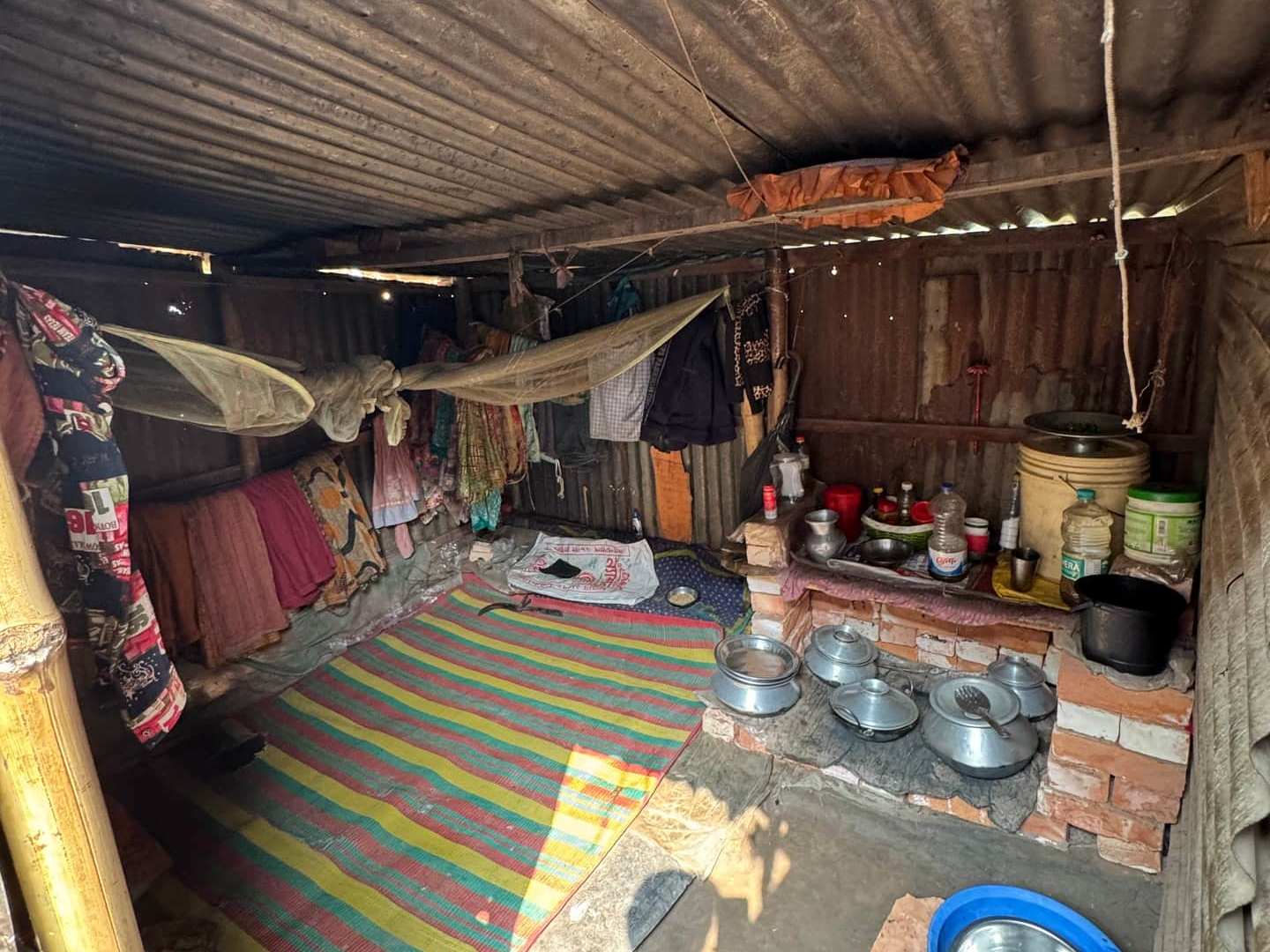
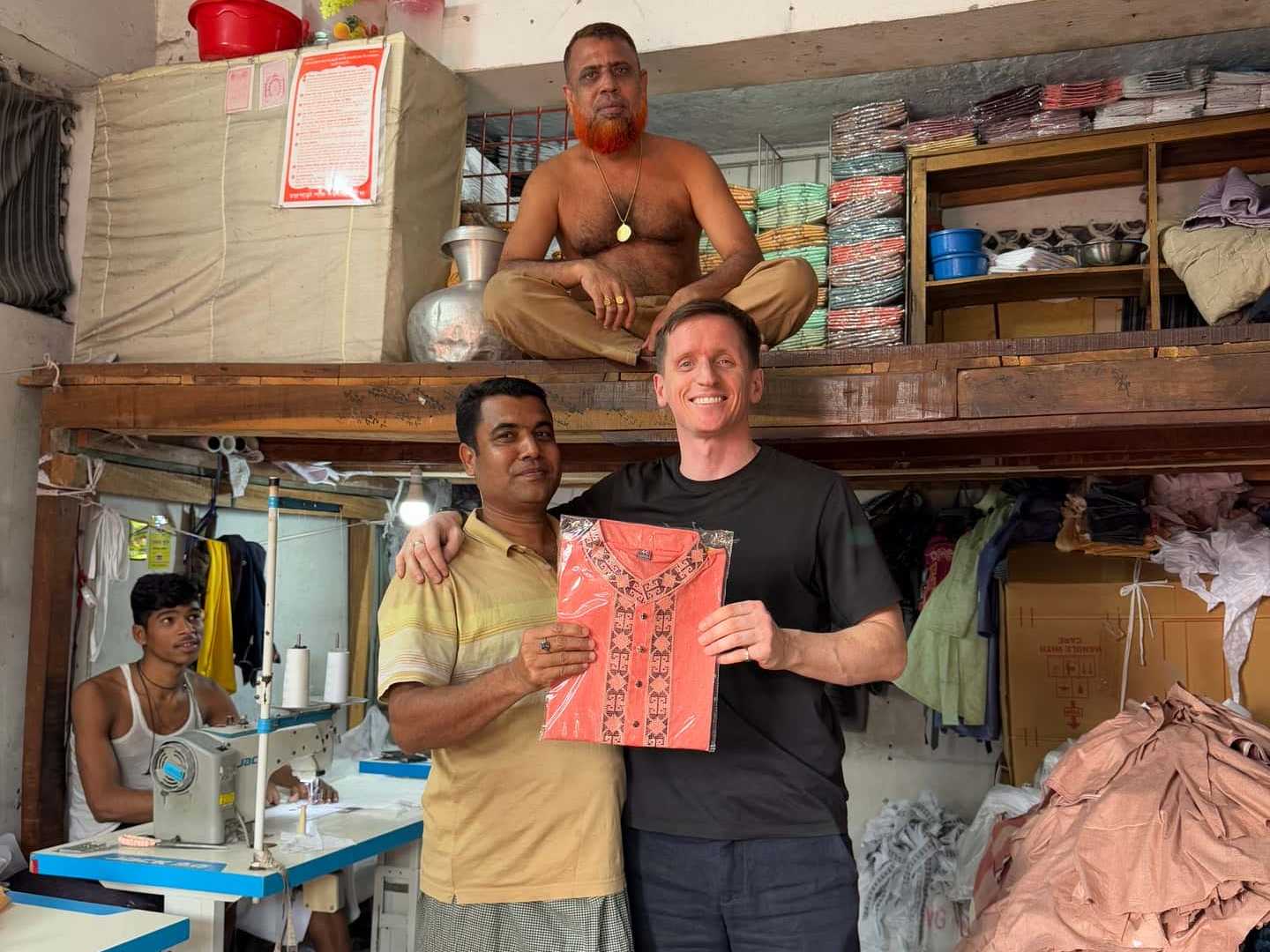
Dhaka’s slums are the kind of places that would terrify most tourists and in fairness I don’t blame them — open drains, rats, the air thick with smoke and sweat. But look closer, and you’ll see something unexpected.
Here people are some of the most friendly and genuine on the planet, expected to be offered into people’s homes and given enough Chai to last you until your next visit!
Why I Visit Slums More Than Palaces
4. ARE SLUMS REALLY DANGEROUS?
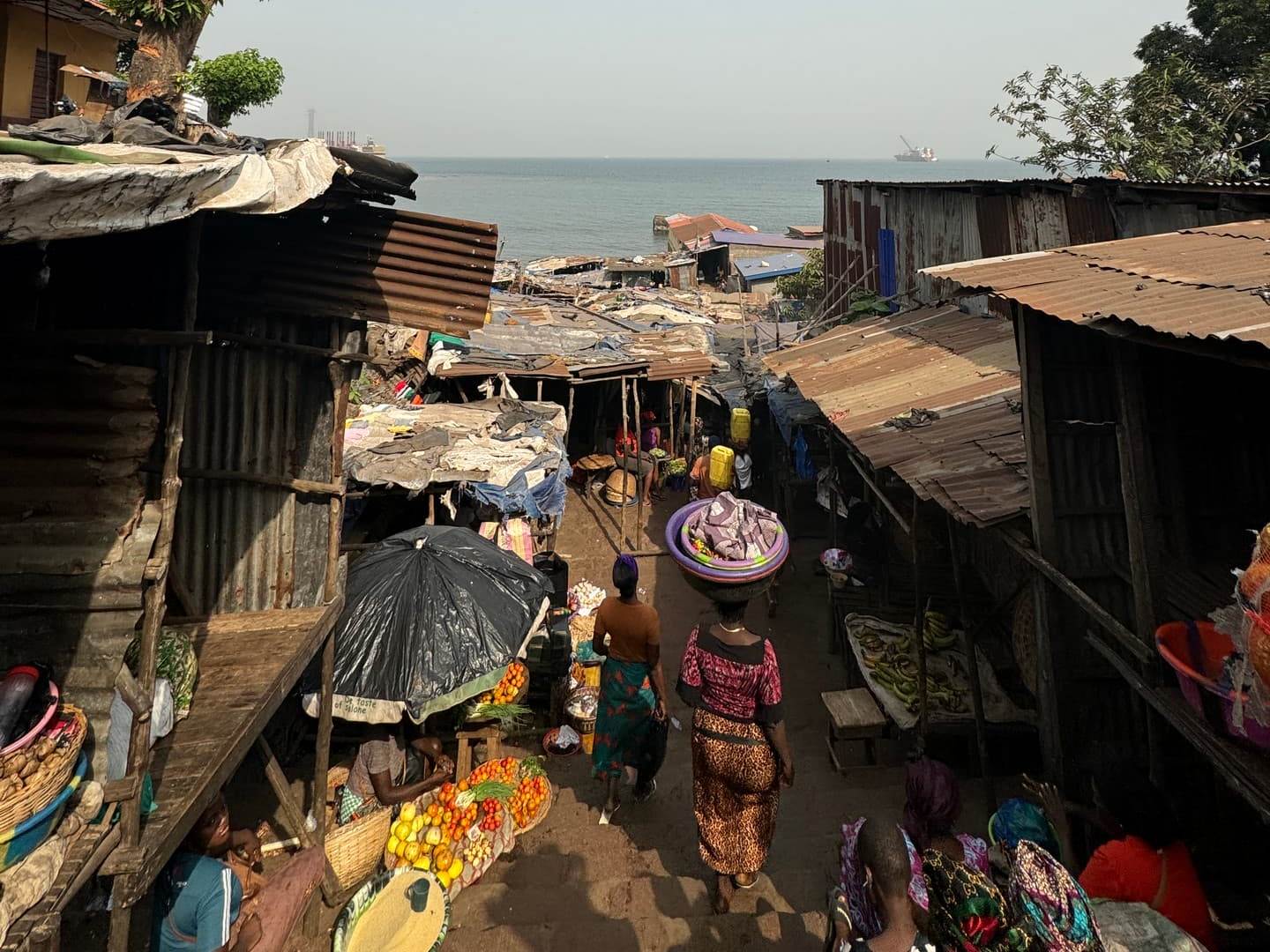
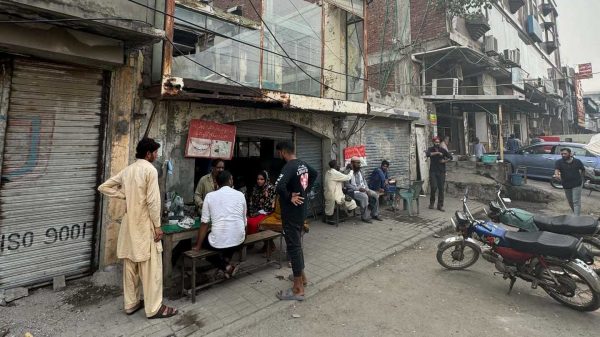
Slums have a reputation for being unsafe — and yes, some are. But in my experience, danger is often exaggerated. In Makoko, Pakistan, or the slums of Freetown, people looked out for me. They made me aware of some of the risks, “keep your belongings safe, look after your camera,” etc. Especially that moment when I fell and wrecked my arm in Delhi, as stupid as I felt people surrounded me, all offering a hand. Some did laugh but I would have done the same (while offering a hand).
Why I Visit Slums More Than Palaces
5. WHAT YOU DON’T LEARN IN PALACES
Visit a palace and you’ll remember the chandelier hanging from the ceiling or the art on the wall – or would you? Visit a slum and you’ll remember that chat you had with the local. How they humanized the entire communities when you were probably told otherwise.
In a world of filters and Botox, I could guarantee you wont see it on those streets (not yet anyway). P.s. I hope to god I don’t read this back in 10 years and learn there are now street Botox clinics in Pakistan, alongside the dentist and doctors.
RELATED READ: LAKE TEKAPO, THE START OF VISITING EVERY COUNTRY
6. THE ILLUSION OF LUXURY TOURISM
There was a time I’d race around every city, ticking off the main attractions. But after a while, it all started to feel meaningless — the same photos, the same crowds, the same stories.
It wasn’t until I started filming for YouTube that I realised what truly interested me: the chaos, the contradictions, the conversations you don’t find walking the same streets as everyone else with an Osprey backpack. This change has taken my enjoyment of travel to another level.

7. WHAT PEOPLE CALL “POVERTY TOURISM”
Let’s address the elephant though: “poverty tourism.” Some people accuse travelers like me of exploiting misery. But to be fair I couldn’t give a sh*t. I know my intentions and if anything it makes me double down just to wind some of them up 😉
Because the people I meet don’t need pity. They want their stories told and the problem isn’t filming poverty; it’s ignoring it.
8. LESSONS I’LL NEVER FORGET
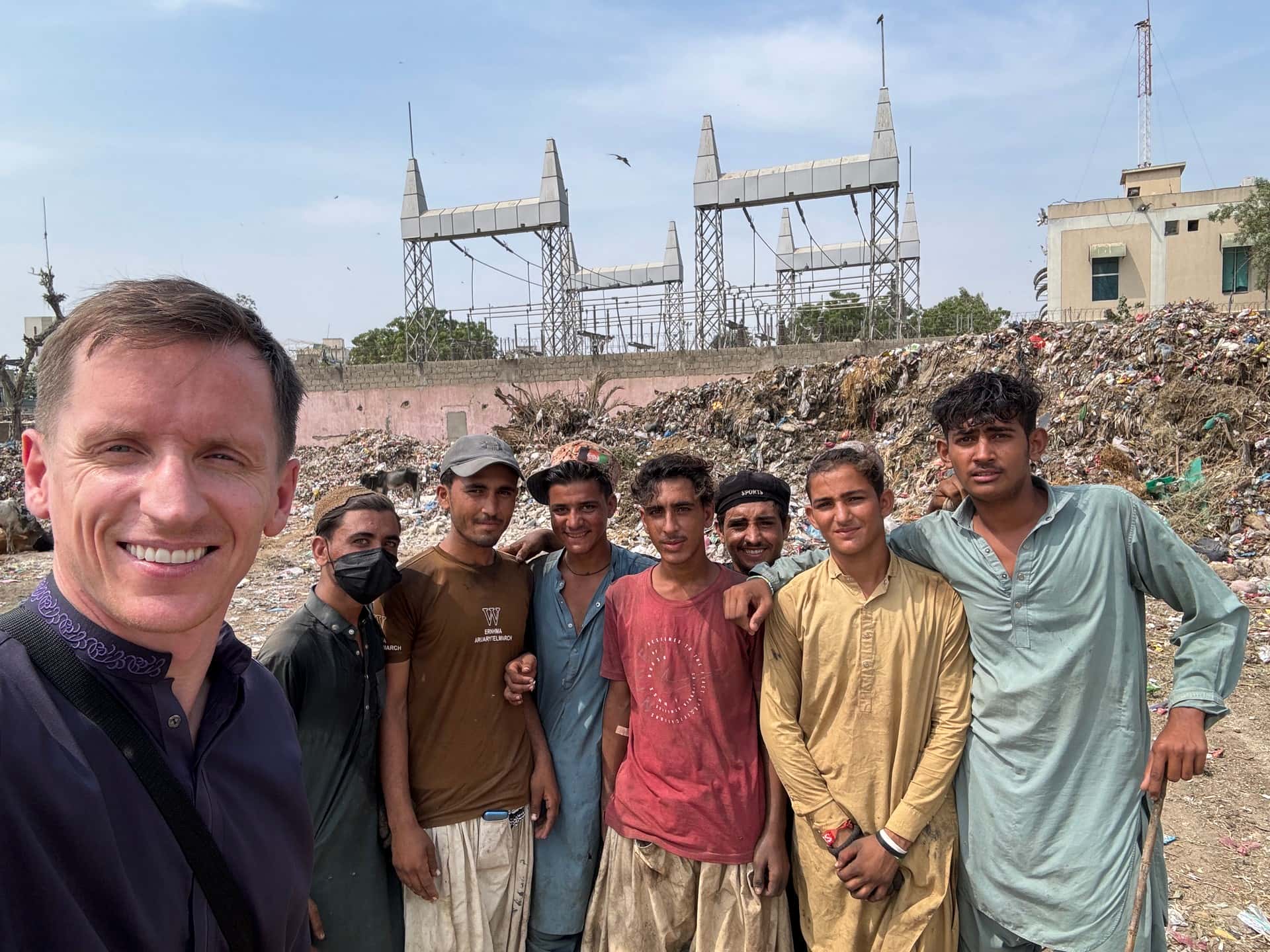
What moves me most isn’t the poverty — it’s the generosity and how open people are. The poorest communities are often the kindest whilst we (me included) chase material things in the West.
When you strip away the filters of privilege, you find out how people really live.
FACTS BOX:
- Is visiting slums ethical?
Yes, if done respectfully. Go with an open mind, don’t hand out money randomly, and remember you’re entering someone’s home — not a tourist attraction. - Are slums dangerous for foreigners?
Rarely. Use local guides, dress modestly, and respect people’s privacy when filming or photographing. - What’s the biggest lesson from visiting slums?
Happiness isn’t tied to wealth.
FINAL THOUGHTS
If you really want to understand a country, you have to walk — or sometimes paddle — where its people actually live.
SAFE TRAVELS, DS x




1 Comment. Leave new
I would love travelling to learn more about life and human experience but can’t find a way to afford it’s cost