Key Takeaways:
|
THE SYRIA SERIES, DAY 5
ALEPPO
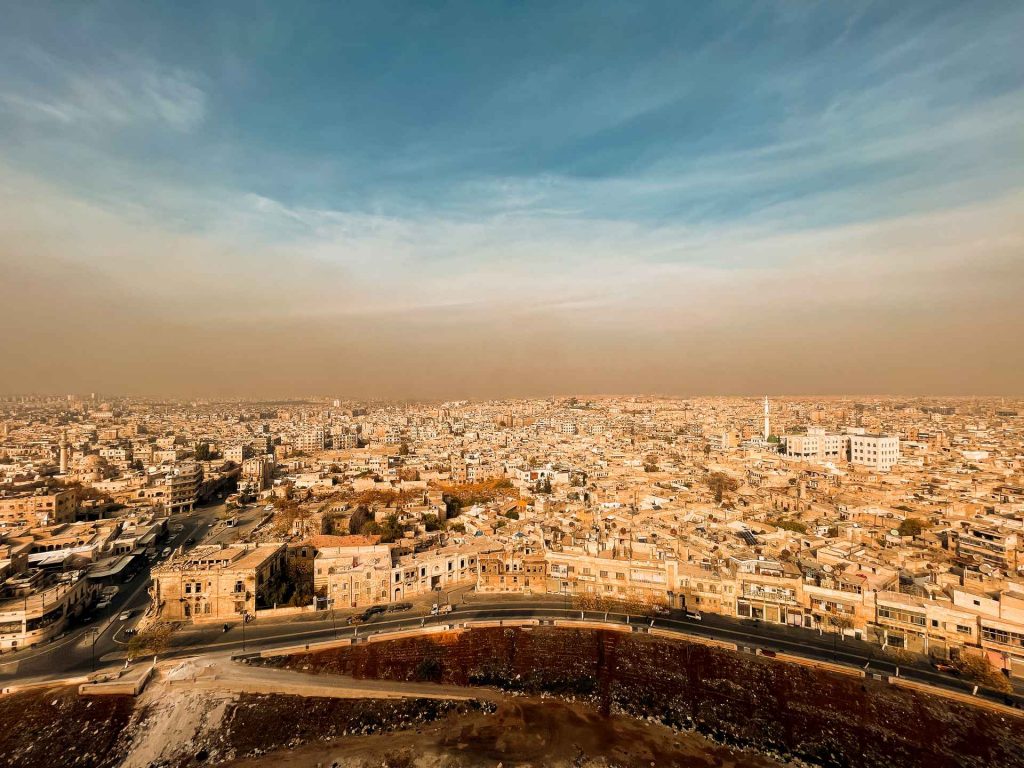
A Day in Aleppo and Generosity of New Friends. Since I was spending two nights in Aleppo, it felt good not to be constantly on the move. I planned nothing more than a long wander through the city, its ancient stones, crowded markets, and quiet corners. But Aleppo had its own plans, offering unexpected kindness and new friends who shaped the entire day.
FOR THE SYRIAN PEOPLE; IT’S NOT IF THEY HAVE ENOUGH TO GIVE, ITS THAT THEY GIVE WHAT THEY HAVE.
Today I was to take a 6-hour walk around Aleppo to check out everything from the Bazaar to the Citadel, and it was clear why this country was so popular before the war.
WHERE IS ALEPPO?
Aleppo
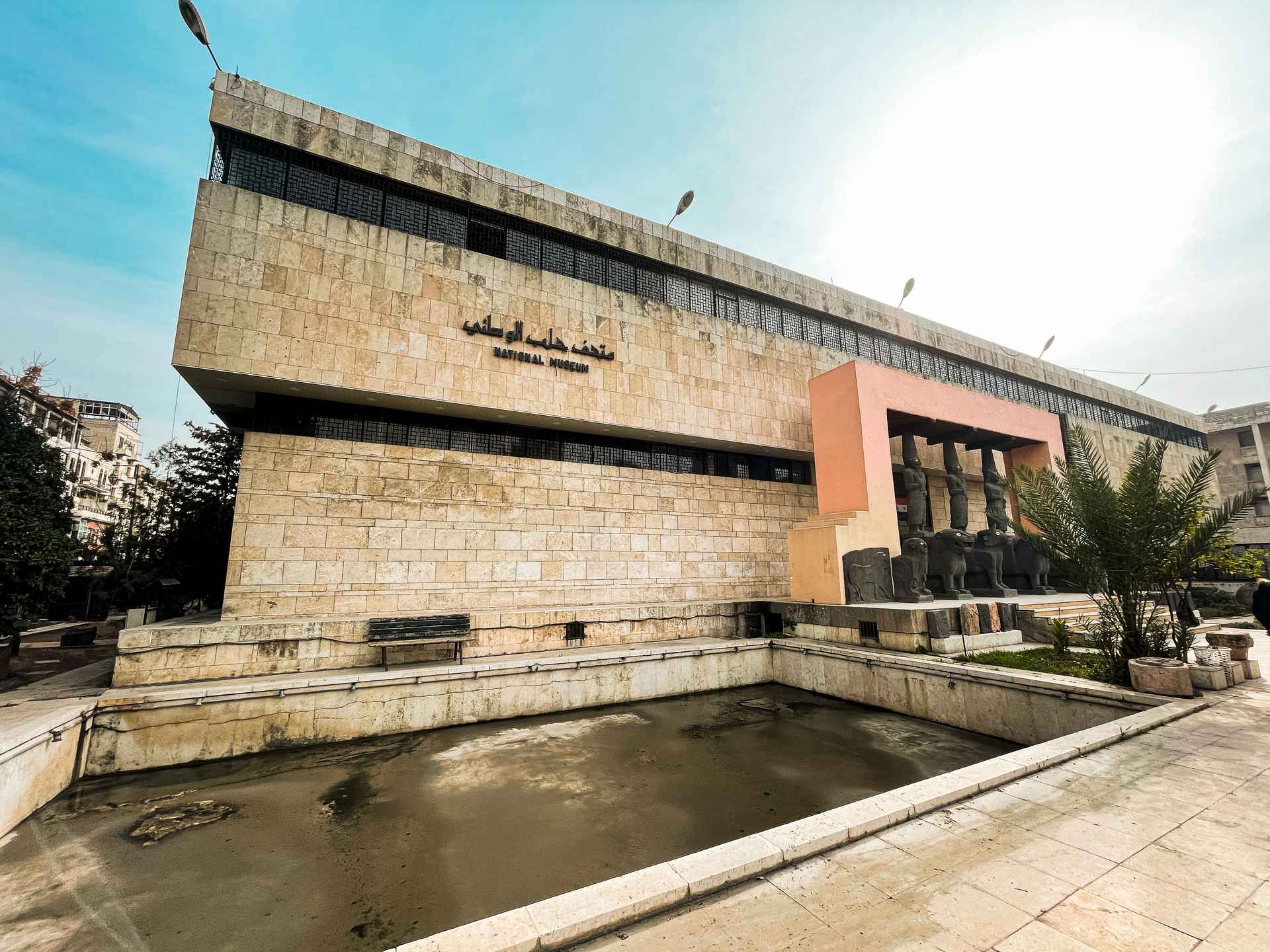
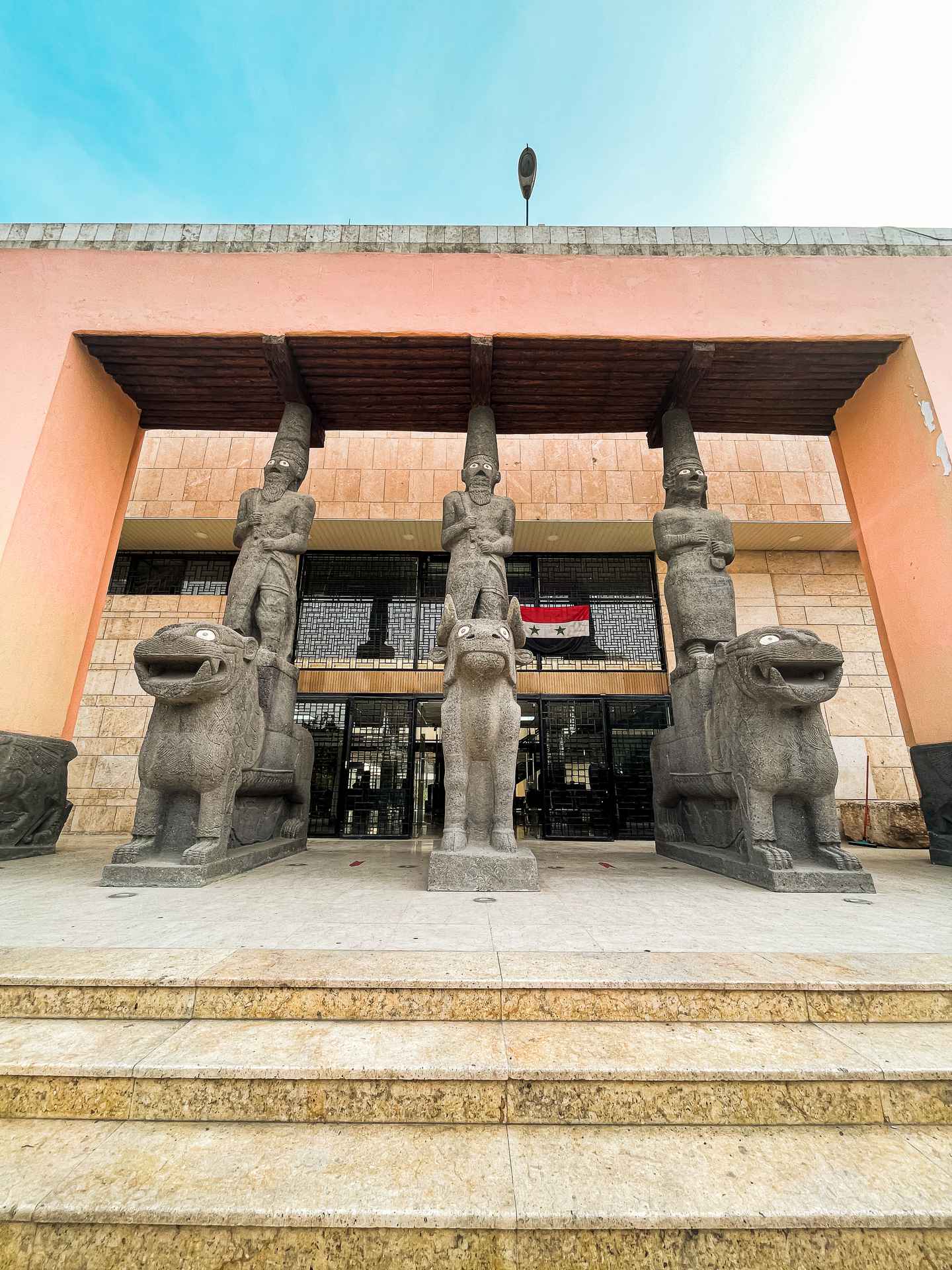
THE MUSEUM OF ALEPPO
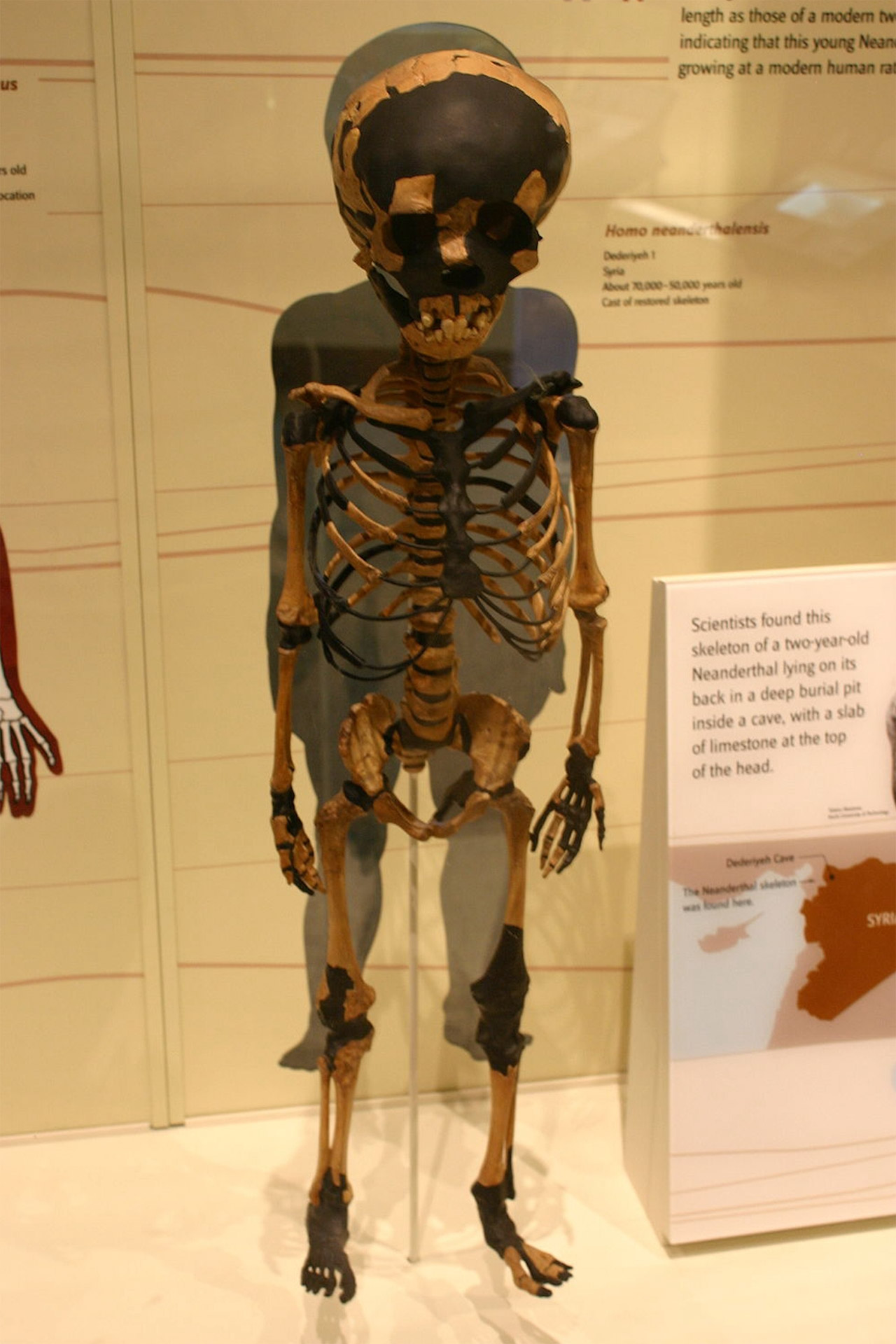
I’ll be honest, I am not one for museums, the pottery, or the artifacts type, but the museum of Aleppo, which was very much untouched during the war, is small and worthwhile. I was pointed over to a child’s skeleton, which dated back to 40,000 – 100,000 years ago. These dates just blow my mind! It was discovered in the Dereary Cave, close to the Turkish border, and dates back to the Neanderthal period. And if you thought toys were a thing only our generation had the privilege of having, you’d be mistaken. There were animal models that dated back over 5,000 years. My nieces play with animal figures, so we haven’t come that far since then 😬. No photos allowed, unfortunately 😉
A Day in Aleppo and Generosity of New Friends
DAILY INFO….
- HOTEL – Aleppo Palace Hotel 7/10
- RESTAURANT –
Ammo Hamid
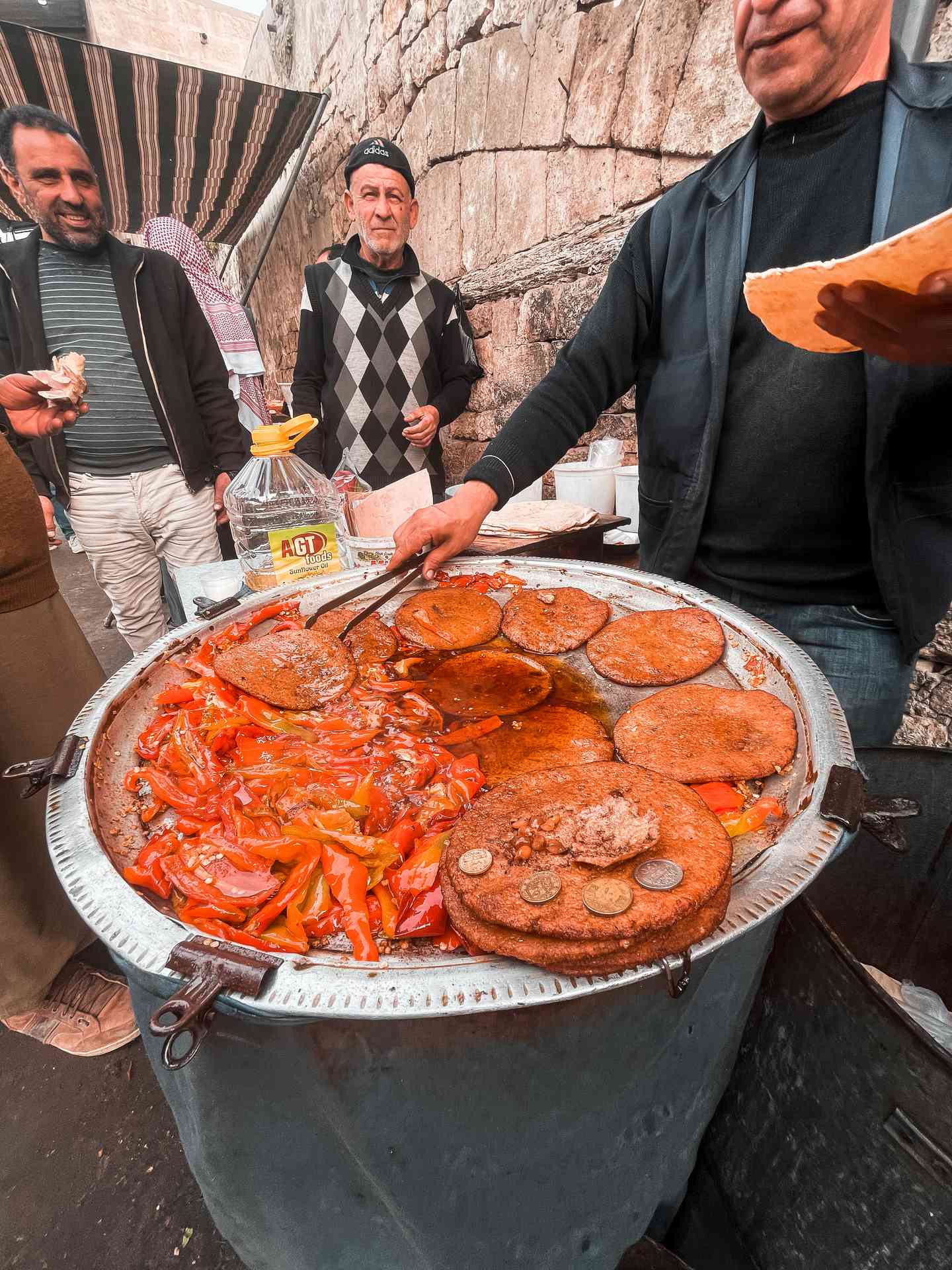
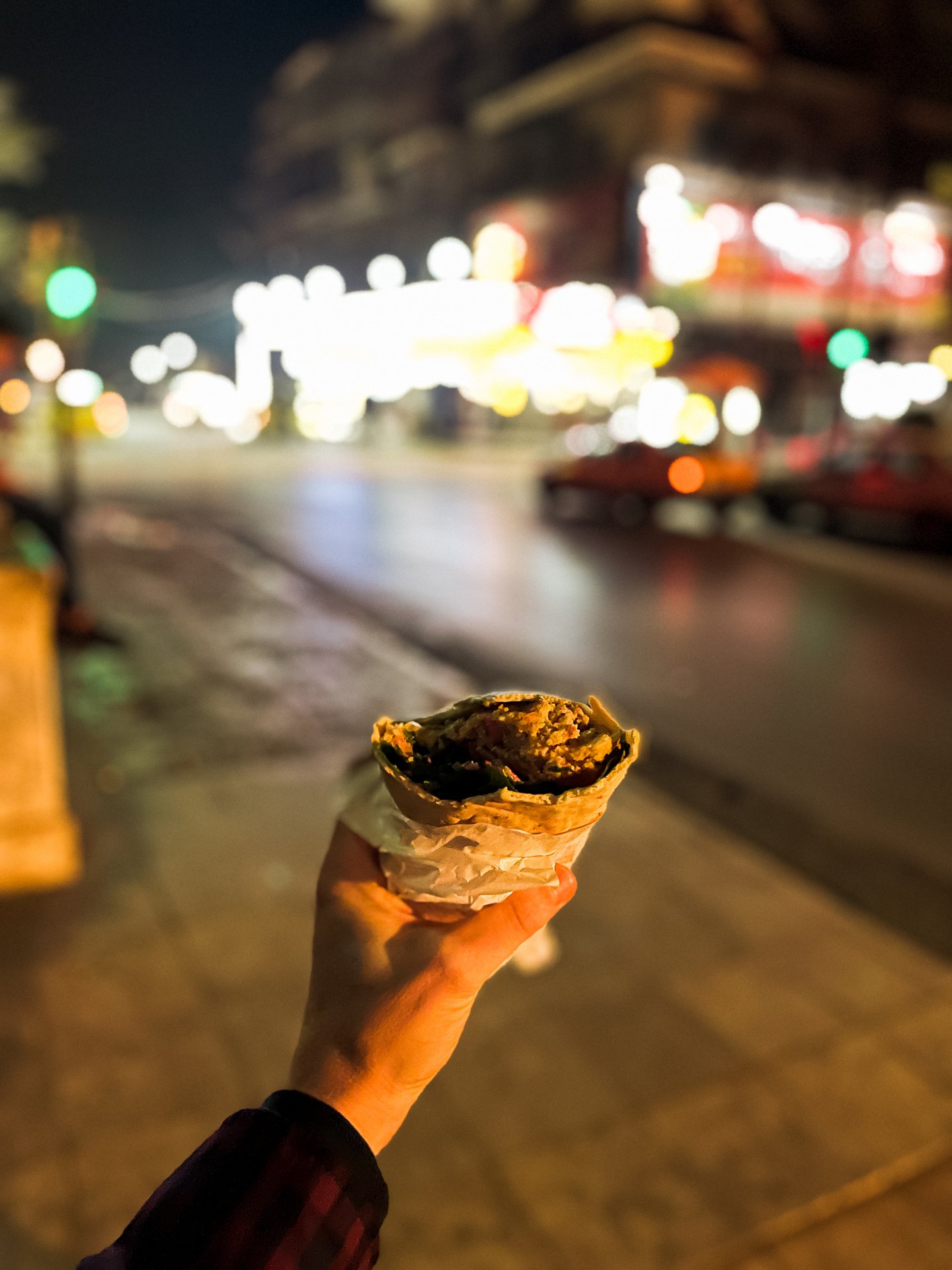
Another killer Falafel
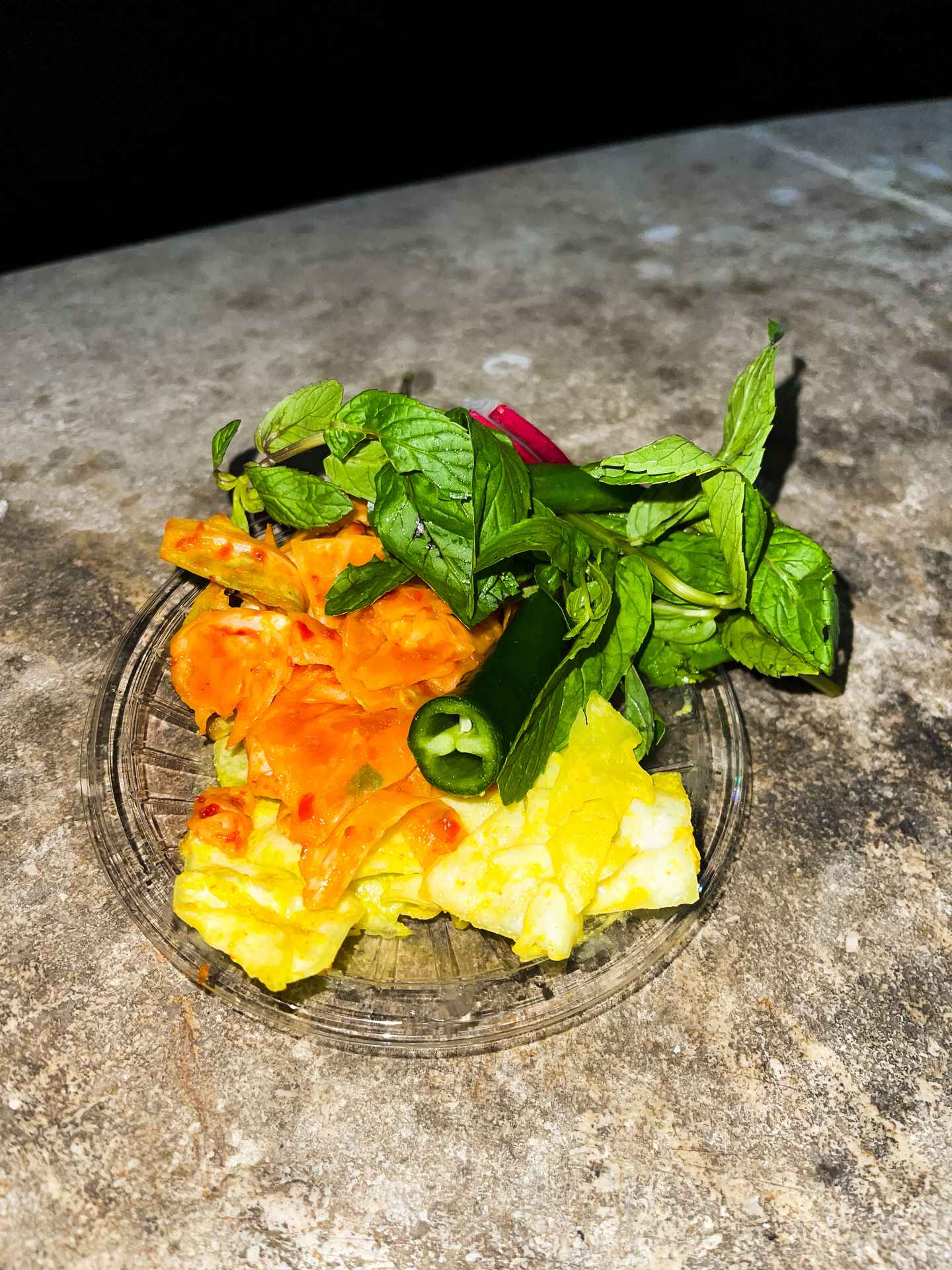
Pickled salad
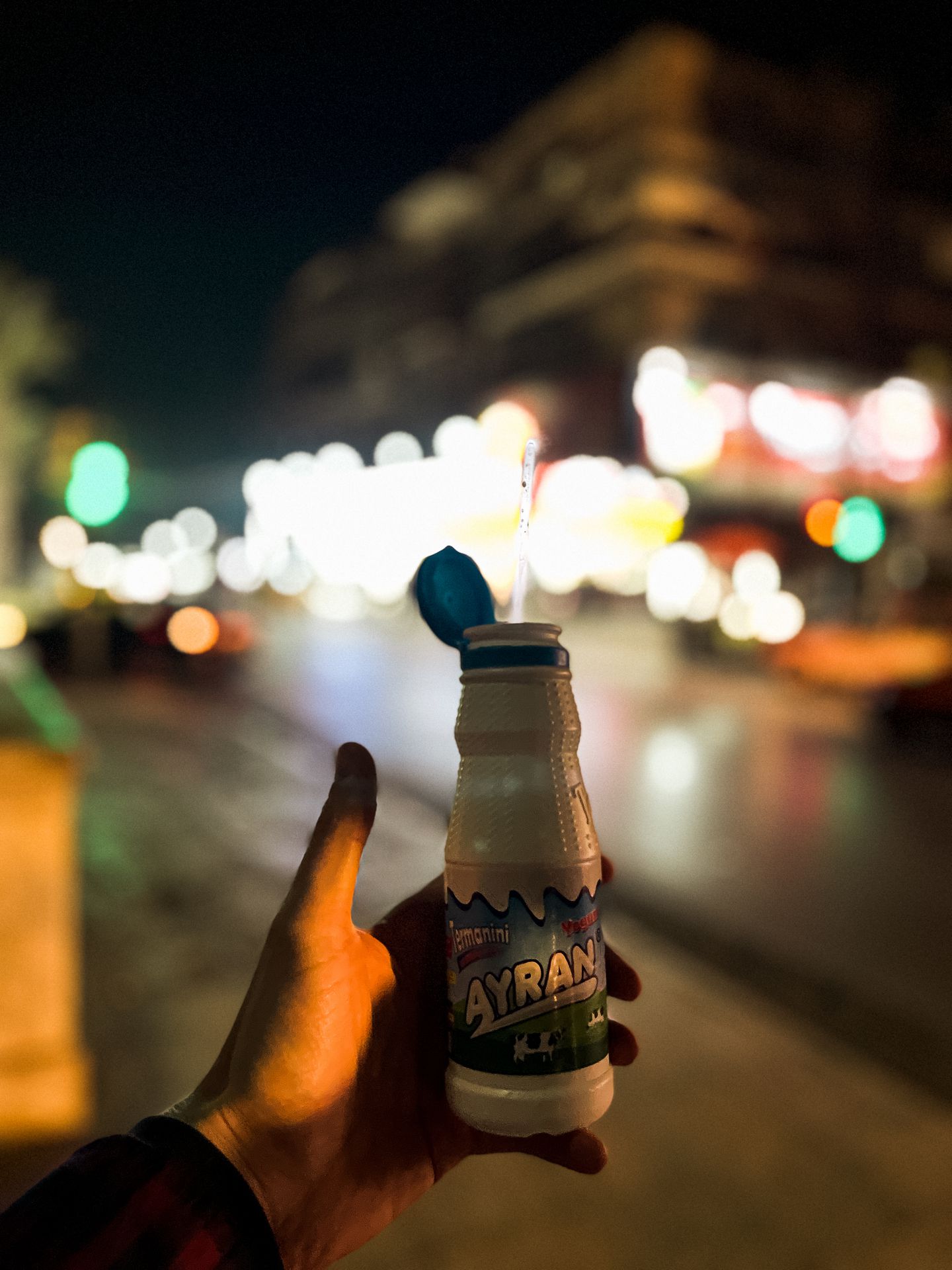
Ayran Yogurt
- ATTRACTIONS –
Bazaar
Museum of Aleppo
Aleppo Mosque
Aleppo Citidel
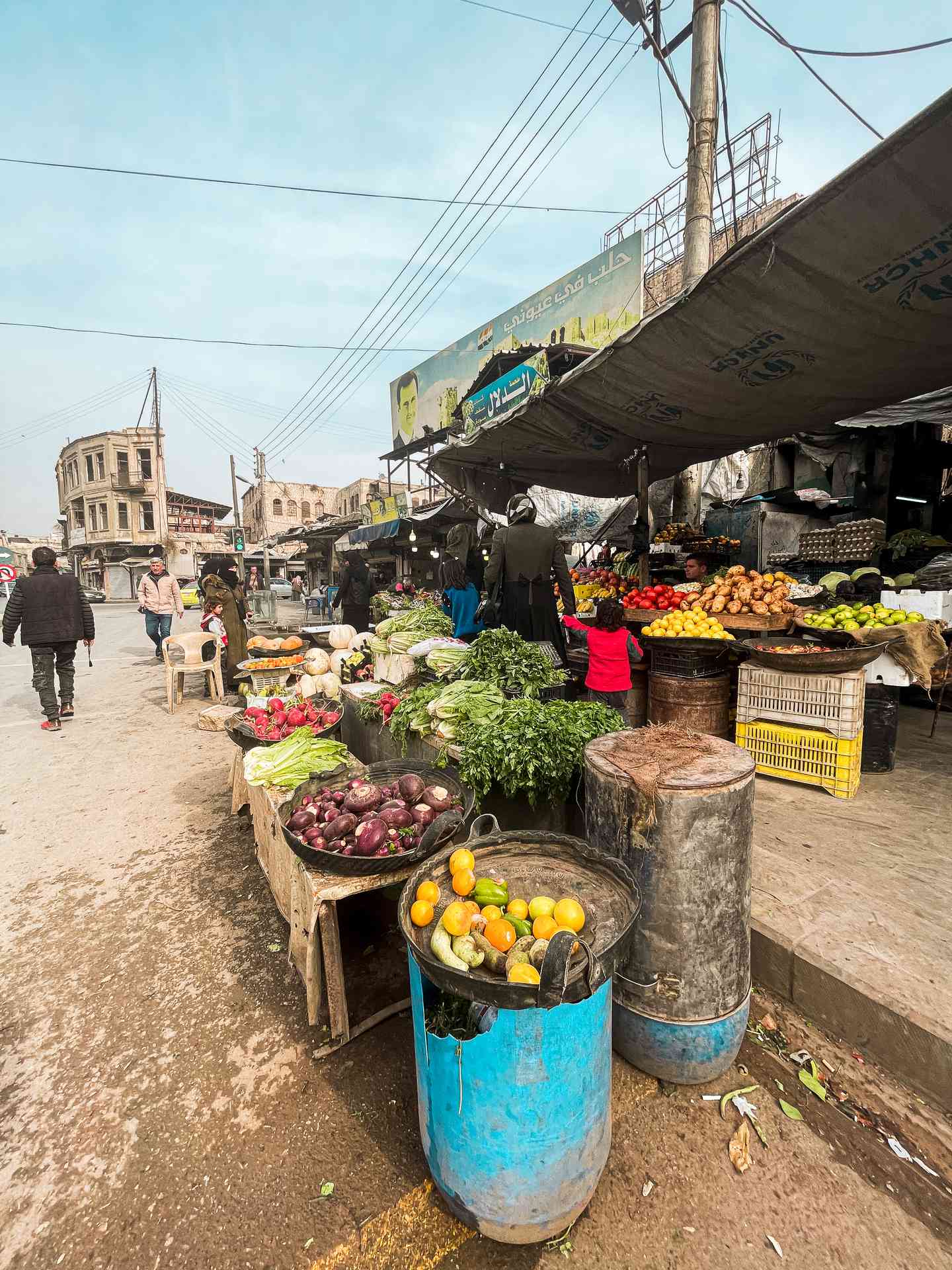
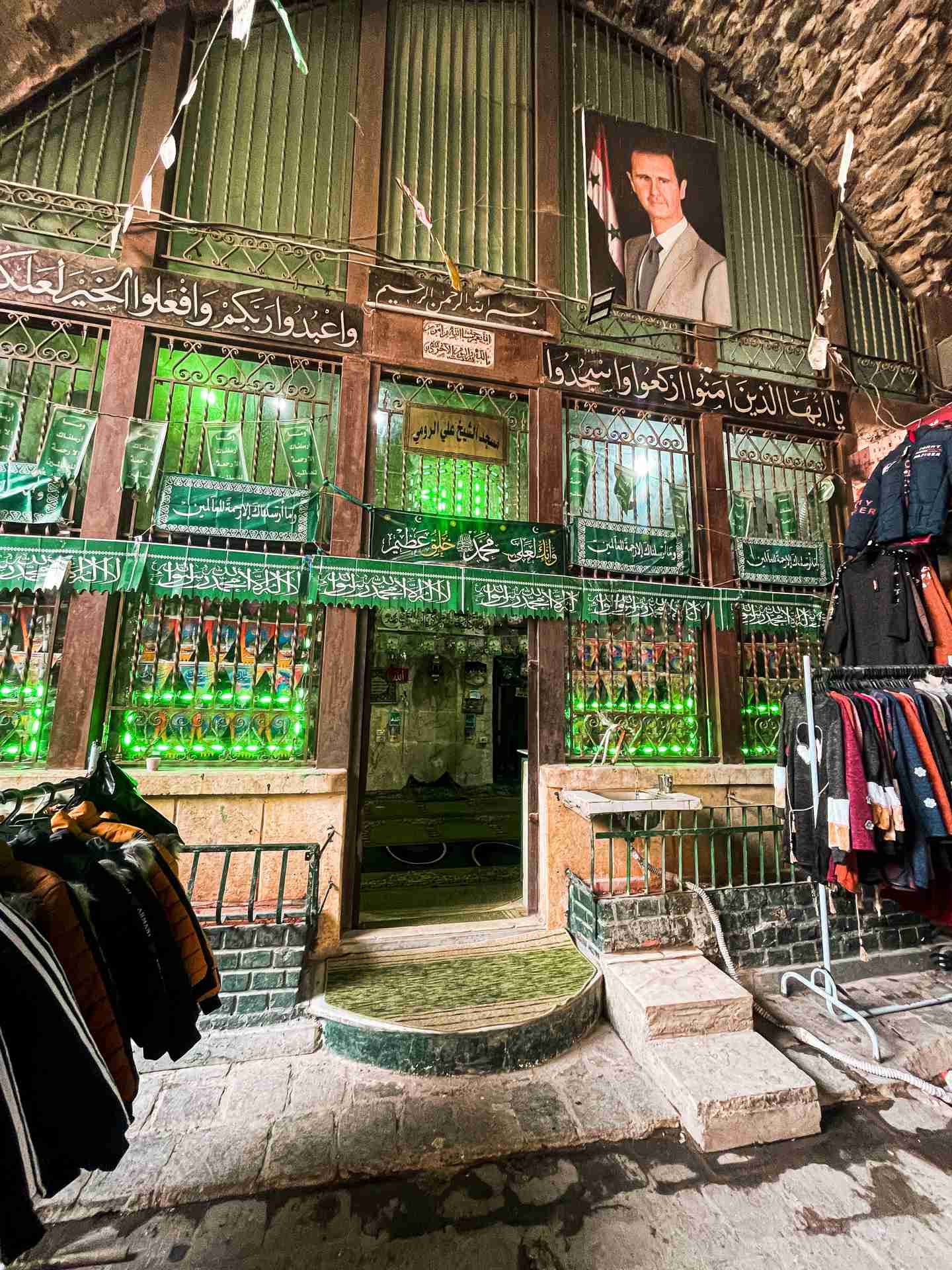
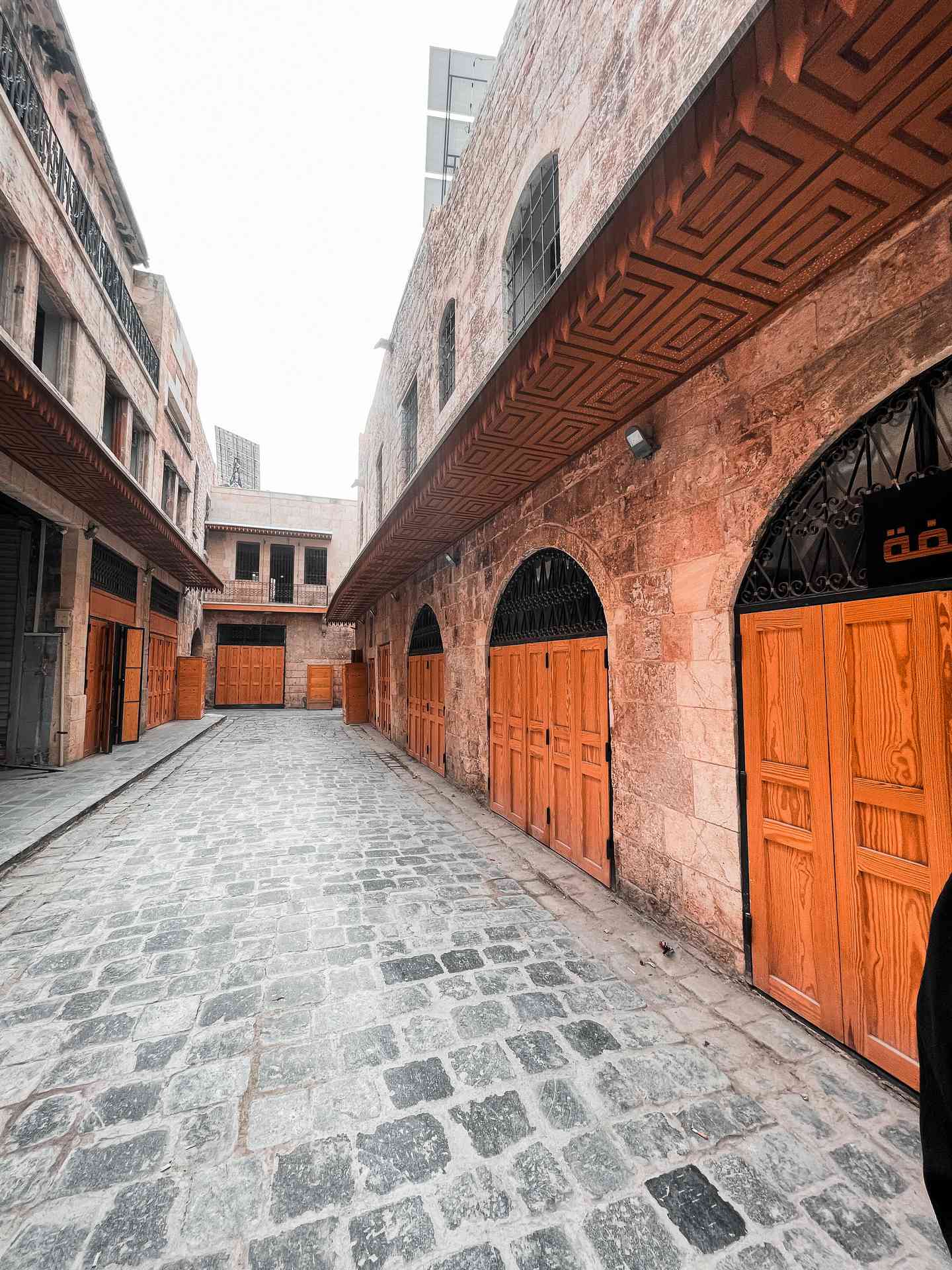
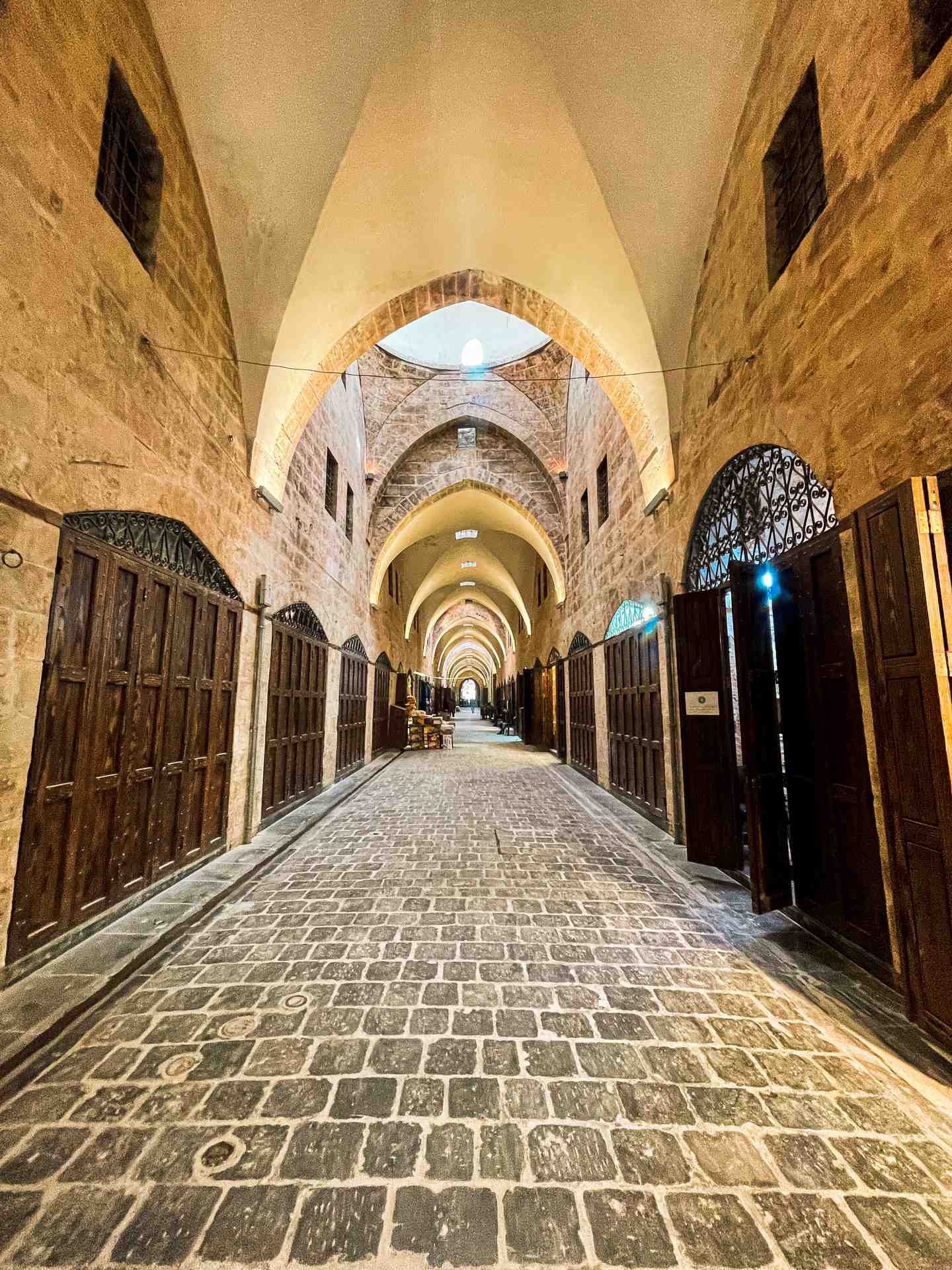
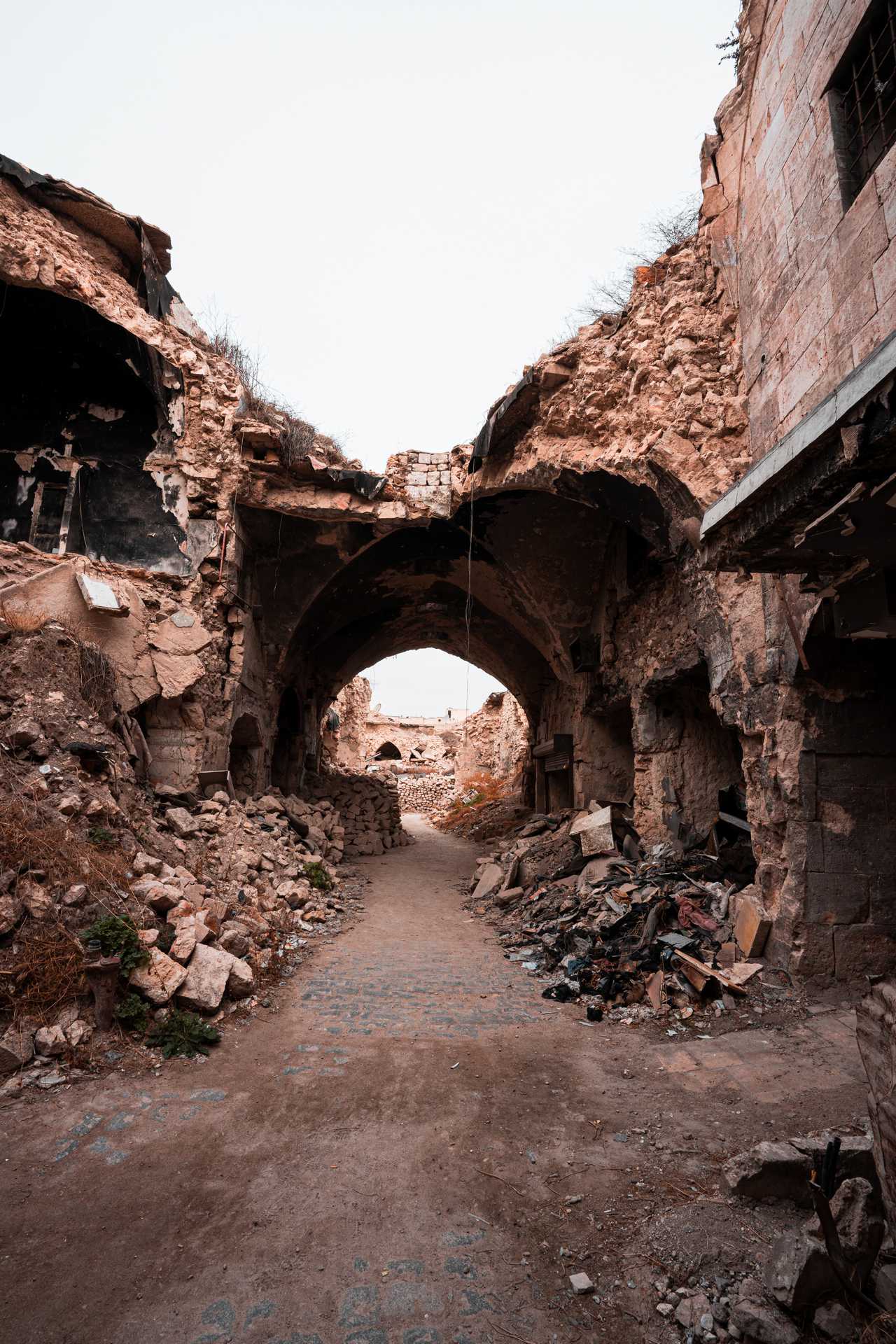
THE BAZAAR
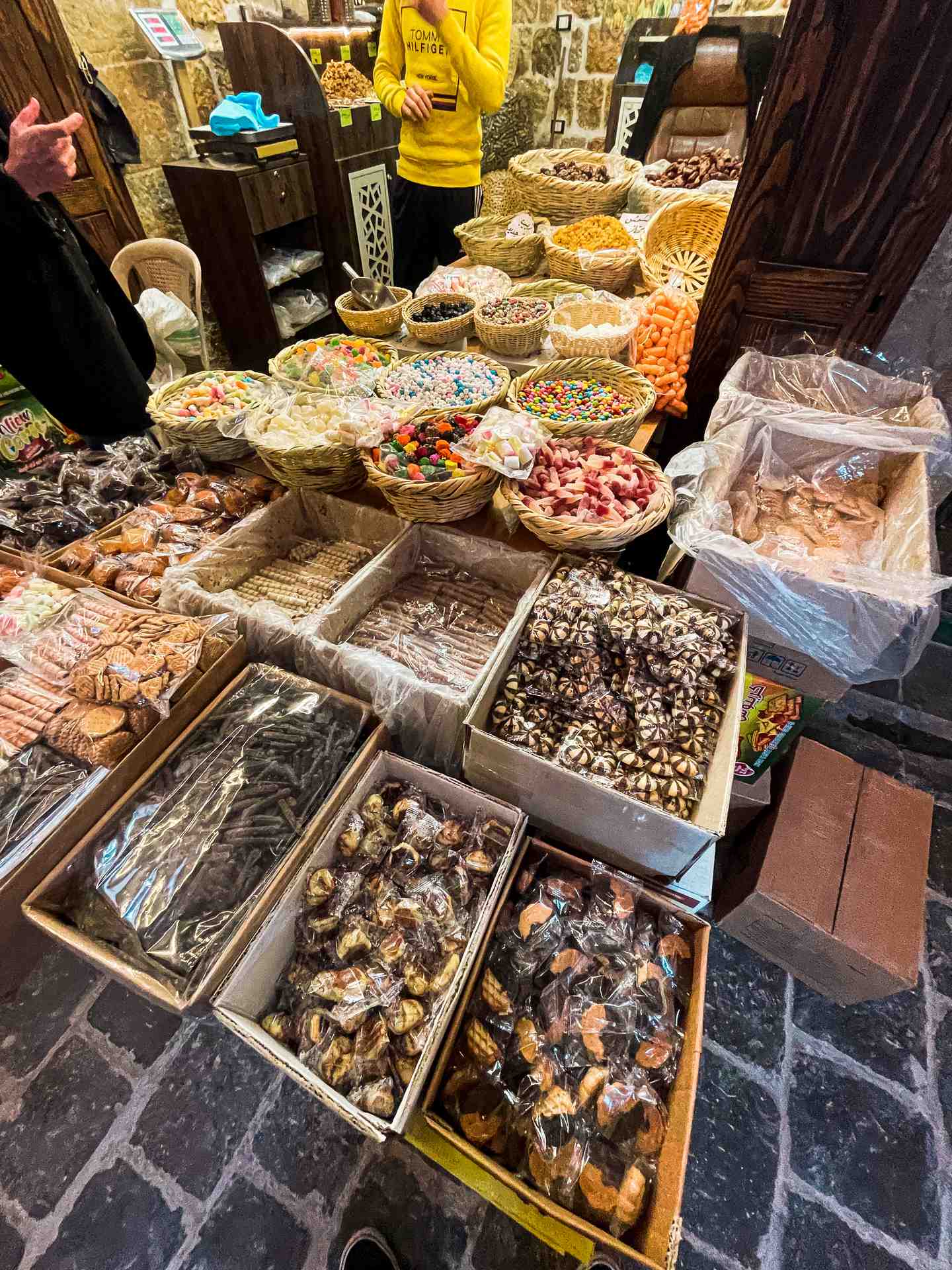
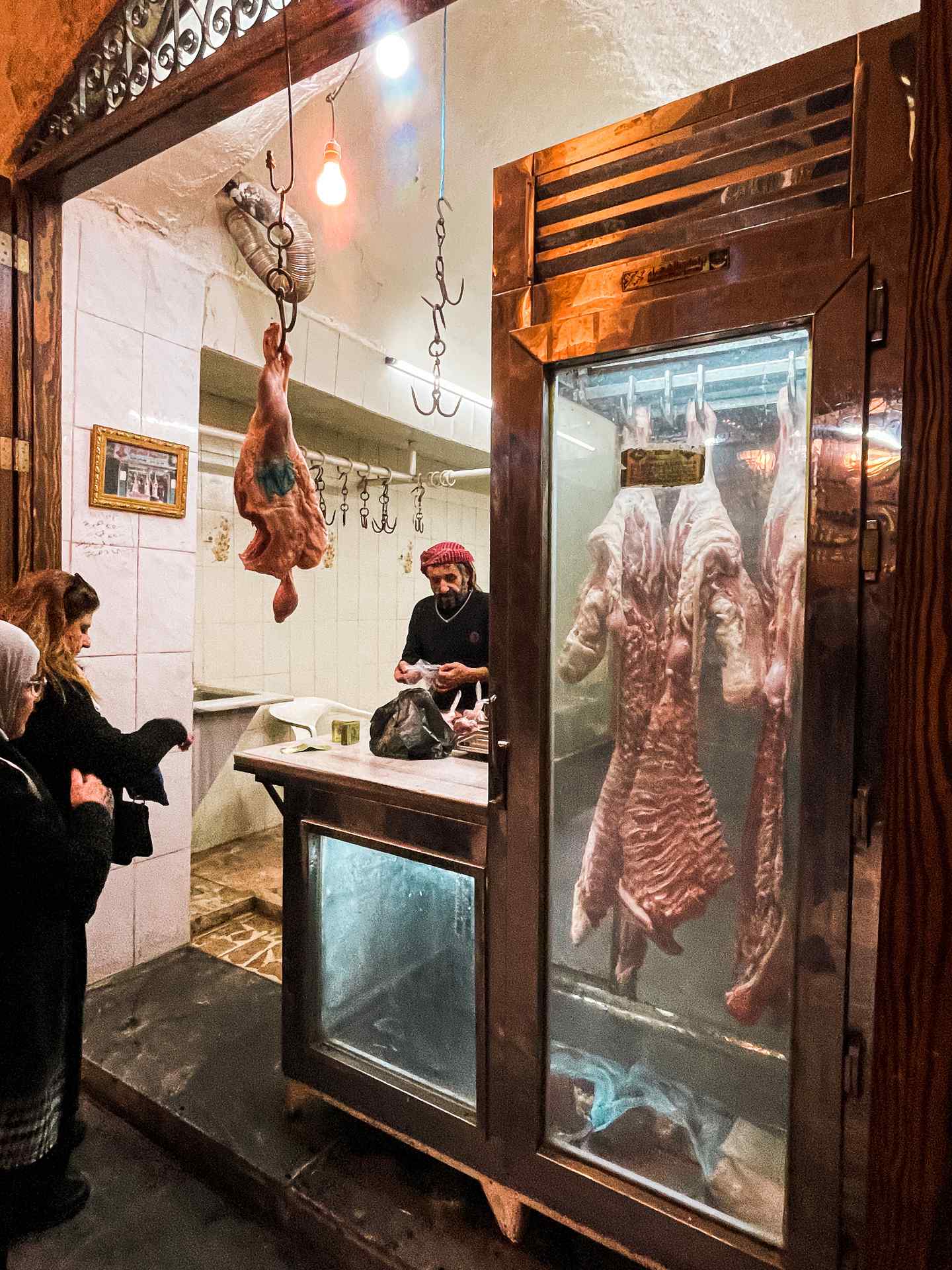
After a walk past some seriously oily street food, we headed to the bazaar, where I was approached by a local who had a message: ” What you see about Syria in the west is not what it is about”, and that he was right. The benefits of having a guide and translator in one means you don’t miss out on this kind of conversation!
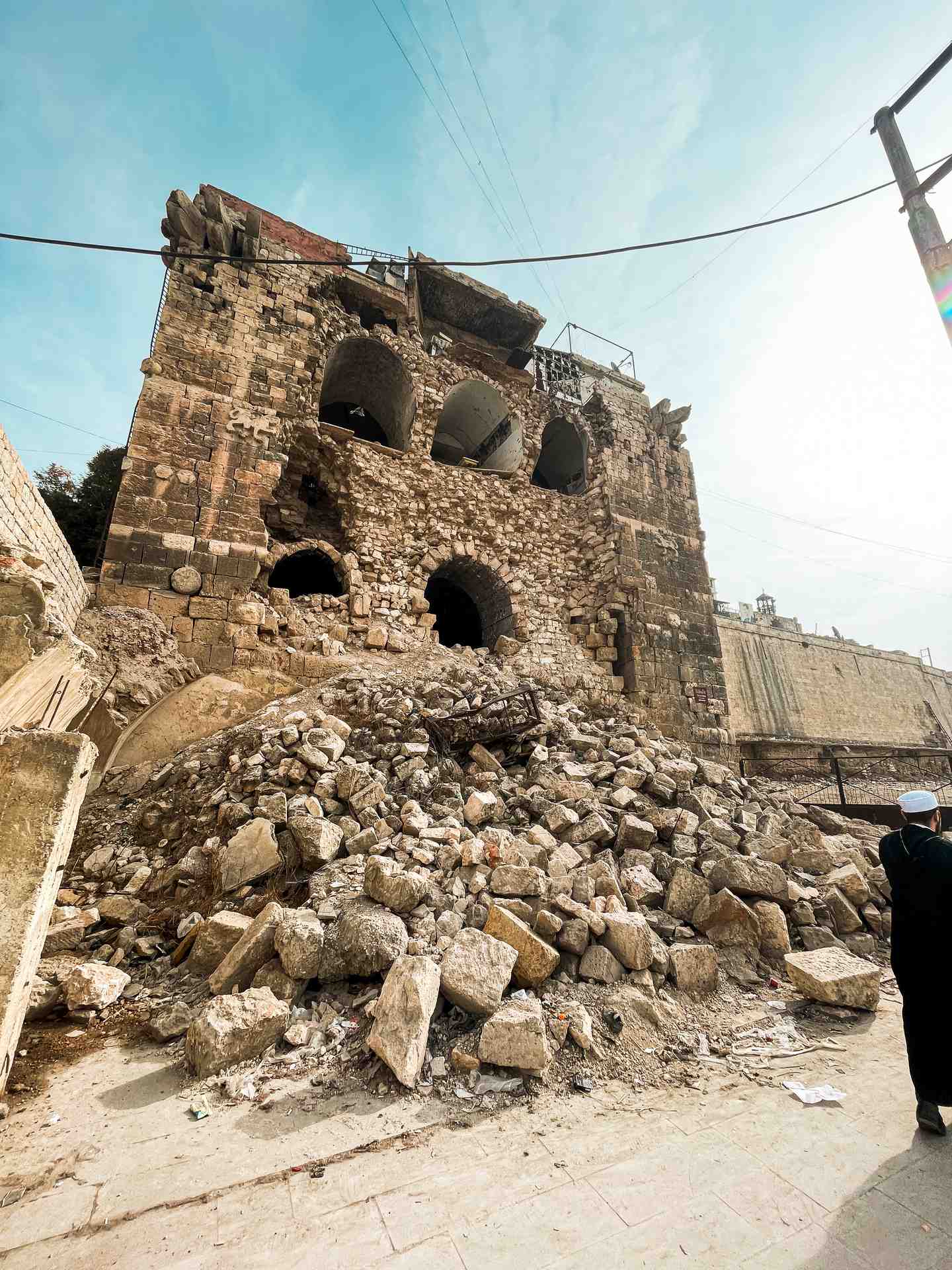
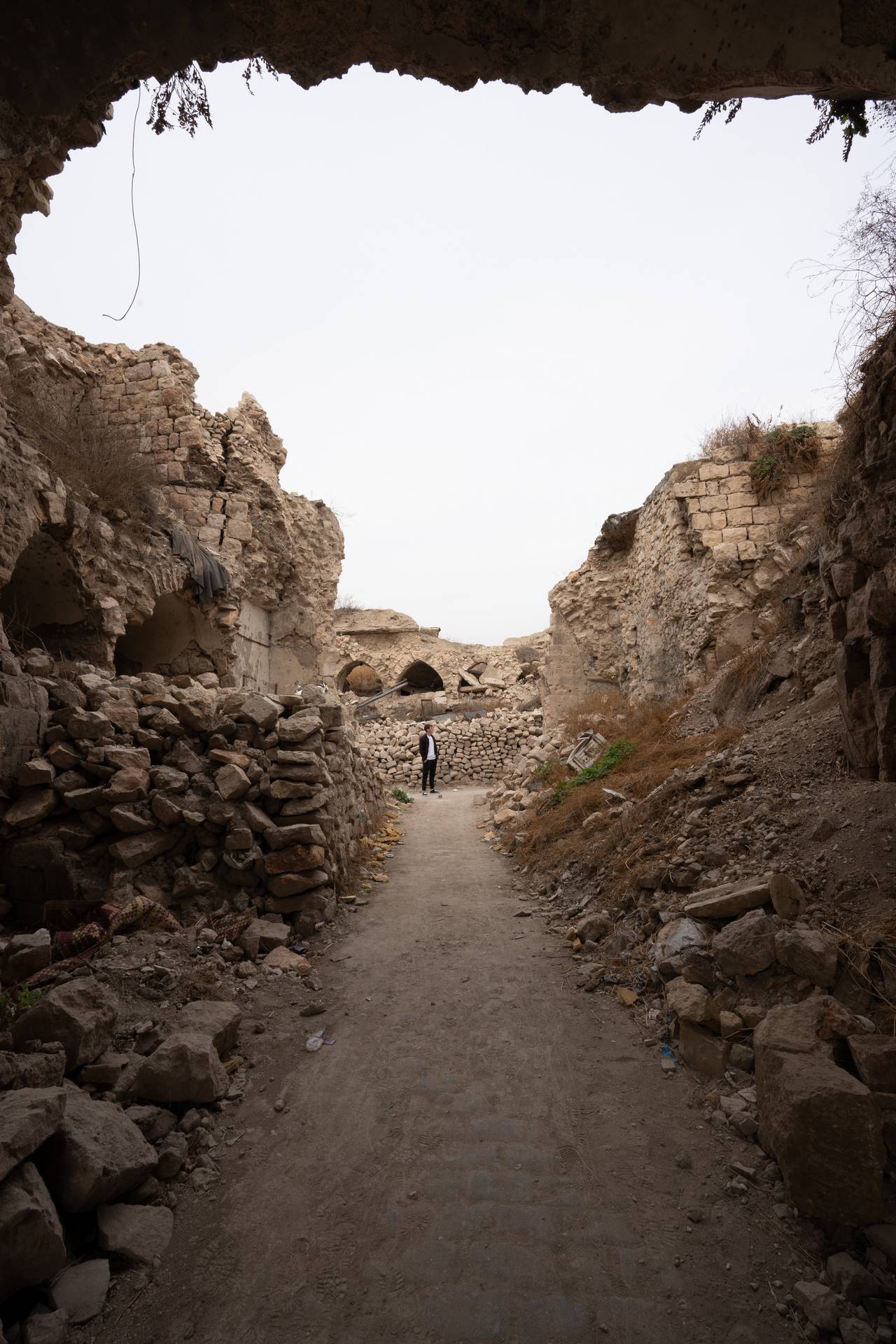
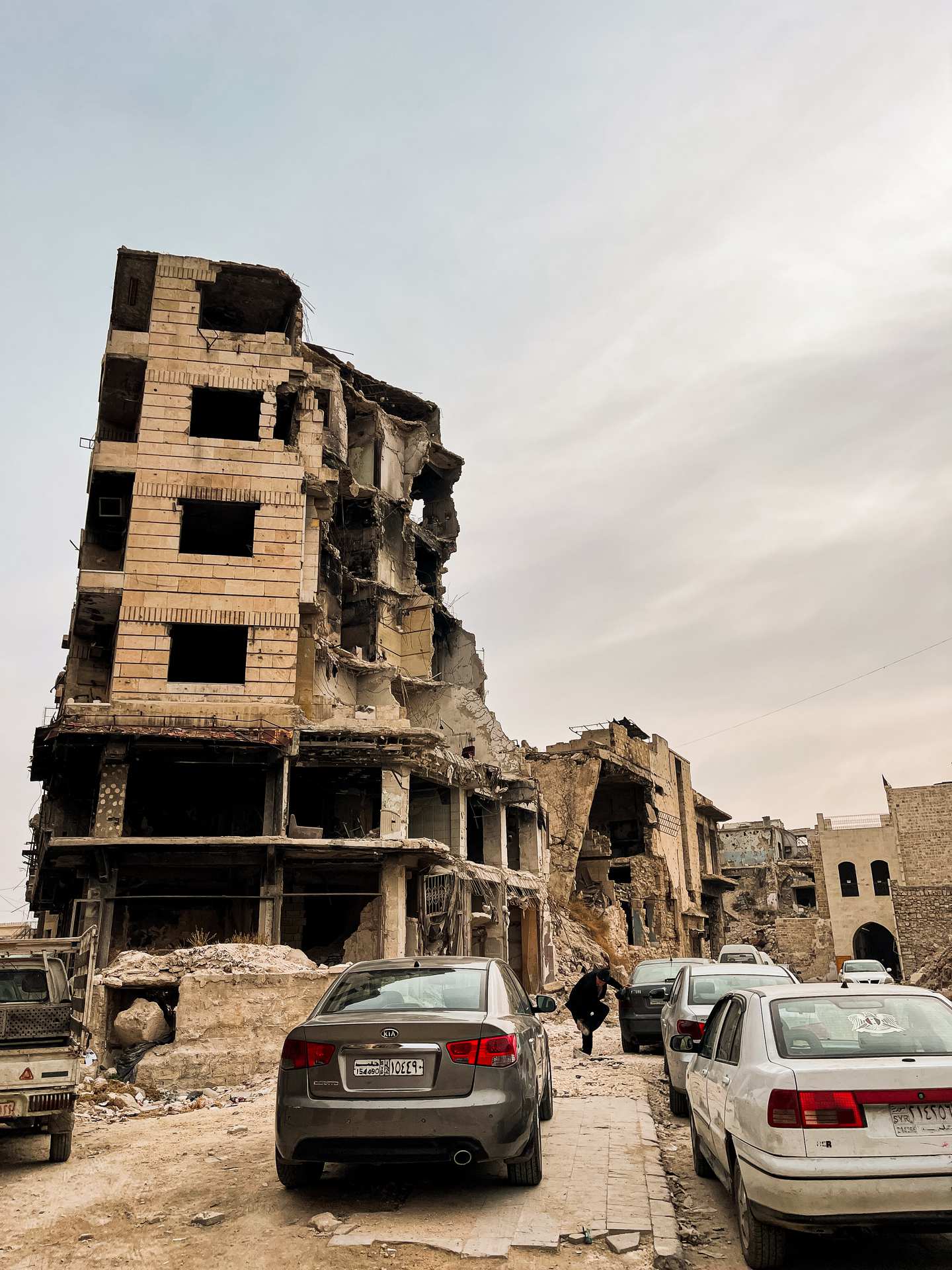
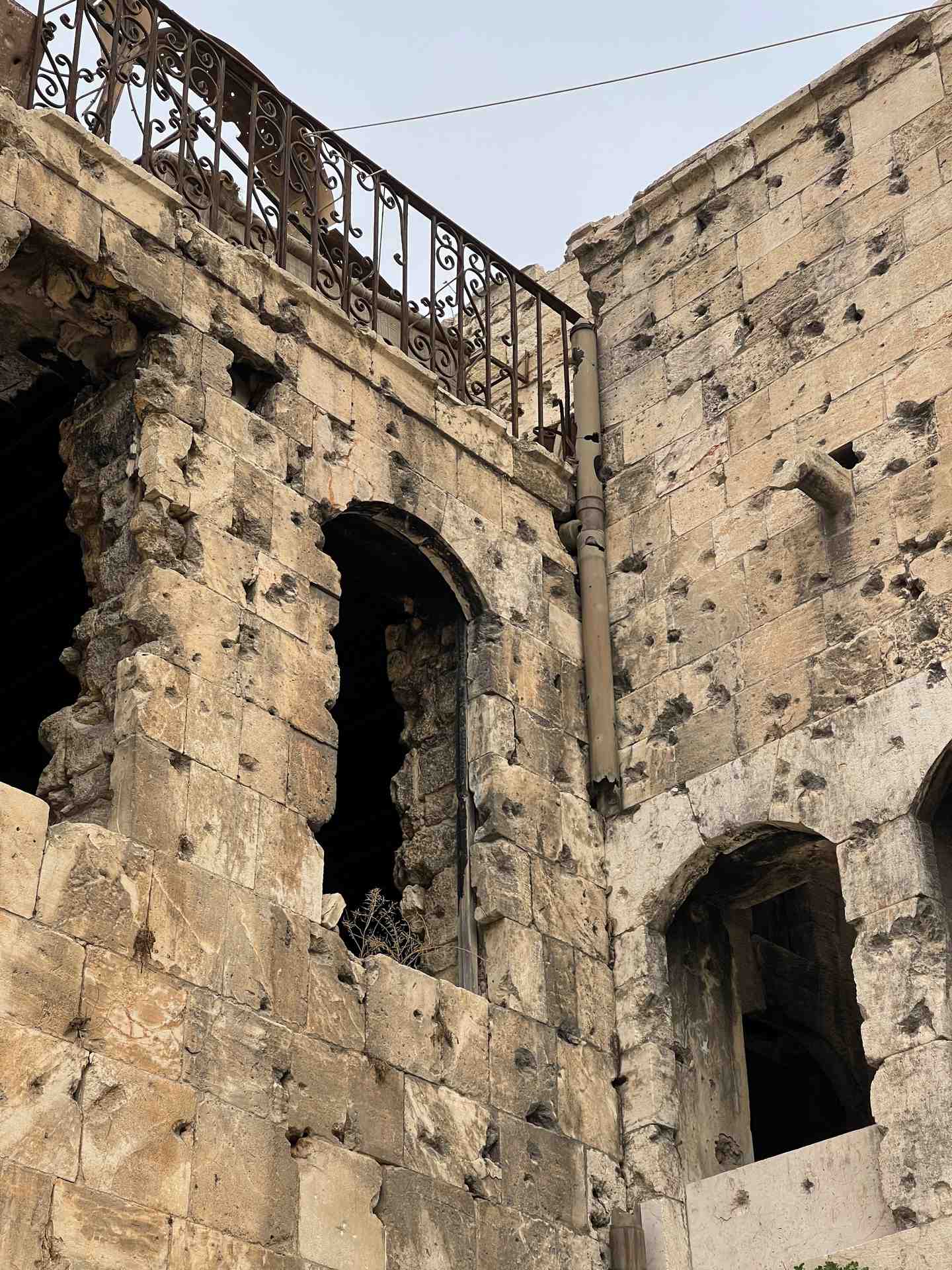
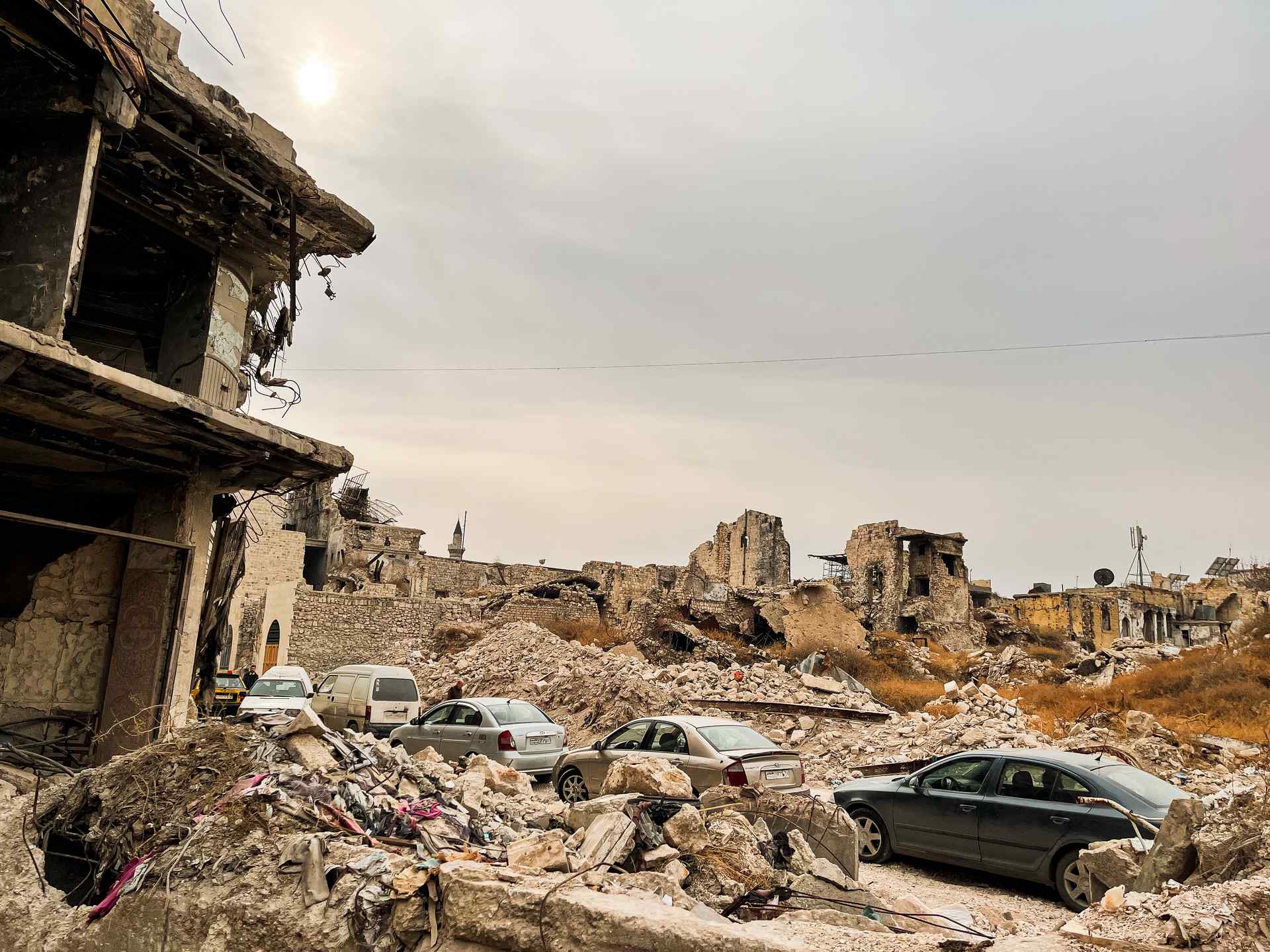
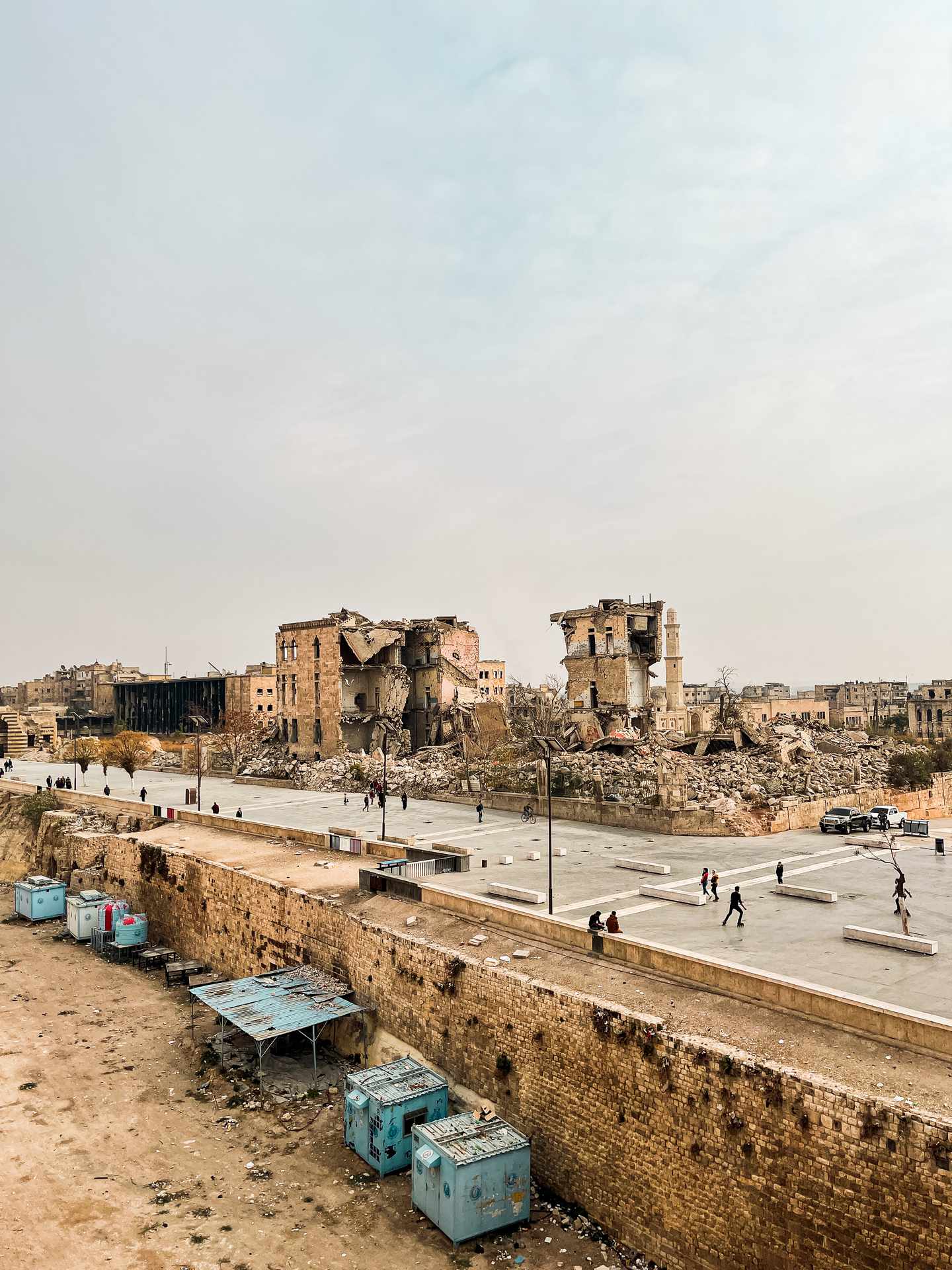
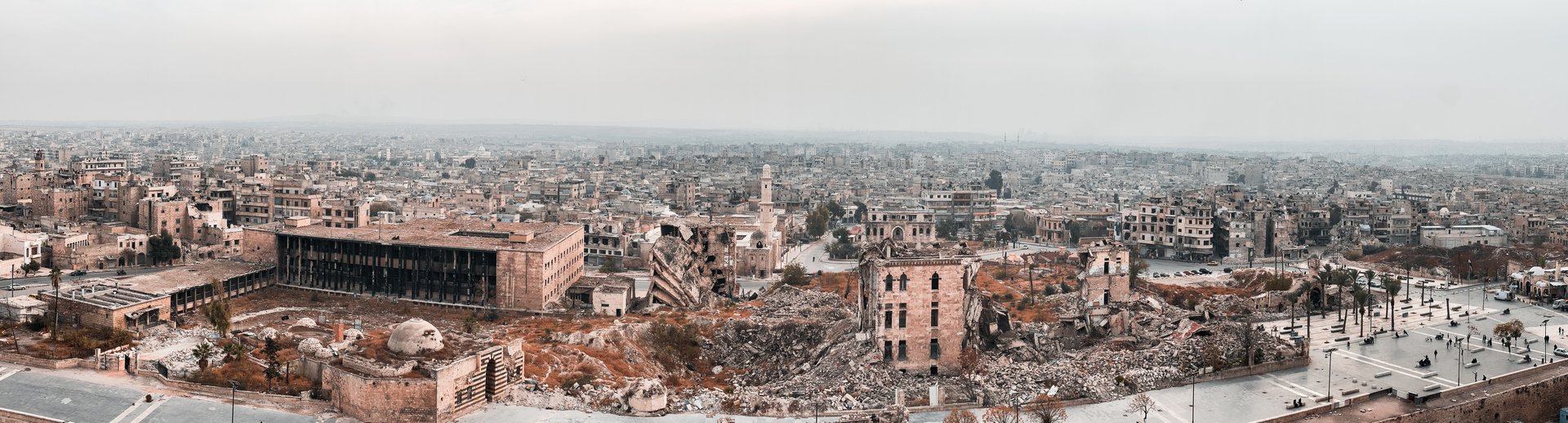
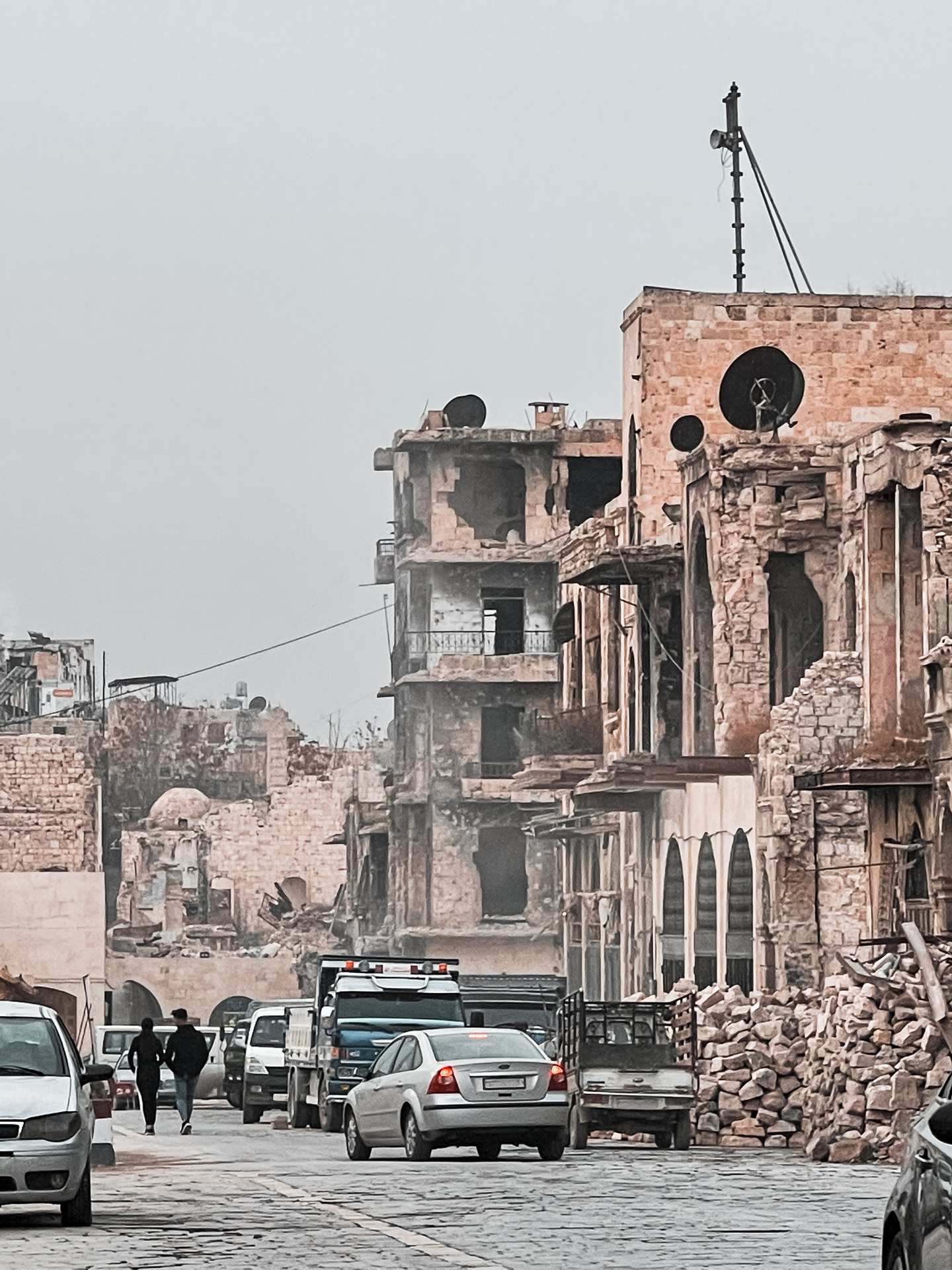
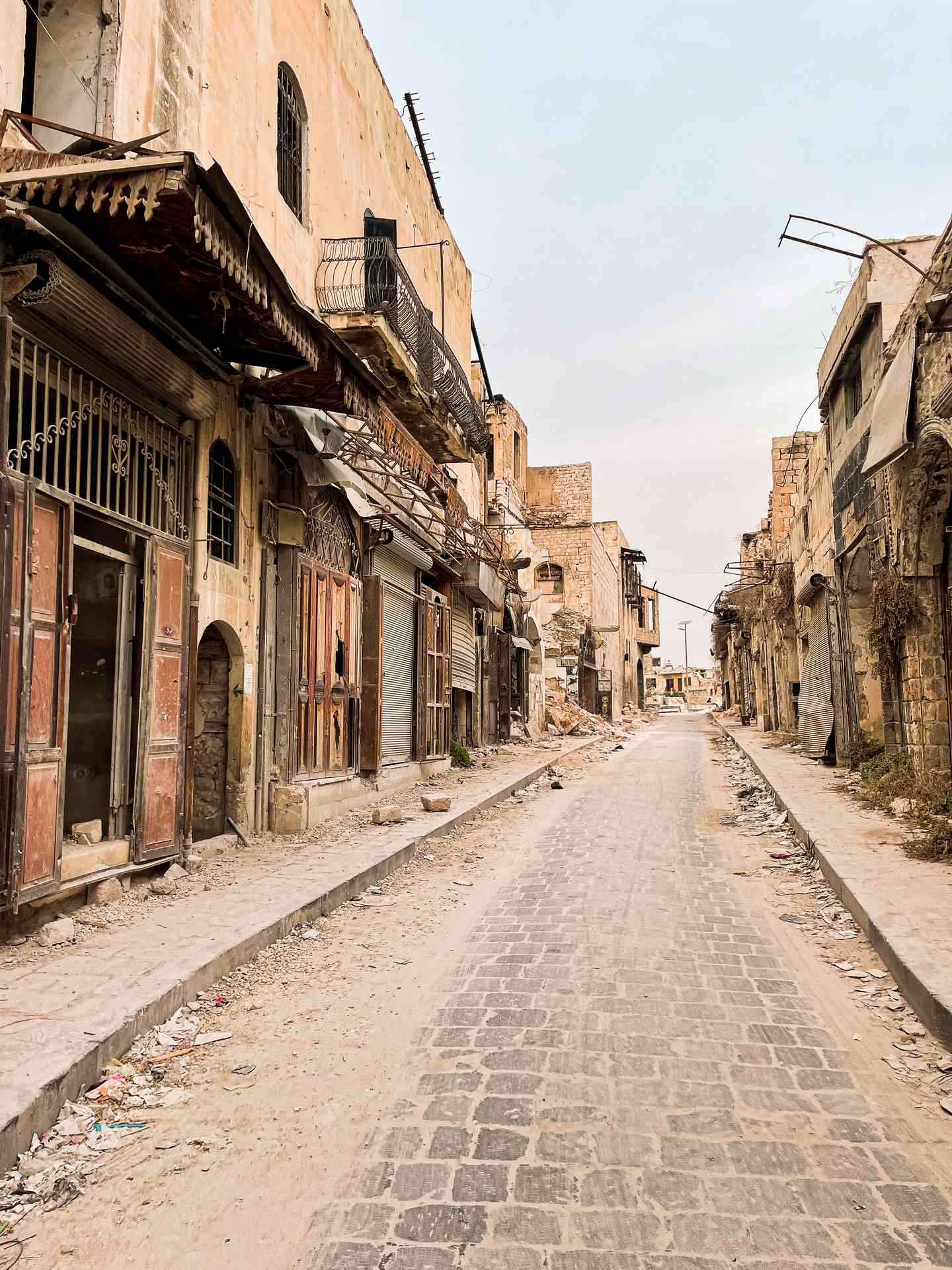
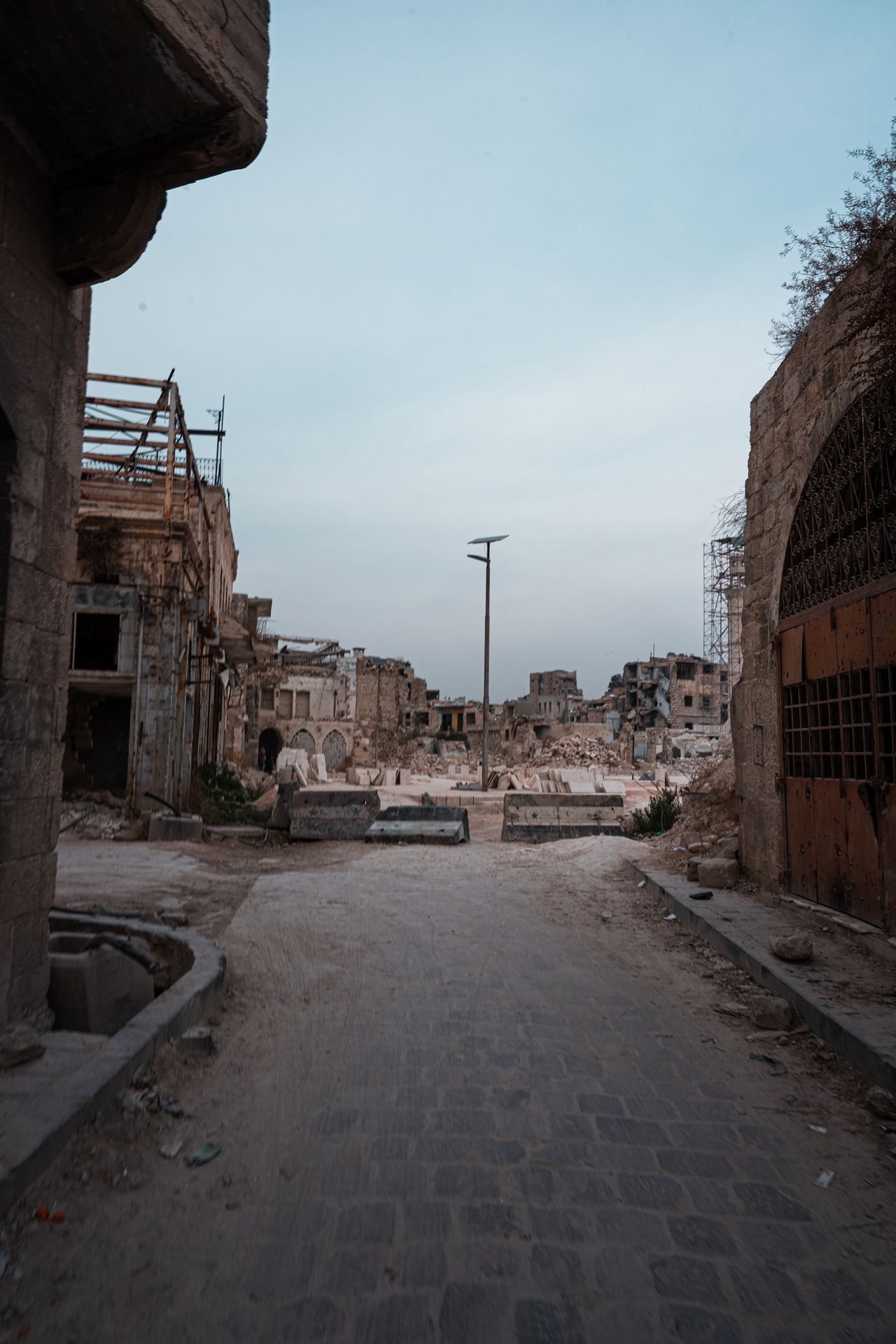
The Bazaar is going through an extensive refurb after a lot of it was destroyed during the war. Seeing it at every stage of development was incredible, as it gives you an idea of the work that goes into rebuilding these places. Much of it is still rubble, and the work will likely continue for years.
A Day in Aleppo and Generosity of New Friends

A day in Aleppo and generosity of new friends
DAILY TRAVEL STATS….
- Steps – 23,700

A Day in Aleppo and Generosity of New Friends
GRAND MOSQUE OF ALEPPO
Another landmark that became a victim of the war was the city’s largest mosque, originally built in 700AD. Its minaret was destroyed because it offered a perfect vantage point for snipers overlooking the entire city. Renovations were still underway, so visitors normally couldn’t enter. However, in our case, a member of the military invited us in – it really depends on who you talk to. Unfortunately, no photos were allowed.
| Did You Know? The Grand Mosque, also known as the Great Umayyad Mosque of Aleppo, is part of a UNESCO World Heritage Site and is one of the oldest mosques in Syria. |
REBUILDING WHAT WAS LOST
The plan was originally to restore the minaret with the same blocks in the same place, a bit like Humpty Dumpty! However, unsurprisingly, this proved impossible, and they will instead do what they can to make it as it was. It’s slow work as we watch the workers go from block to block and decide which one to use. The skills of these trades are super impressive!
Refurbishment also continues inside the mosque; however, these areas were only partially destroyed. The mosque is home to the Tomb of Zachary, the son of Saint John the Baptist, whose tomb is in Damascus.
RELATED READ: THE GREATEST HIKE ON EARTH?
CITADEL OF ALEPPO
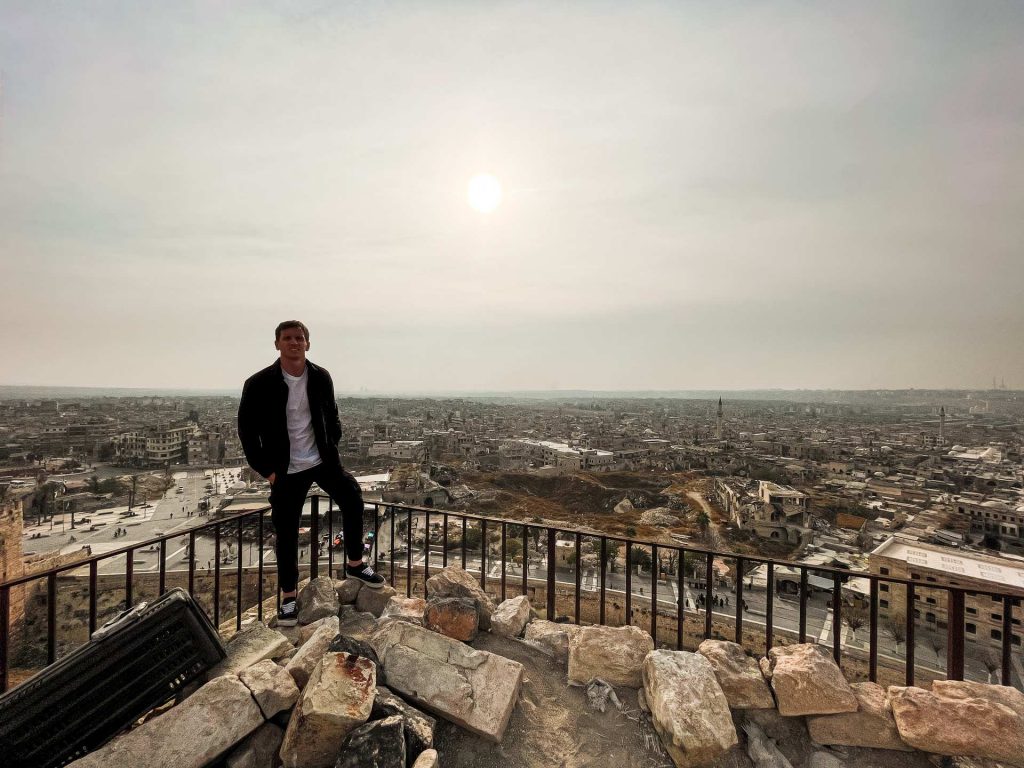
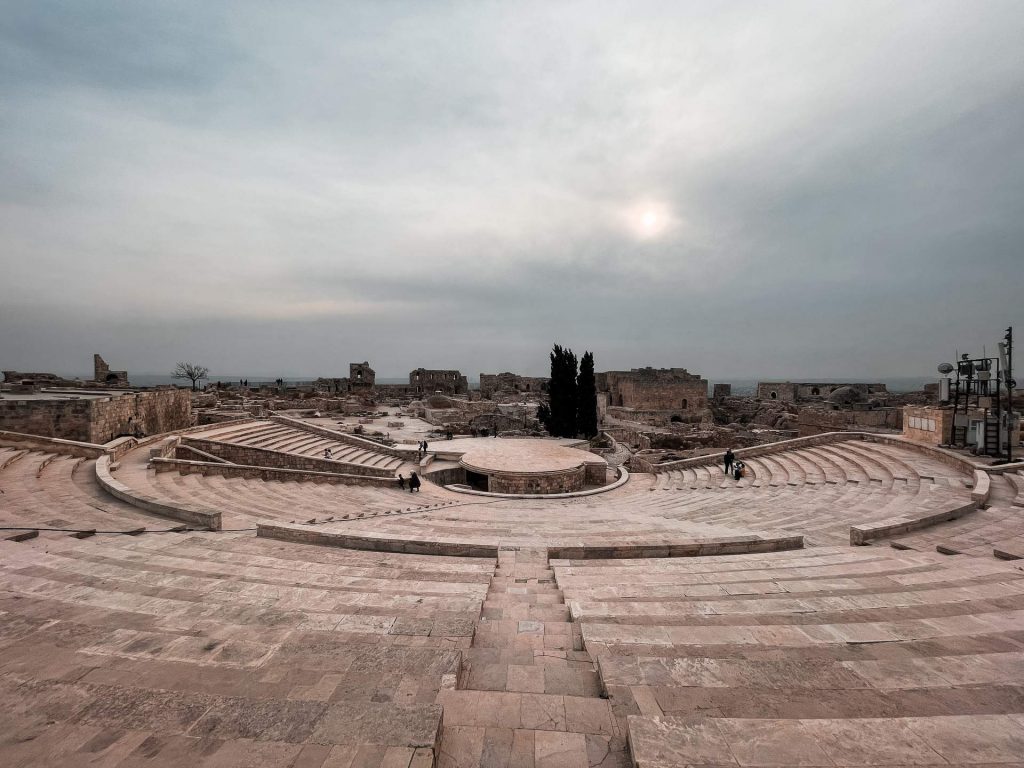
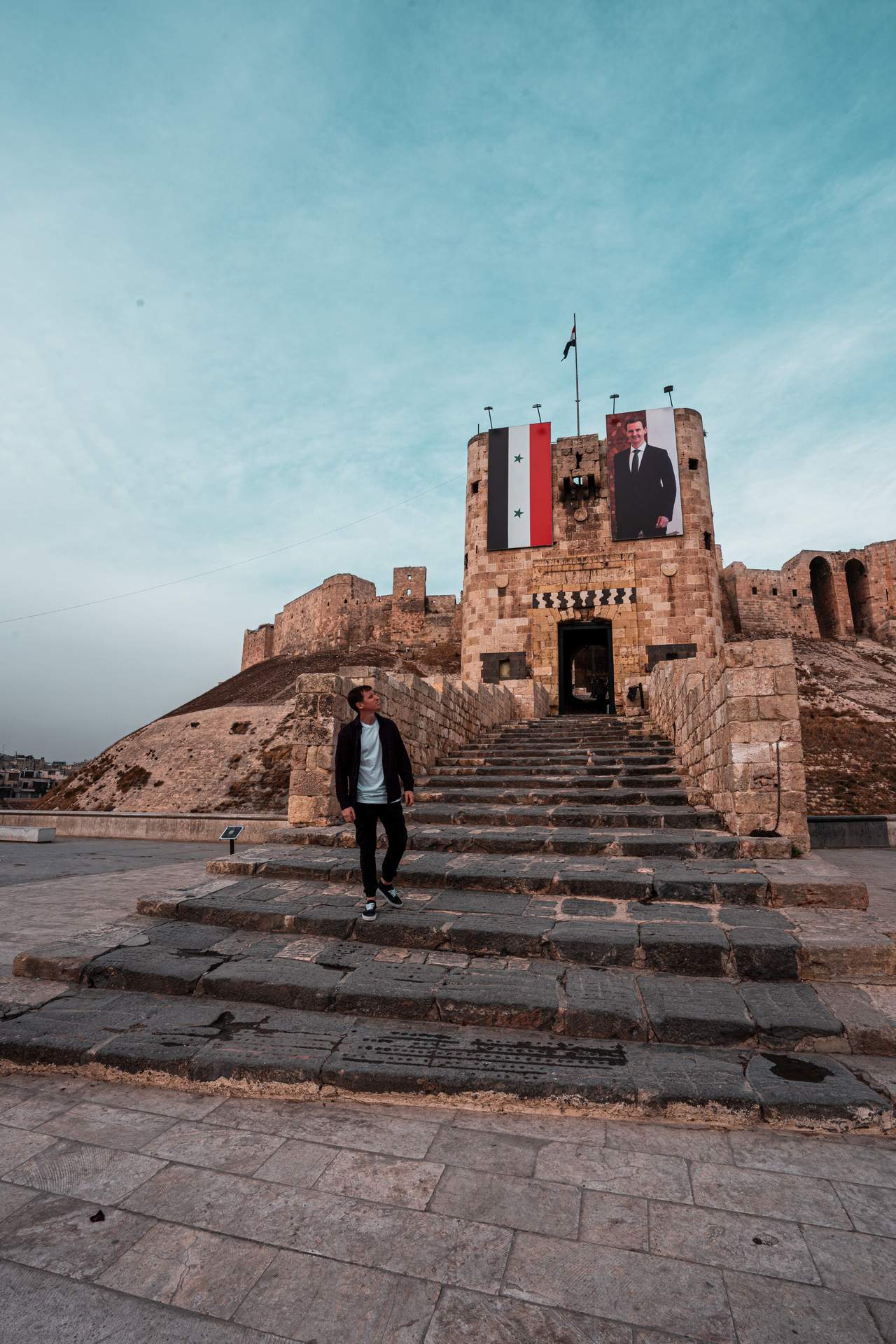
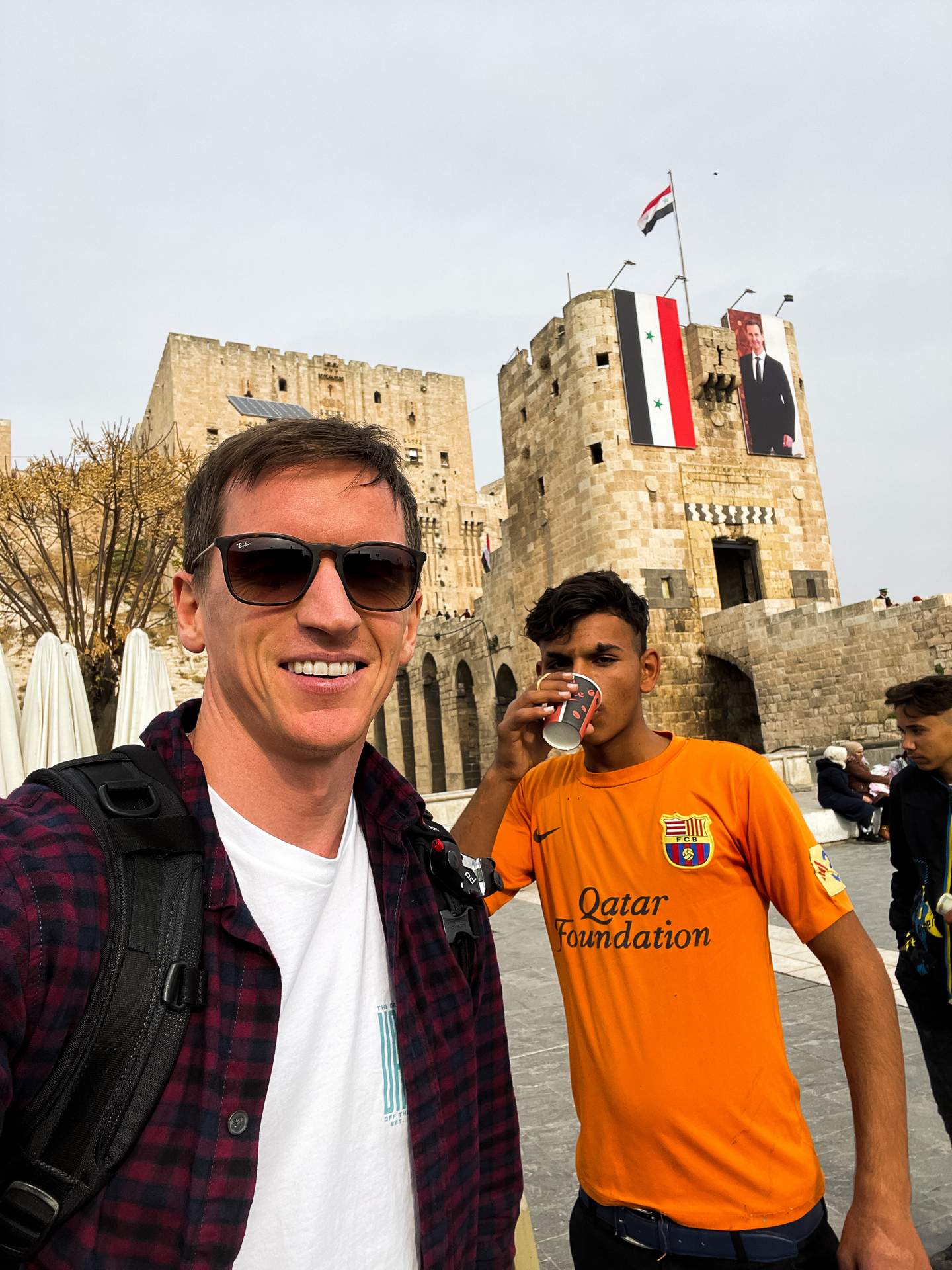
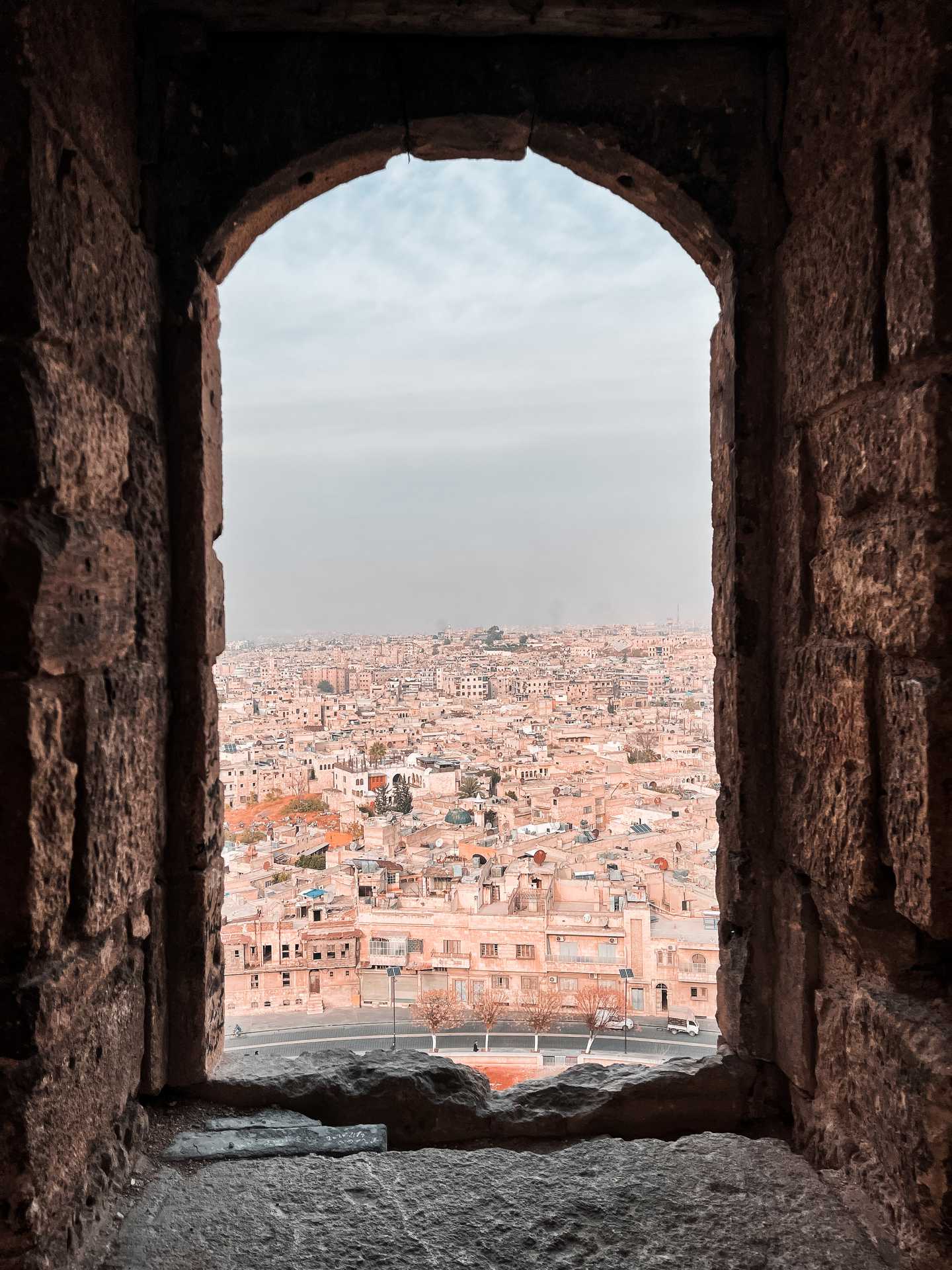
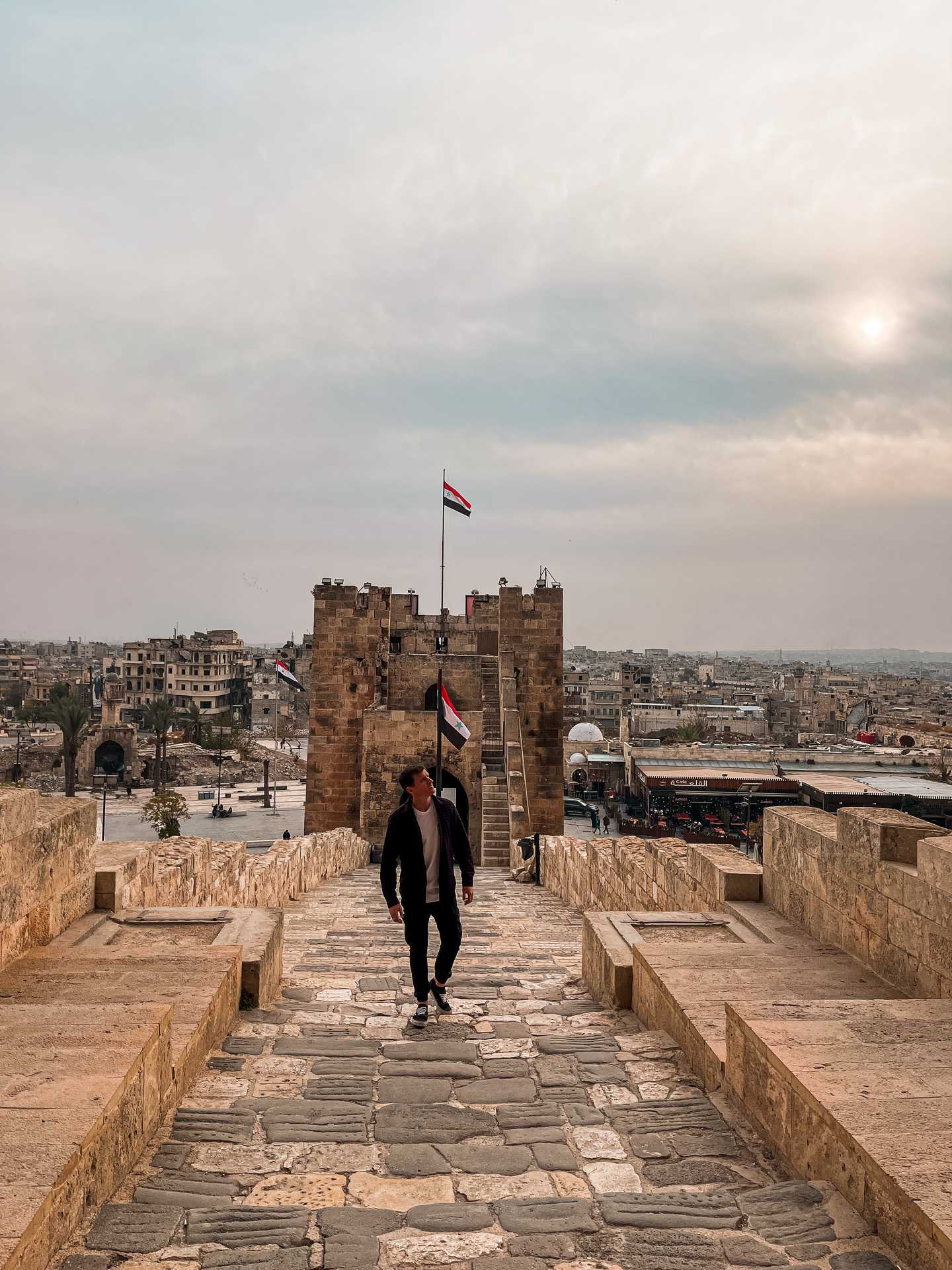
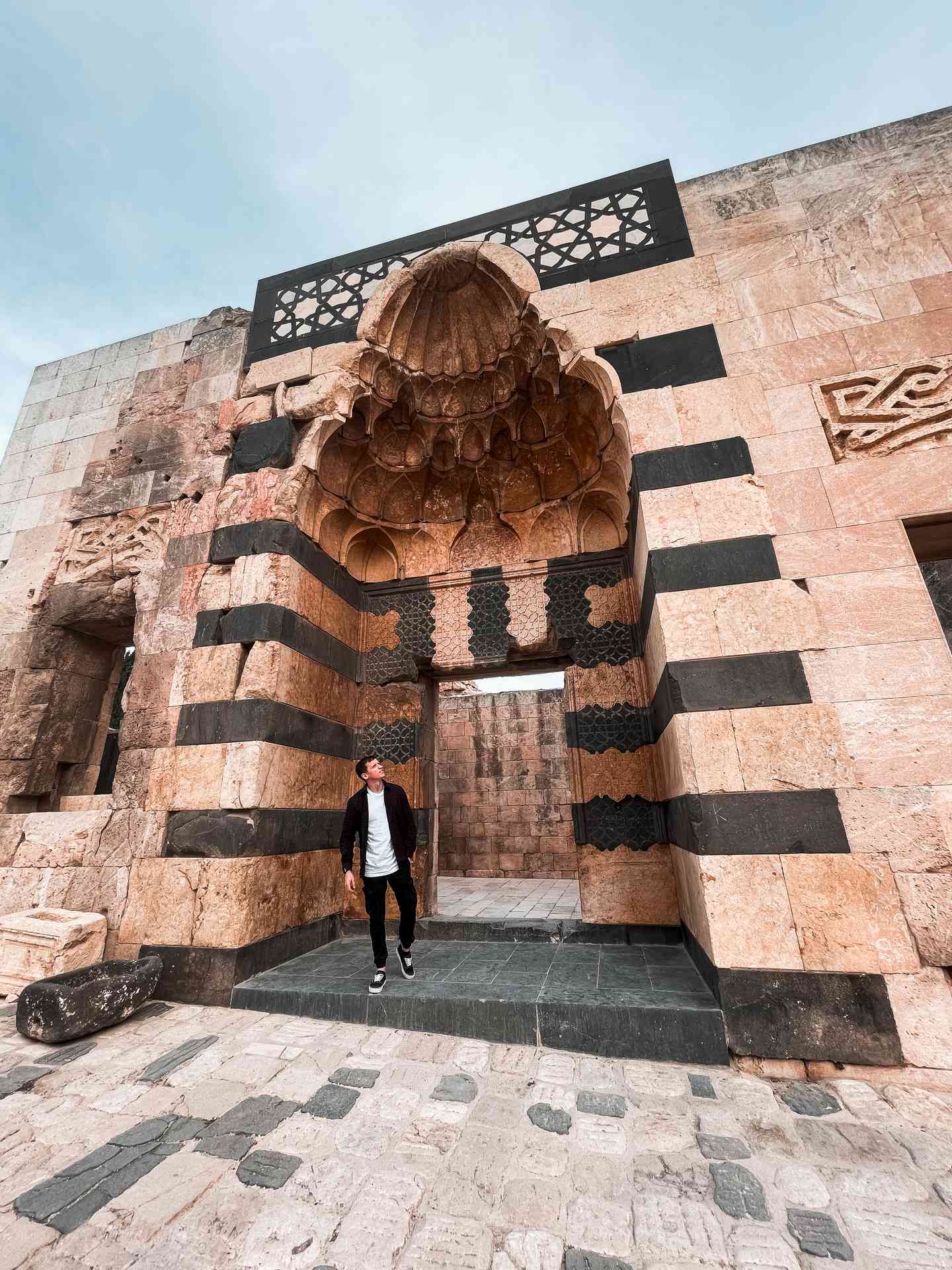
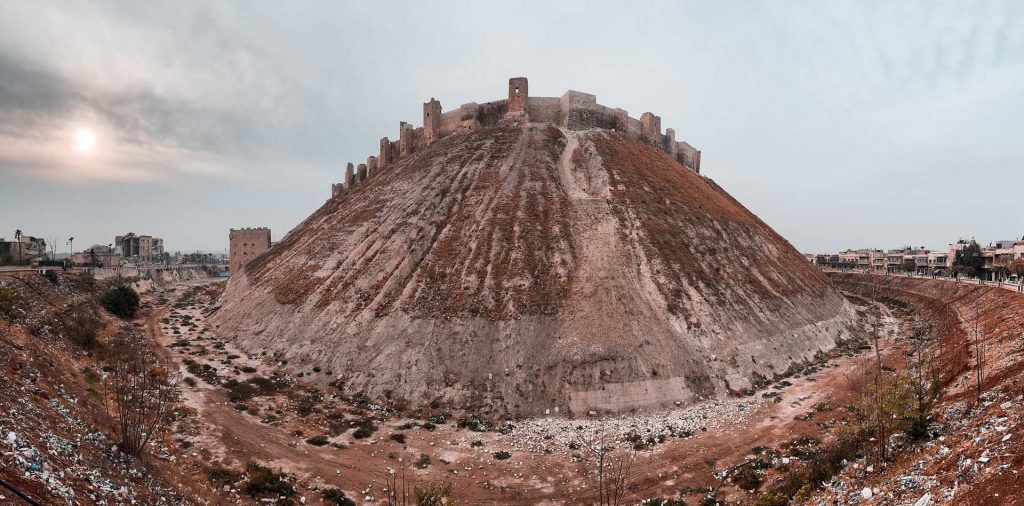
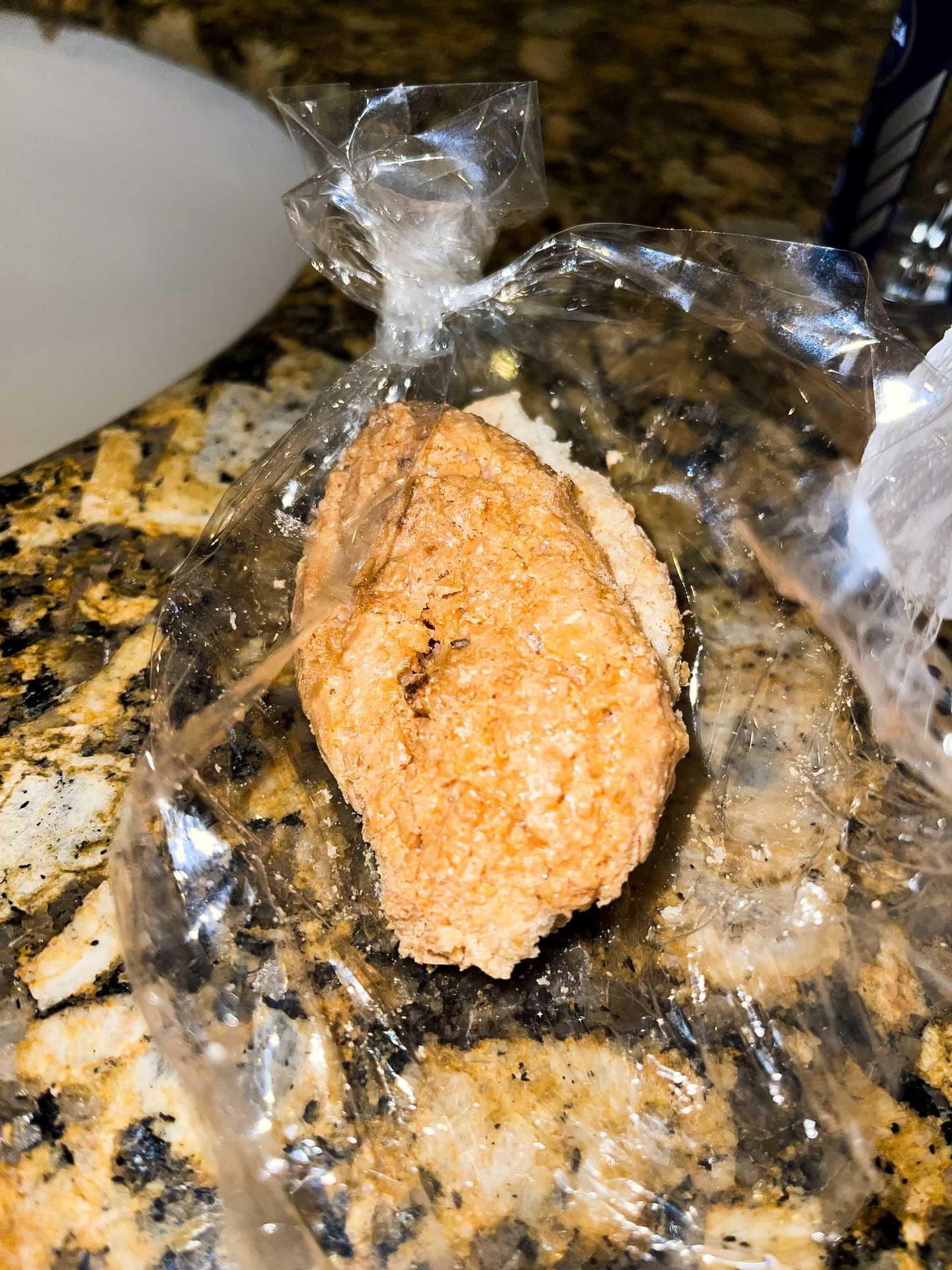
After some Mouhara (spicy bread) and a chat with the local coffee man, it was onto the Aleppo Citadel, the most impressive castle I have ever seen!
Dating back to 3000BC, it’s no surprise that Aleppo is home to the oldest citadel in the world, and a surprising fact is that no one is sure who built the 40,000ft2 beast!
Many civilisations have occupied it since its inception, and most of its construction as it is today is thought to originate from the Ayyubid period. Although it appears to be in good condition, the citadel suffered significant damage during the civil war when the army occupied it and was continually attacked by the rebels.

FACTS:
- Aleppo is one of the oldest continuously inhabited cities in the world.
- Aleppo is Syria’s largest city by population, followed by the capital city, Damascus.
- Aleppo’s citadel is considered one of the most striking examples of medieval Islamic architecture preserved into the 21st century.
- Aleppo’s history stretches back over 4,000 years, with a succession of civilisations, including Hittite, Greek, Roman and Ayyubid, leaving their mark on the city over the centuries.
TUNNEL ATTACKS
As the army held the castle, it was bombarded with attacks from every side. The rebels, struggling to make progress, decided to dig underneath the castle and launch an attack from there. However, on four separate occasions, the rebels miscalculated and blew up a 4-star hotel, two mosques, and another building.
NEW FRIENDS
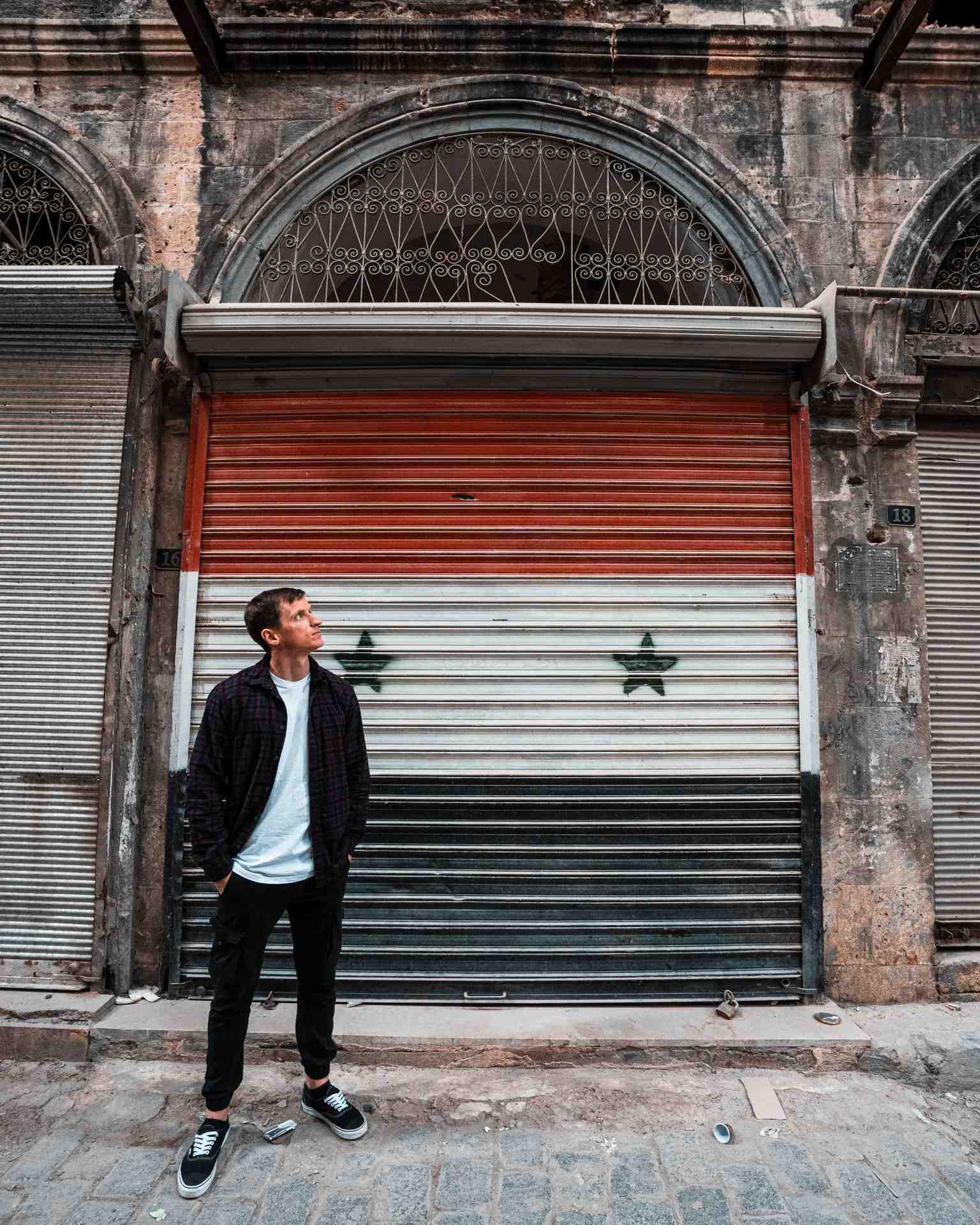
It was here that I walked around a bit on my own and had some young locals offer to take me for a coffee. So we arranged to meet up later and swapped numbers.
Meeting locals is an important part of visiting a new country for me, but sometimes, when you are with a guide, it can be difficult, as the guide isn’t always accepting, and this one in particular. I’m not sure if it was because he didn’t want me to be annoyed or whether he just didn’t want it himself. His knowledge is second to none, however.

TEA AND SISHA
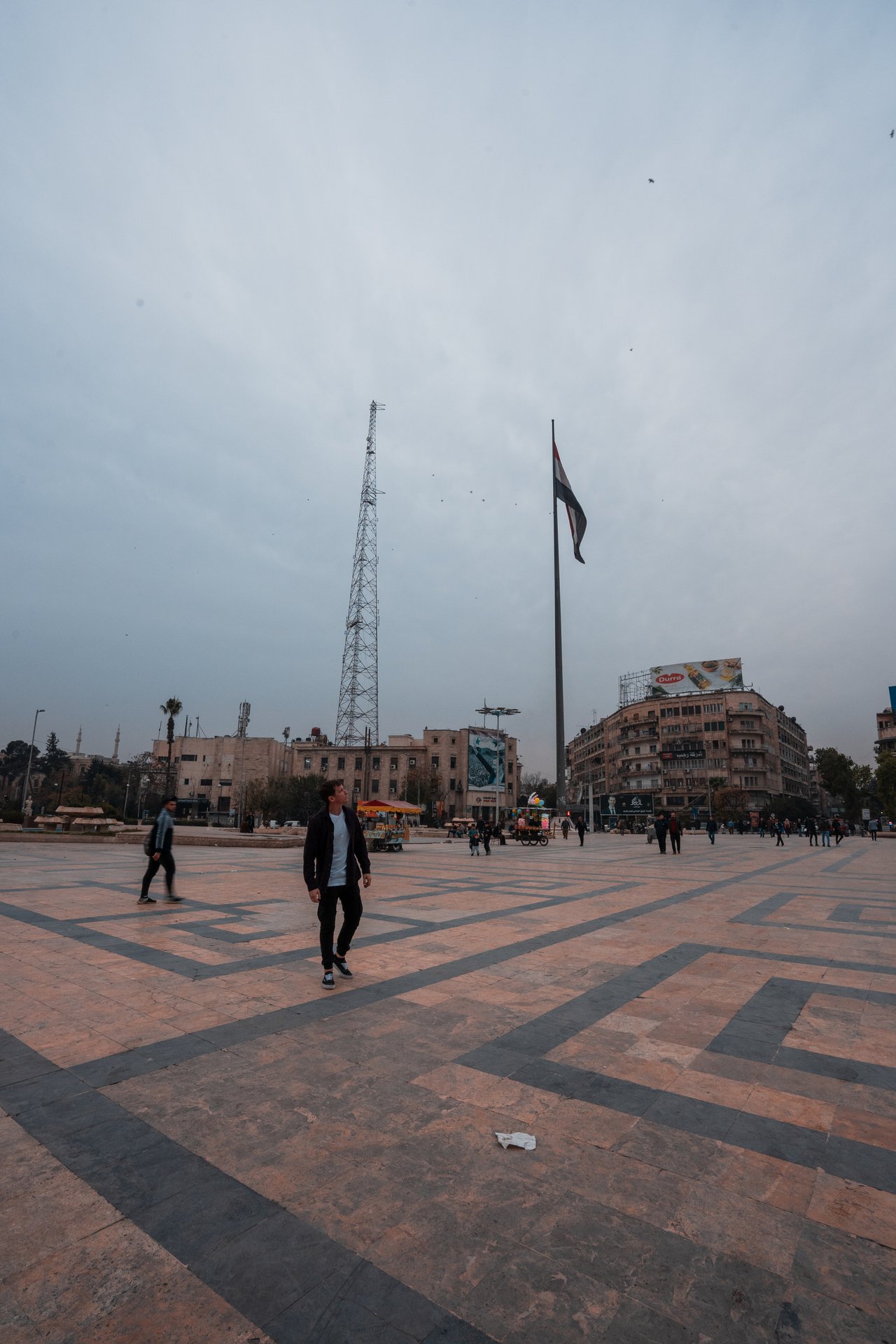
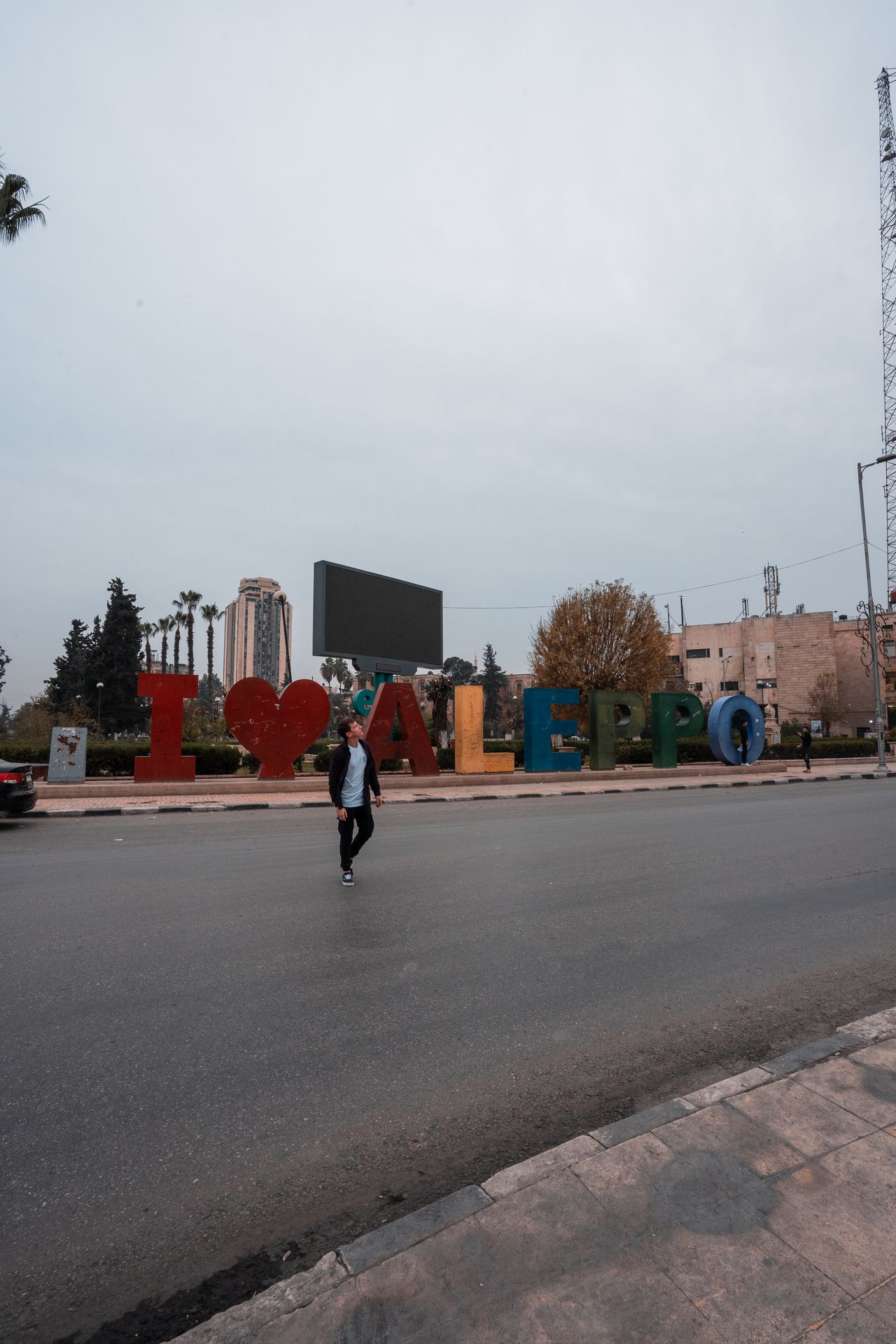
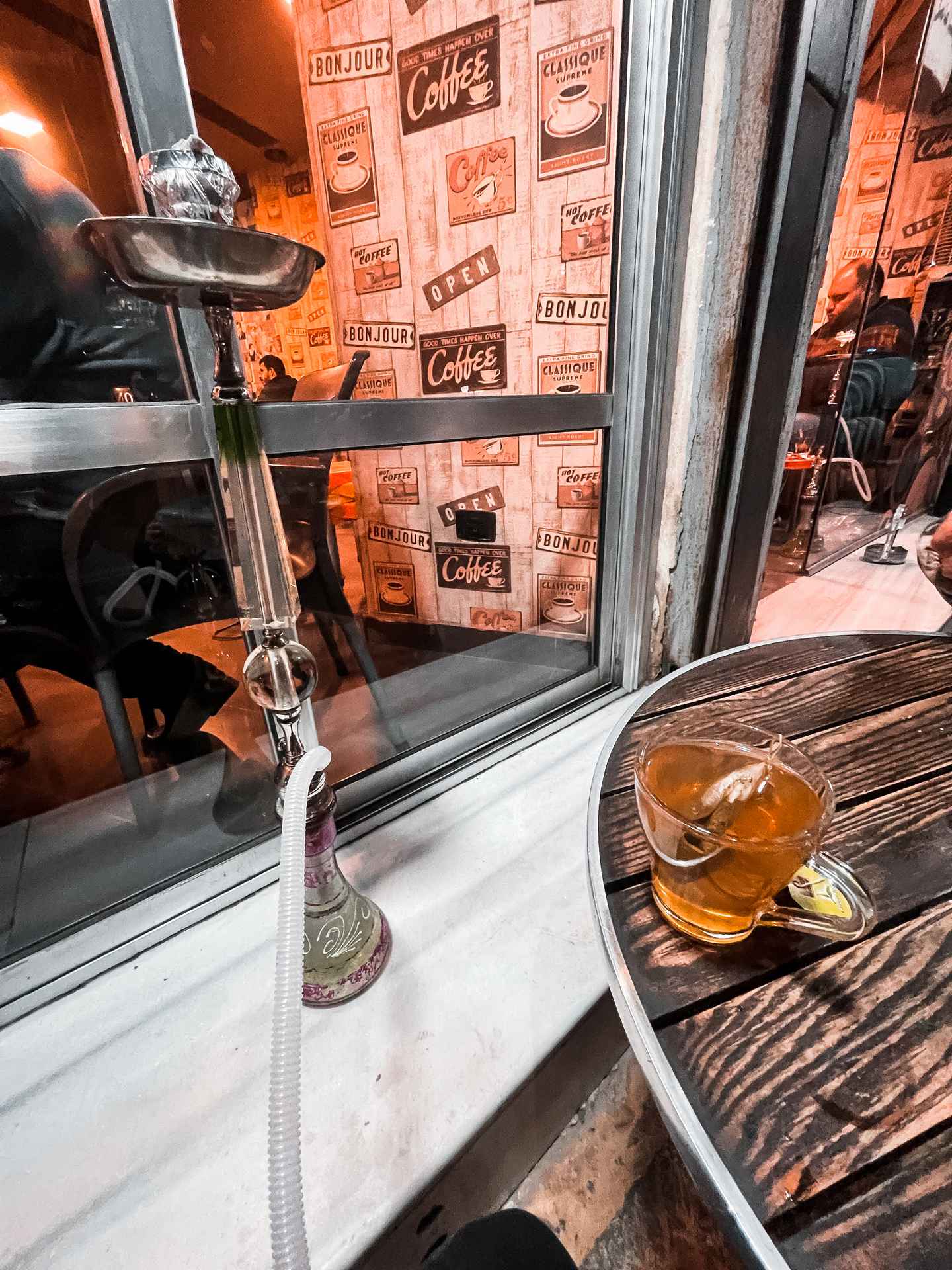
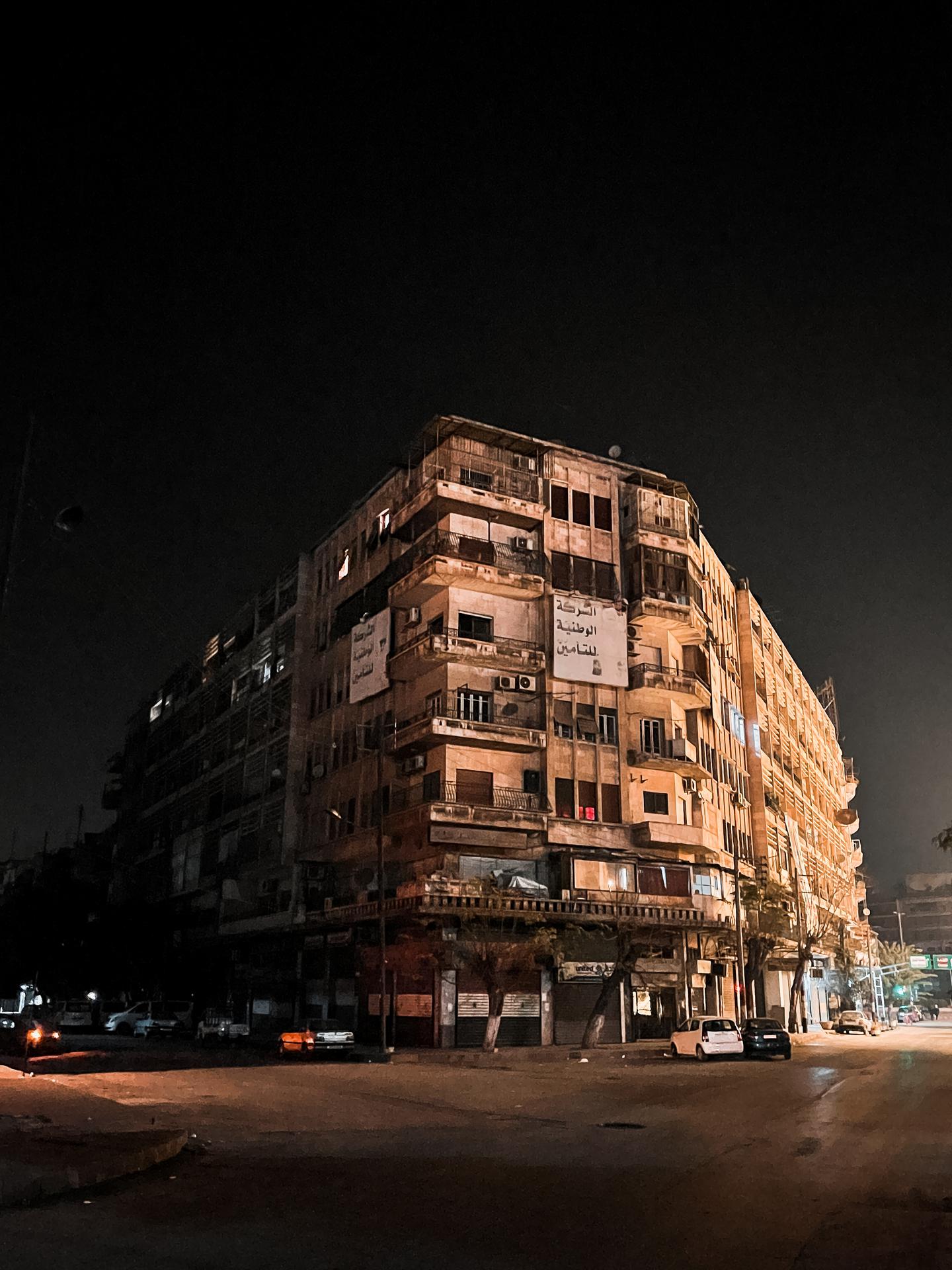
I met up with Jed and Age at Aleppo Square, one of the city’s busiest social hubs, before heading out for tea and shisha. With no bars or nightlife in Aleppo, cafés stay open late and act as the main place for locals to relax and socialise.
We grabbed seats outside — because people-watching in Aleppo is half the fun — and ended up talking for hours. Jed and Age were incredibly open, answering every upfront question I had about life in Aleppo, the war, and what it was like growing up during years of conflict. Hearing their perspective, especially from a younger generation, offered insights far beyond what any guide could provide.
As always in Syria, you only get part of the story from one person, but every conversation adds a new layer. Their honesty surprised me, and their experiences gave me a deeper understanding of everyday life in Aleppo.
MANBIJ
I was shocked to hear Jed had to leave Aleppo and flee north to Manbij, a town near the border of Turkey. This city changed hands more times than most. It was first captured by rebels before being taken by ISIS and then eventually by the SDF. After this, the US military occupied it before Russia and Syria regained control.
WHIPPED
Jed was here for 2 years and saw it all. He mentioned that anytime there was a disagreement or someone broke the law, against which ISIS believes, then everyone in the area would be asked to watch the punishment. He himself was lucky to stay alive.
In some strict Muslim faiths (ISIS), they are not allowed to talk to women outside of their family. However, Jed, after talking to his mum, walked off and was approached by several men representing ISIS who demanded to know why he was talking to a woman.
He pleaded that it was his mum, but as she was wearing a full burka, he no longer knew which one she was. He was then pushed into a car and taken for a session of whips; he was lucky it wasn’t worse.
KINDNESS
I’m a bit ashamed to admit it, but this pair didn’t allow me to pay for a thing! And every time, they managed to arrange the bill without me knowing. Here in Aleppo, it’s not about having enough to give; it’s about giving what you have. Much different from my guide and driver 😆.
GENERATORS
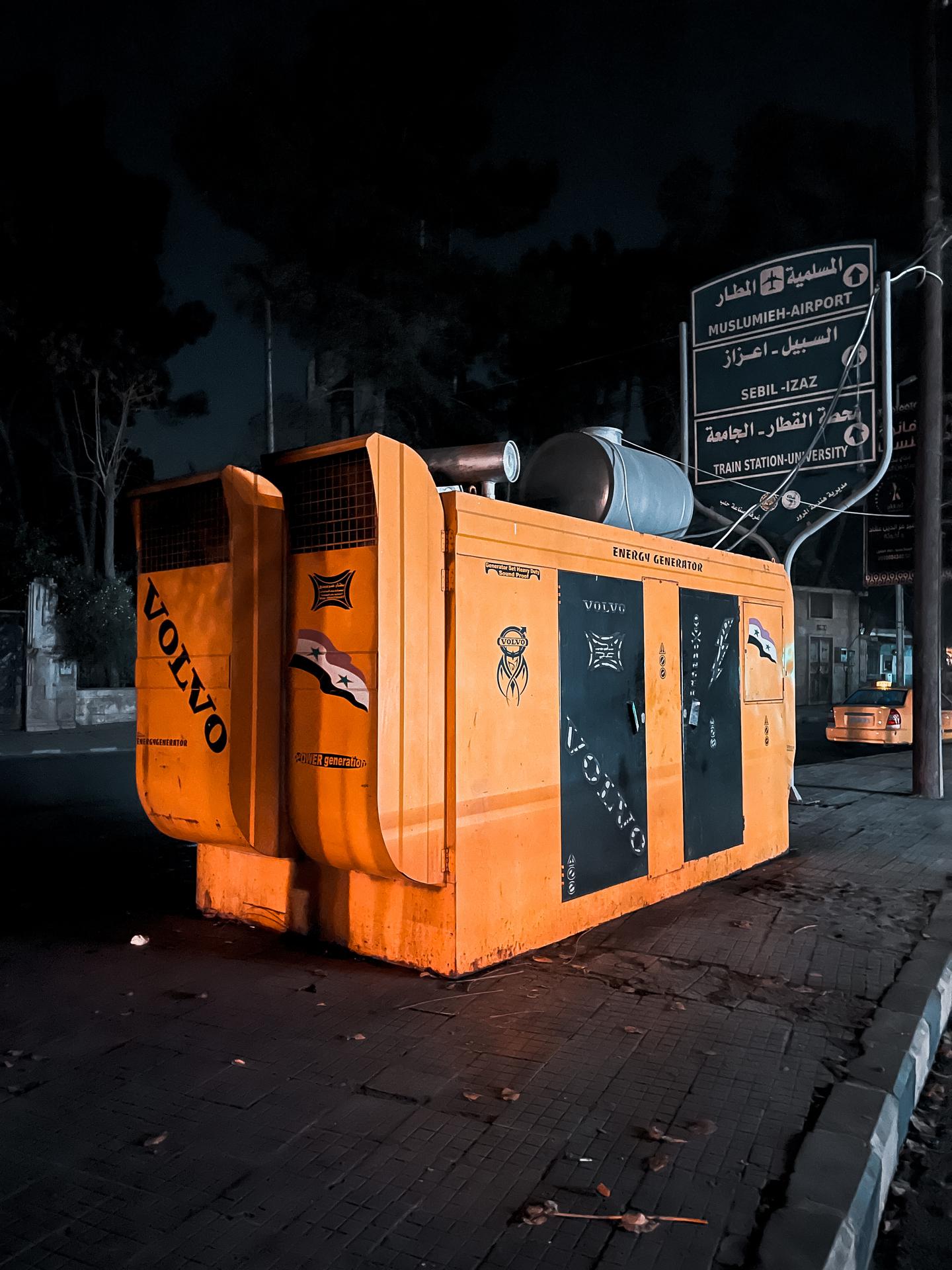
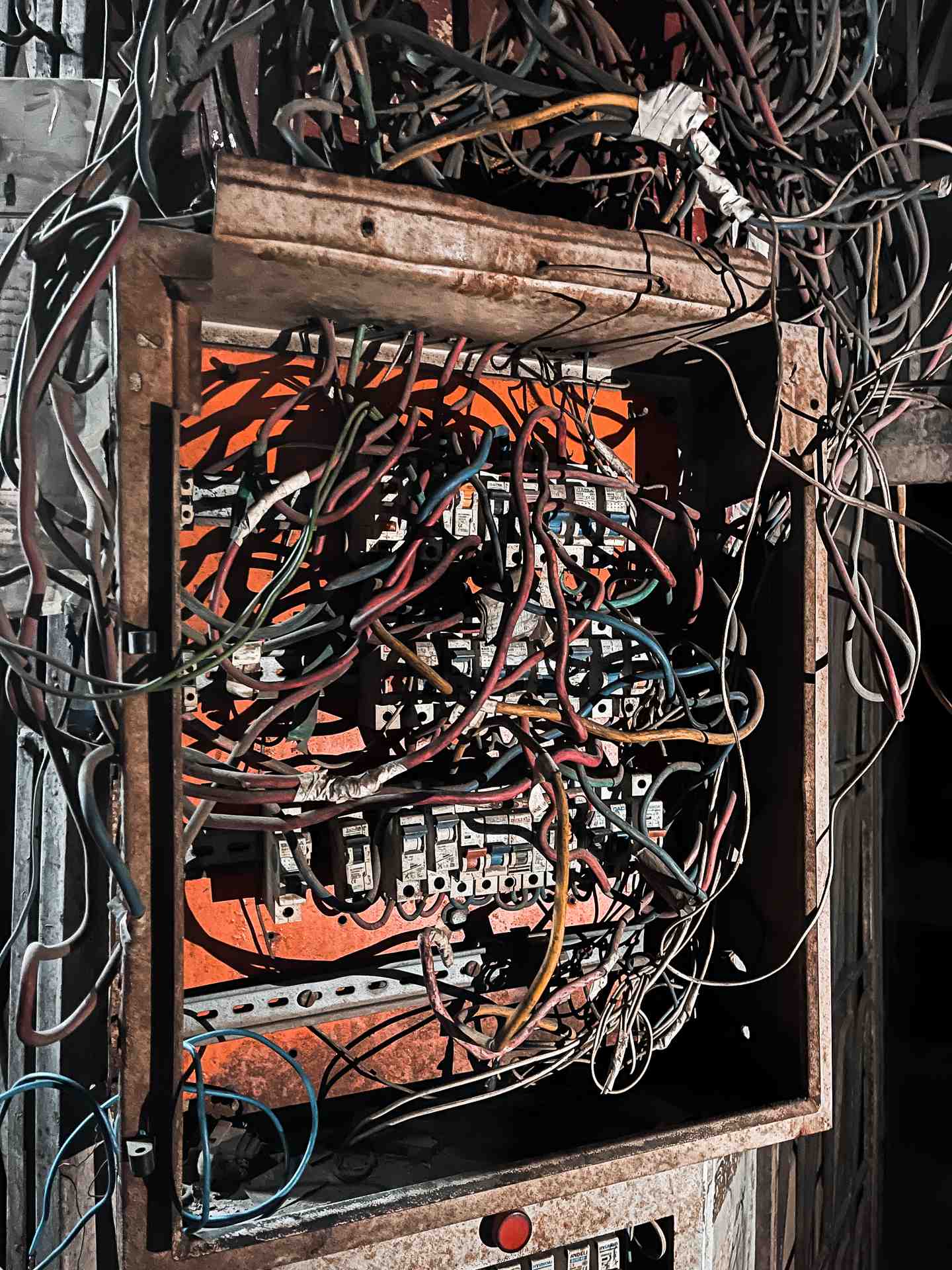
The guys were telling me that there is a huge infrastructure problem here with electricity, with only a few hours of power available per day. This is due to the damage to the main power station and sanctions, which make it difficult to repair. To maintain power, every street has several generators (the noise is insane) running all day on diesel…not cheap either!
SUMMED UP….
- HIGHLIGHT – Three hours chilling and talking with new friends
- LOWLIGHT – Hearing what people have went through!
- MVP – Jed & Age, the locals who bought me dinner, tea and sisha!
- SPECIAL MENTION – Rama. The young girl who had nothing and wished to give me her gift.
For something totally different but just as memorable, you can read The Greatest Hike on Earth, a trip that tested me in all the best ways. |
FURTHER KINDNESS
After admitting I was hungry and raving about how good the falafel in Aleppo had been the day before, Jed and Age took me to Ammo Hamid (Uncle Hamid). This restaurant is special and a bit of an institution here in Aleppo. They have a sign that reads; If you have no money, then you eat for free! I know the food doesn’t cost much, but no one has much here, and to help and support each other as they do makes me wonder if I do enough myself sometimes.
RAMA
We were then approached by a young, pleasant girl selling candy floss. Usually, I ignore these requests, as they happen everywhere you go; yet, she was incredibly pleasant, even though she couldn’t speak English, apart from the word ‘one’. Jed and Age said this was her way of asking me to count from 1 to 10 so she could learn.

12 GOING ON 32
She was way beyond her years, and after seeing Jed and Age get money out to hand to her, I asked if I could instead. “A lot of kids are left living on the street without parents or a family, so we try to help each other.”
I gave her money, but she wouldn’t leave. She clearly didn’t want more as she was just keen to talk, and sometimes that was hard without coming out in a huge grin! Anyway, eventually we moved on to eat Aleppo’s falafel, which again Age paid for (they weren’t even eating!).

A GIFT
Later in the evening, a young girl named Rama came over and tried to give me her candy floss. When I asked, “How much?”, she shook her head and insisted it was a gift — a moment Jed and Age kindly translated for me.
It was then I learned the second English word she knew. After I tried to give it back with a firm “no!”, she burst into giggles, completely unfazed. She eventually wandered off, leaving the candy floss sitting beside Jed, determined that I should have it.
Moments like this reveal the true character and generosity of people in Aleppo. You expect children to share, but in a place that has survived so much hardship, seeing someone so young offer what little she had genuinely amazed me. Of course, we made sure she got her candy floss back — along with a small paper gift in return.
FINAL THOUGHTS
What a day in Aleppo! It surpassed my wildest expectations, and unless I win the lottery while I’m here, it will be the best experience of the trip.
SAFE TRAVELS, DS x
152/229
FAQs
Who named Aleppo?
Aleppo’s name comes from its ancient Arabic name Halab, with origins likely in early Semitic languages. Over time, Greeks called it Beroea, and the English name “Aleppo” emerged later through medieval trade and European transliteration.
What is Aleppo famous for?
Aleppo is famous for being one of the world’s oldest lived-in cities, its dramatic citadel, bustling souqs, and deep, layered history. It’s known for warm local hospitality, incredible food like falafel and kibbeh, and resilient communities rebuilding after years of conflict.
What is the cuisine of Aleppo?
Aleppine food is big on flavour, like bold spices, olive oil, nuts, and slow-cooked dishes. The city is celebrated for its signature kebabs, endless kinds of kibbeh, hearty stews, and those unforgettable pistachio desserts.
What is the significance of the city of Aleppo?
Aleppo matters because it’s one of humanity’s oldest cities, a former powerhouse on the Silk Road, and Syria’s biggest pre-war hub. Its ancient architecture and cultural mix tell the story of countless civilisations passing through.
What language is spoken in Aleppo?
People in Aleppo mainly speak Arabic, specifically the Aleppine dialect. But you’ll also hear Kurdish, Armenian, and Syriac in different neighbourhoods, thanks to the city’s long, diverse cultural history.
What is Aleppo’s most famous dish?
If Aleppo is known for one thing on the table, it’s kibbeh. The city has created more than a dozen unique versions, each packed with spices, nuts, and flavours that make Aleppine cuisine stand out.
NEXT UP: GOODBYE ALEPPO, HELLO HAMA!
After wrapping up my adventure in Aleppo, the road led straight to exploring Hama for a day, with a fresh set of stories.
This post was part of The Syrian Series. For episode 1 click here or to see the entire series click here.
To see a different side of my trip head to my social channels; YouTube, Instagram & TikTok. Links at top of the page.

Question Time
- Do you enjoy meeting locals while travelling?
- Are you ok with putting your safety and trust in people you don’t know?
- How do you decide when people are trustworthy?
Let me know in the comments below . . .