THE SYRIAN SERIES, DAY 4
LATAKIA – ALEPPO
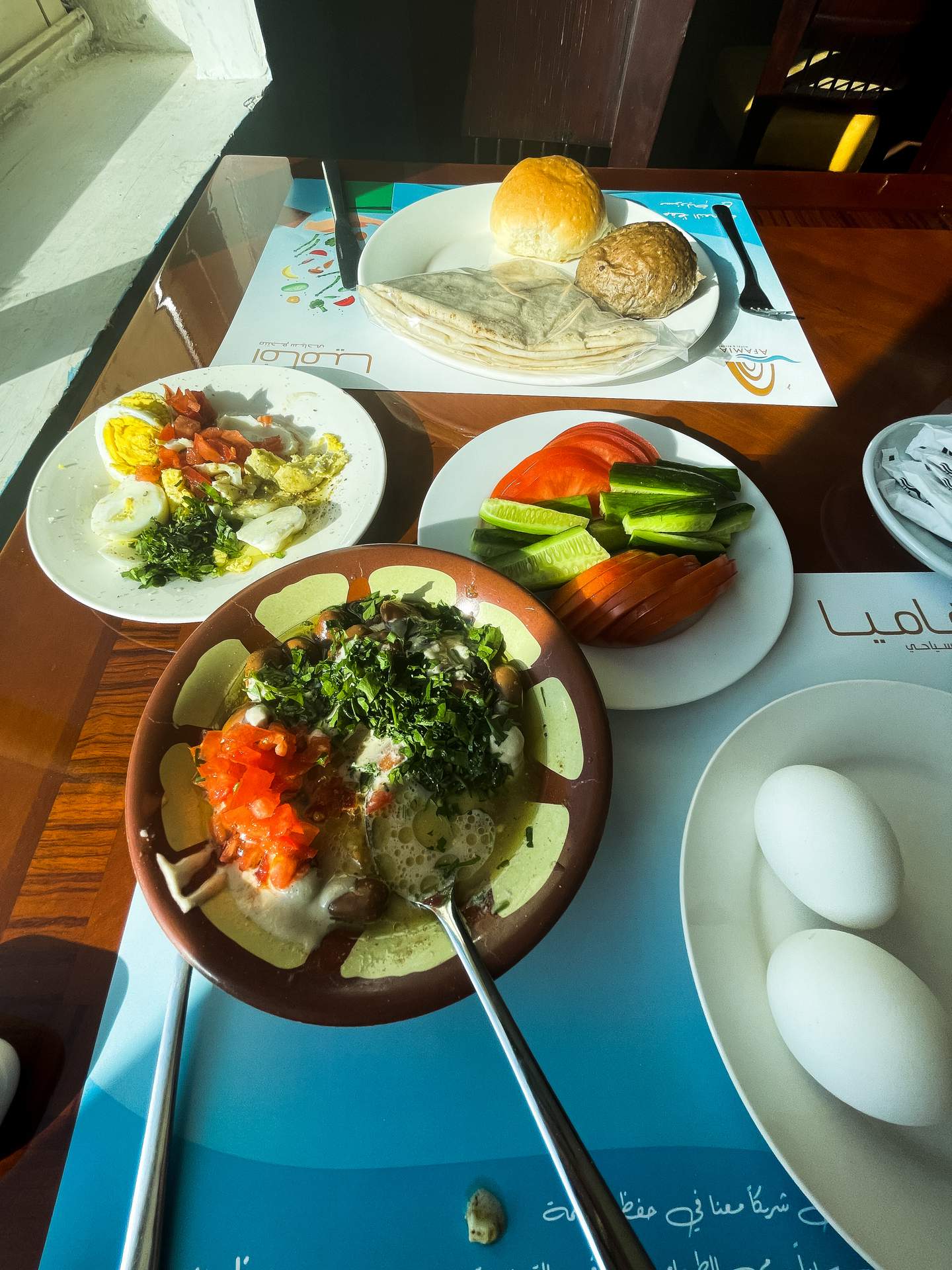
Getting lost through the devastation to Aleppo. After a hearty breakfast (every hotel serves the same bread, dips and choice of veg) in my very posh hotel we set off for Ugarit, a city founded some 4,000 – 8,000 years ago…🤯
IT WAS LIKE DRIVING THROUGH THE SCENE OF SAVING PRIVATE RYAN
I don’t know about anyone else but 8 days is a looong time for me, let alone 8,000 years. I am really struggling to put these dates into context!
WHERE IS LATAKIA?
Latakia
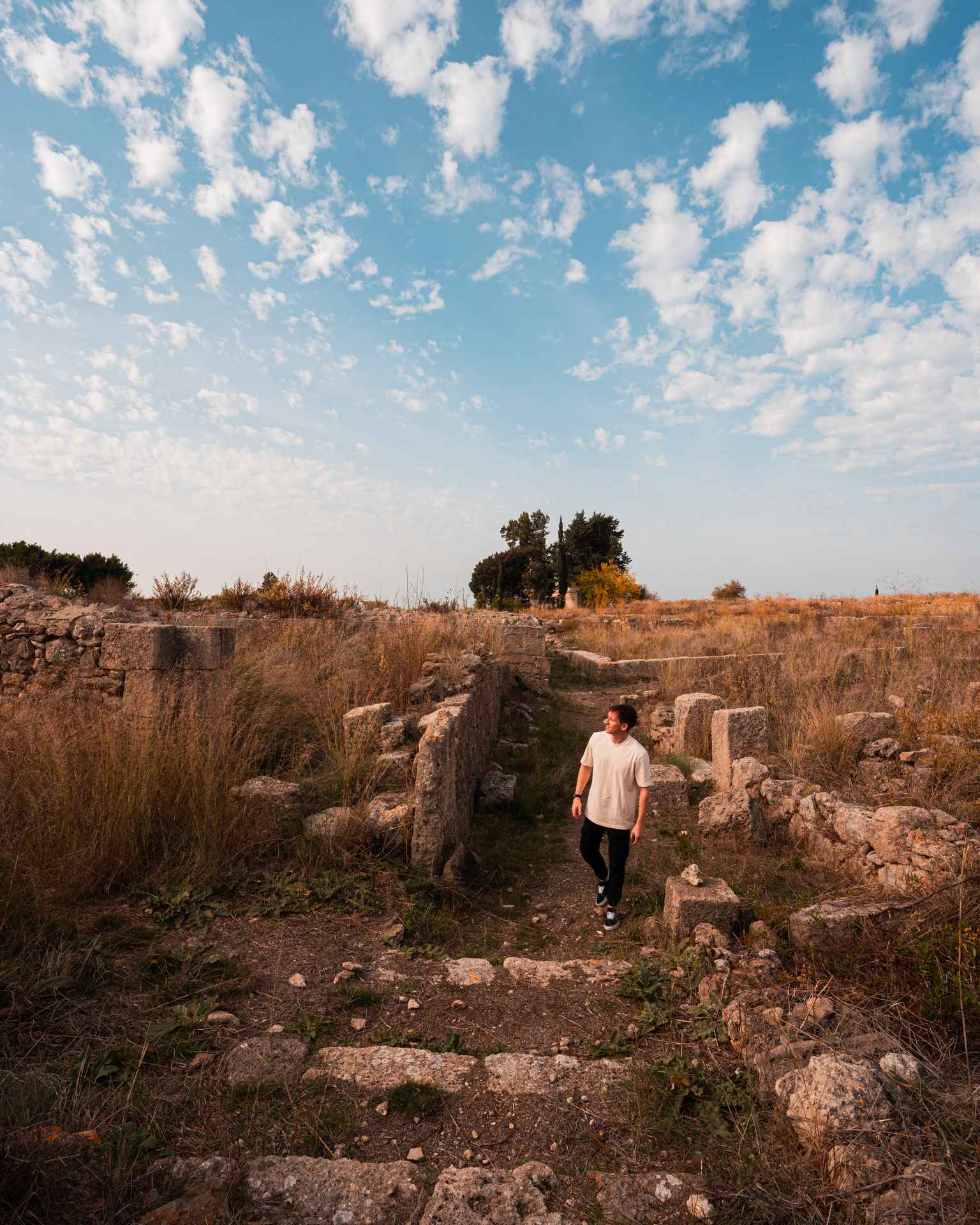
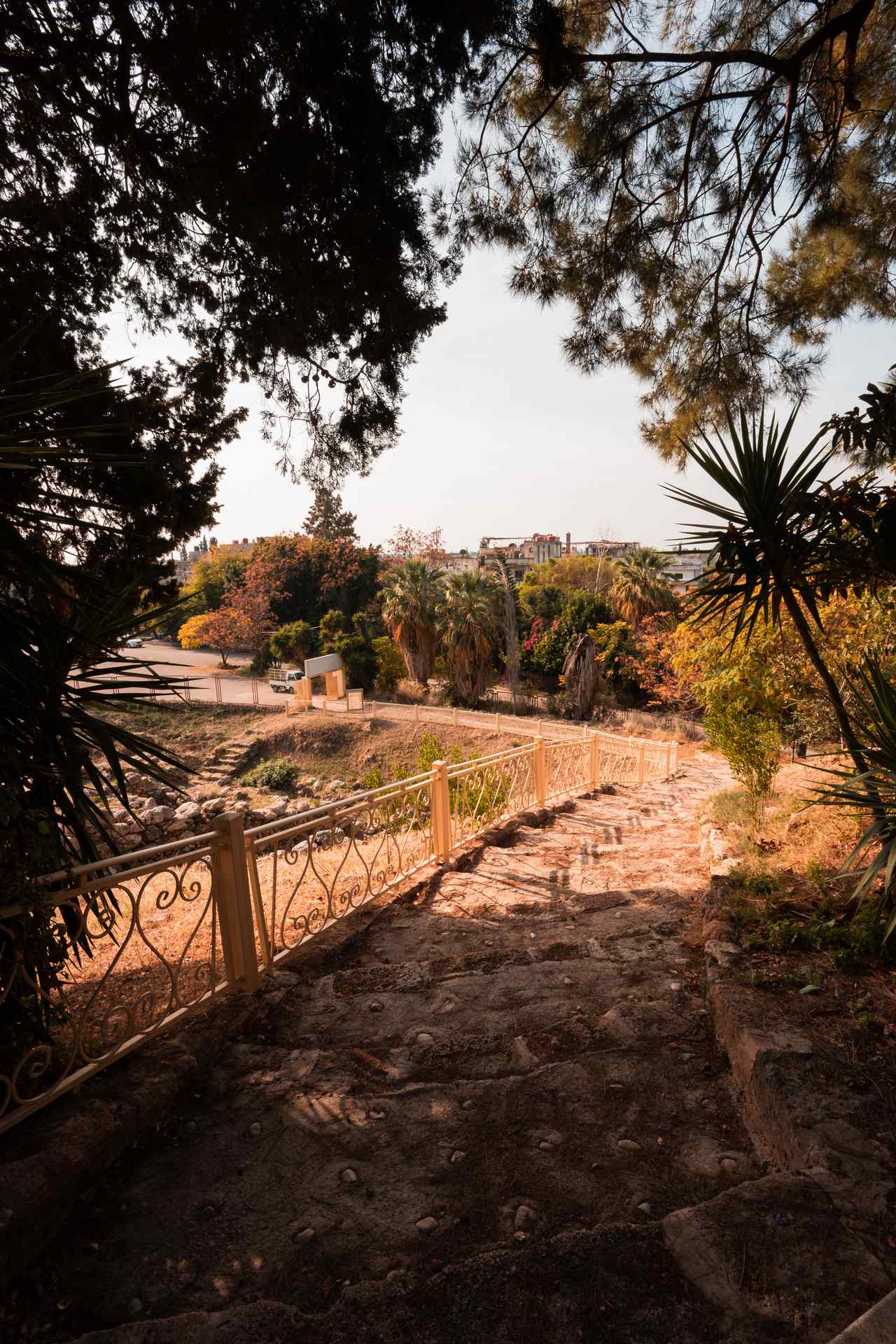
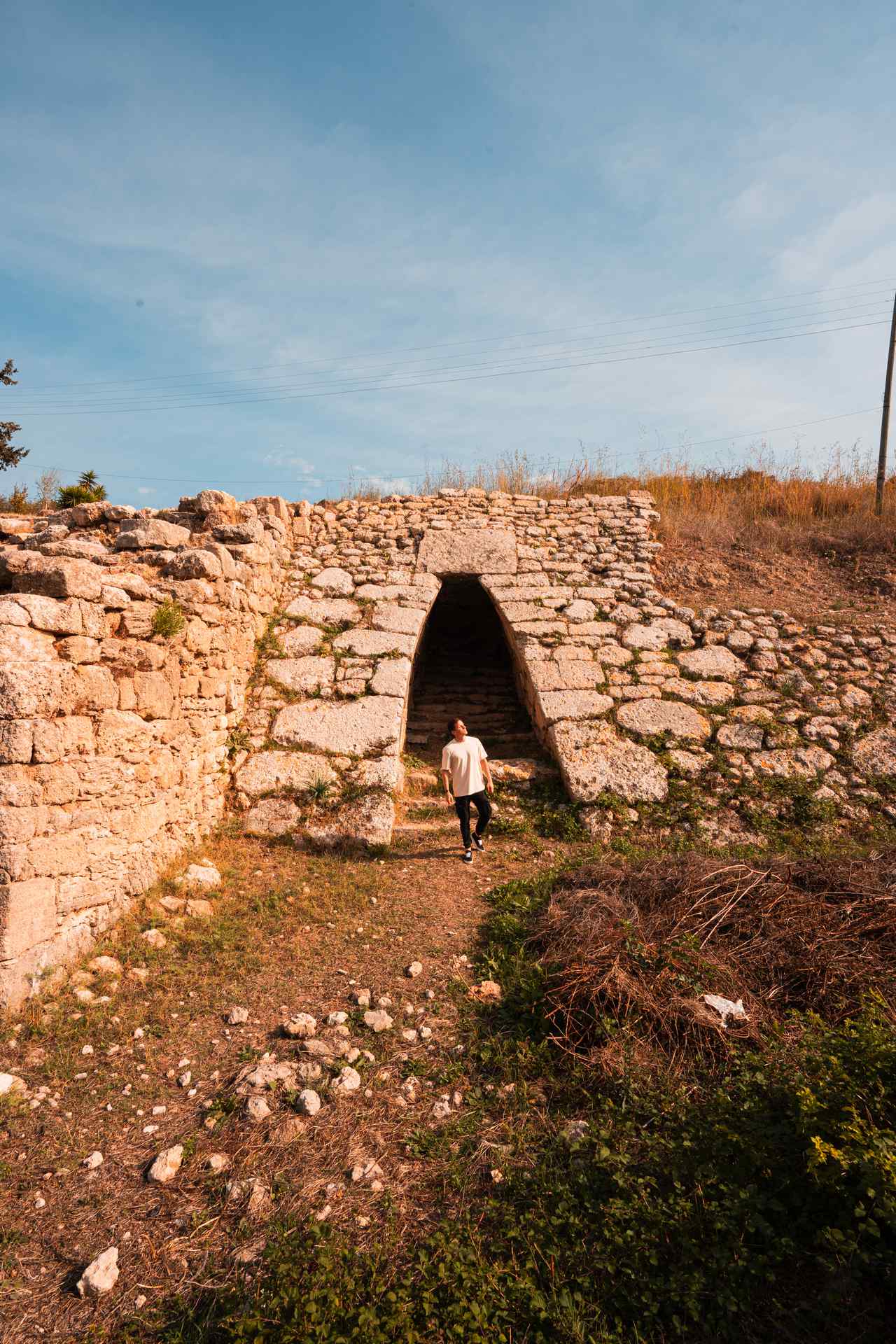
UGARIT
It is believed the city was founded in 1928 by a farmer whose plough fell through the ground and into the Royal Palace. What a find!! After many 1000s of years the city has been entirely covered over in dust and dirt, which makes me think, what else is out there yet to be discovered in the world?
DAILY INFO….
- HOTEL – Aleppo Palace Hotel 7/10
- RESTAURANT – Al Nuzha
- FOOD – Spicy bread and Falafel 8/10
- ATTRACTIONS –
Ugarit
Citidel of Salah Ed-Din
The drive to Aleppo
THE BIRTH OF THE IPAD
Although the 100,000m2 site isn’t entirely uncovered, 20,000 clay tablets have been found with scriptures (Ugaritic texts) written on each one. Just think about that for a while…20,000 tablets, it’s insane. The town was at its most vibrant around 1450BC until it was destroyed by what people believed to be the sea peoples or possibly an internal struggle. How people have worked this out over 3000 years later is beyond me!
Getting lost through the devastation to Aleppo
DAILY TRAVEL STATS….
- Steps – 11,200
- Miles covered – 98.6m
CITADEL OF SALAH ED-DIN
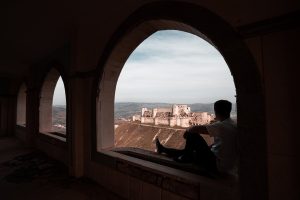
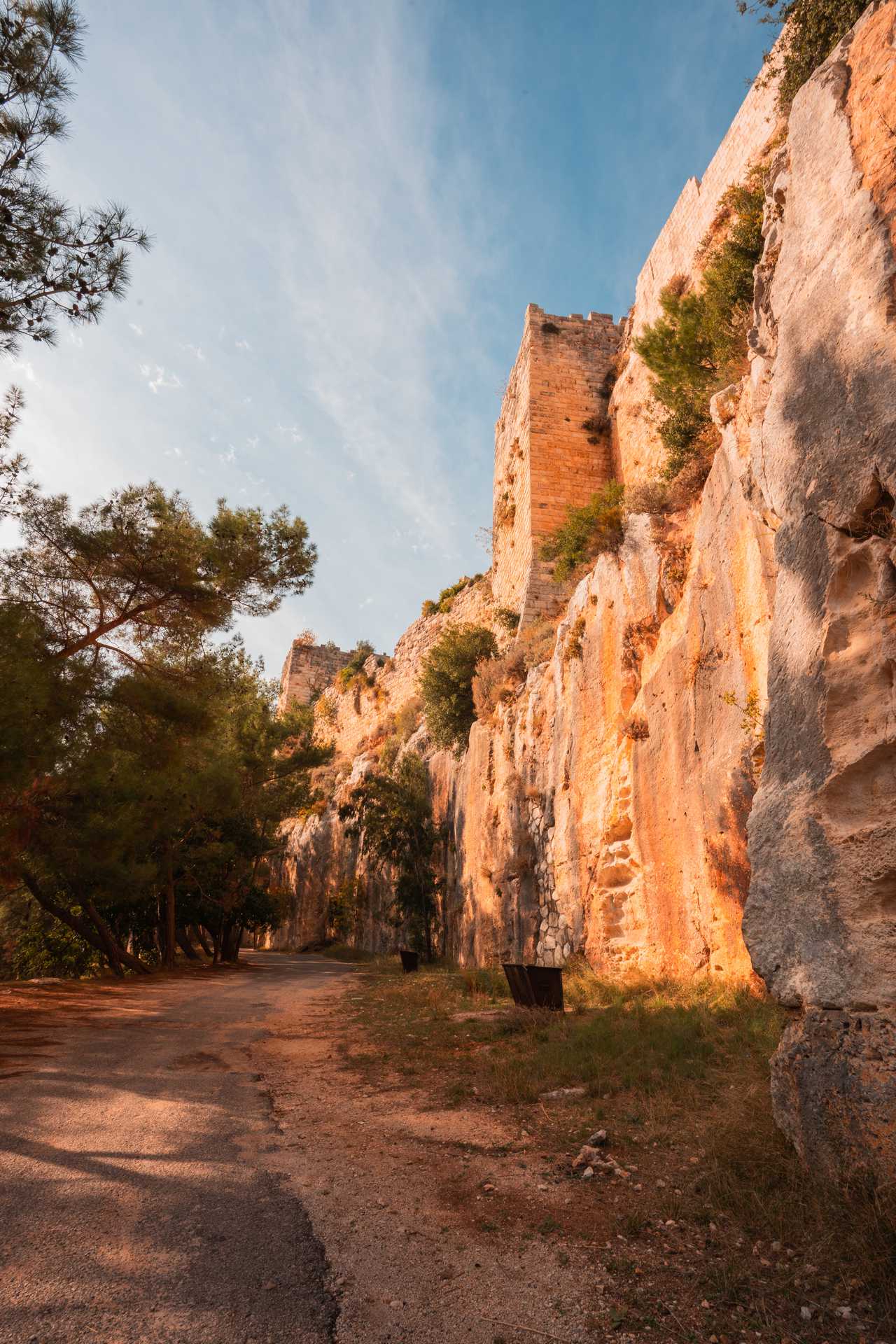
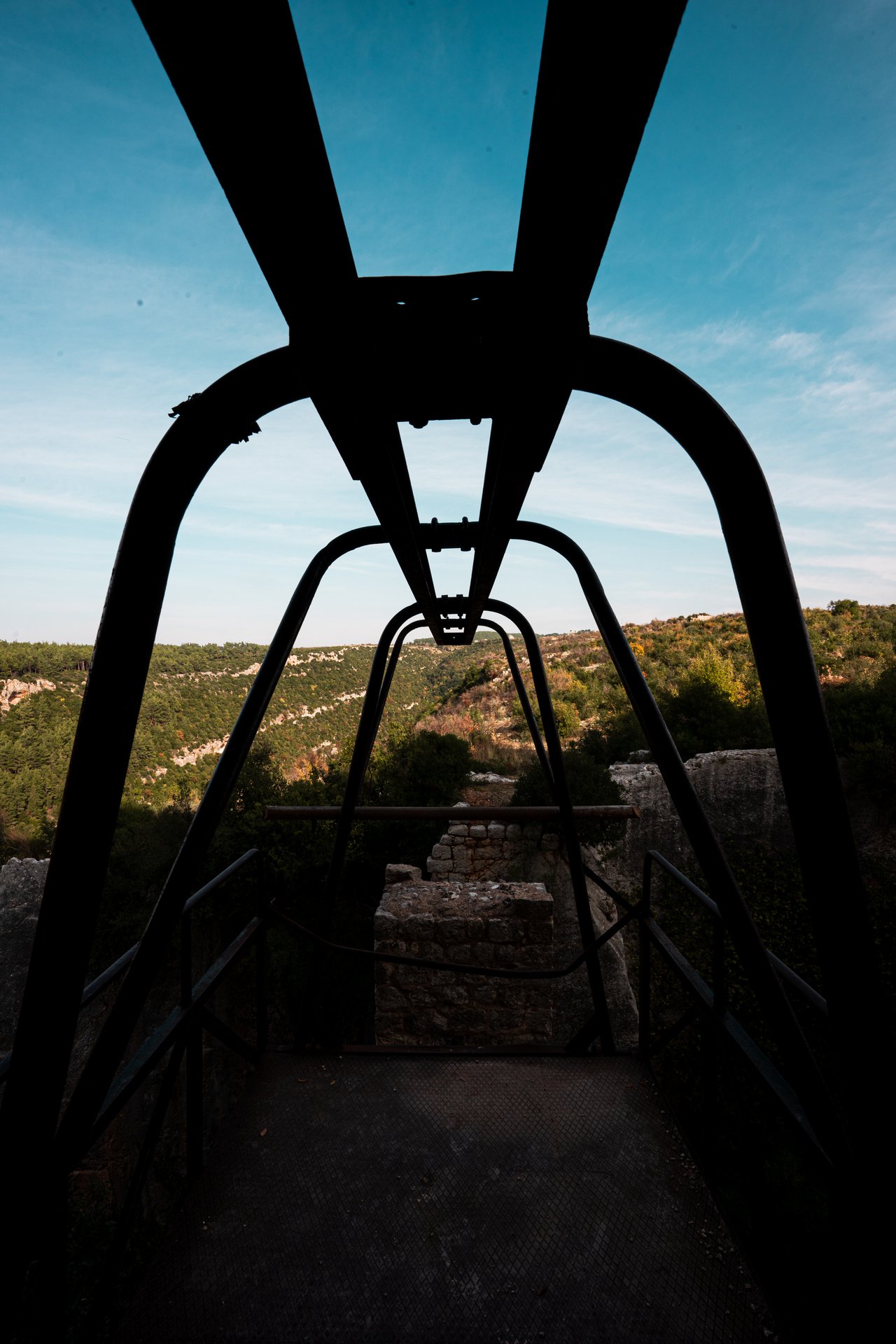
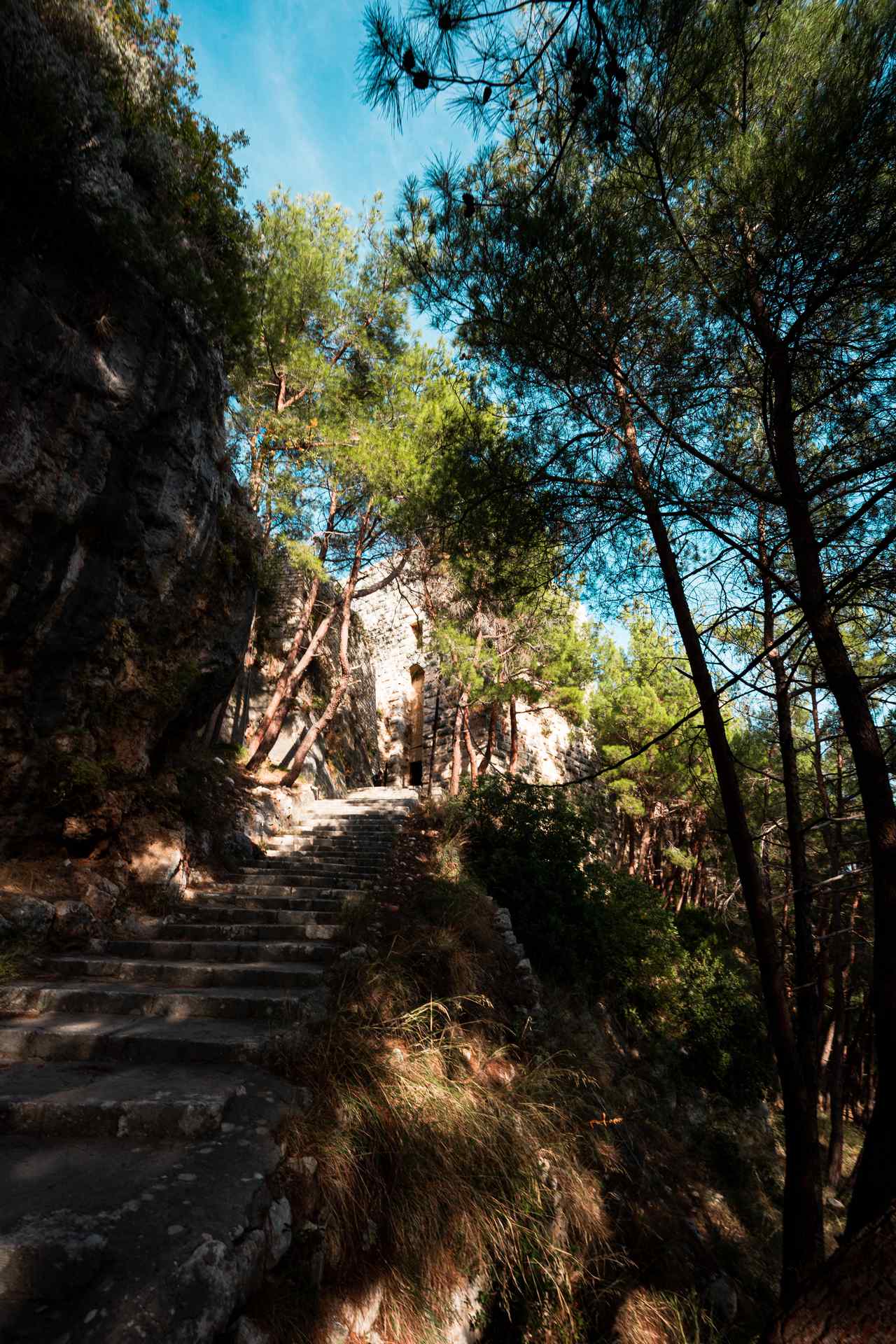
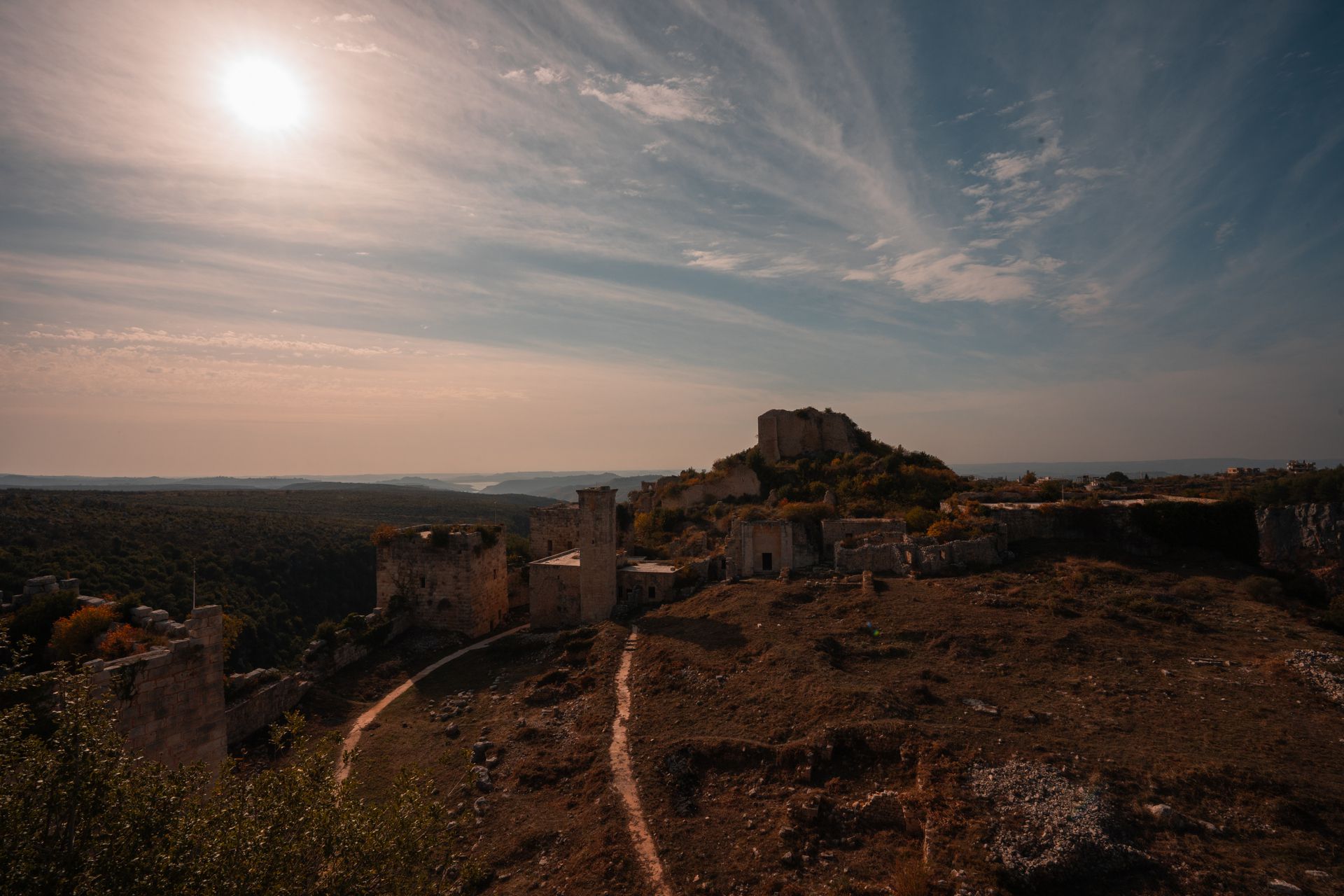
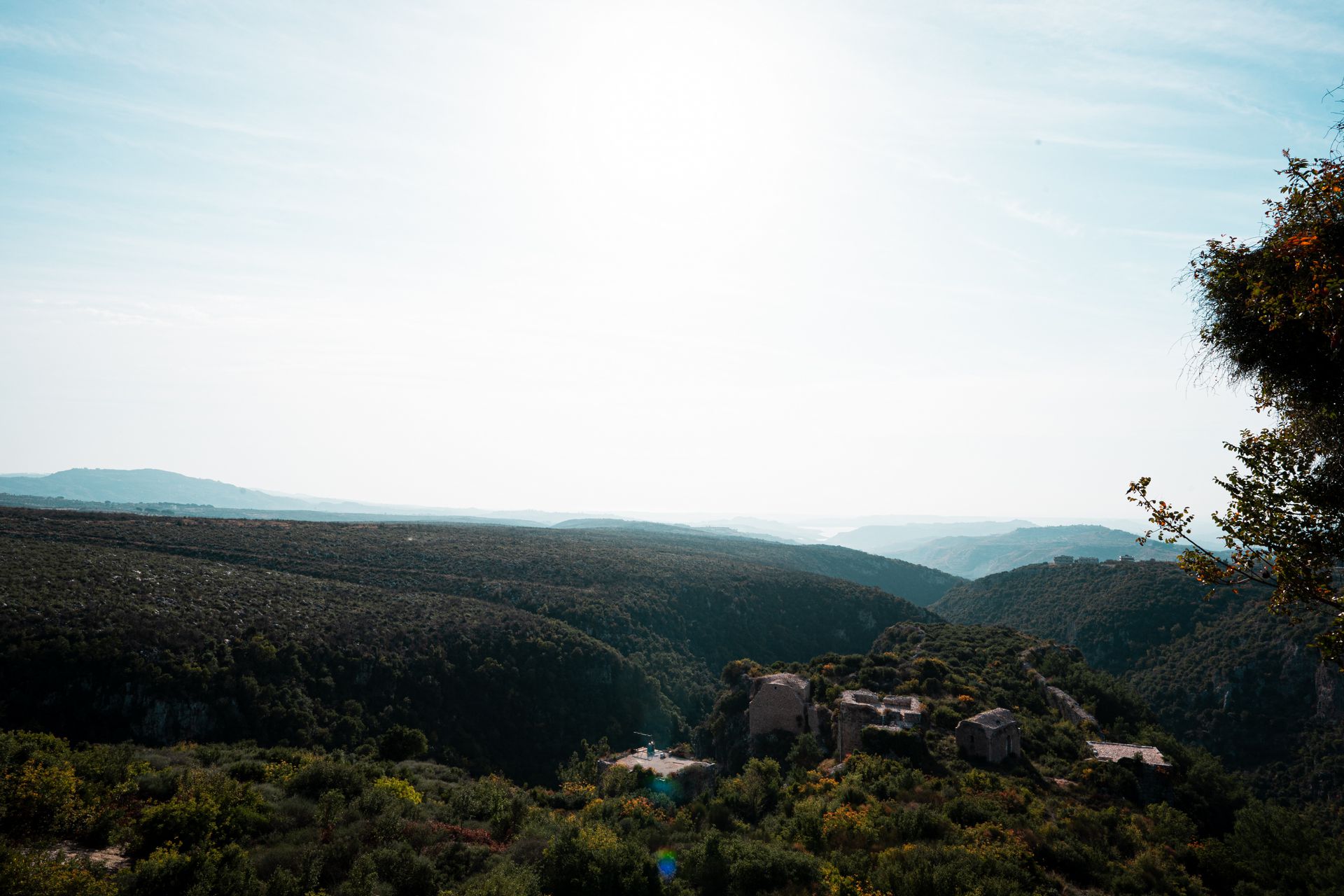
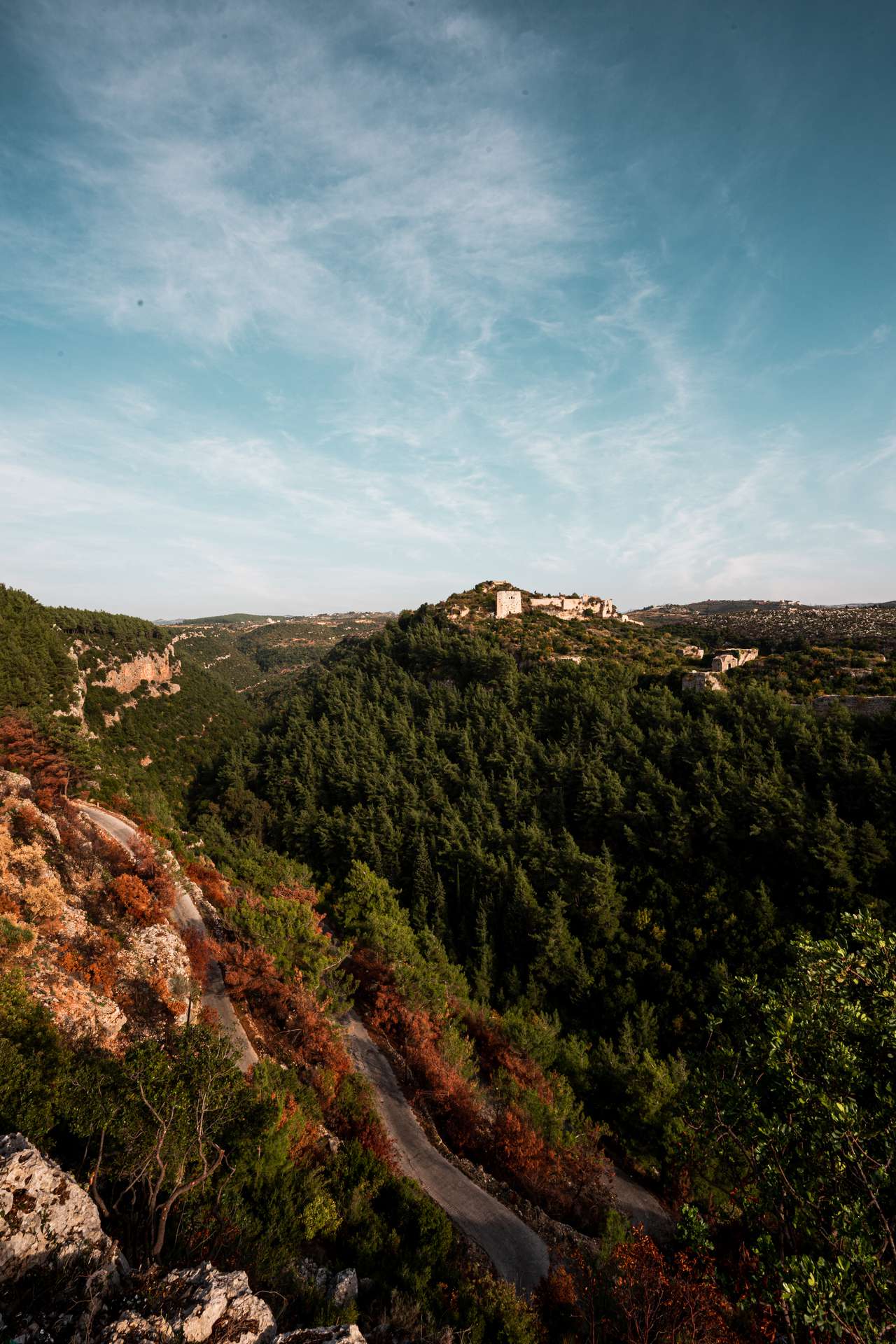
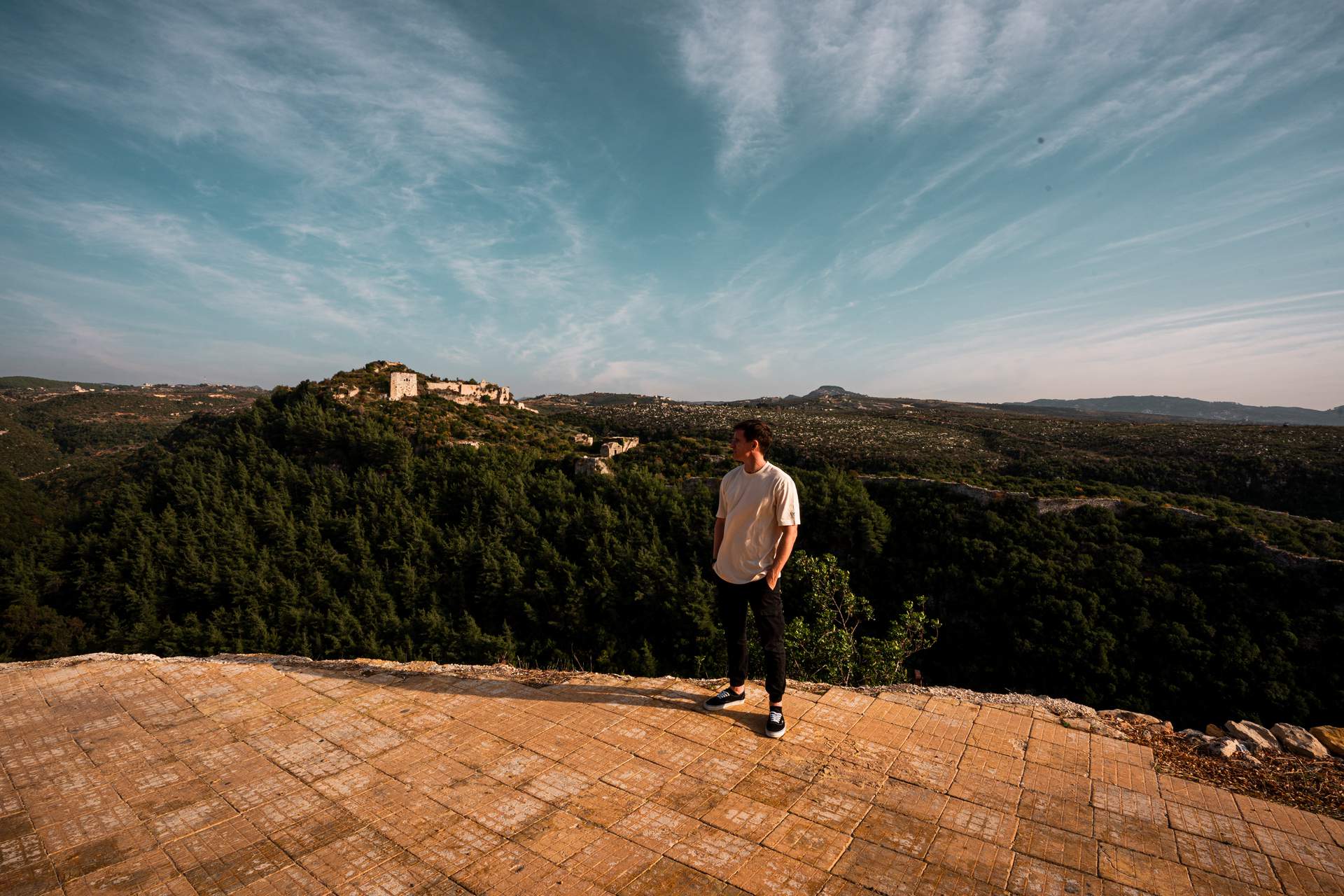
After we had an incredible drive to the Citadel of Salah Ed-Din (Castle of Saladin). Like Krak des Cheviliers, the castle is perched atop of a mountain surrounded by valleys and forests.
WHERE IS CITADEL OF SALAH ED-DIN?
Citadel of Salah Ed-Din
The site’s first known occupants were the Byzantines in the 10th century, during the reign of Emperor John I Tzimiskes. Control later passed to the Franks under the Crusader states, around the same period they captured Latakia, marking a major shift in the region’s power.
Under Crusader rule, the site underwent a large-scale expansion, transforming it into a heavily fortified stronghold. Much of what remains visible today dates from this Crusader period, shaping the structure and layout seen now.
BATTLES
Despite the strength of the Crusader defences, the fortress ultimately fell to the forces of Saladin and his son during a siege that lasted no more than three days. For two days, the attackers bombarded the castle using siege machines, hurling stones weighing up to 300 kilograms.
On the third day, Saladin ordered his son, Az-Zahir Ghazi, to launch the assault. Az-Zahir Ghazi attacked the castle town, exploiting a critical weakness: the massive defensive channel, intended to create a 30-metre drop between the town and the citadel, had not yet been completed. As a result, access remained relatively easy, and the fortress fell shortly after.
Although the citadel itself was heavily fortified, historians believe the lack of sufficient defensive siege machinery contributed to its rapid collapse. The last recorded siege battle at the site occurred in 1287, during clashes involving the Mamluks.
RELATED READ: PROBABLY THE BEST HIKE IN CAPE TOWN
THE CHANNEL
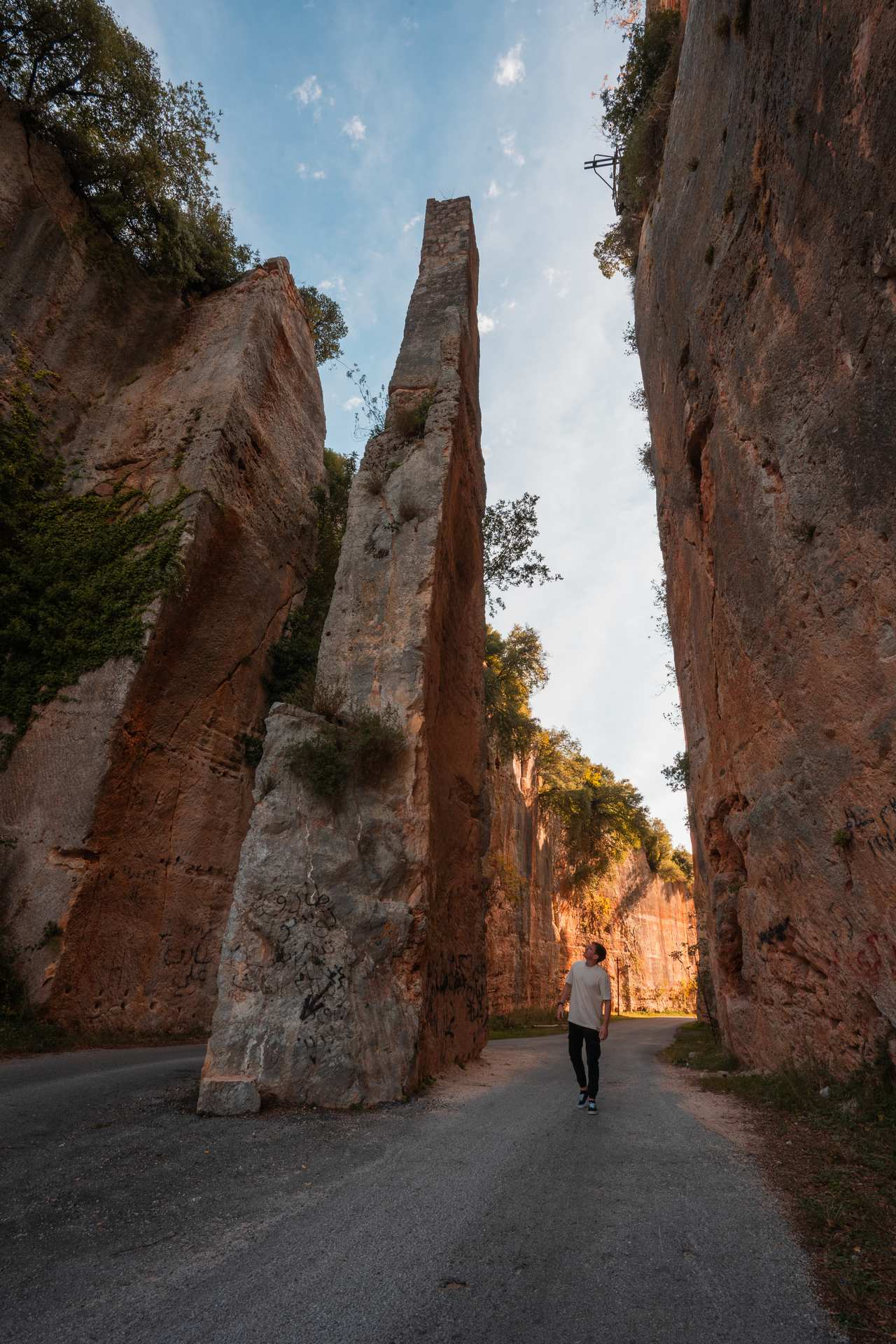
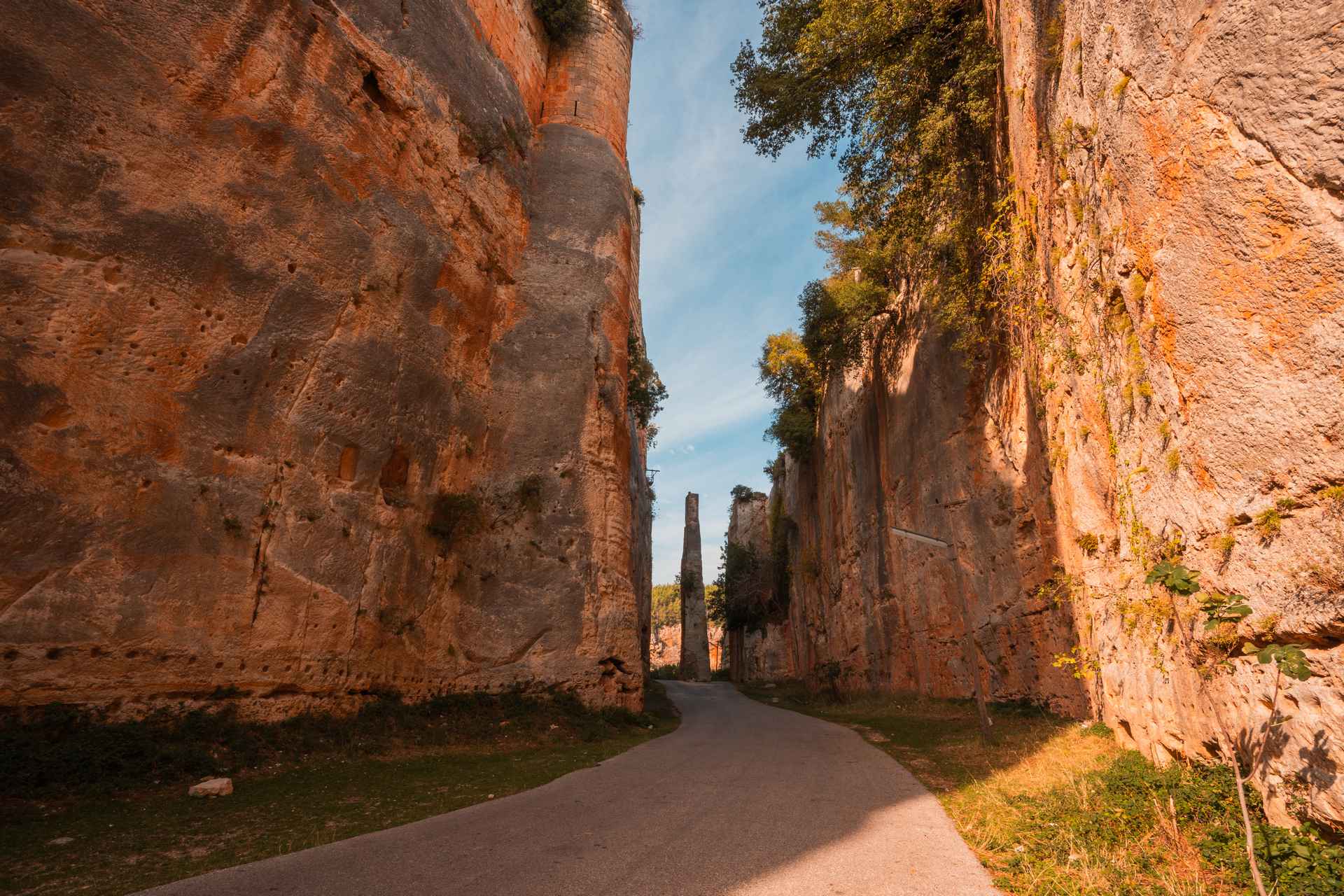
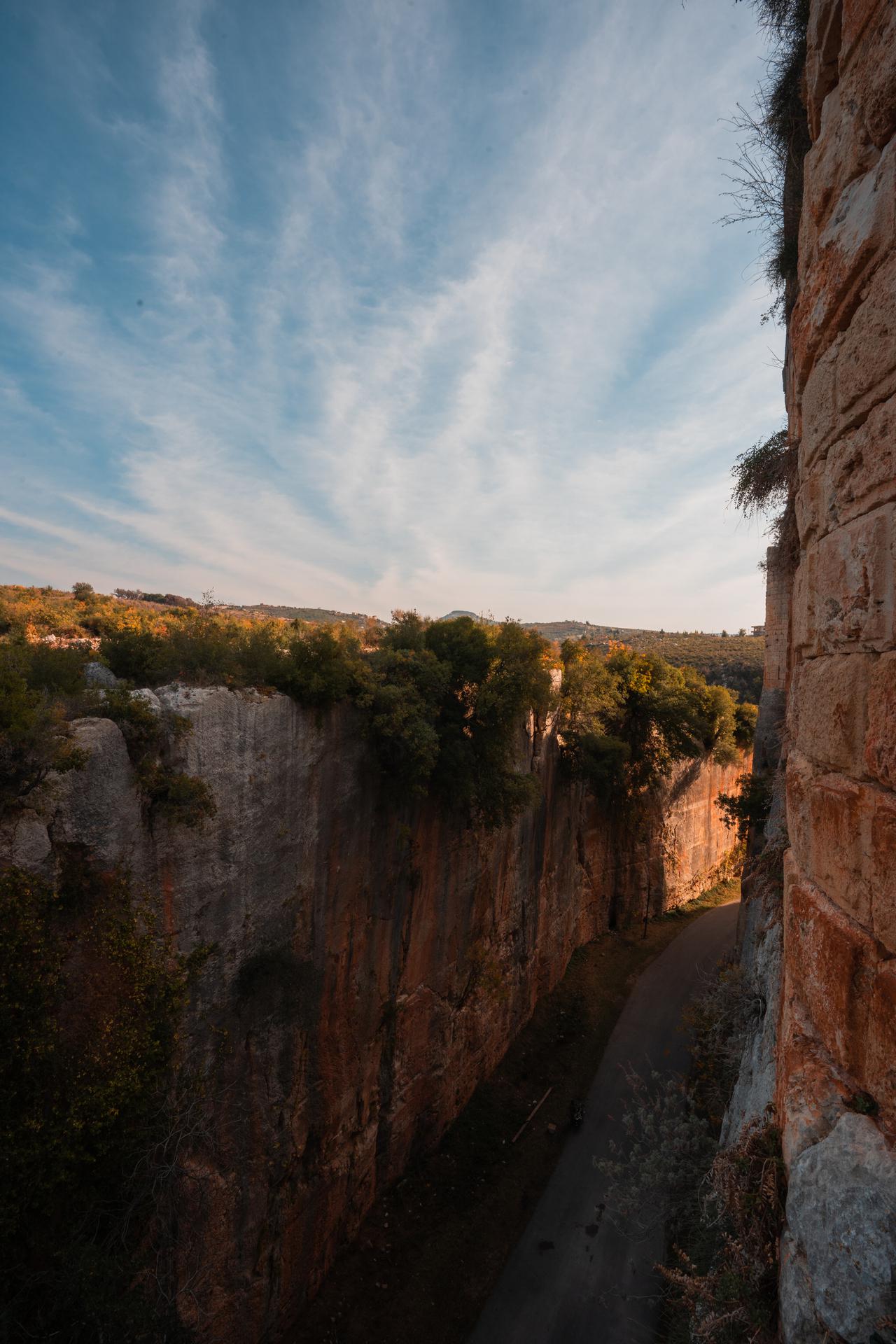
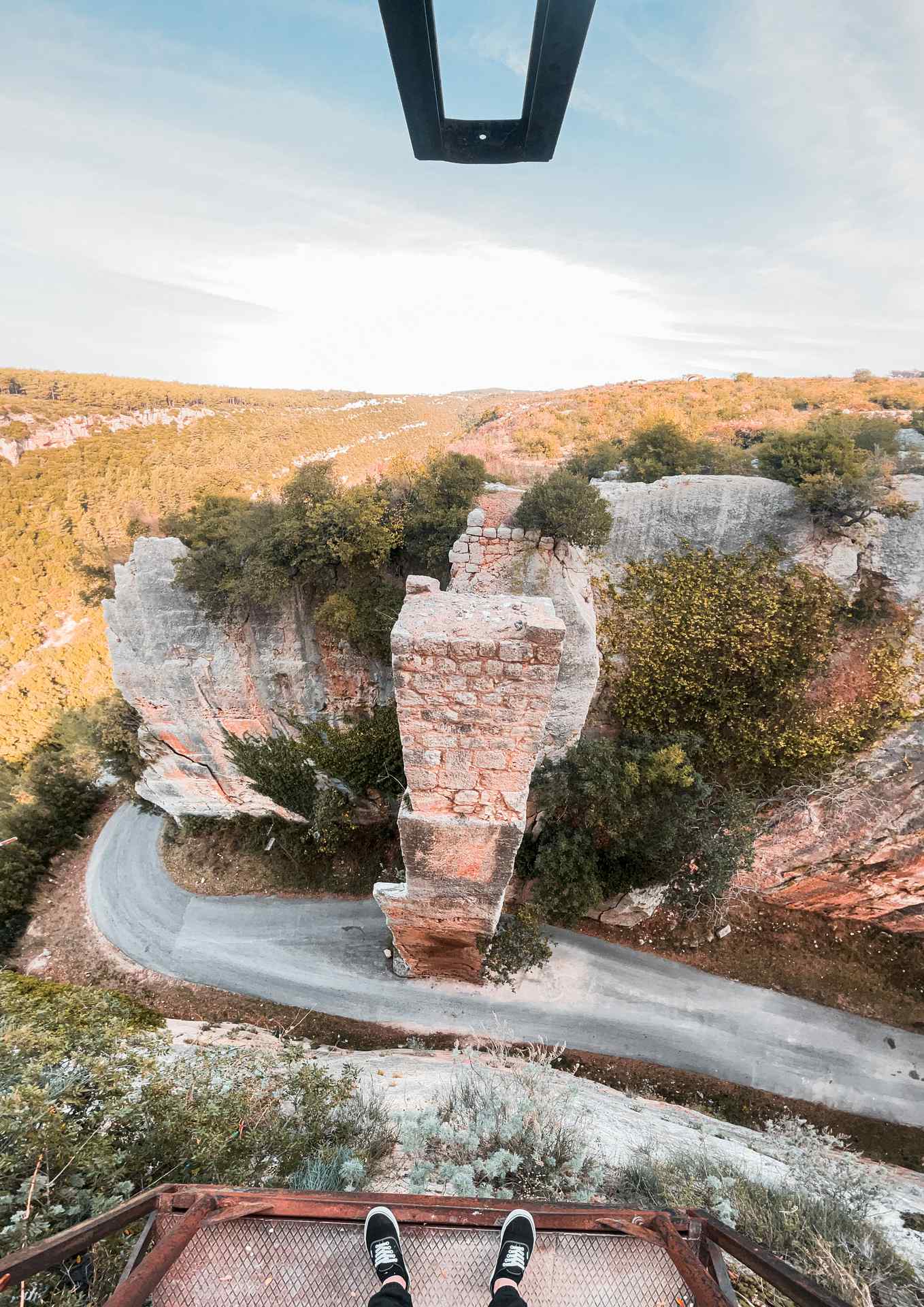
Aside from the breathtaking views, the Aleppo Citadel’s most impressive feature is its engineered entrance. Because access to this mountain ridge was so difficult, a 30-by-100-metre channel was carved directly out of the rock — a project that reportedly took around 50 years to complete.
A central stone column was deliberately left in place to support the bridge above, showcasing the remarkable level of medieval engineering involved. Walking through this narrow approach only offers a glimpse of the sheer scale and ambition of the project.
Getting lost through the devastation to Aleppo
FACTS:
- Almost 5 million children have been born into war.
- Half of the entire Syrian population have been uprooted from their homes.
- There has been a tragic human cost.

Getting lost through the devastation to Aleppo
COMMANDER & CONQUER RED ALERT
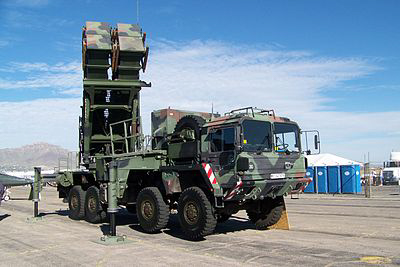
To reach Aleppo, we travelled through the Slounfia Pass, descending from the mountains and into the town below. During the drive at the summit, I saw something I’d only ever encountered on TV and in video games — heavy military weapons reminiscent of scenes from Command & Conquer.
Seeing this level of armed presence in northern Syria was a clear reminder that, despite the passage of time, tensions in the region remain high and the conflict is never far from the surface.
Getting lost through the devastation to Aleppo
IDLIB
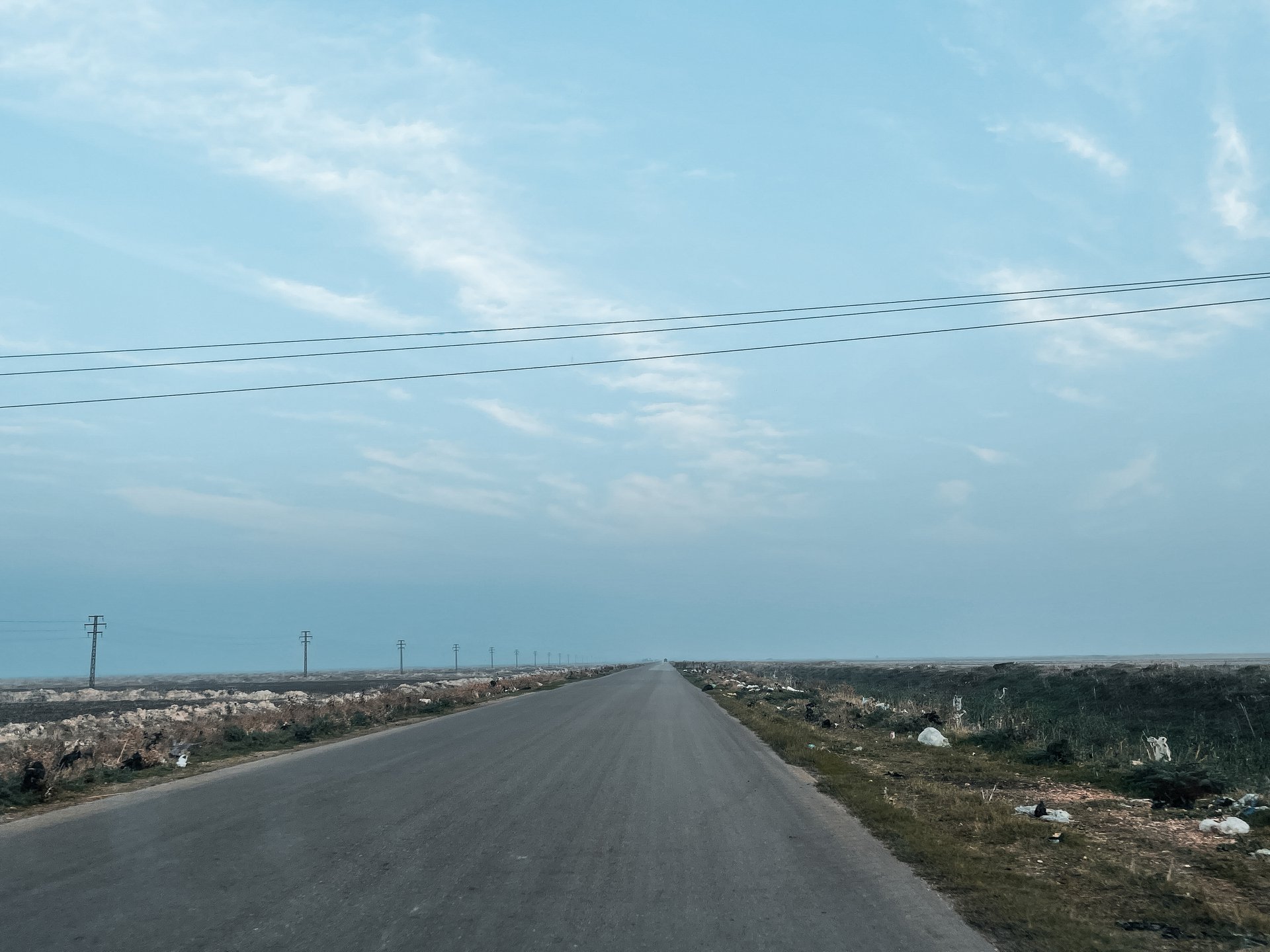
Beyond the mountain pass, the towns sat on the Al-Ghab Plain — often referred to as the Gap Plain — an area that felt like it belonged to an entirely different civilisation. The Al-Ghab Plain forms part of the Great Rift Valley system, a geological fault line that stretches for around 6,000 kilometres, including landmarks such as the Dead Sea.
What daily life looks like in this region is hard to imagine. As the final frontier before Idlib, the last major rebel stronghold in Syria, the heavy security presence here suddenly made sense.
From these sparse, isolated towns, we slowly worked our way toward Idlib, using this route to eventually gain access to Aleppo — a journey that revealed just how fragile and strategic this part of northern Syria remains.
THIS WAR RUINED MUCH MORE THAN LIVES

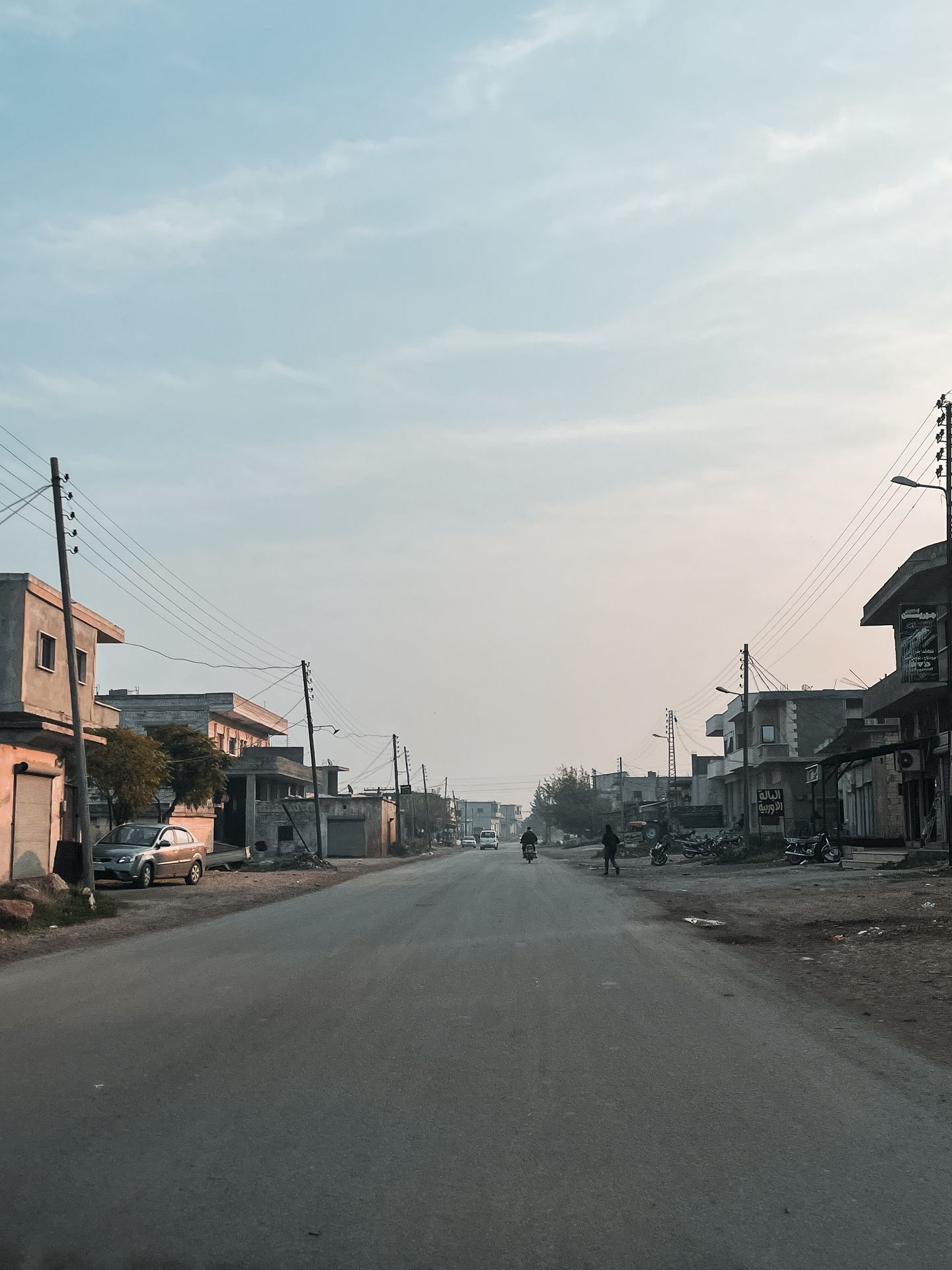
Getting lost through the devastation to Aleppo
DEVASTATION
From this point on, the devastation became undeniable. The first town we entered was almost impossible to comprehend, and at first I assumed that might be the worst of it. But it wasn’t. For over an hour of driving, the destruction never stopped.
Across this region of northern Syria, many people who once lived outside the cities were forced to flee. With their towns destroyed and safety gone, they moved into the inner cities or toward the borders, searching for protection as the war reshaped everyday life.
GETTING LOST
It was obvious from the start that the driver wasn’t entirely sure where we were going. The conversation grew tense, and I was quietly asked not to record. When Google Maps finally came out, it became clear we were heading straight toward a dead end — but he wasn’t keen to listen. And honestly, I don’t blame him. I’m not even from this continent 🤣
Sure enough, my nod of “I told you so” came right on cue when we reached the end of the road: a 300-foot cliff, dropping away into absolute nothingness. You couldn’t have been more lost if you tried.
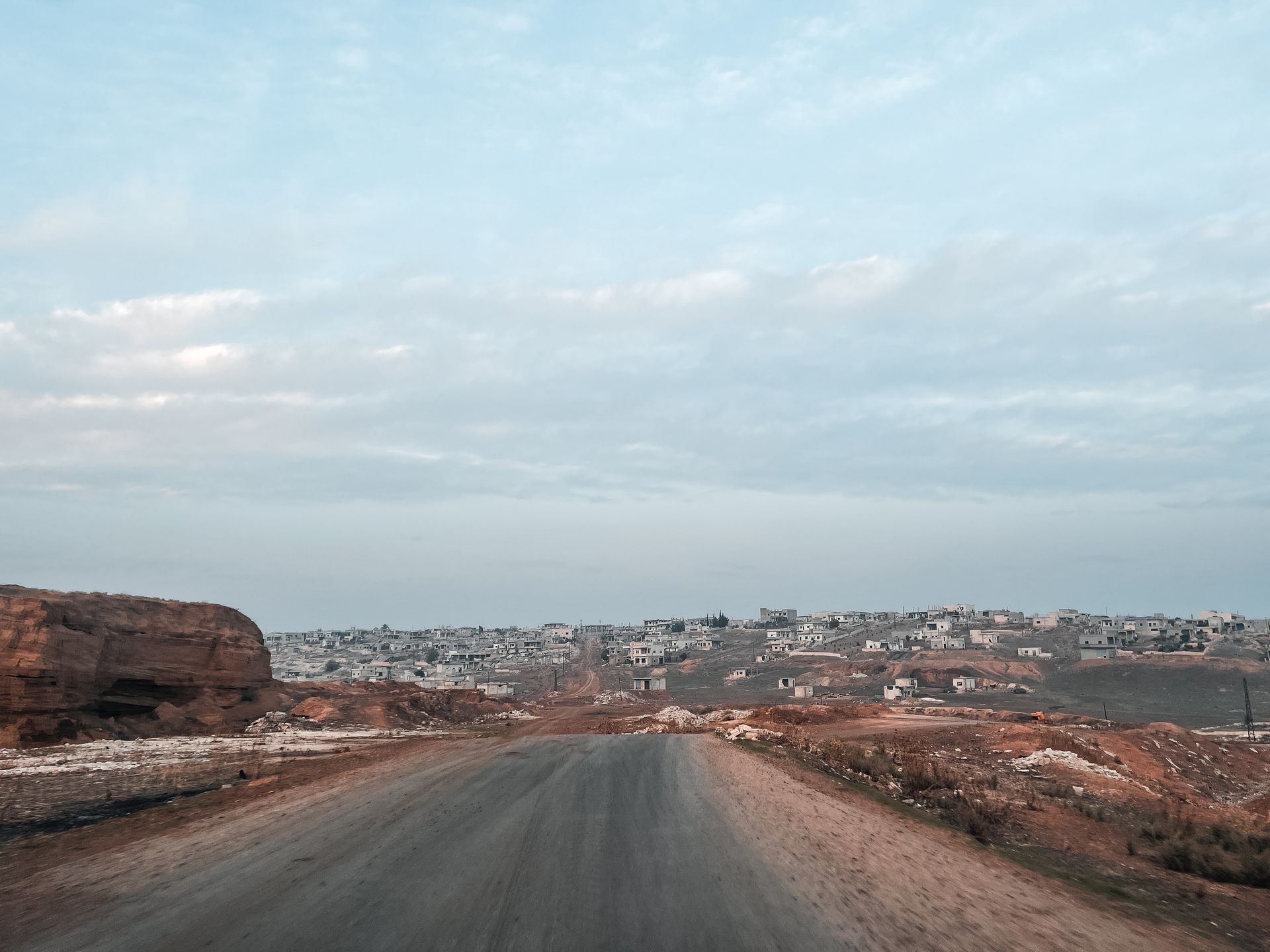
The drive from there to Aleppo only continued to shock me. Town after town lay in complete ruins, silent and abandoned. It later emerged that neither the driver nor the guide had been this far north in over 11 years — well before the Syrian war. Not exactly ideal 🤣
BATTLE SCARS
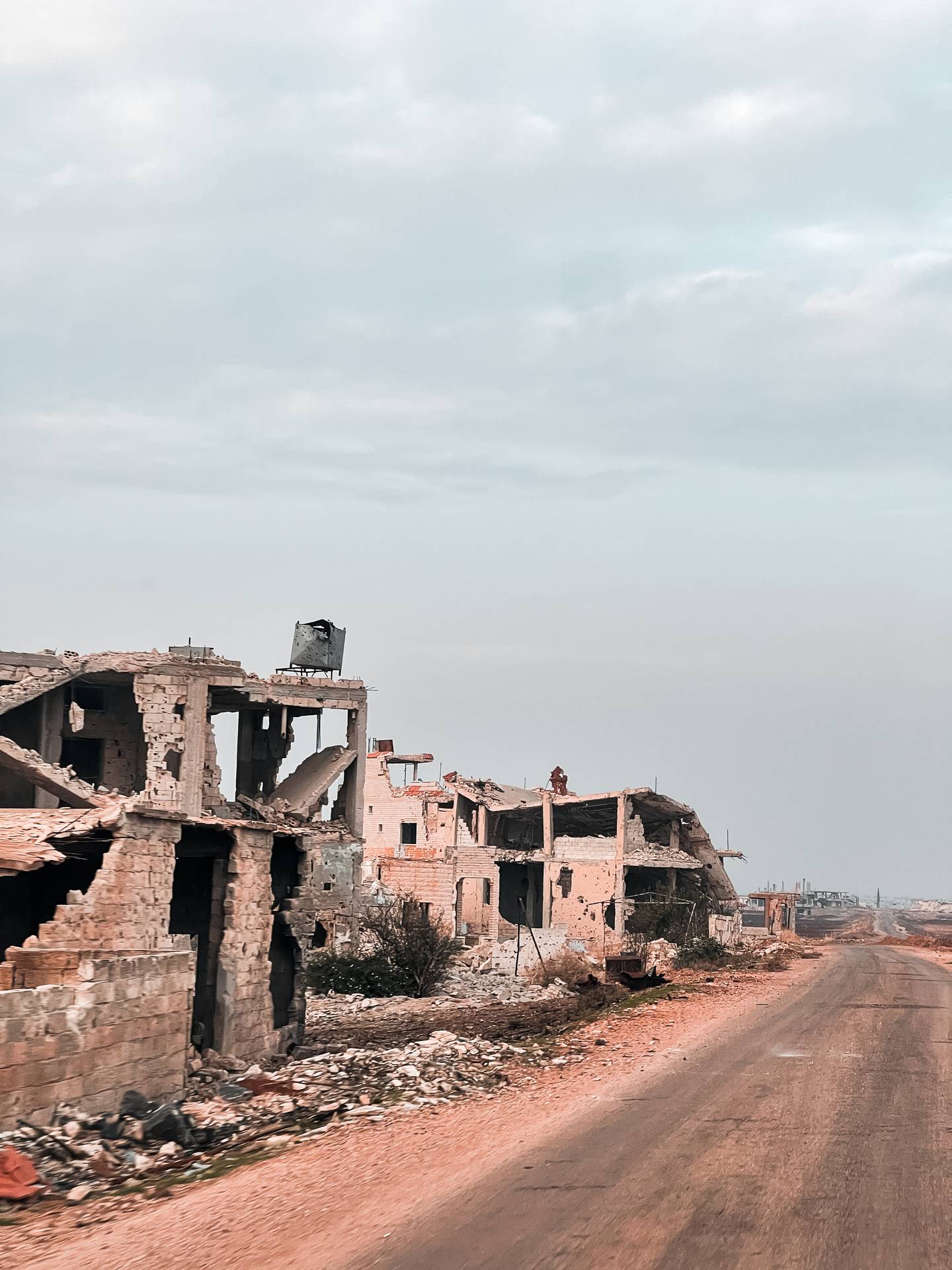
Within these towns — including parts of Aleppo — every single building showed signs of the war. Some were completely levelled; others were left with shattered windows, scorched walls, or bullet holes. It was difficult to take in.
In moments, the destruction felt almost cinematic, reminding me of war films like Black Hawk Down. But this was the stark difference: Hollywood is Hollywood — it never truly represents reality. Here, even Hollywood didn’t come close.
I kept expecting the next town to show signs of normal life or civilisation, but instead, town after town lay abandoned, silent reminders of the scale of destruction left behind by the war in Syria.
CHECKPOINTS
As we drove on, checkpoints became more frequent, often involving multiple layers of security at the same location. My guide explained that one was standard military, while another belonged to state security — essentially a higher level of authority.
At every checkpoint, officers asked my nationality. When I replied Ireland, the next question was always the same: North or South? Even now, I still have friends in England who don’t realise there’s a difference.
Despite the war-damaged buildings and the sheer number of military checkpoints across Syria, I never once felt unsafe. At each stop, my safety was treated as a priority. Officers would phone a senior official to verify my paperwork, then wave us through quickly and professionally.
THE CIVIL WAR
The Syrian Civil War is incredibly complex, and it’s not something I aim to fully explain here. However, as we travel through different parts of the country, I’ll occasionally provide context about the places we pass through and the history behind them.
Terms like “freedom fighters,” “rebels,” and “terrorists” are often used interchangeably, but that oversimplification can be misleading. It’s important to understand that Syrian rebel groups and ISIS were fighting for entirely different goals.
Like many movements that emerged during the Arab Spring, rebel groups in Syria initially sought to overthrow the Assad regime and establish a form of democracy. ISIS, on the other hand, aimed to create an Islamic State, driven by extremist ideology rather than democratic reform.
SUMMED UP….
- HIGHLIGHT – Seeing the devastation
- LOWLIGHT – Seeing the devastation
ALEPPO
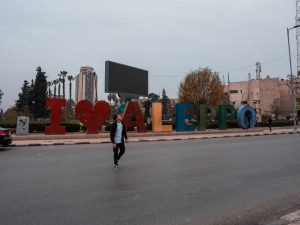
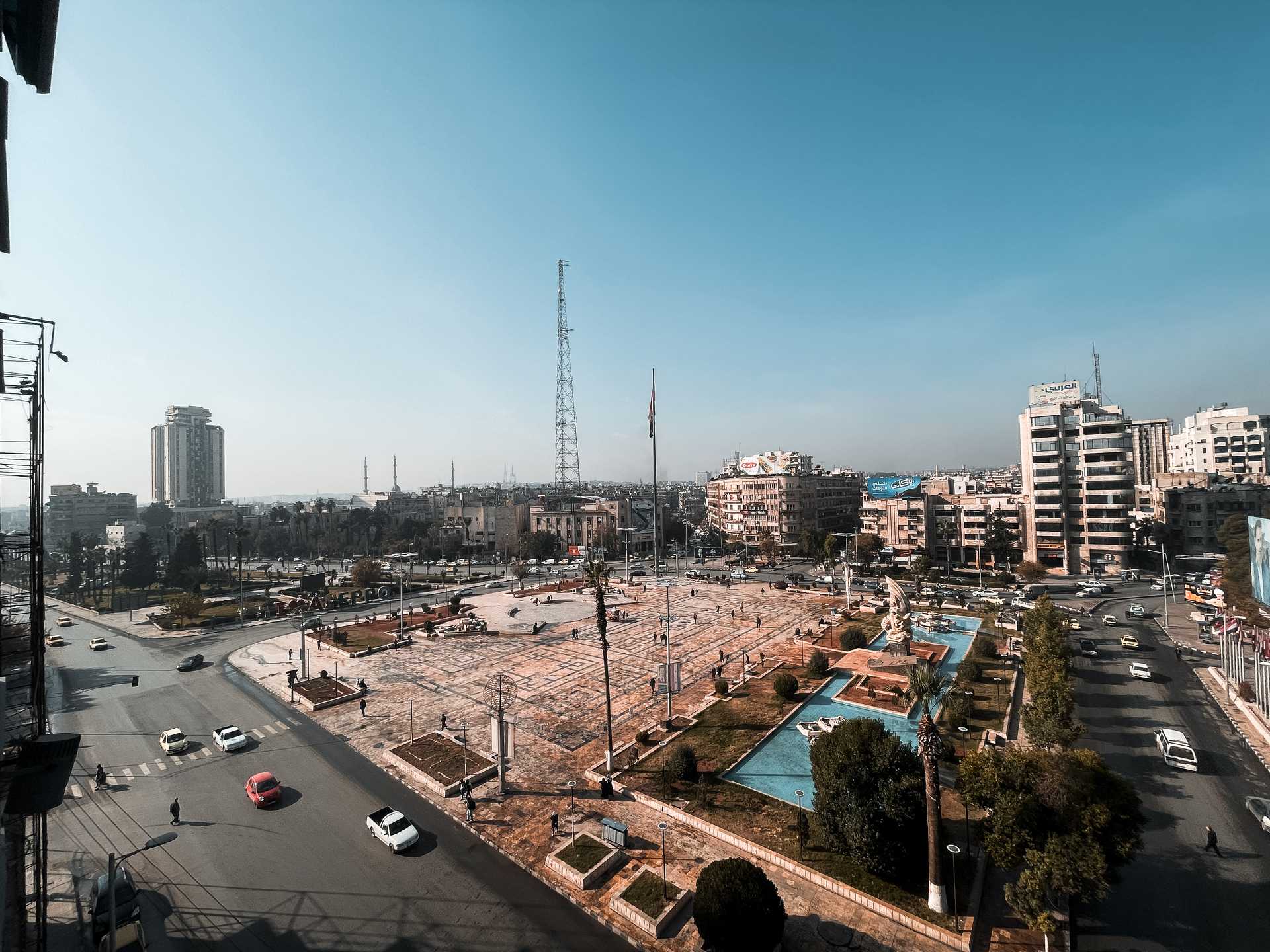
Arriving in Aleppo felt like the pinnacle of my trip — a city I’d been anticipating for weeks and one I knew deserved more than just a quick visit. I decided to spend several days here, taking the time to explore, eat, and simply walk the streets.
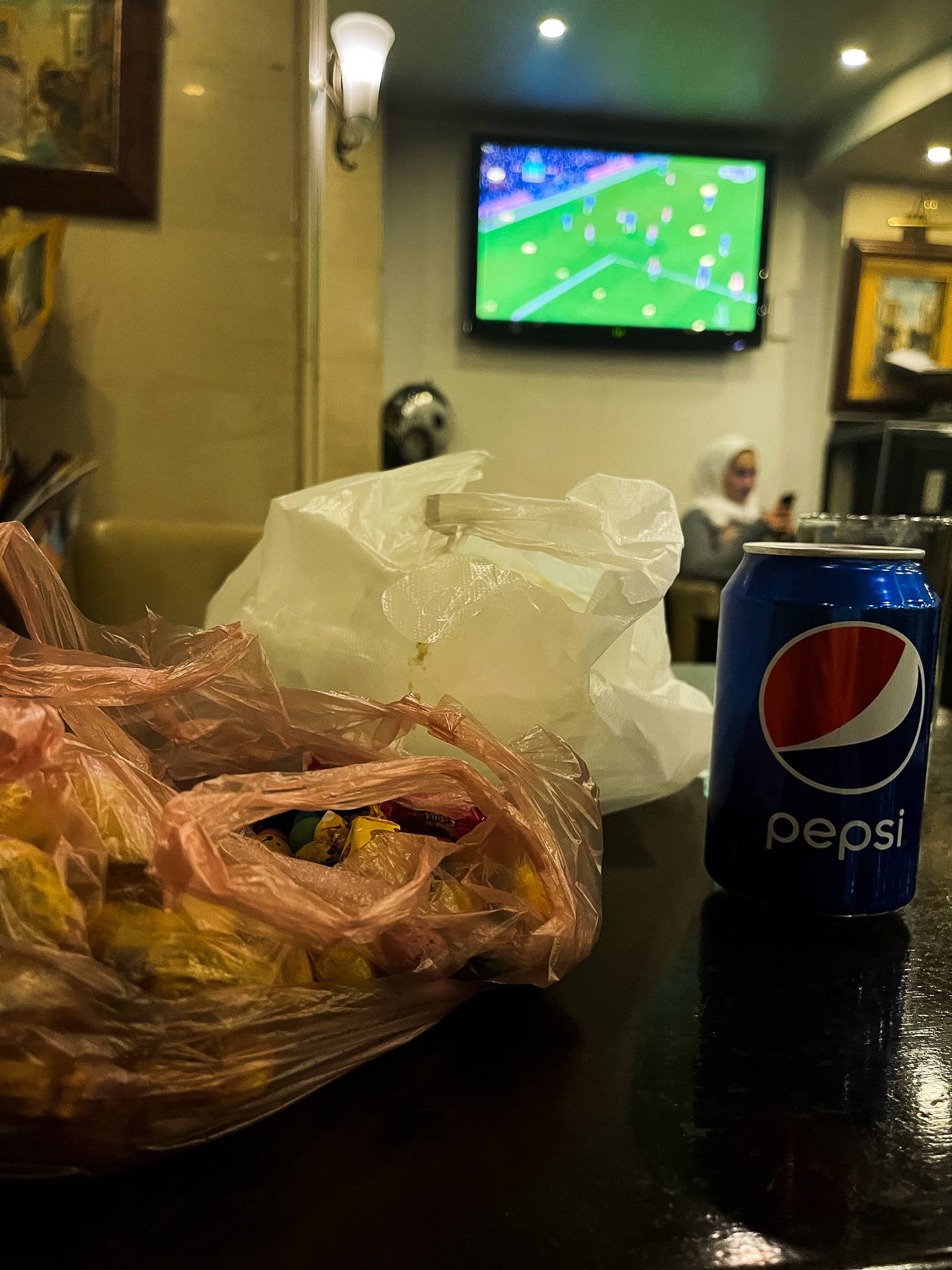
First stop? Food. Then a wander through the city. And if timing allowed, maybe even catching the Manchester United vs Chelsea game.
Because let’s be honest — watching a Premier League match like United vs Chelsea in Aleppo, Syria, is one of those moments that perfectly sums up how travel constantly defies expectations.



FINAL THOUGHTS
This day has to be the highlight, purely as a lesson to me that the world outside of our own bubble is far from perfect and that I am bless to be born where I am. Yes home has its issues, more than a lot of the western world but it’s a walk in the park compared to what others have been through.
SAFE TRAVELS, DS x
152/229
NEXT UP
A day in Aleppo and a night with new friends!! Click to read.
This post was part of The Syrian Series. For episode 1 click here or to see the entire series click here.
To see a different side of my trip head to my social channels; YouTube, Instagram & TikTok. Links at top of the page.

Question Time
- What is your most eye opening experience?
- Would you like to visit Aleppo?
Let me know in the comments below . . .