THE SYRIAN SERIES, DAY 2
BEIRUT – AL MASHTAYAH
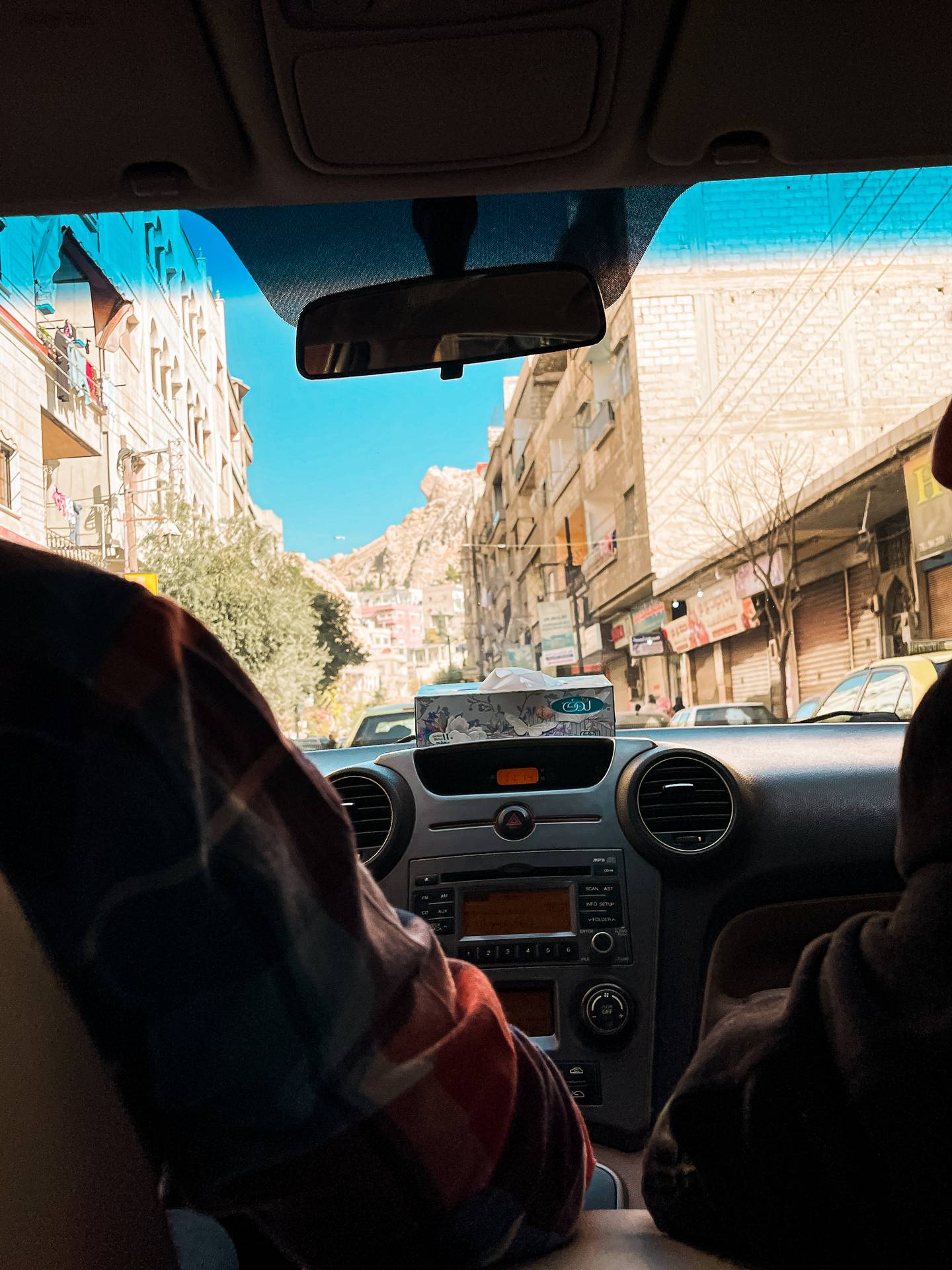
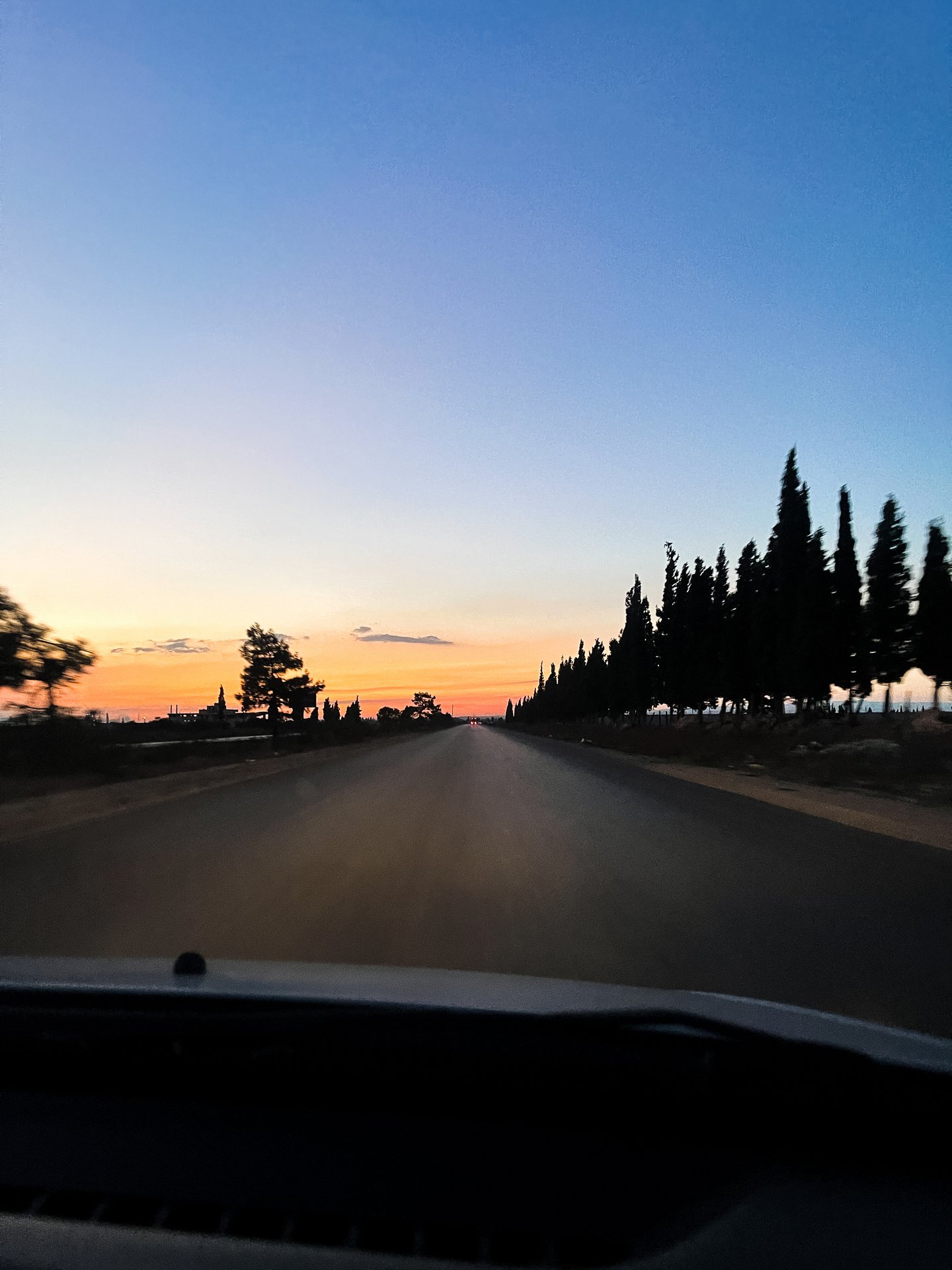
Driving into Syria. The day has finally come, I’m on my way, and I’m beyond stoked for it.
WELCOME TO SYRIA
It’s been three long years since I first toyed with the idea of visiting here, and many times I thought it just wasn’t going to be.
Obviously, there was the civil war, which is still ongoing in certain regions, but COVID, as usual, played a big role in delaying the trip. Fear not 😬 I am here now! Welcome to Syria!
WHERE IS SYRIA?
Syria
THROUGH THE DAHR AL-BAYDAR
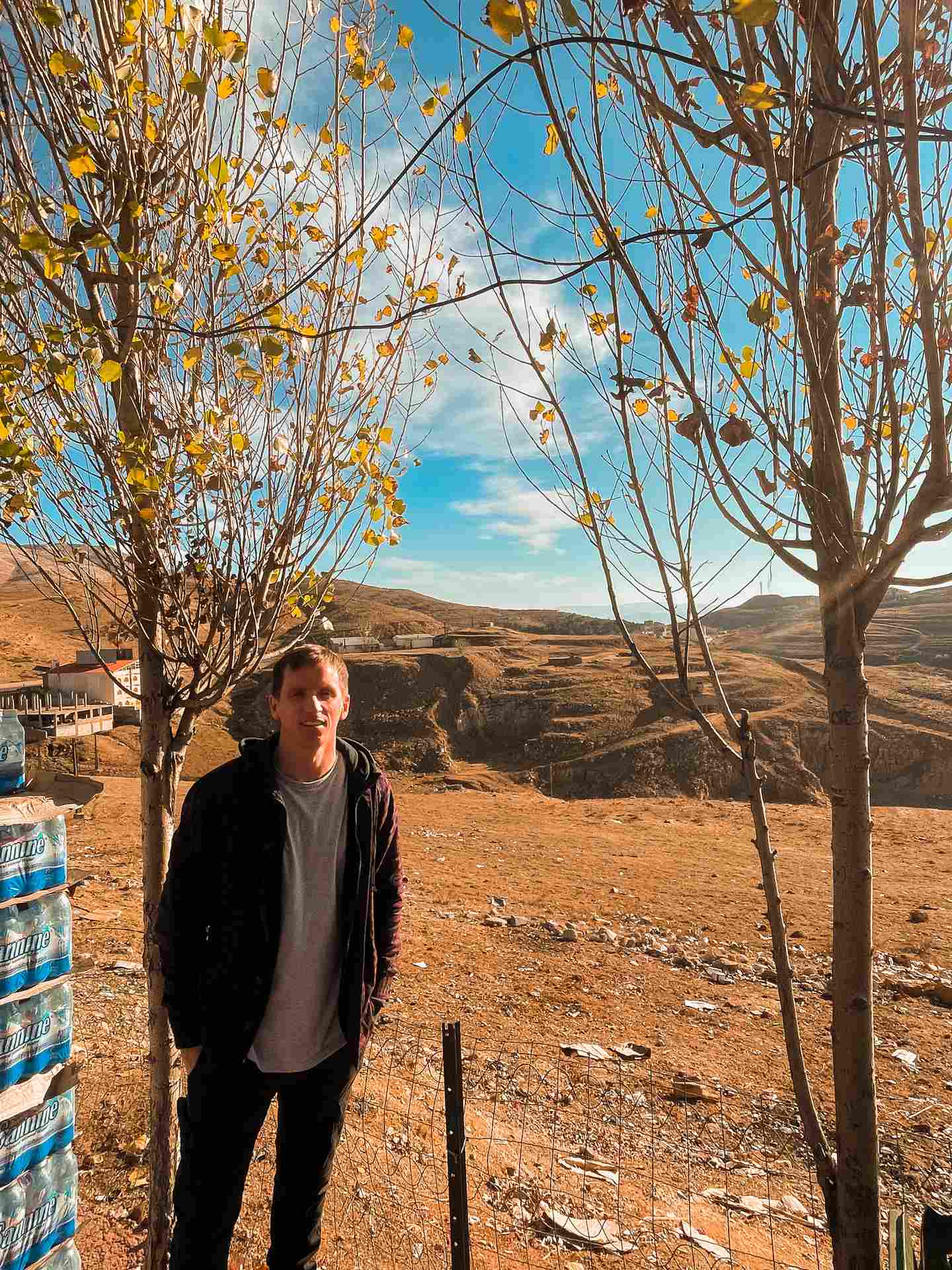
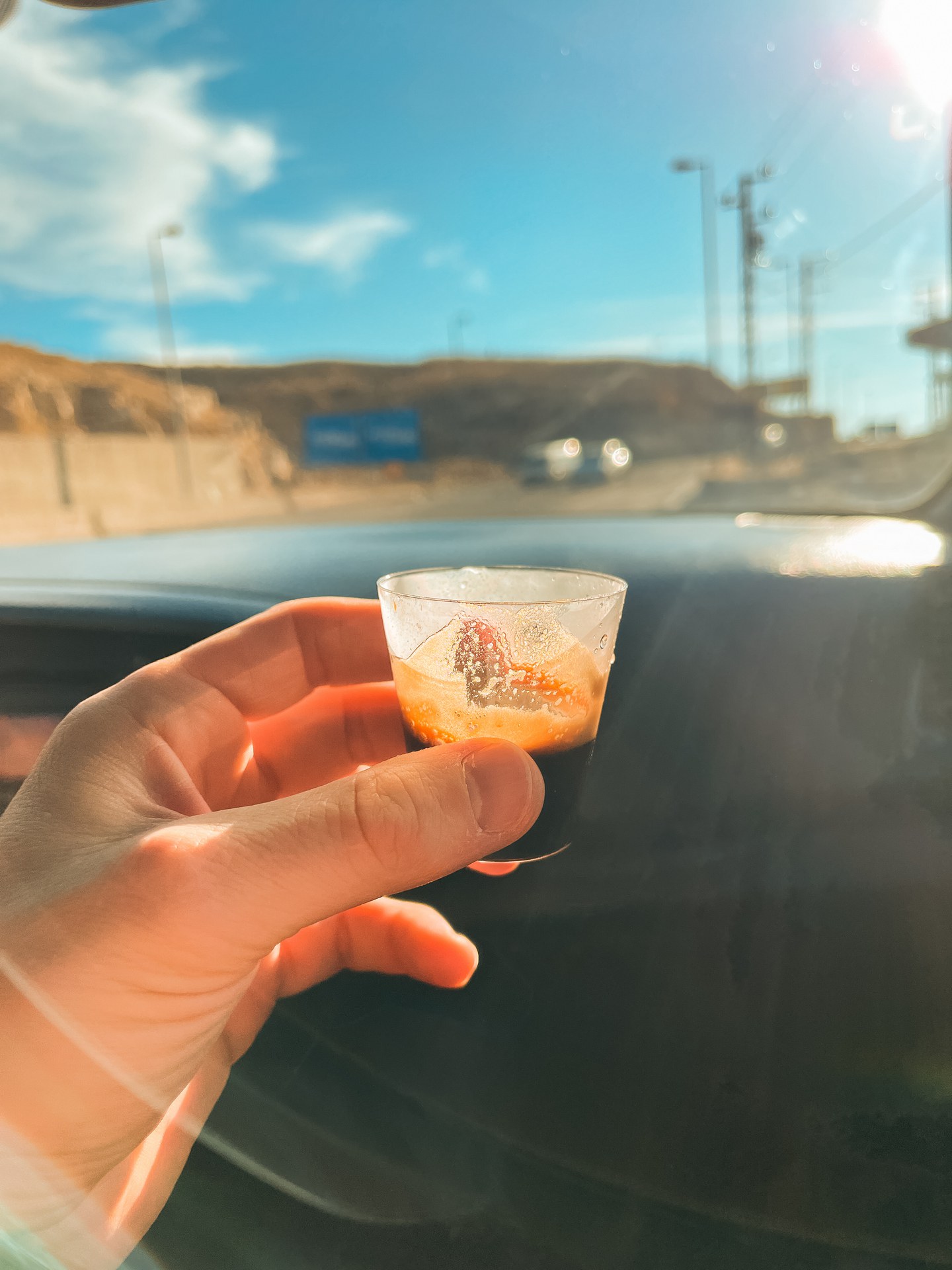
After being picked up from my hotel, we drove through the Lebanese Mountains, crossing the Dahr al-Baydar Pass, one of the country’s main mountain routes. A quick stop for a strong Arabic espresso followed — although mixing powerful coffee and military checkpoints probably isn’t the best idea.
Soon after, we reached the Lebanese–Syrian border, where a group of young Syrian porters approached, keen to earn a few pounds carrying bags. It didn’t take long to realise they didn’t speak a word of English.
“That’s our future,” an older local said quietly, his expression hopeless.
And honestly, bless the kid — he’s barely had a chance. Growing up through one of the worst civil wars of our generation leaves its mark. Dark humour aside, the moment said far more about the region than any headline ever could.
DAILY INFO….
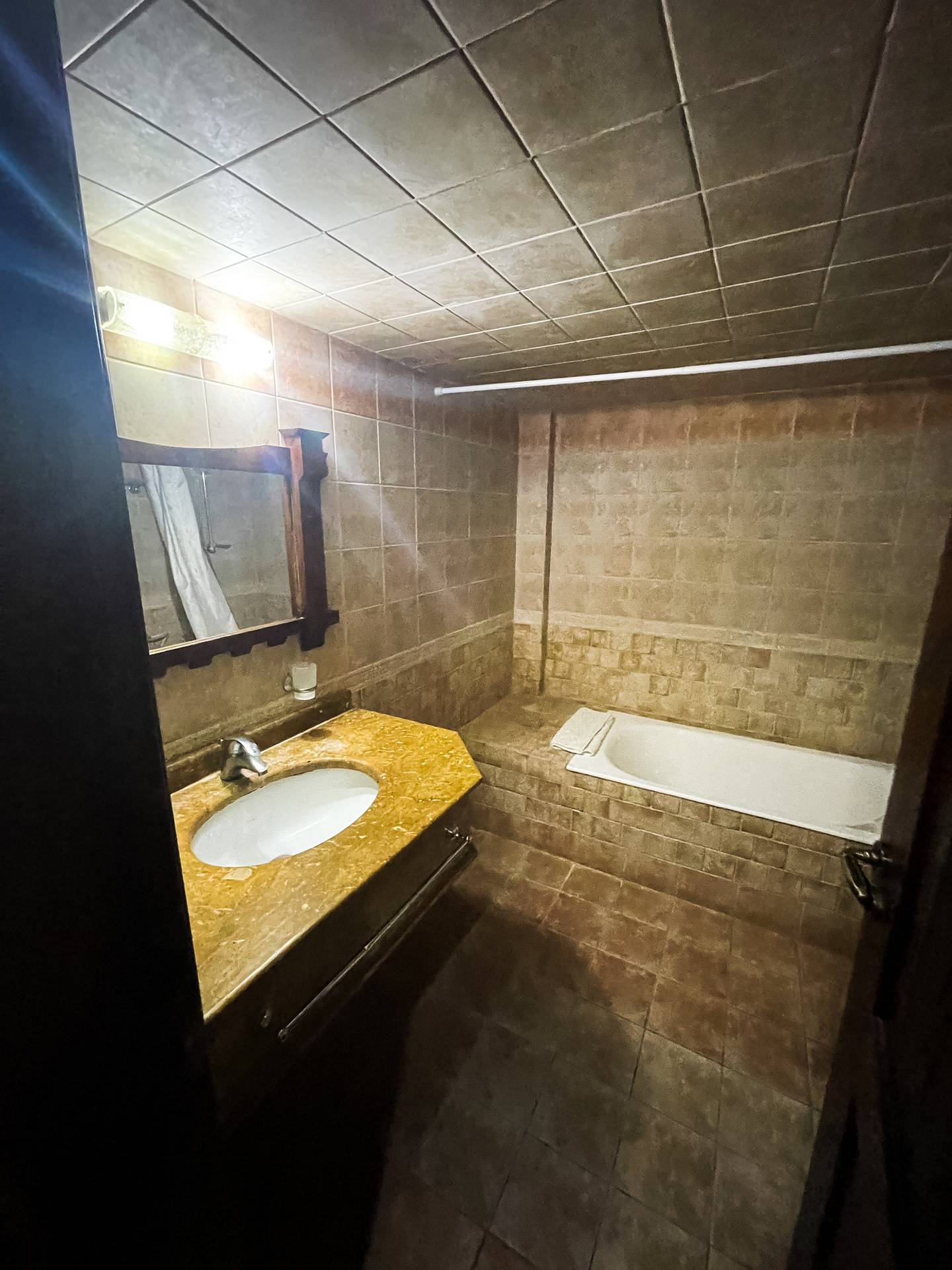
- HOTEL – Hotel Al Wadi, 7/10
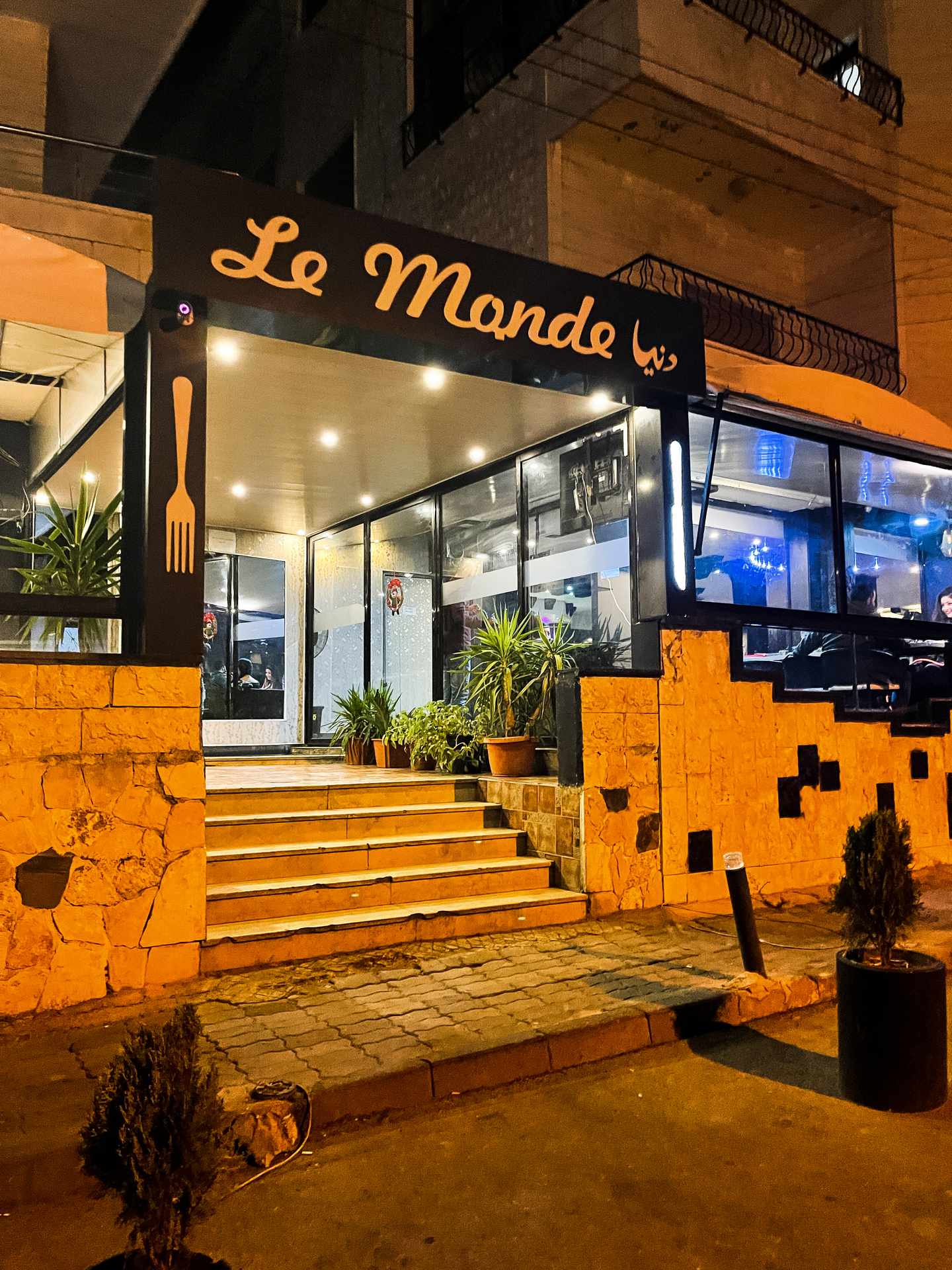
- RESTAURANT – La Grotta (Malula), Shish Tewook, La Monde (Al Mashtayah), Chicken Shawerama
- ATTRACTIONS –
1 Million Check points
Seydnaia
Monastery of Seydnaia
Icon, Shagura
Malula
SergusBachus (small church beside resto, damaged dome, girl prayer in language – Aramaic. Only 3 towns speak this language.)
Walk down The Gap of Malula
Saint Takla – Monastery (Tomb of Saint Takla)
Below this is the church that was burnt – Church of Saint Takla
Al Mashtayah, town beside Krak des Chevaliers
TO THE SYRIAN BORDER
There’s a 10-kilometre drive between the two border checkpoints — and honestly, it felt wild. I’ve never been so excited. After travelling to so many high-risk destinations, border crossings can sometimes lose their edge; the nerves fade, the adrenaline dulls. You know you’ve done a few sketchy places when that happens.
But entering Syria was different. The feeling was back. The tension, the anticipation — I was fully present in the moment.
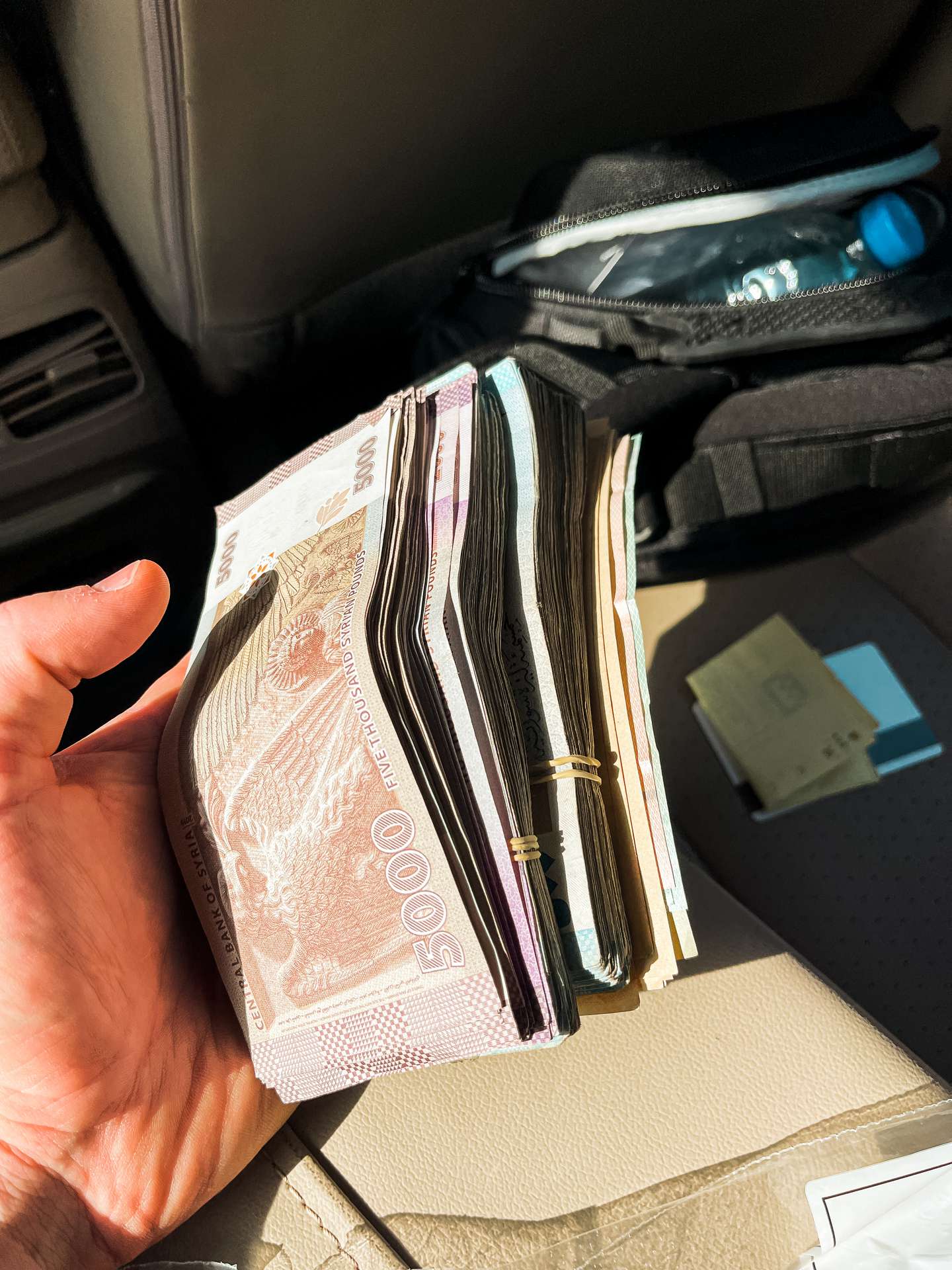
From there, I continued on to Damascus, where I met Khaldoun (Golden Target), the man who arranged my Syrian visa, travel logistics, and finances. This trip simply wouldn’t have happened without him. That said, exchanging cash in the corner of the Sheraton Hotel definitely felt a little… questionable.

DAILY TRAVEL STATS….
- Steps – 8,500
- Miles covered – 275 mi
- Highlight – Malula

SEYDNAIA
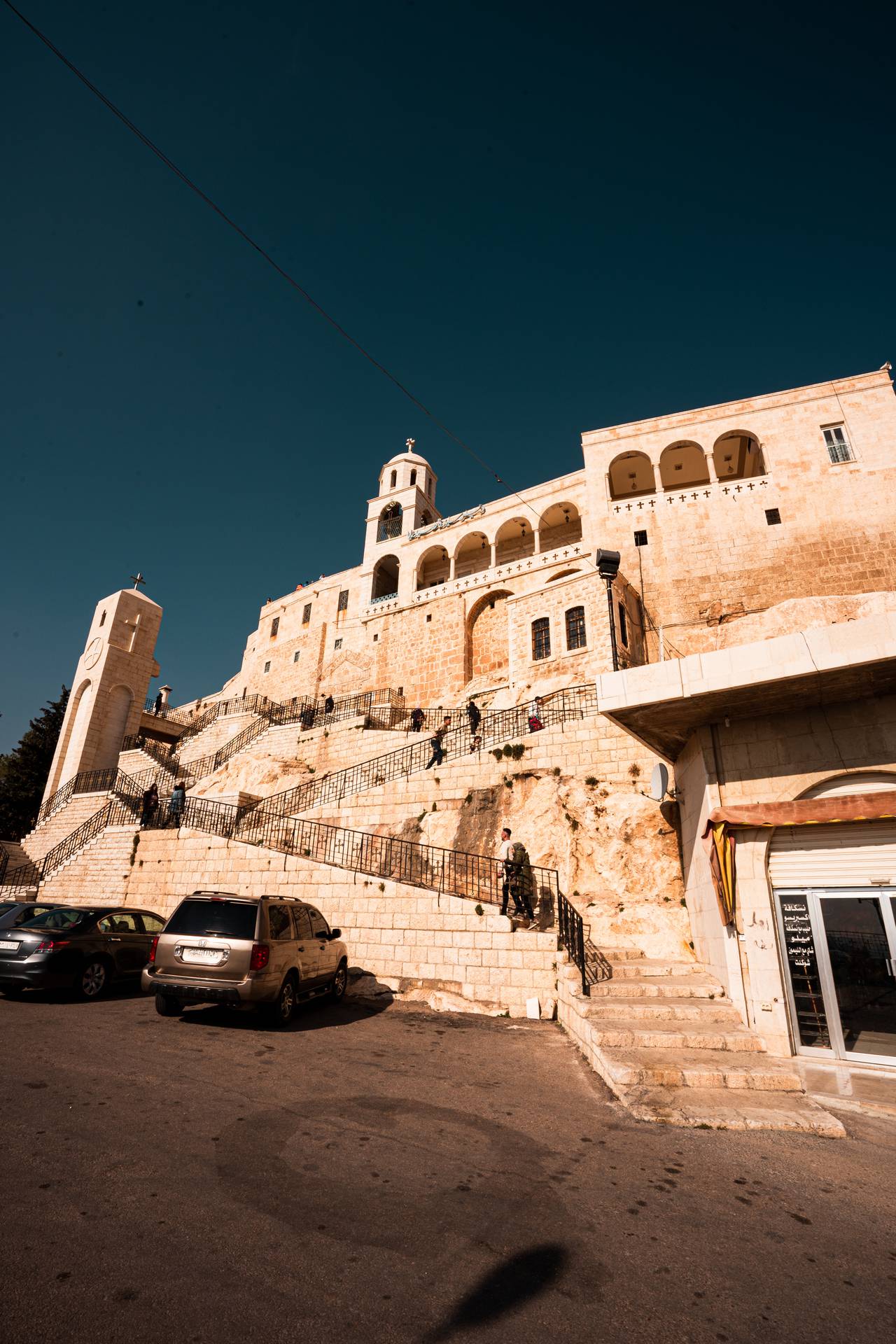
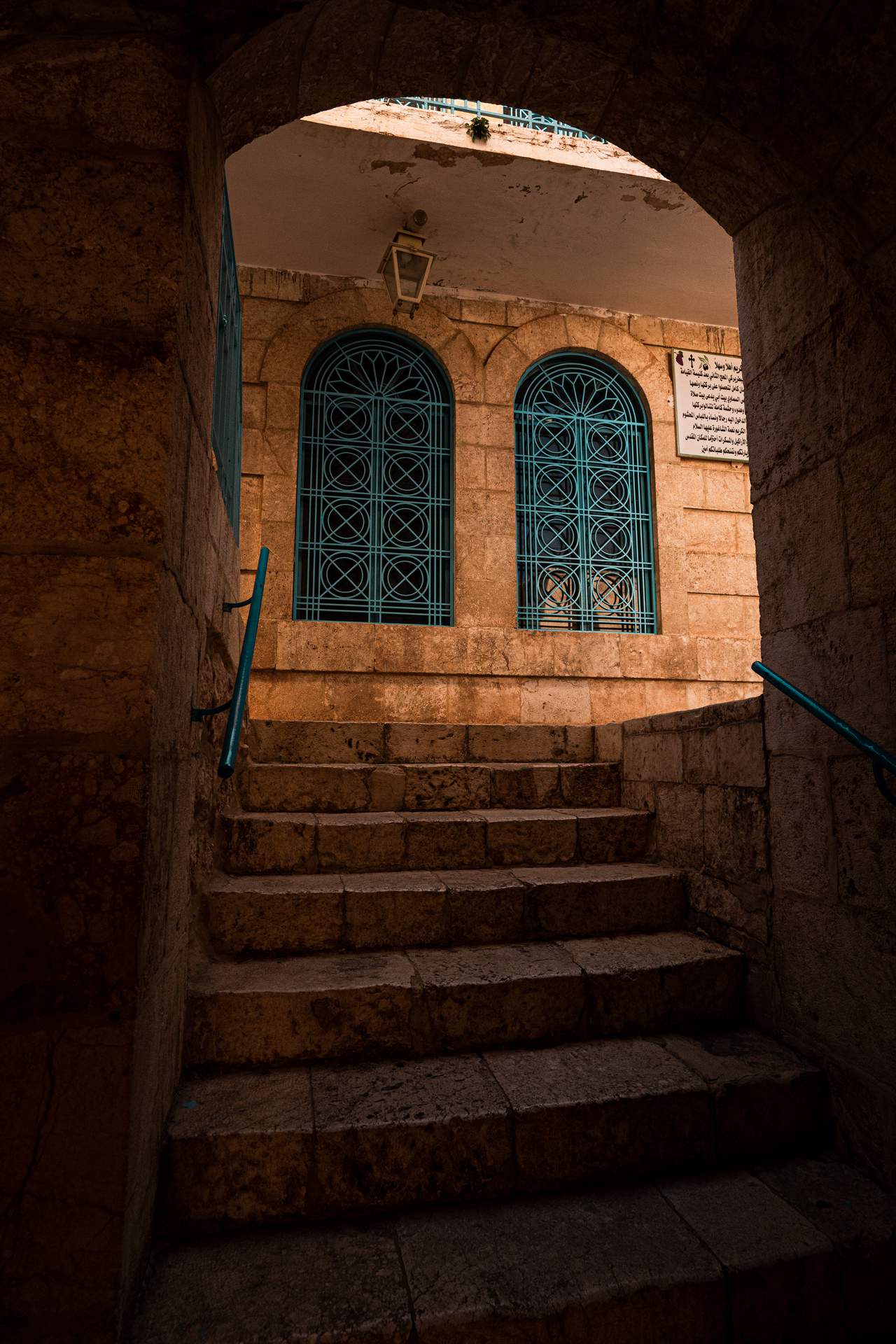
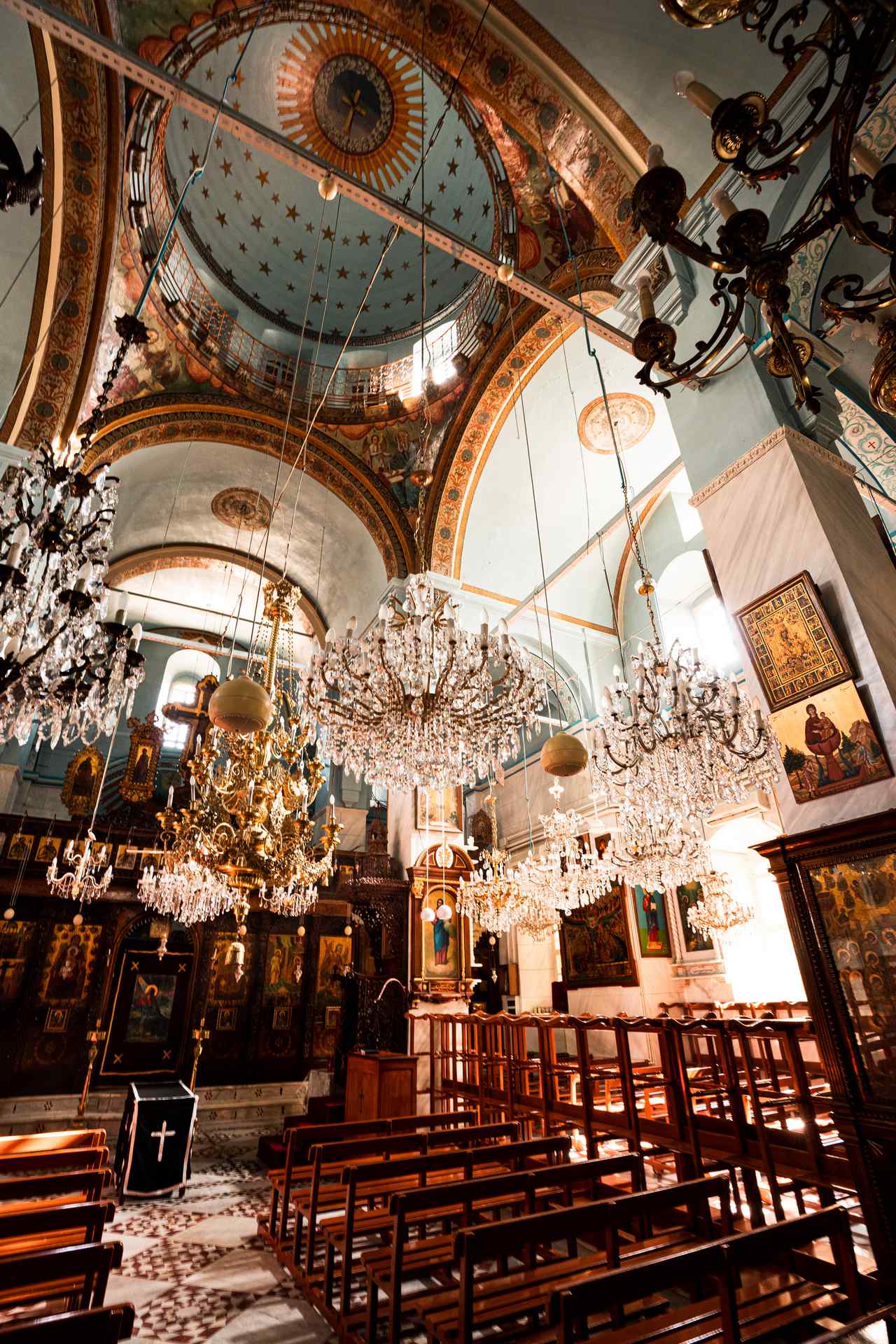
After a short break, I headed out to our first stop of the day: the Monastery of Seydnaya, one of Syria’s most important Christian sites. Inside, we listened to a prayer led by one of the nuns, a quiet moment that contrasted sharply with the journey outside.
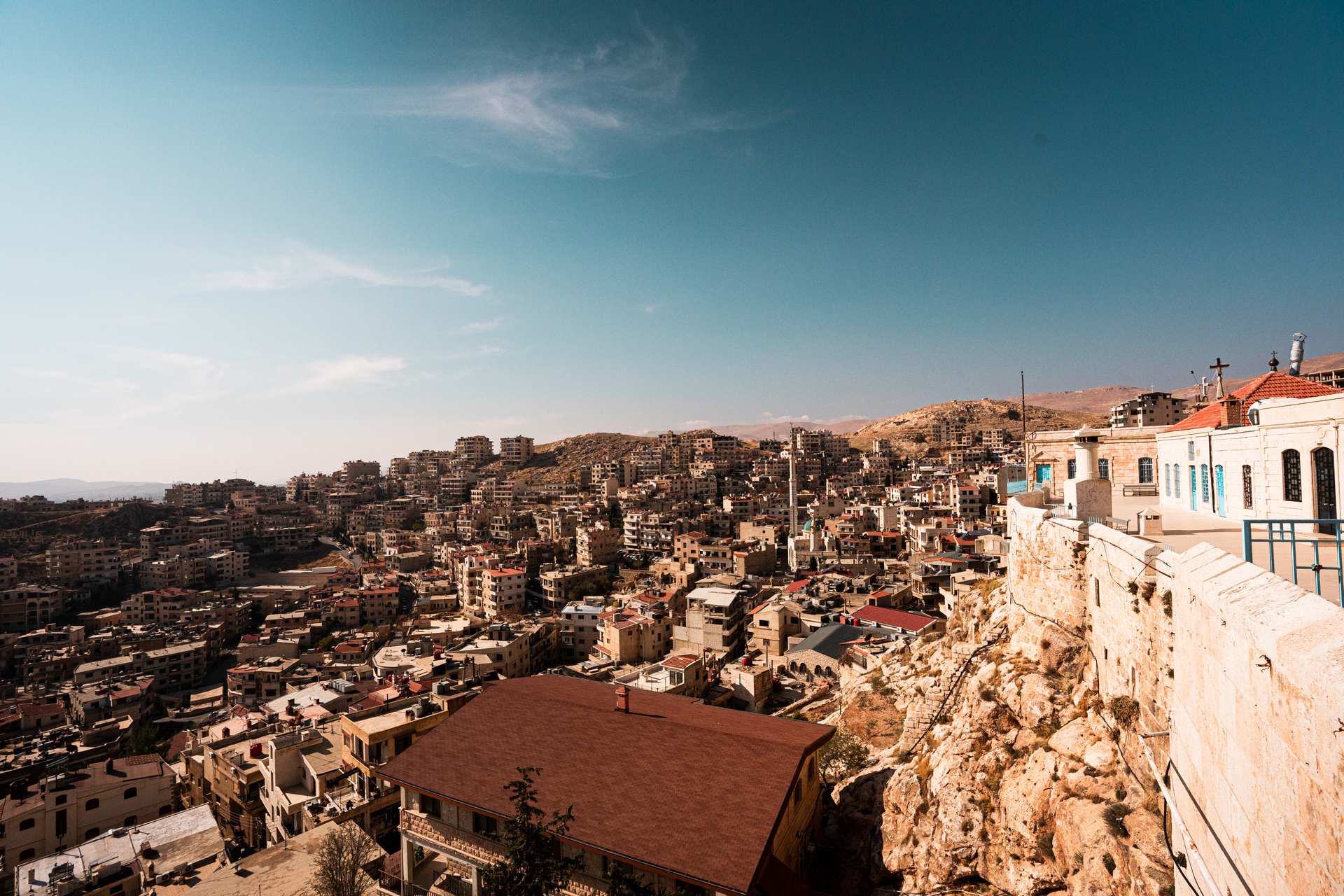
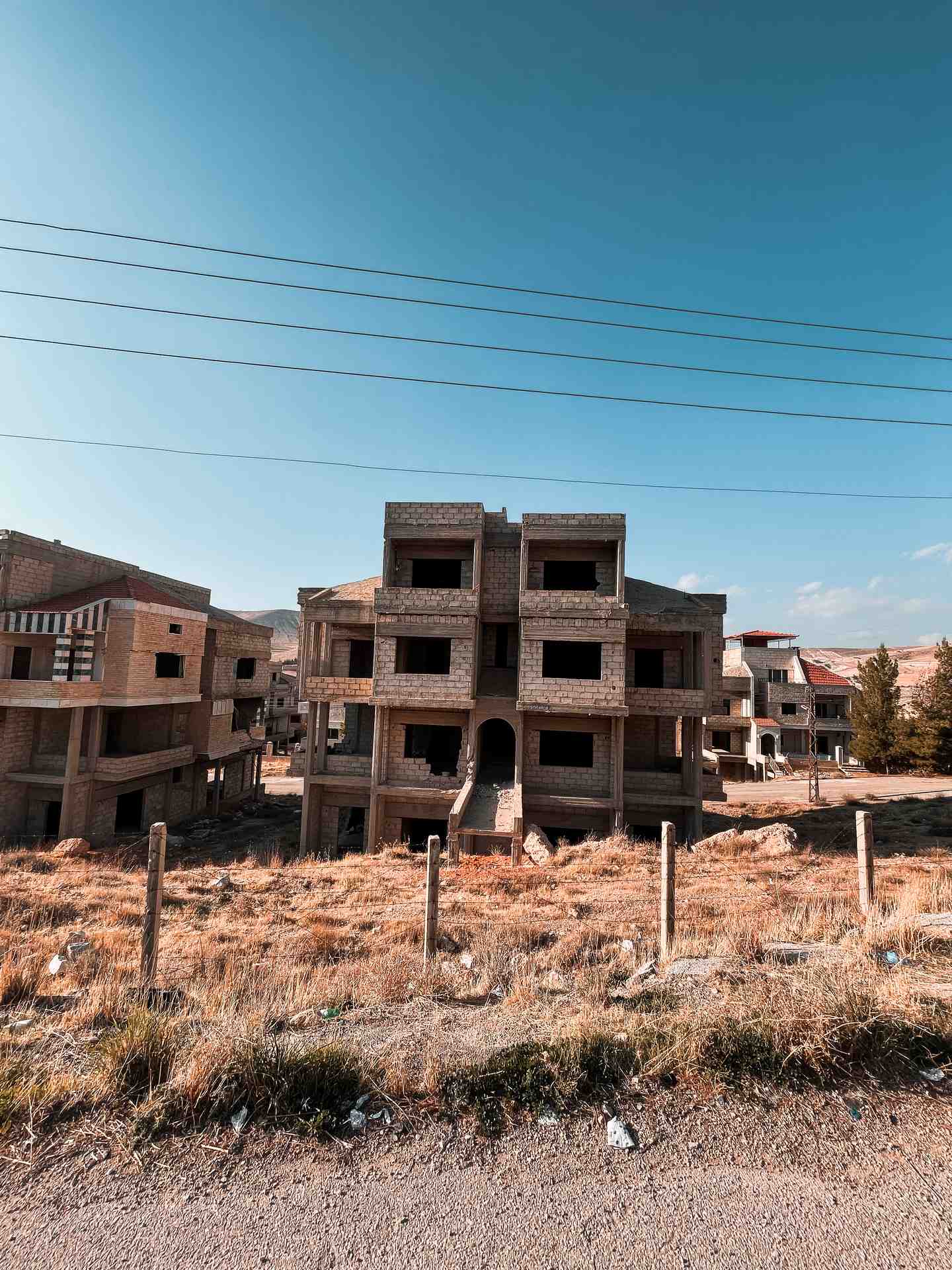
Throughout Syria, churches and mosques are immaculately maintained, standing in stark contrast to the surrounding streets, where the effects of years of conflict are far more visible.

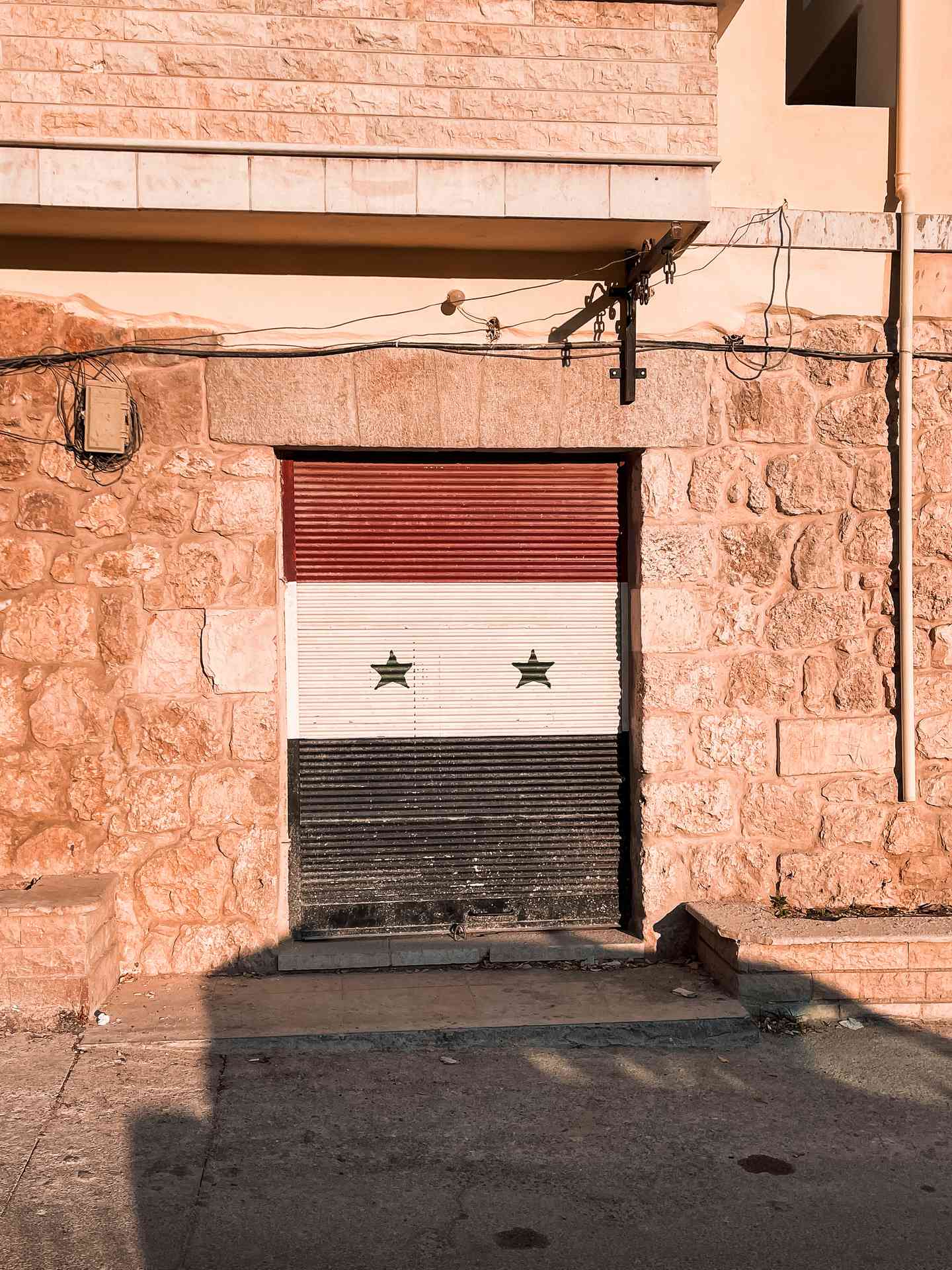
FLAG….
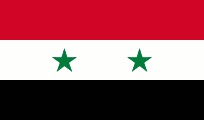
- RED – The shed of blood for freedom.
- WHITE – A peaceful future.
- GREEN STARS – Syria and Egypt together.
- BLACK – The oppression that Arabs have suffered.
OILY MARY
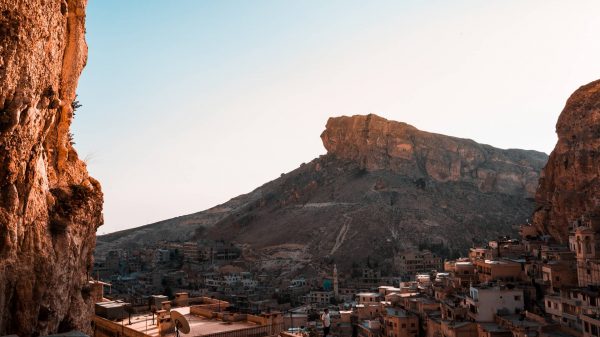
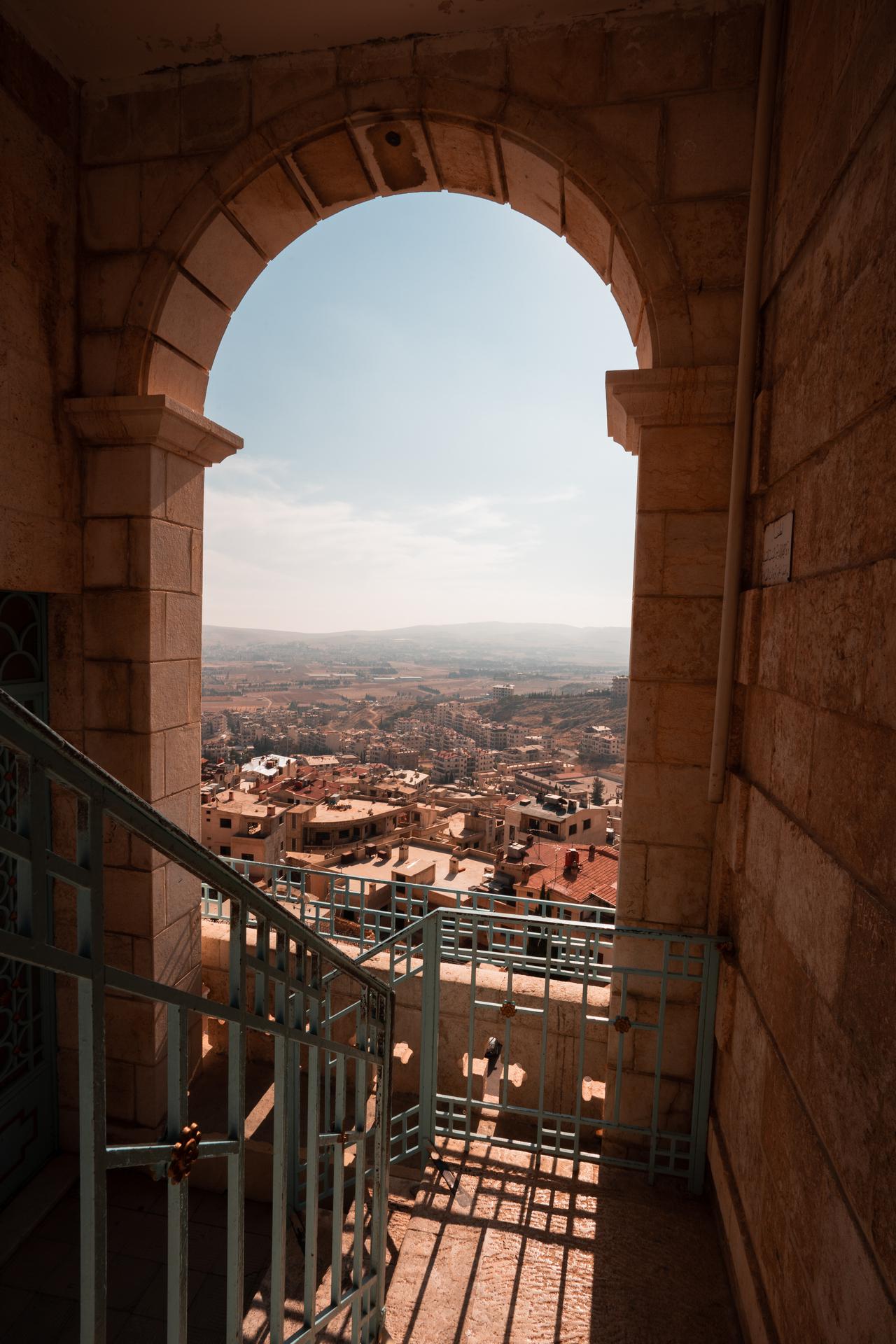
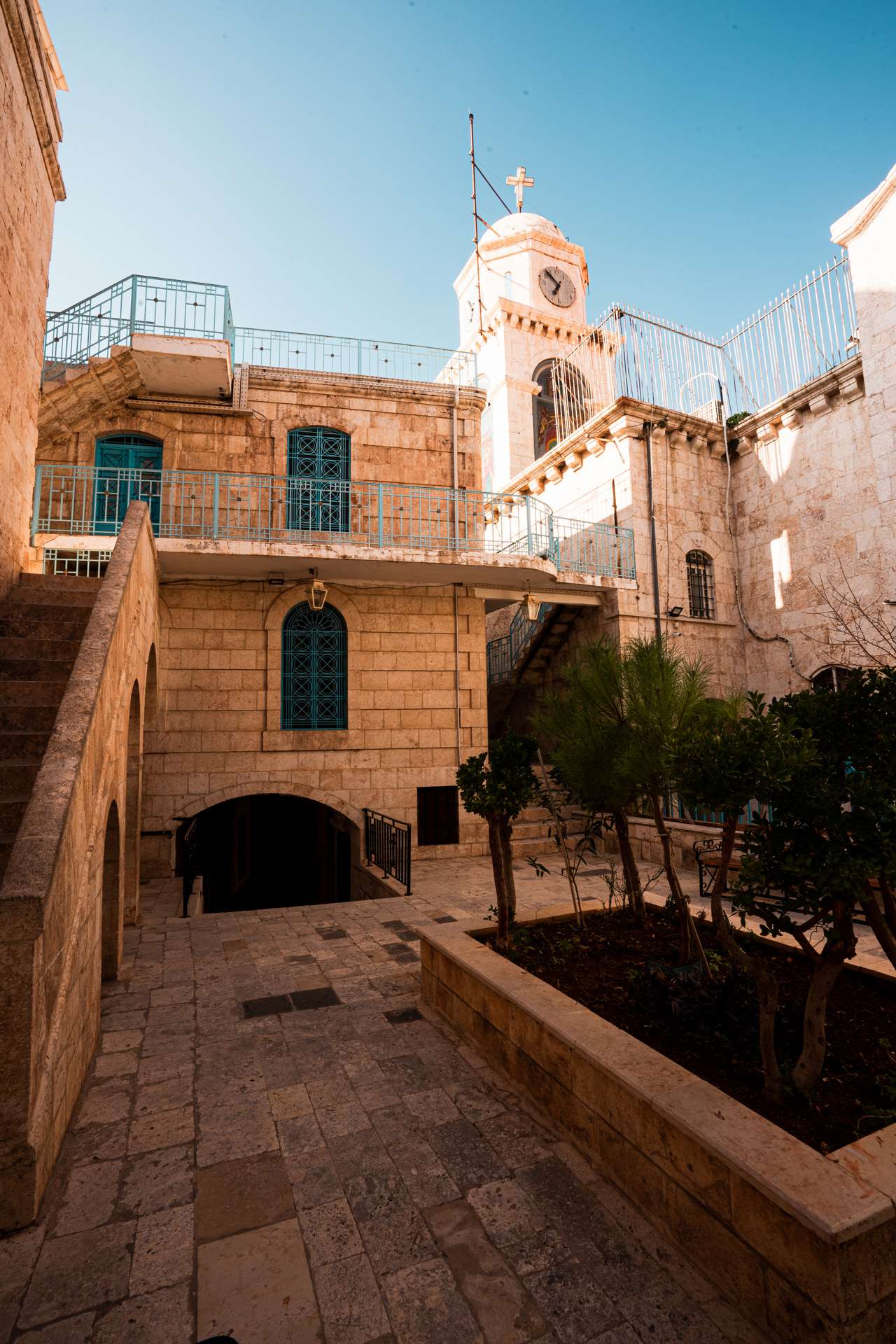
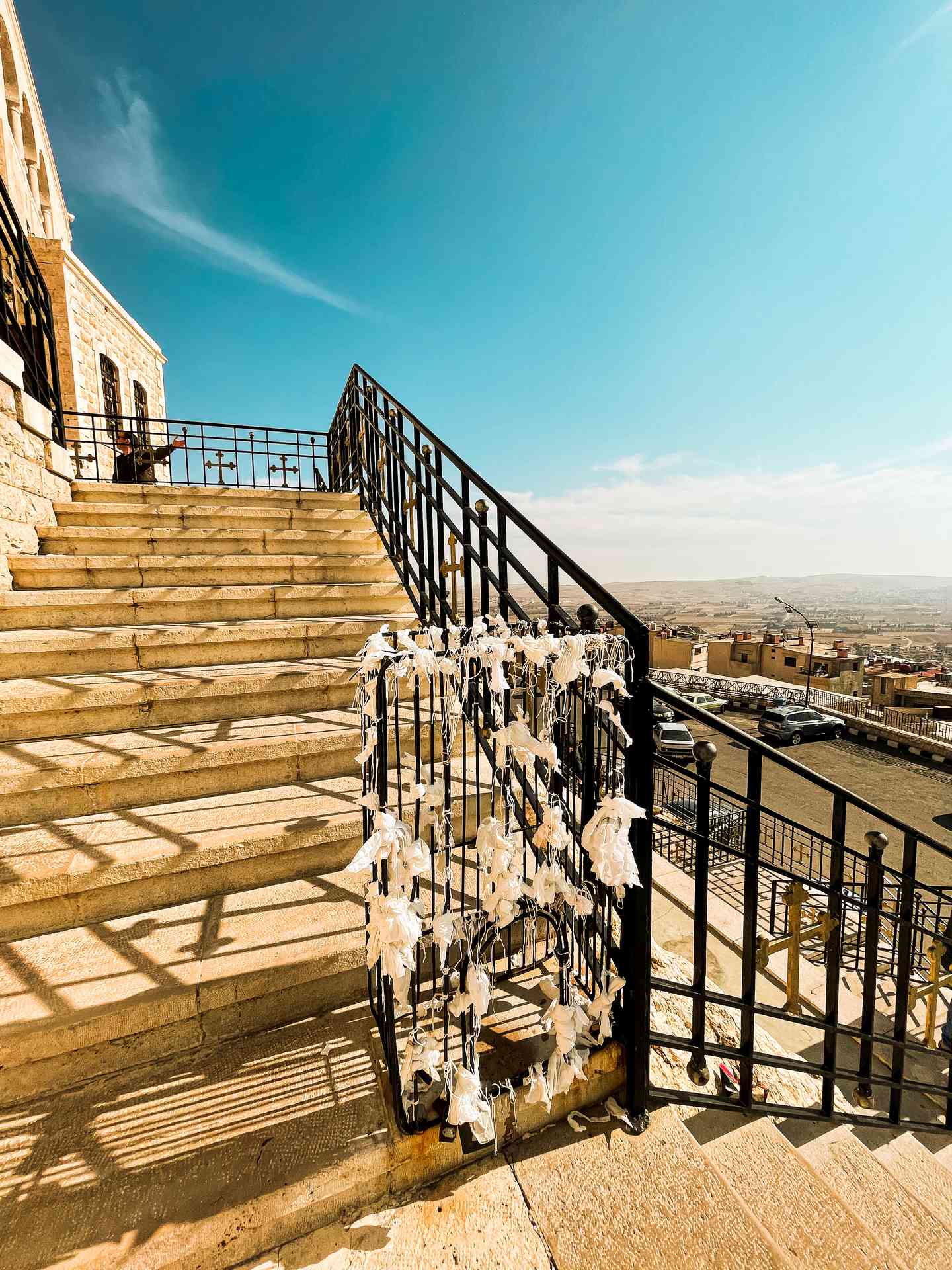
I wouldn’t consider myself particularly religious, but the views from the top of Malula were a genuine highlight. With a place this old comes centuries of stories and legends, some more unusual than others.
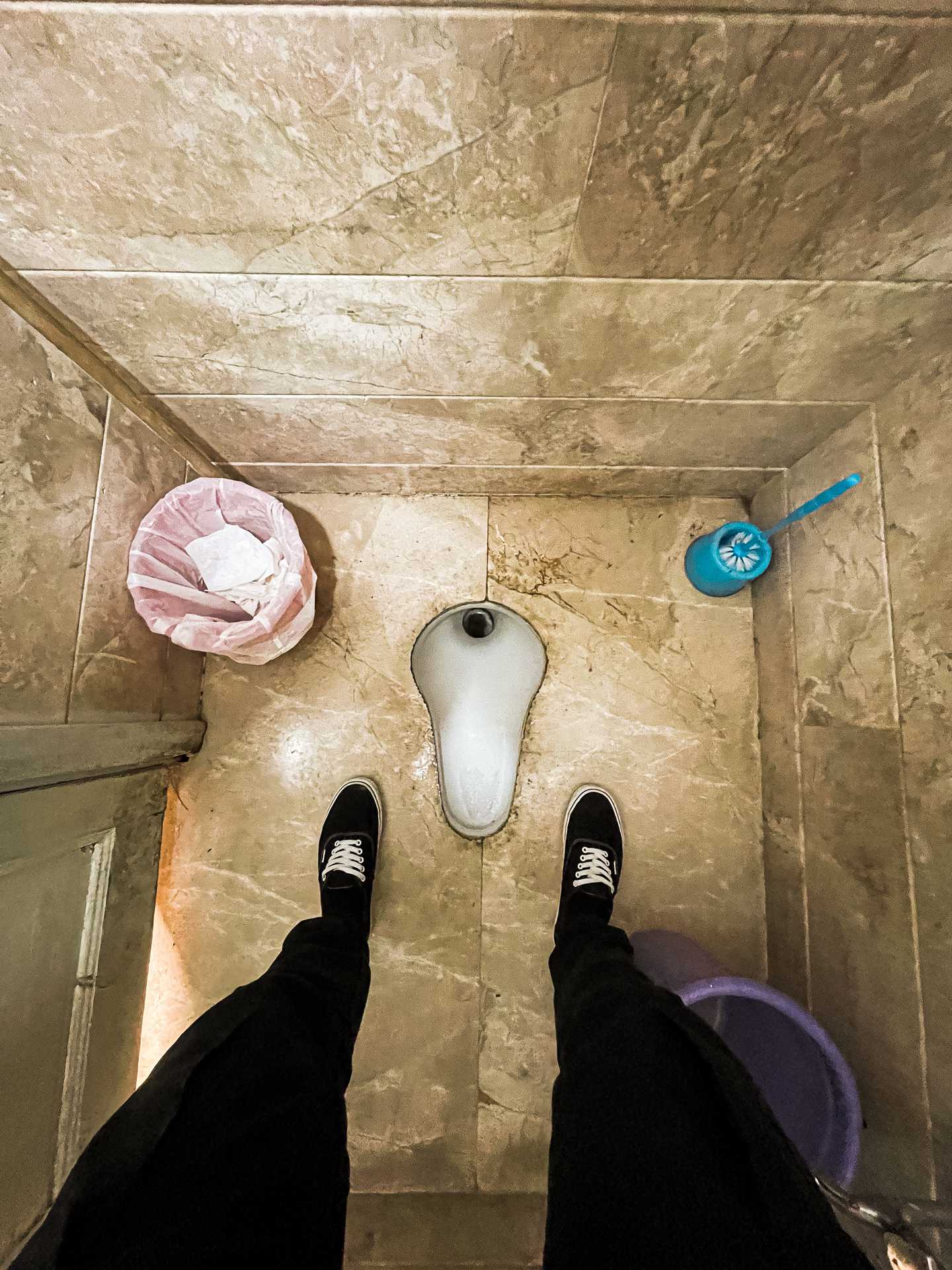
One such tale was shared with me at the bottom of the stairs, beside a column of exposed rebar. According to local belief, someone once left a bottle of oil at this very spot. When it was lifted, a figure resembling the Virgin Mary was said to have appeared.
The image is still visible today, as you can see. I’m not here to say whether it happened or not — I’ll leave that for you to decide.
RELATED READ: DIVING WITH GREAT WHITE SHARKS
SERGUS BACHUS
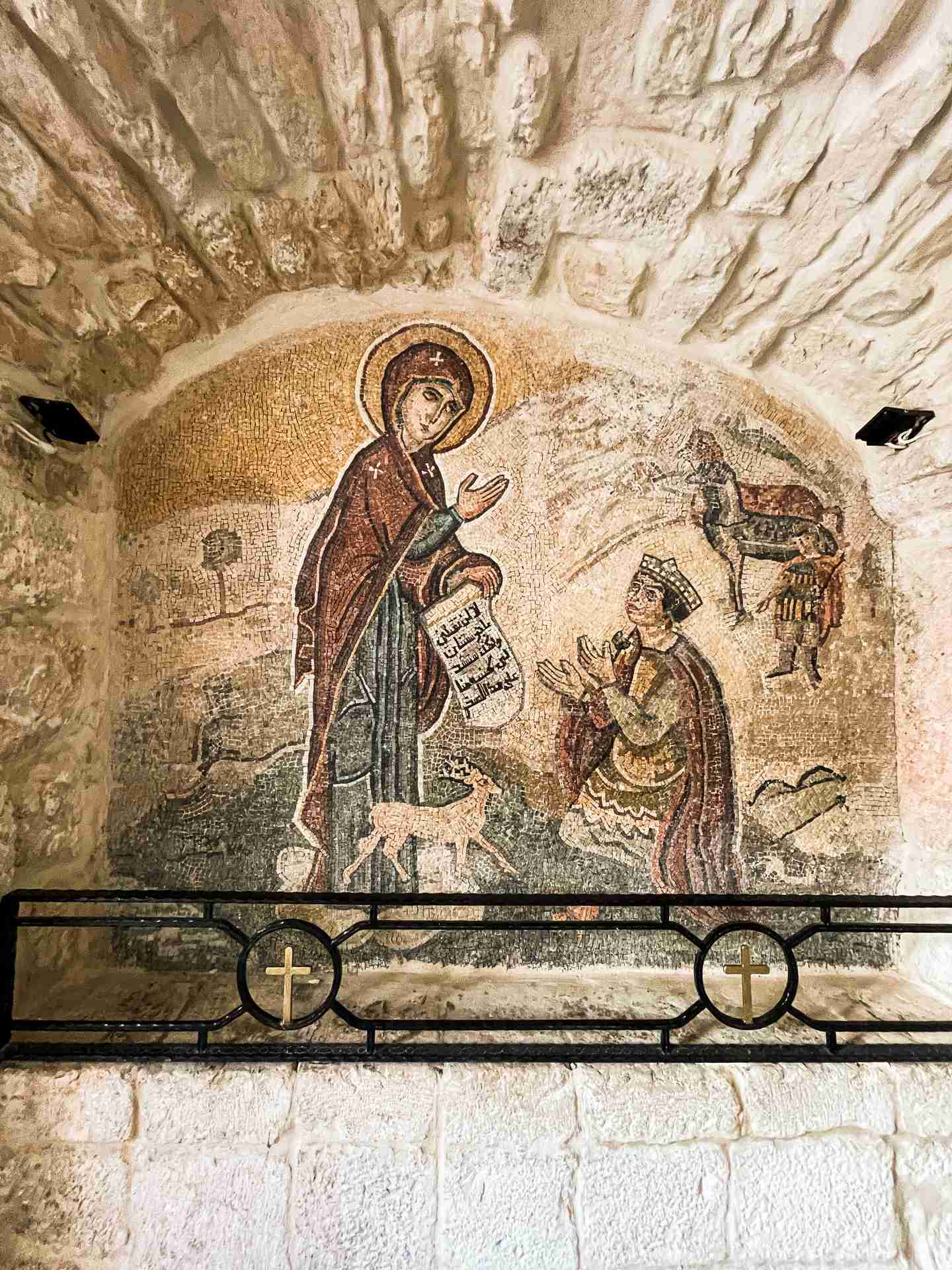
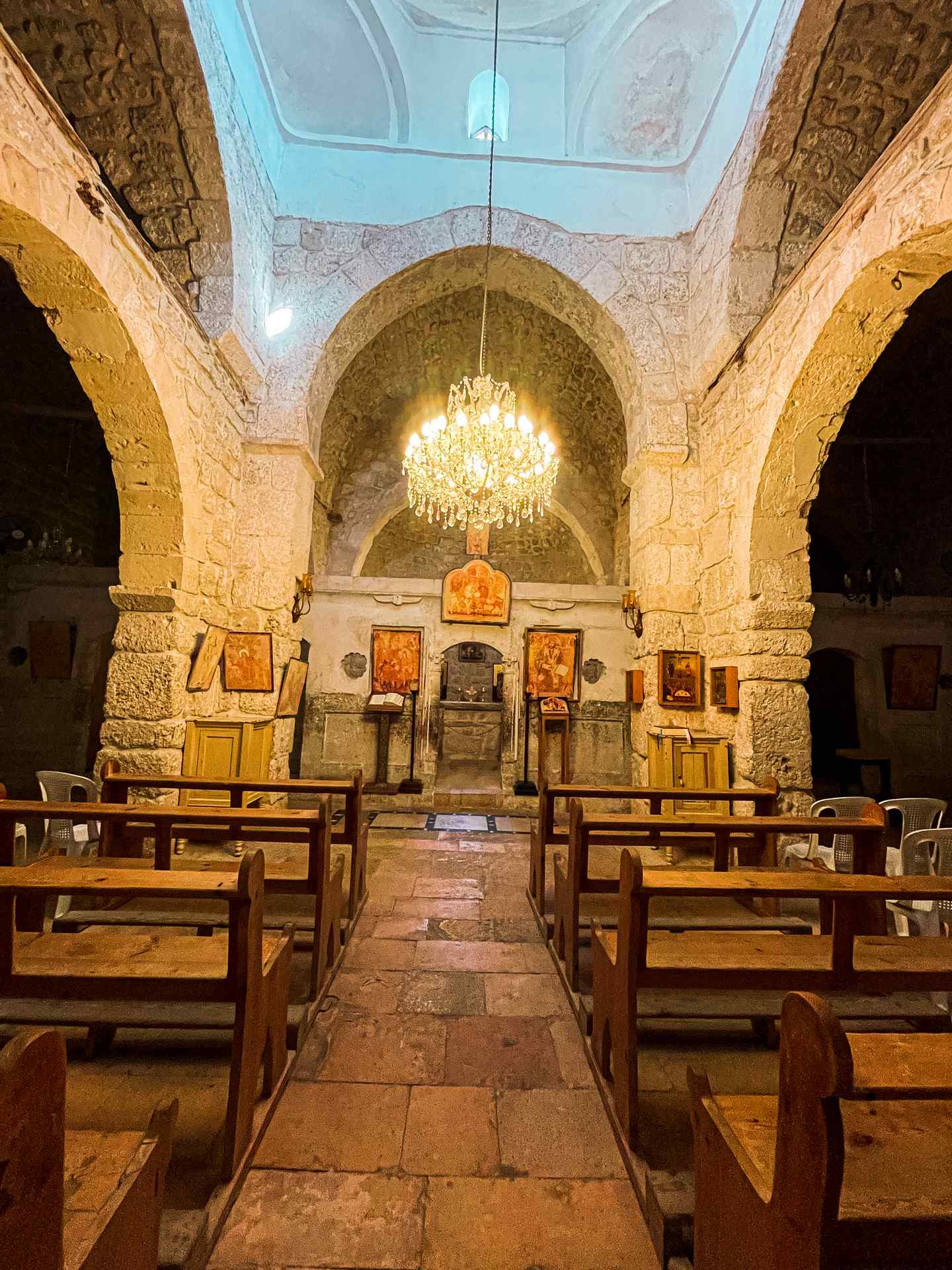
At the top of Malula, we stopped at the Church of Saints Sergius and Bacchus, a small but significant church whose dome was damaged during the Syrian civil war. The restoration work here is remarkable — so seamless that it’s almost impossible to tell what is original and what has been rebuilt.
Before leaving, we listened to a prayer spoken in Aramaic, one of the oldest living languages in the world, now spoken in only three towns in Syria.
Driving into Syria
FACTS:
- Lake Assad (no guesses where the name came from) is the largest lake in Syria and is actually man-made. It has only existed since 1968 (11.7 km³).
- It is well known that the idea of civilisation originated in ancient Syria, where the Mesopotamian civilisation flourished, and is also known as the cradle of civilisation.
- The Umayyad Mosque in Damascus is the fourth-holiest place in the world. It also contains the mausoleum for the tomb of King Saladin, along with a Shrine of John the Baptist.
EFFECTS FROM THE WAR
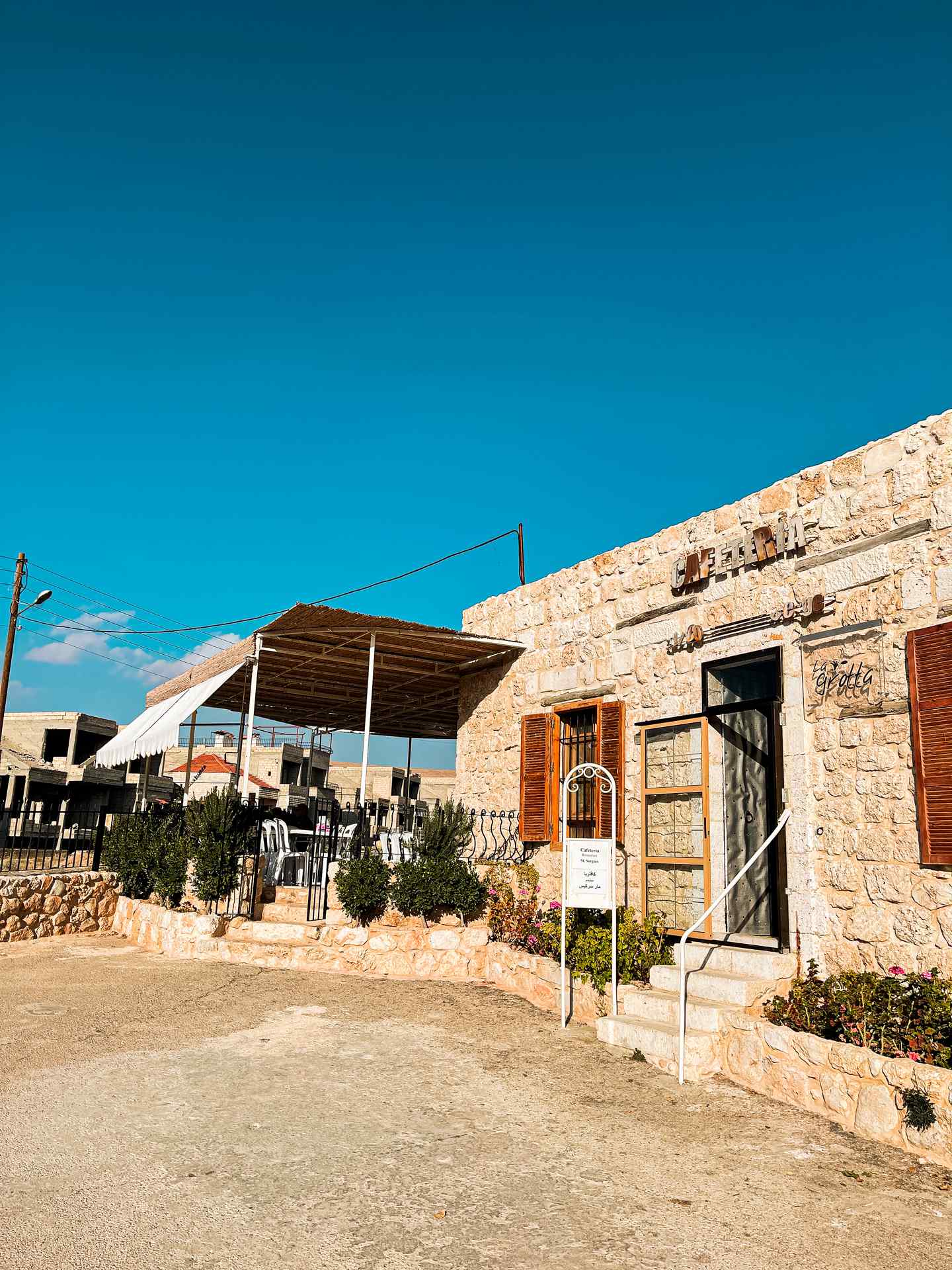
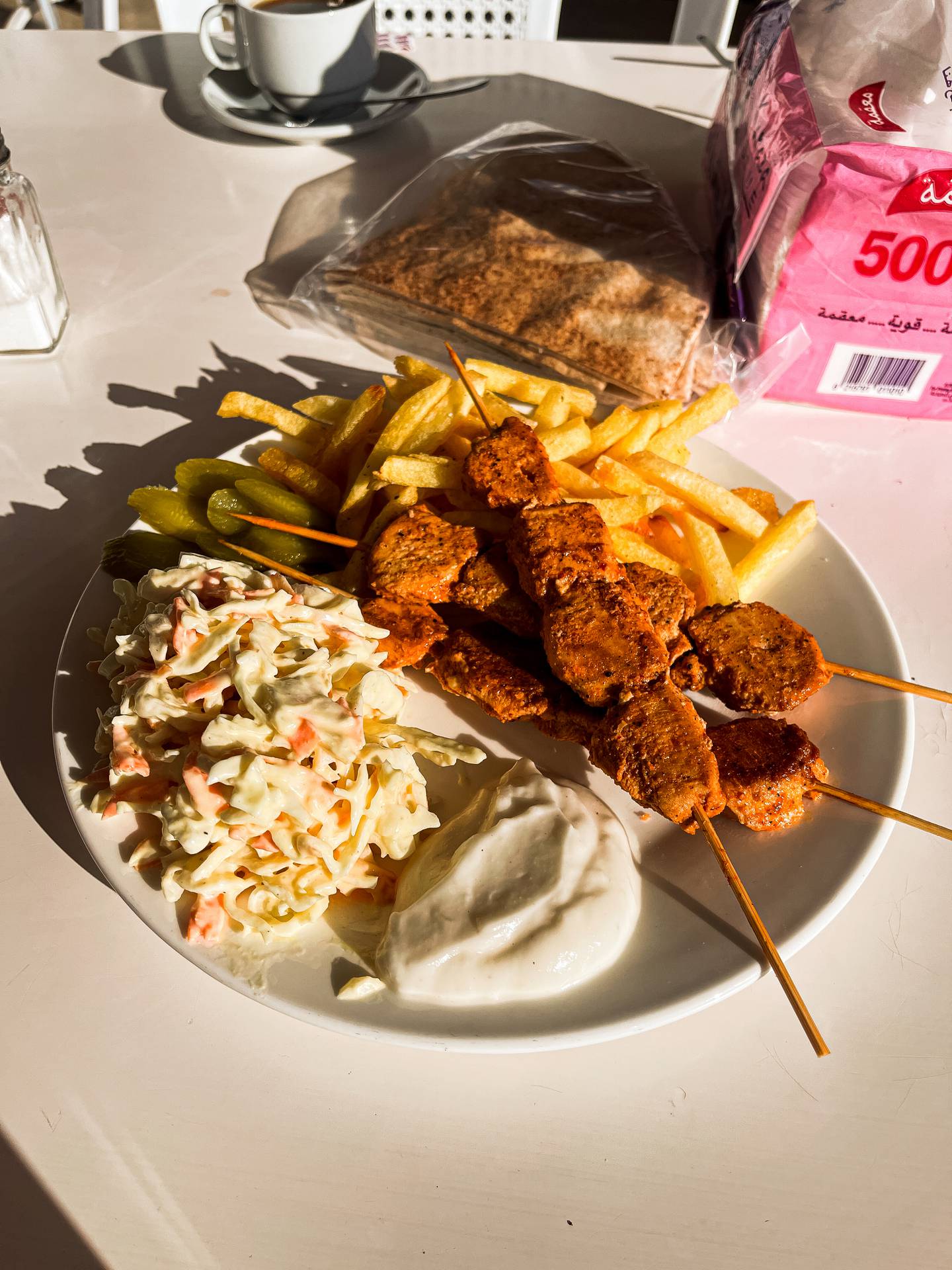
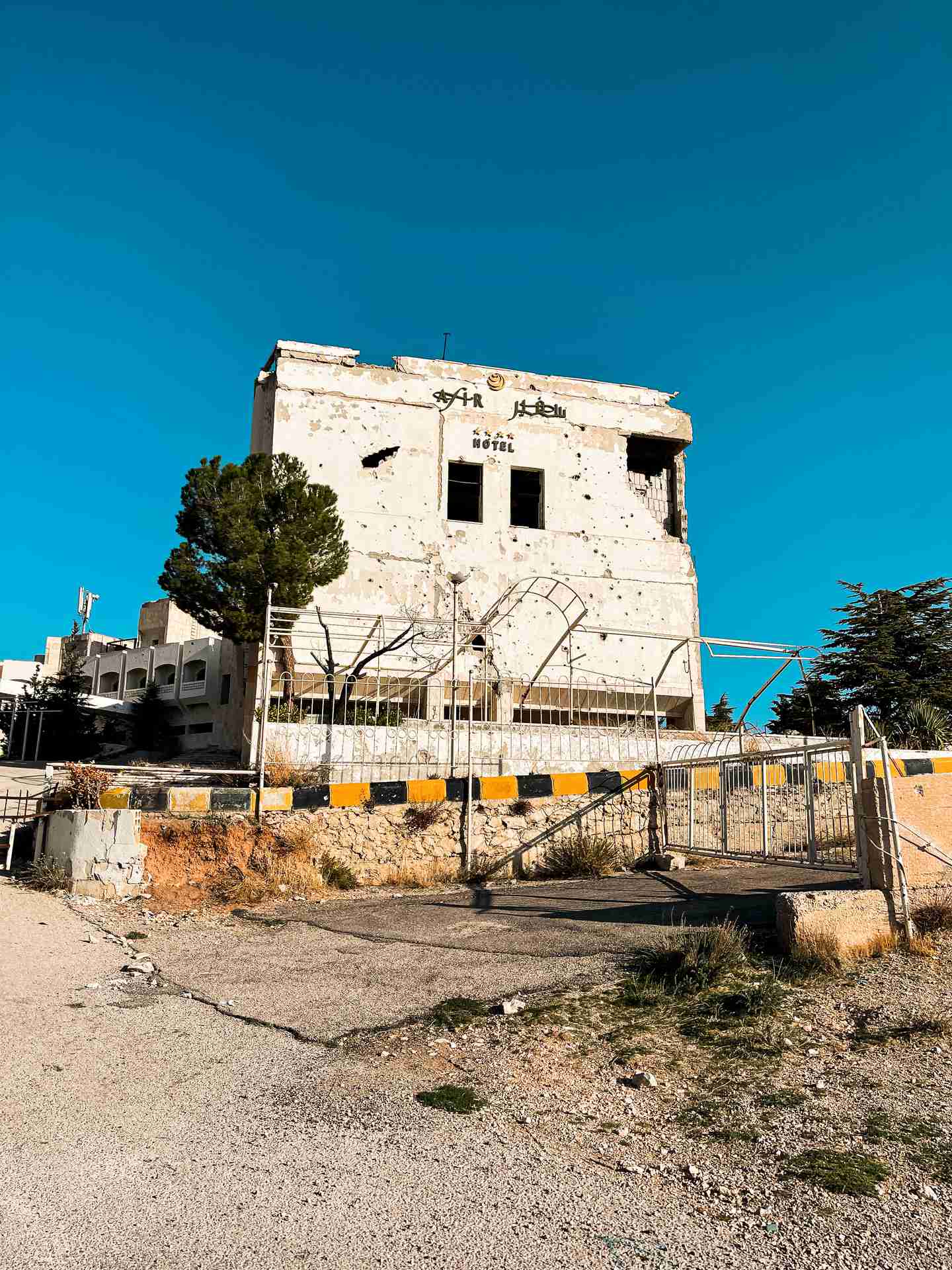
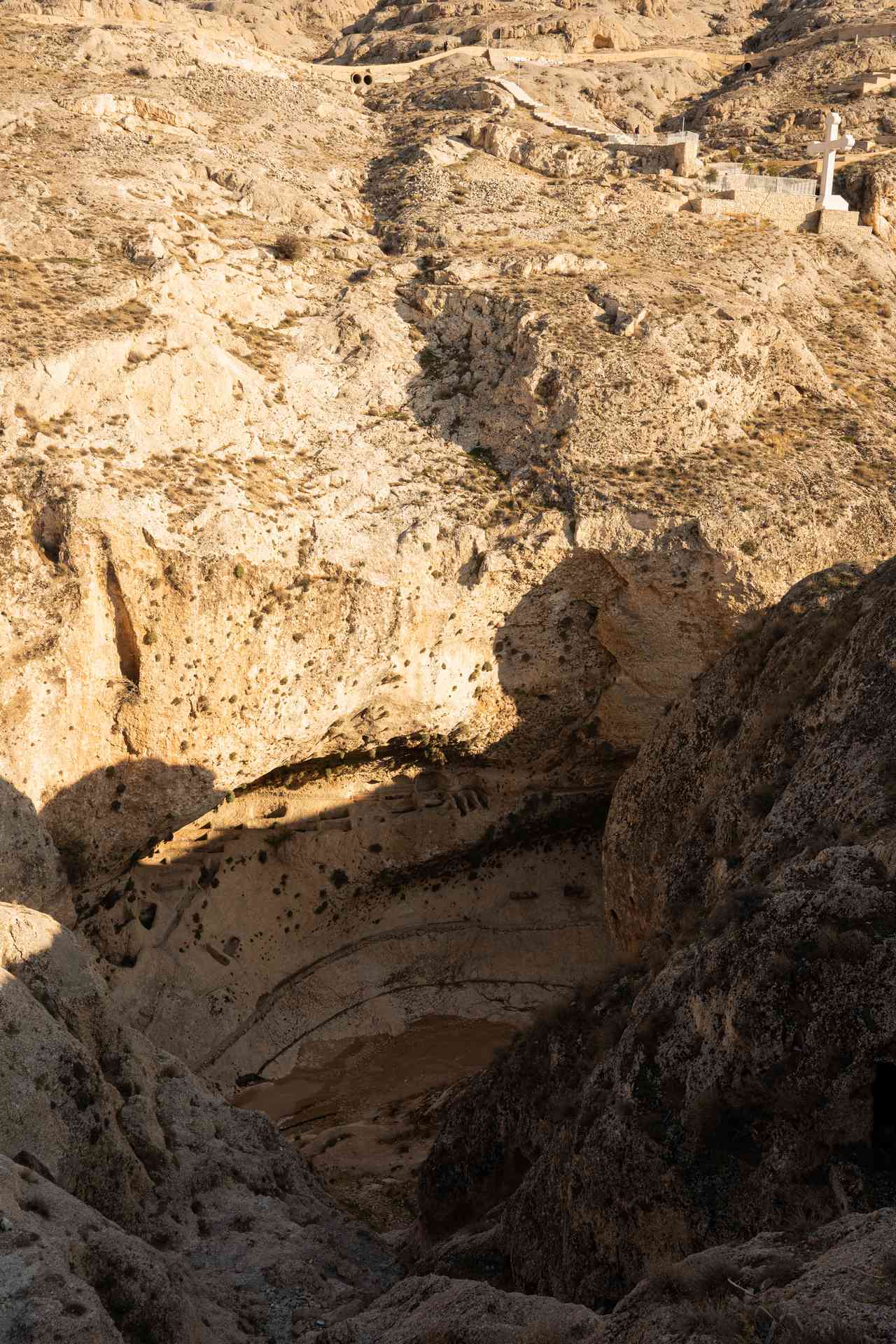
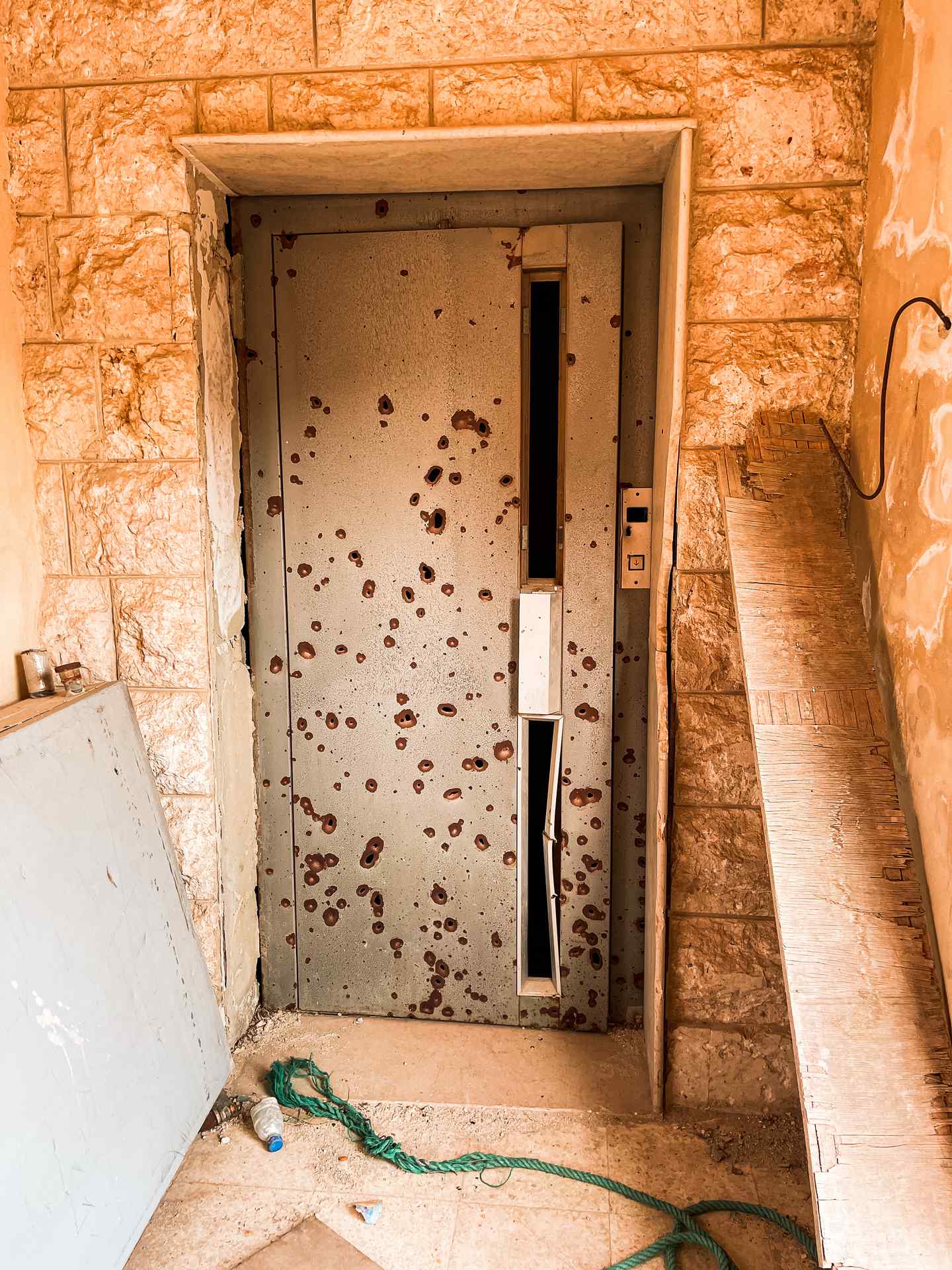
After some shish tawook at La Grotta, we took a short walk toward the Malula Gap. It was here — right beside the restaurant — that I noticed my first visible signs of the Syrian civil war. There’s something deeply unsettling about eating lunch while staring at a bullet-riddled building and a children’s playground scarred by gunfire.
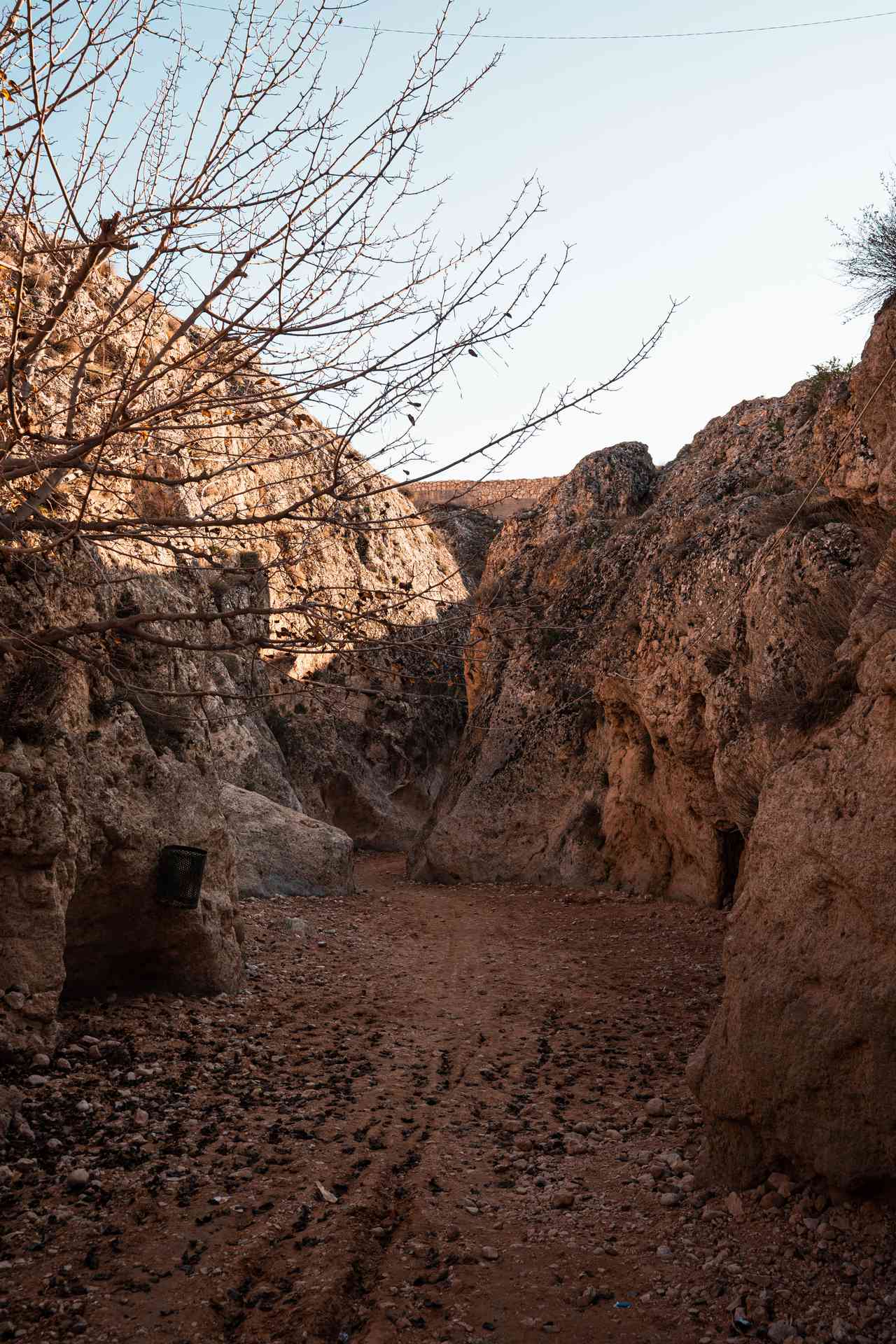
As we approached the entrance to the gap, the road ahead was covered in deep craters and potholes. These weren’t from neglect or wear — they were the unmistakable impact marks of explosive weapons, likely mortar rounds, missiles, or RPGs. It was a stark reminder of how close everyday life once sat to active conflict. Crazy.
Driving into Syria
GAP OF MALULA
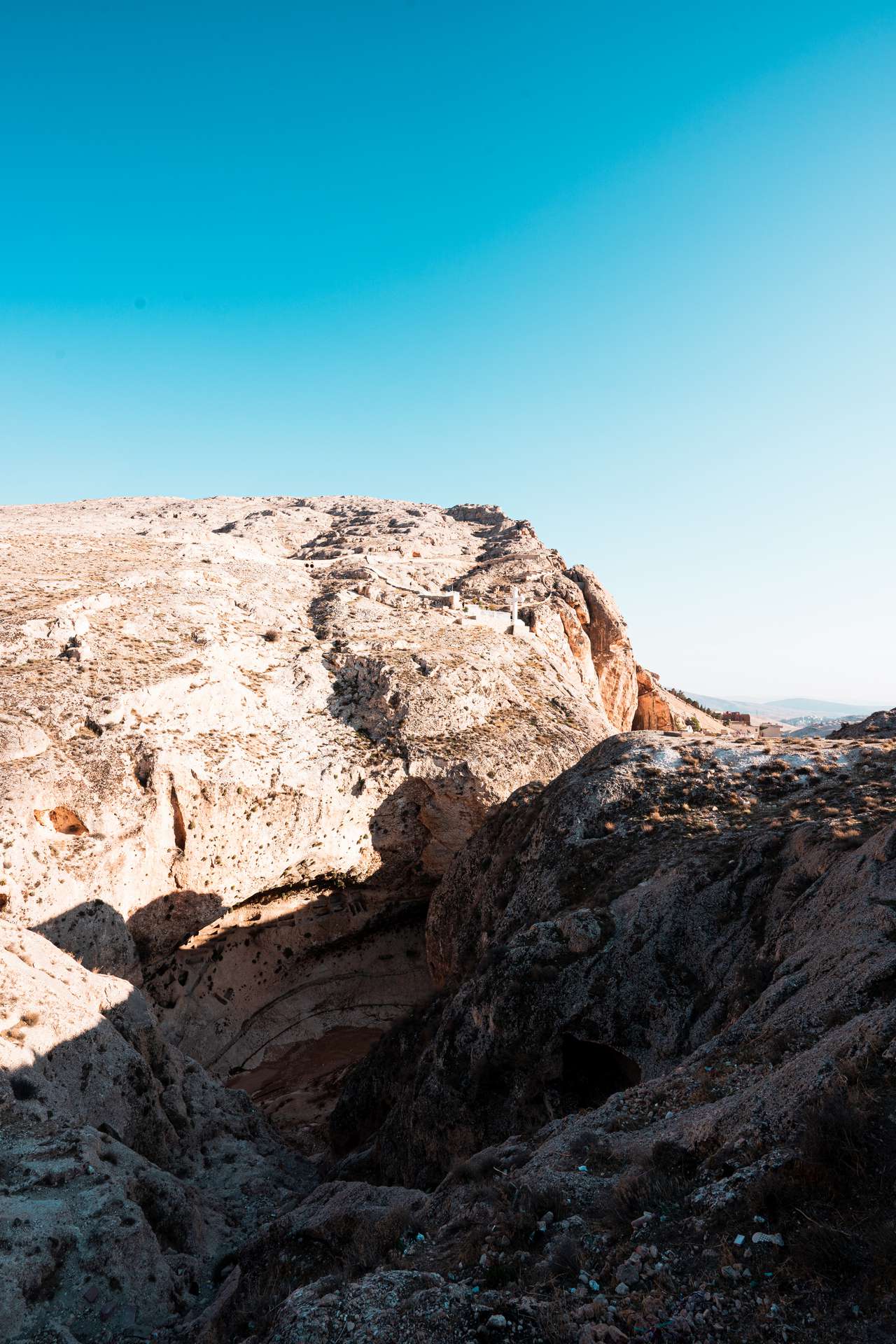
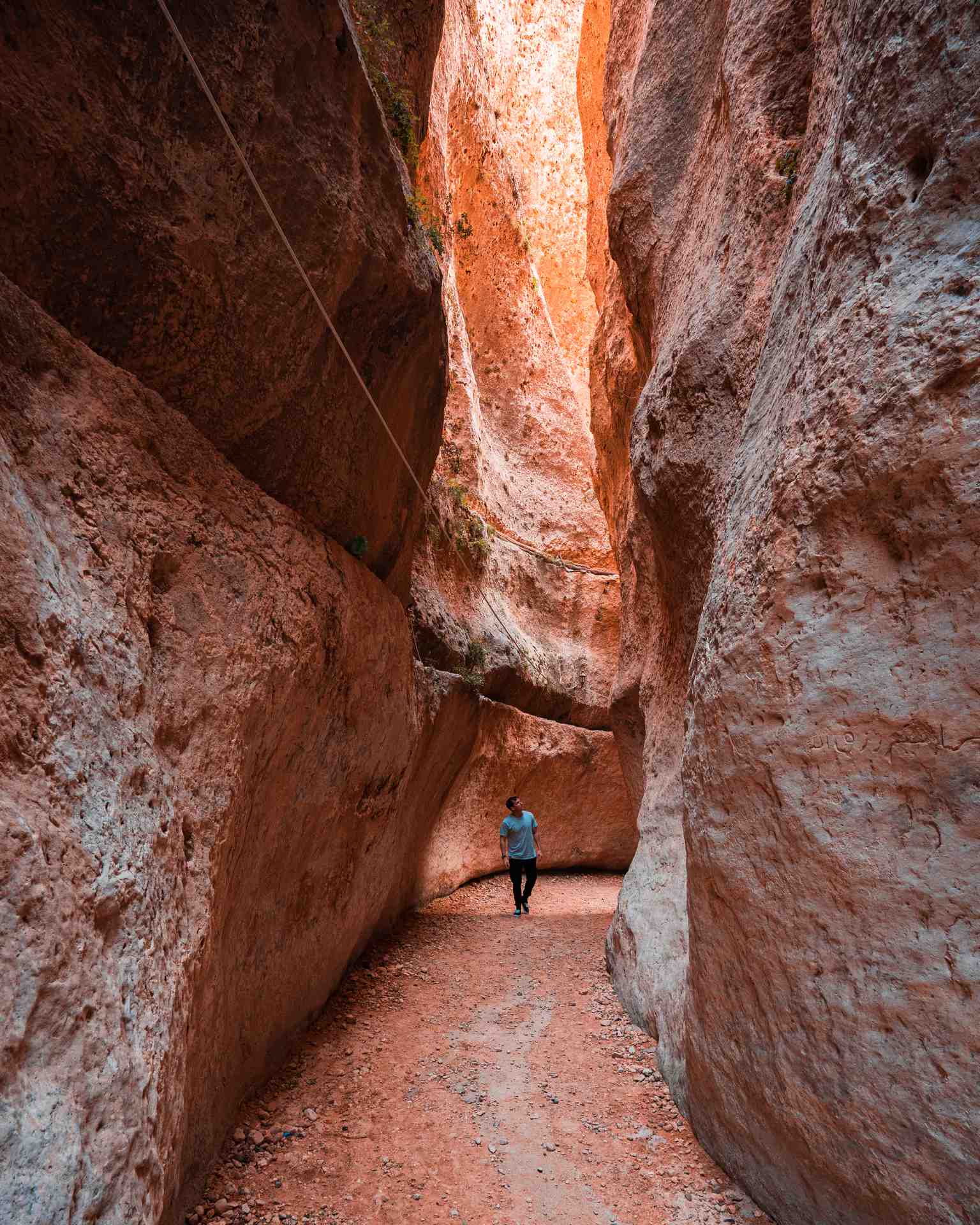
The Malula Gap was something truly special, drawing comparisons to Petra’s Siq in Jordan and Antelope Canyon in the United States. This narrow corridor was carved over centuries by water erosion, shaping the dramatic rock formations seen today.
More recently, the installation of a pipe-lined walkway has made the passage accessible to both locals and tourists, allowing visitors to safely walk through one of Syria’s most unique natural and cultural landmarks.
Driving into Syria
SAINT TAKLA (THECLA)
It was still only day one, yet I was already feeling overwhelmed by the sheer number of churches and mosques — and I knew there was much more still to come on this journey through Syria.
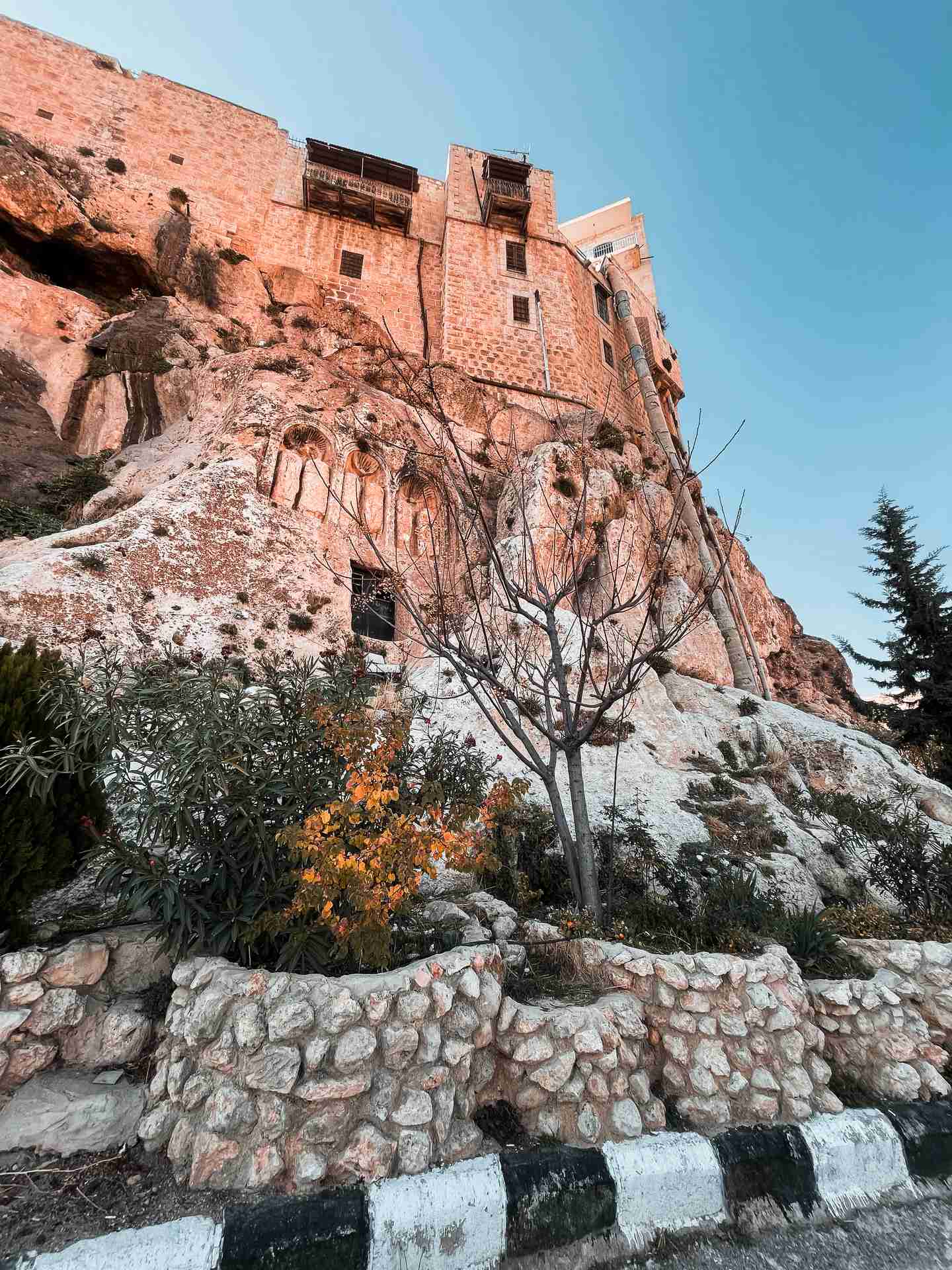
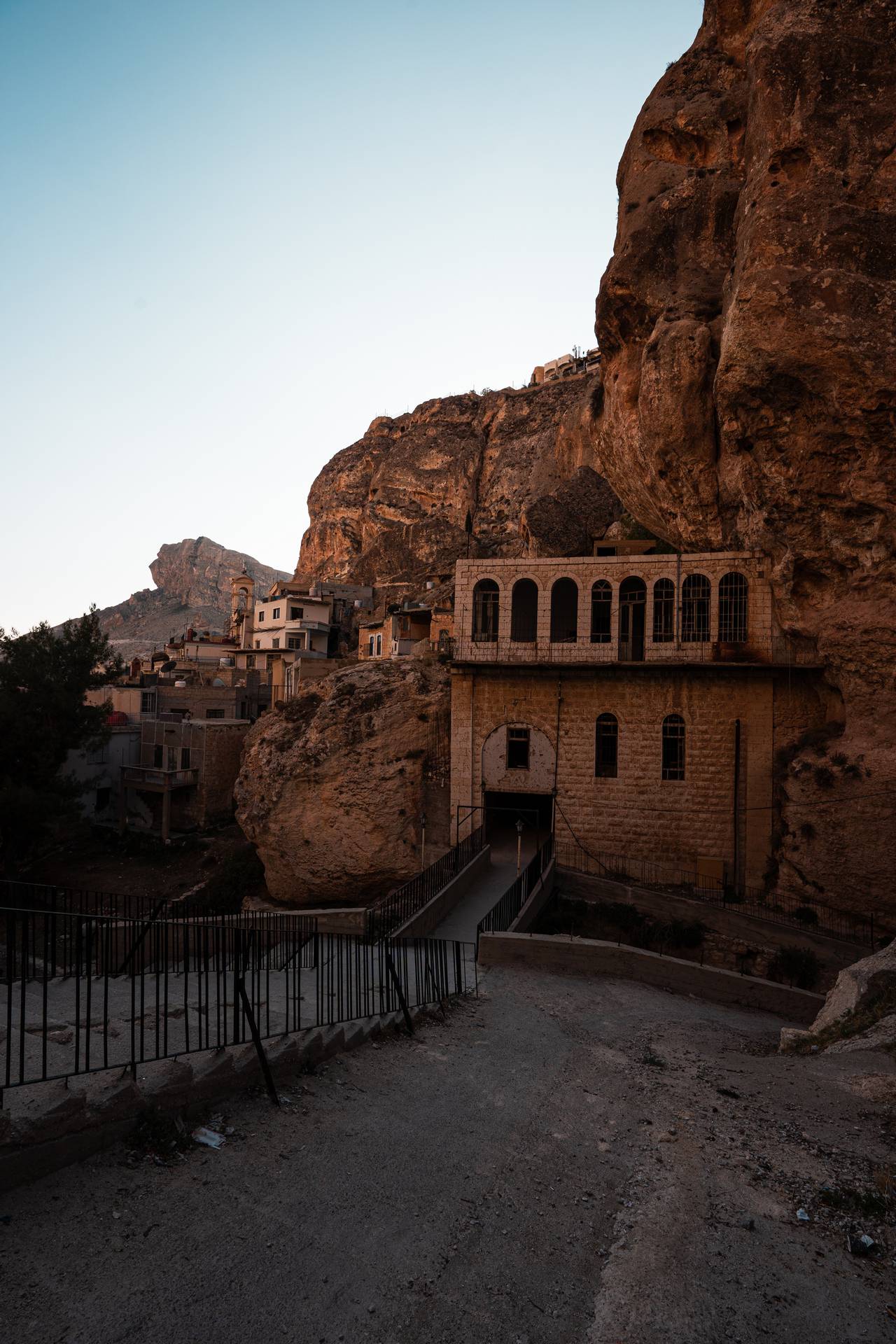
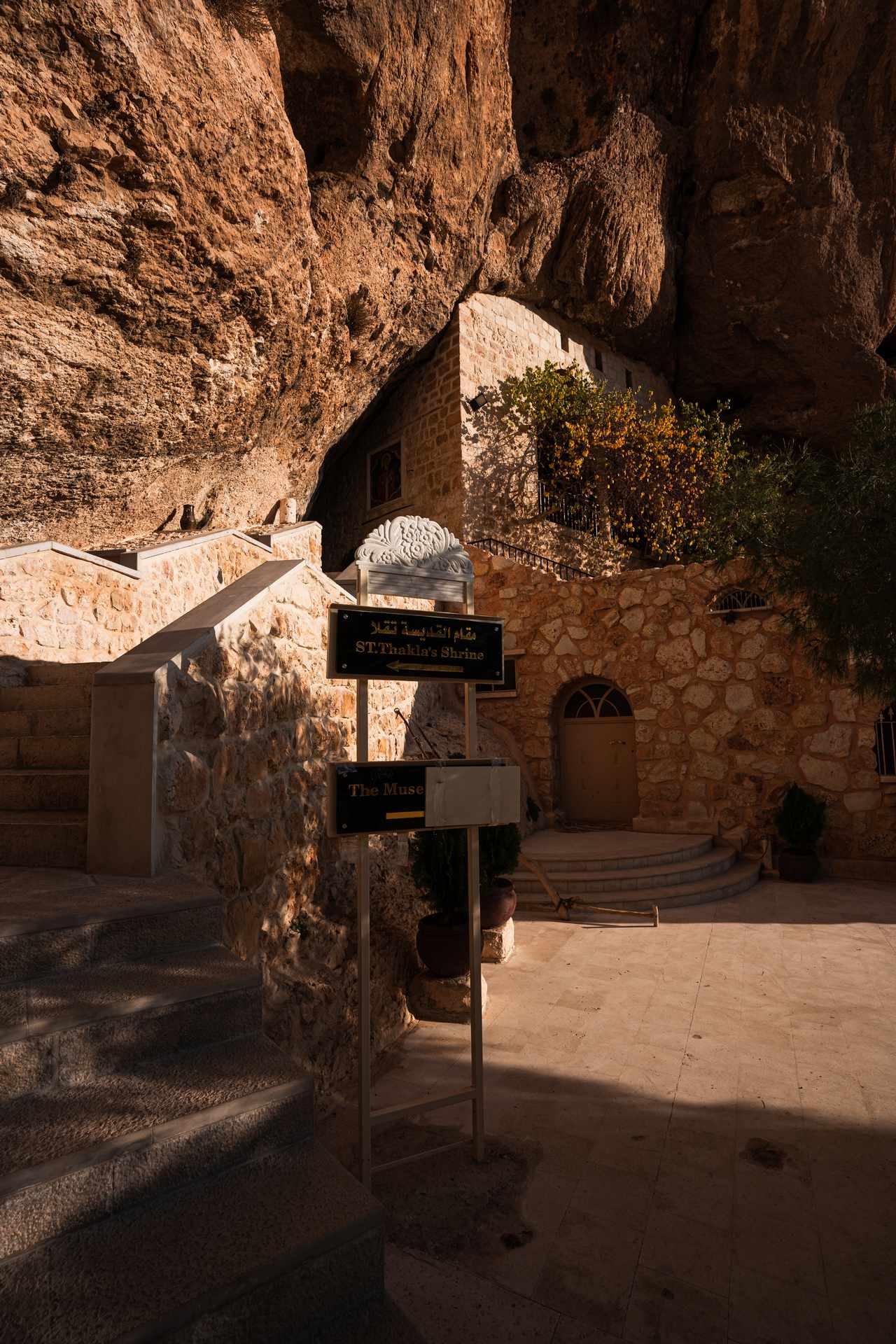
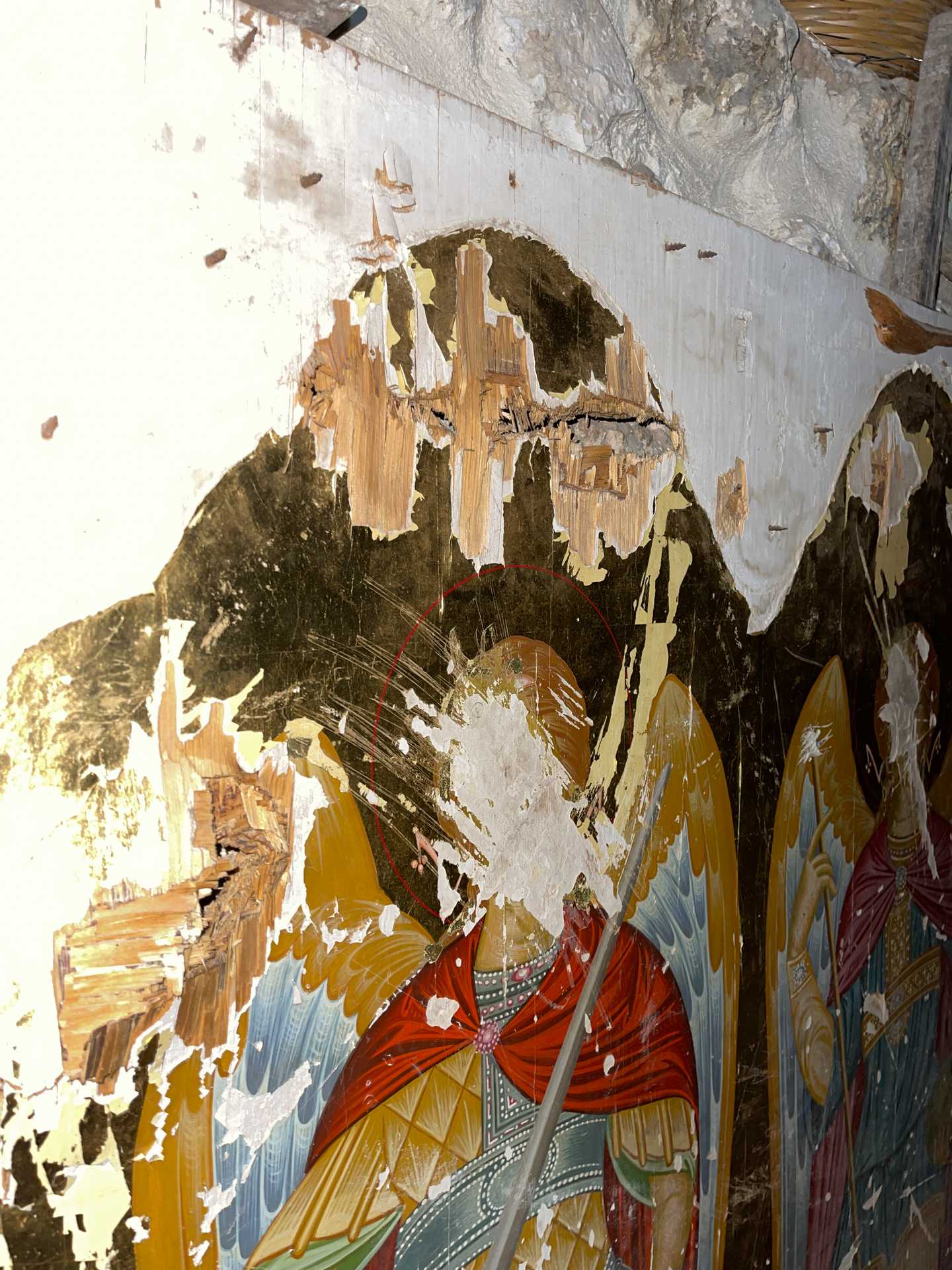
At the bottom of the Malula Gap, we arrived in the historic town of Malula and visited the Monastery of Saint Takla, one of the country’s most important Christian pilgrimage sites.


Driving into Syria
SAINT TAKLA’S STORY
Saint Takla was a young woman — just 18 years old — from the Qalamoun region of Syria. Like many women of the time, she was destined for an arranged marriage, organised by her father to a pagan man. But Takla wished to embrace Christianity, and instead of accepting her fate, she fled.
According to tradition, Roman soldiers pursued her through the surrounding mountain ranges, chasing her as far as Malula. There, she faced an impossible obstacle: a sheer rock face blocking her path. Takla knelt to pray — and, as the story goes, the rock miraculously split, forming what is now known as the Malula Gap, allowing her to escape capture and death.
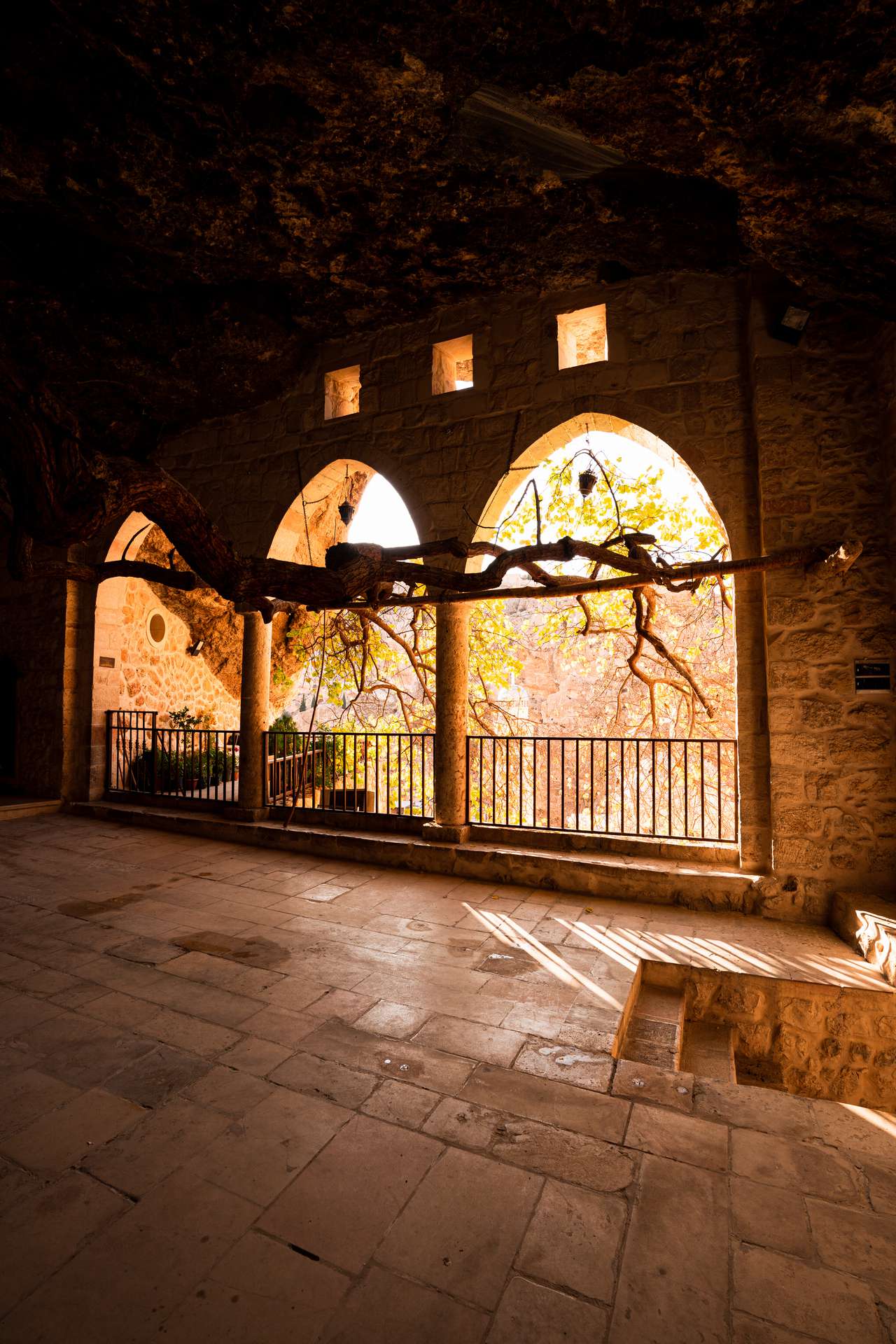
Takla spent the remainder of her life living in a grotto, preaching the Christian faith and healing the sick using water from a natural spring she carved herself. She died at the age of 90 and was buried in the same grotto, which today remains a place of pilgrimage. Inside the site, an apricot tree grows through the building itself — make of that what you will.
ABOUT THE COUNTRY:
- Language – Arabic
- Hello – “As-Salam Alaykom”
- How to cheers – “Fe Sahatek”
- Popular beverage – Arak
- Popular Sport – Football
- Staple diet – Pita bread
CHURCH OF SAINT TAKLA
Just below the tomb sits the Church of Saint Takla, another site damaged during the Syrian civil war and now fully restored. Like many religious landmarks across Syria, it has clearly received significant care and attention.
It’s striking how religious monuments are prioritised here. While much of the surrounding infrastructure lags far behind the rest of the world, churches and sacred sites are rarely left in disrepair for long, standing as symbols of continuity amid destruction.
Driving into Syria
AL MASHTAYAH
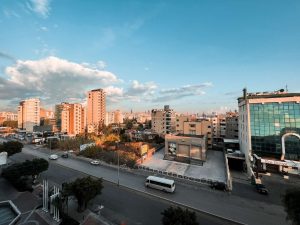
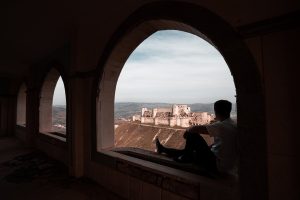
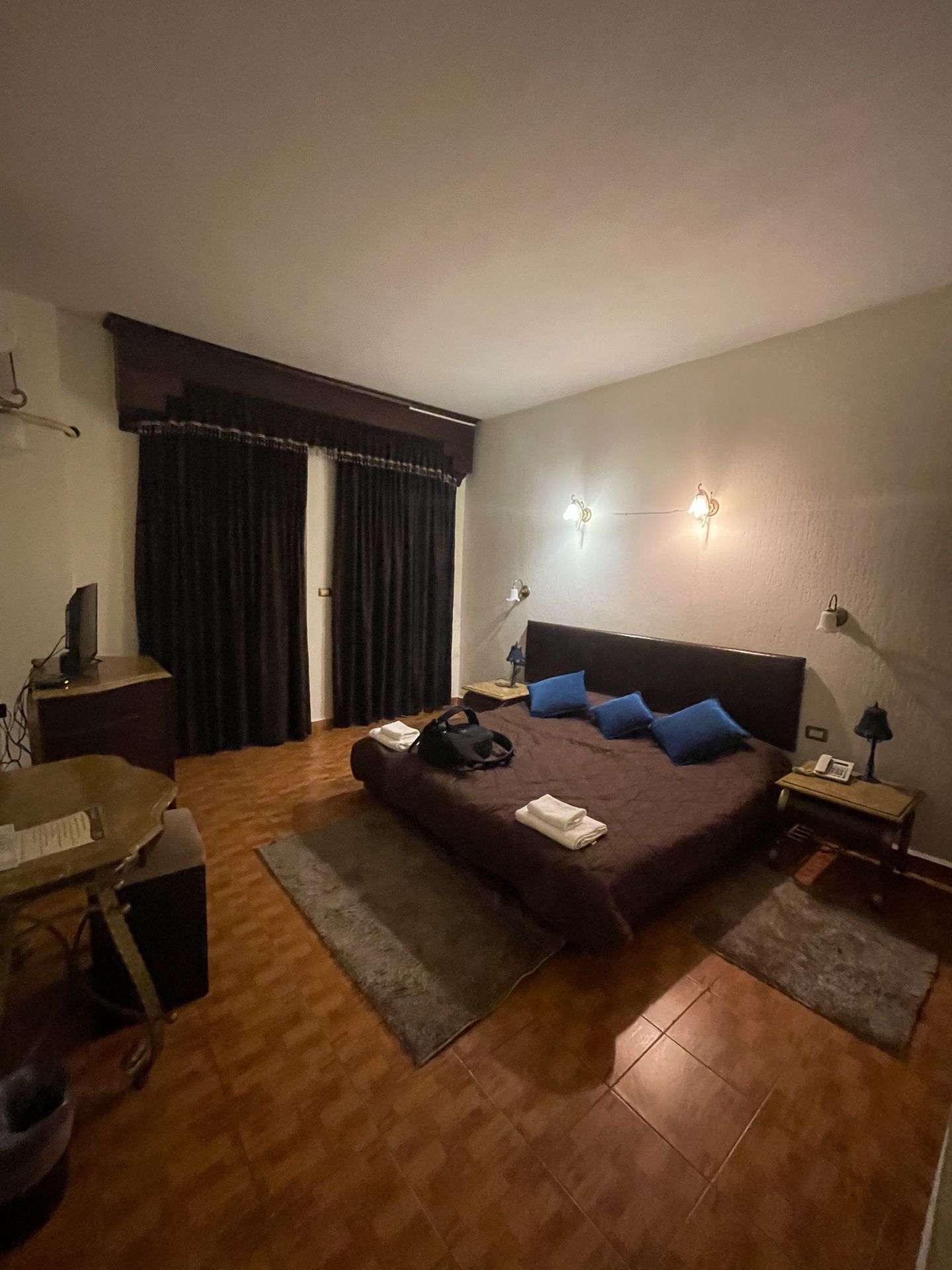
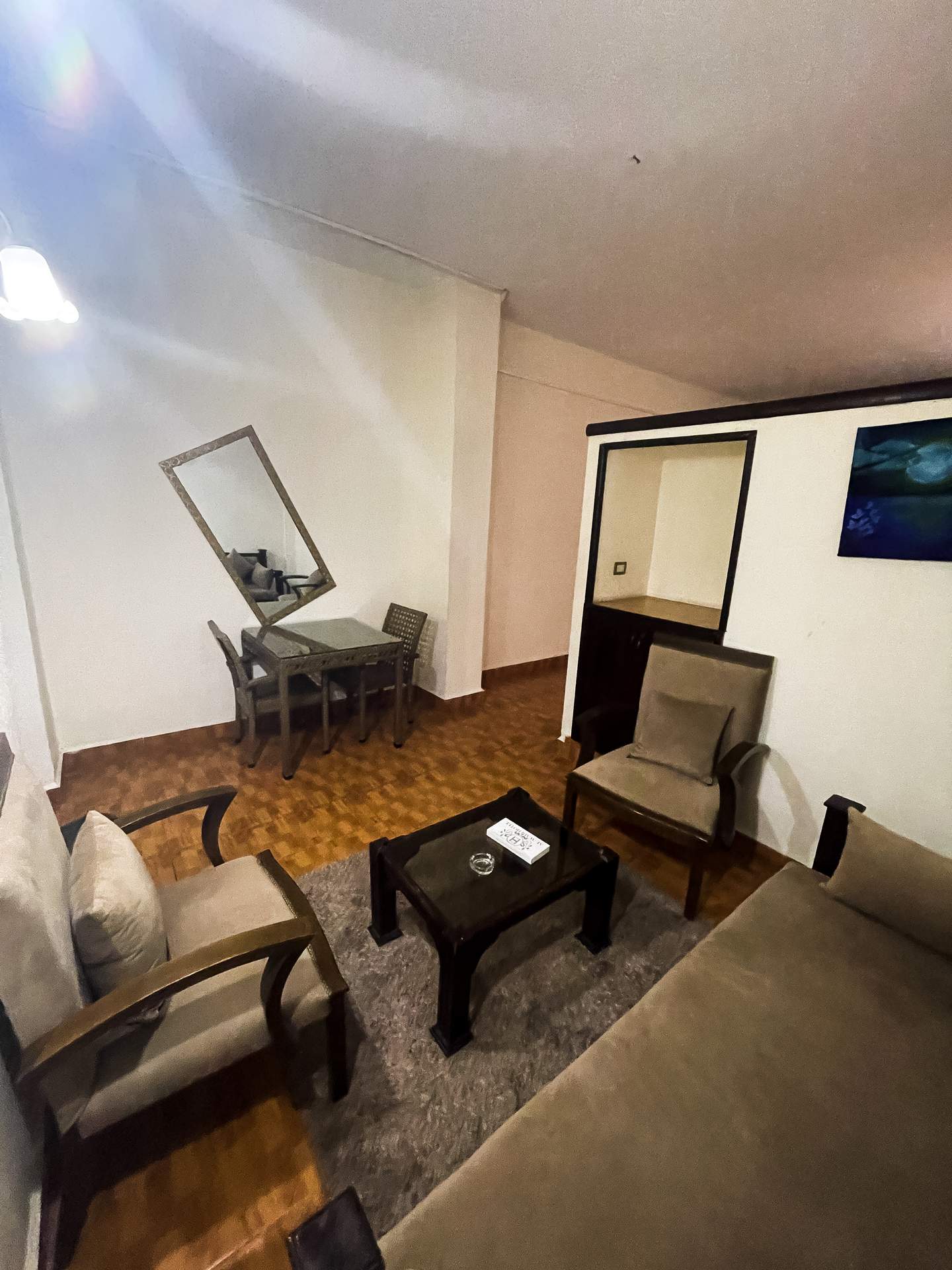
Our final stop today was the town of Al Mashtayah, where we rested for the night at the Al Wadi Hotel. This stop also set us up perfectly for an early visit to Krak des Chevaliers the following morning — one of Syria’s most iconic and well-preserved landmarks.
After everything I’d seen today, I’ll be doing well to top this journey.
Driving into Syria
FINAL THOUGHTS
I’m getting an absolute education here 😬
SAFE TRAVELS, DS x
152/229
NEXT UP
Driving in Syria further leads to Krak des Chevaliers and a night by the Mediterranean Sea!!
This post was part of The Syrian Series. For episode 1 click here or to see the entire series click here.
To see a different side of my trip head to my social channels; YouTube, Instagram & TikTok. Links at top of the page.

Question Time
- Are you religious?
- Do think religion is overall good or bad?
Let me know in the comments below . . .